Key takeaways
- Name who owns each robot, lease, and software seat before signatures change.
- Export maps, routes, and maintenance history in formats the incoming team can import.
- Rotate access credentials and building badges on day one, not week three.
- Run parallel routes with both contractors before you cut over night coverage.
- Keep one integrator on the service contract so OEM tickets do not stall in limbo.
What breaks when contractors change?
Facility leaders swap janitorial, security, or logistics vendors for price, performance, or contract renewal. The mop closet transfers in a walkthrough. A commercial robot fleet does not.
The direct answer: plan an operational and data handoff that covers ownership, maps, accounts, standard procedures, maintenance history, training, access credentials, and service continuity. Miss one layer and the new crew inherits hardware they cannot run, or the old crew keeps keys to your building network.
Vendor transition planning for robots should start before the incumbent's last month, not the morning after a missed route.
Treat the fleet like any other critical system: name an internal owner who signs off on each handoff milestone.
Who owns the robots on paper?
Units may sit on your balance sheet, on a lessor's books, or on the outgoing contractor's rental agreement. Each pattern changes who signs return authorizations and who pays dispatch.
If robots are service robot rental or robot rental monthly assets, read whether the lease follows the building or the vendor. Month to month robot lease language sometimes forbids assignment without lessor consent.
Document serial numbers, charger locations, and insurance certificates in the transition binder. Ambiguity here is how fleets end up in storage while lawyers argue.
How do you hand off maps and software?
Autonomous scrubbers, patrol units, and mobile robots depend on site maps, zones, and no-go polygons. Export native project files where the platform allows. When export is limited, schedule a joint remapping session with both contractors present.
Cloud accounts tied to the outgoing vendor email must move to your domain or the incoming vendor admin. Do not leave fleet dashboards on a personal inbox.
Version every map with a date and building zone name. Spring furniture moves and holiday layouts should not surprise the new team on night one.
- Admin owner email on each fleet portal.
- Map revision ID stored with facilities drawings.
- Chemical and pad SKUs approved per route.
- Wi-Fi SSID and VLAN notes for robot traffic.
- Escalation tree for fault codes.
What maintenance history must travel?
Batteries, drive tires, and brush decks wear on calendar time as well as hours. Hand over work orders, parts replaced, and firmware versions.
If predictive maintenance alerts exist, transfer alert recipients to the new contractor and your facilities lead. Silent alerts are how small faults become week-long outages.
Warranty and service plan clocks do not reset because the vendor changed. Note remaining coverage and the integrator of record.
How should SOPs be rewritten?
Outgoing crews wrote habits around their shift leads. Incoming crews need written steps: start checks, chemical fill, dock placement, guest escort rules, and ticket paths.
Align SOPs with union or client security rules if robots cross from public to back of house. Patrol robots may need revised escalation when guard posts move.
Keep one page per robot type. Long binders nobody opens fail audits.
When do credentials get rotated?
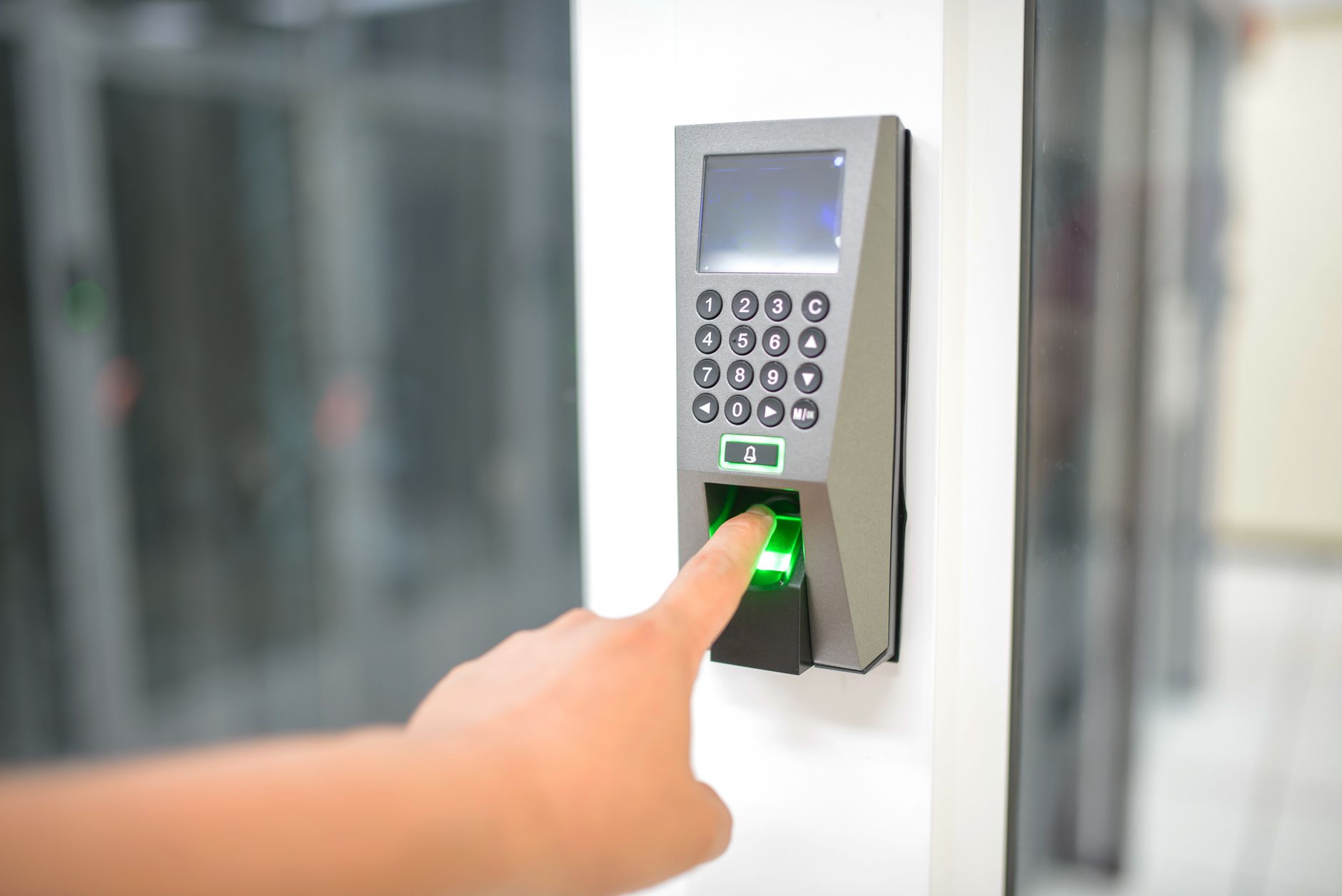
Building badges, alarm codes, elevator keys, and VPN access granted to the old vendor must revoke on the contractual end date. Robots integrated with access control need credential updates in the same change window.
Shared tablets used for fleet apps should be wiped and re-enrolled. Password reuse between vendors is a common audit finding.
Schedule rotation during a low-traffic night so a lockout does not strand a unit mid-route.
How long should parallel running last?
Run overlapping coverage with both contractors for at least one full weekly cycle that includes your busiest nights. Compare completion logs, not verbal assurances.
Use the overlap to train incoming leads on charger locations and spill response. Outgoing leads can demonstrate fault recovery once on each route.
Cut over only after incoming staff complete a supervised solo run without critical exceptions.

Who keeps service continuity?
OEM help desks want a single customer contact. If neither contractor holds the service contract, tickets sit unassigned while floors miss coverage.
Professional service robot shipments topped two hundred thousand registered units worldwide in 2023, according to the International Federation of Robotics. More fleets mean more contractor transitions, and more transitions expose weak handoffs.
A vendor neutral integrator on maintenance included plans can stay constant while janitorial vendors rotate. One partner one number beats three OEM portals when a night manager needs a reset.
What belongs in the transition checklist?
Procurement should attach the checklist to the new vendor RFP so pricing includes training hours and mapping support.
Facilities should sign acceptance when logs show stable coverage, not when boxes leave the loading dock.
Legal should confirm data retention for video or lidar logs if patrol robots recorded incidents.
- Asset list with serials and ownership.
- Lease assignment or return paperwork.
- Exported maps or remapping schedule.
- Maintenance log and open work orders.
- Rotated credentials and access lists.
- Signed SOPs and training attendance.
- Service contract holder of record.
- Parallel run completion report.
Where does Service Robot Co. fit contractor changes?
We stay on the integrator side while contractors rotate: finance, deployment, training refresh, and nationwide field support under one contract. That continuity keeps maps, spares, and dispatch aligned with your building, not whichever vendor won this year's bid.
A free site assessment during transition can flag credential gaps and charger placement before the outgoing crew demobilizes. The goal is uninterrupted overnight cleaning, patrol, or cart moves across the vendor swap.