Key takeaways
- Start by clearly defining the problem you are solving and the specific, measurable goals of the automation project.
- Detail technical requirements and performance metrics, but also describe the physical environment and existing systems.
- Go beyond the hardware; your RFP must specify requirements for service, support, training, and deployment.
- Request transparent, itemized pricing for different acquisition models, including purchase, lease, and Robotics as a Service (RaaS).
- A strong RFP leads to a strong partnership, ensuring your integrator can support the entire lifecycle of the robot fleet.
What Is a Robotics RFP and Why Is It Crucial?
A Request for Proposal (RFP) is a formal document that details a specific automation project, inviting potential vendors to submit proposals to become your integration partner. A well-crafted RFP is the foundation of a successful robotics initiative. It forces internal clarity on project goals and ensures you receive comprehensive, comparable bids from potential partners, minimizing misunderstandings that can lead to costly delays.
For procurement managers and business owners, the RFP is the primary tool for navigating the complex process of selecting a robotics integrator. It moves the conversation beyond hardware specifications to a holistic view of the partnership. It allows you to systematically compare how different vendors approach deployment, integration with your existing systems, long-term service, and staff training.
The goal is to provide enough detail for vendors to offer a precise, relevant proposal while establishing clear criteria for evaluation. This document ensures that the integrator you choose not only provides the right technology but also has the expertise and service infrastructure to make your project a long-term operational success.
How Should You Define the Project's Scope and Objectives?
Begin with a high-level overview of your organization and the core problem you need to solve. Are you facing a labor shortage, seeking to increase throughput, reduce errors, or improve safety? Clearly articulating the business drivers behind the project provides essential context for potential partners.
From there, define the specific scope of work. Detail the exact tasks or processes you want to automate. For example, instead of saying "automate material transport," specify "autonomously transport pallets of finished goods from packaging line C to outbound shipping bay 4." Provide numbers wherever possible, such as pallets per hour or number of deliveries per shift.
Finally, list your key performance indicators (KPIs) and success metrics. How will you measure a successful outcome? This could include metrics like a 20% increase in production speed, a 90% reduction in errors for a specific task, or achieving a specific payback period. These clear objectives allow vendors to propose a system designed to meet your specific targets.
What Technical and Performance Requirements Should Be Included?

This section translates your operational goals into technical specifications. List the functional requirements of the robotic system. This includes details on payload capacity, speed, required accuracy, and any specific end-of-arm tooling needed for cobot applications.
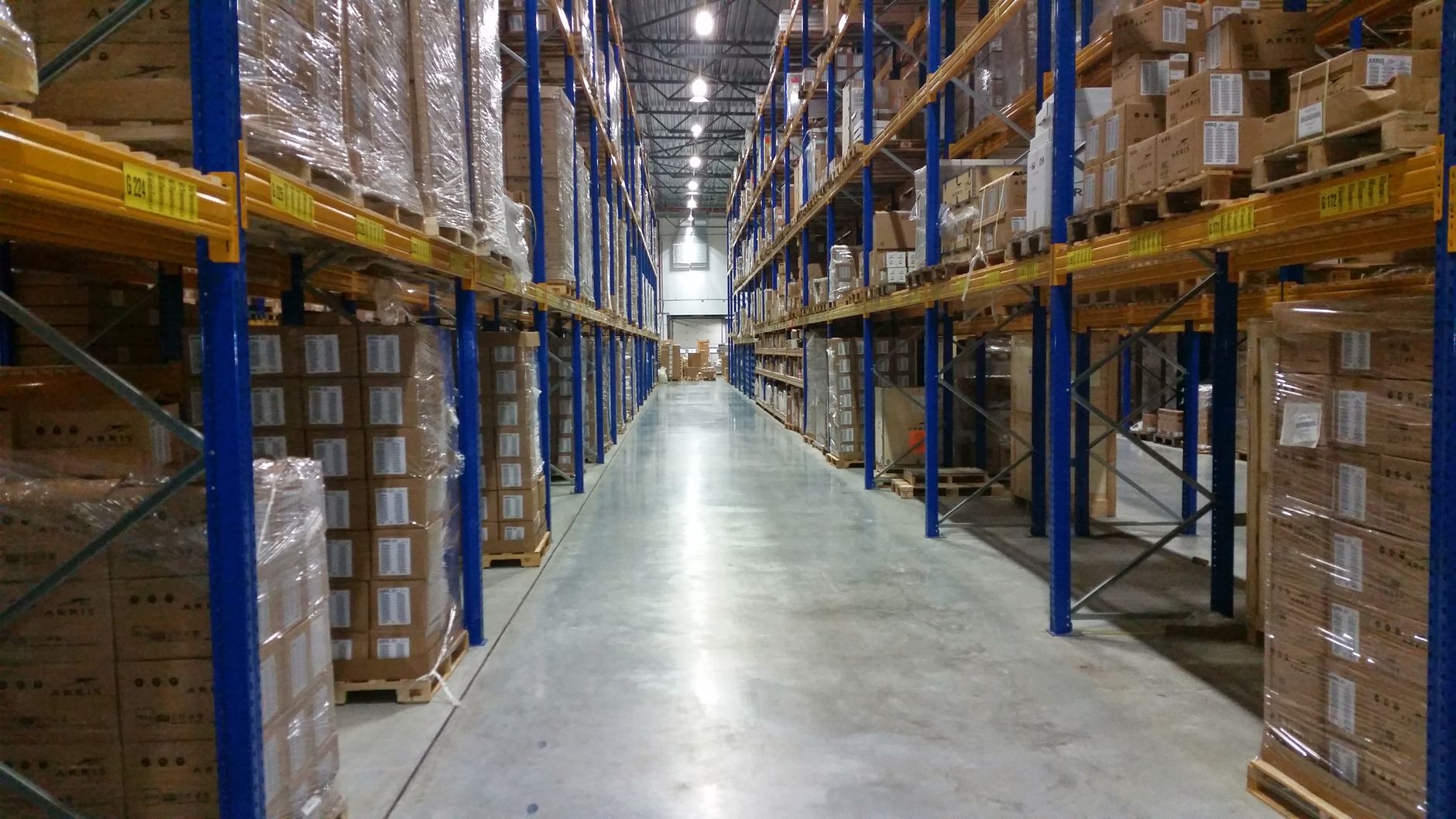
Describe the operational environment in detail. Provide facility diagrams, photos, or videos. Note factors like aisle widths, floor type and condition, ramp gradients, and any potential obstructions. Specify any environmental conditions, such as the need for a system to operate in a cold storage area or a cleanroom.
Explain your existing technology infrastructure. Detail your Warehouse Management System (WMS), Enterprise Resource Planning (ERP), or other software the robots must communicate with. Specifying integration requirements and communication protocols is critical to avoid compatibility problems during installation.
How Do You Specify Service, Support, and Training?
Even the most advanced robot is only as good as the support structure behind it. This is where a true full-service integrator proves its value. Your RFP must outline your expectations for the entire service lifecycle. Specify your required response times for service requests and uptime guarantees. These details form the basis of a Service Level Agreement (SLA).
A robust SLA is a critical component of any robotics contract, defining performance metrics like system availability and mean time to repair. Unfortunately, many integrators lack the resources to offer comprehensive SLAs to every customer, which can leave you with a robot gathering dust in a corner when an issue arises.
At Service Robot Co., we built our model around this challenge. As a vendor-neutral integrator, we provide a single point of contact for the entire lifecycle. Our nationwide network of US engineers handles deployment, integration, and ongoing maintenance for every unit we support. Your RFP should ask vendors to describe their service infrastructure, including remote triage capabilities and on-site dispatch procedures, to ensure they can offer a zero-downtime guarantee with programs like spare unit coverage and emergency robot replacement.
Also, define your training needs. Specify the number of employees to be trained, the different user roles (e.g., operators, maintenance staff), and the required depth of the training program. A successful deployment depends on your team's ability to work with the new technology confidently.
What Should the RFP Say About Commercials and Pricing?
Request a clear, itemized cost structure to allow for an apples-to-apples comparison between vendors. This should break down the costs for hardware, software, integration services, training, and ongoing support or maintenance plans.
To gain maximum flexibility, ask vendors to propose different acquisition models. Many businesses are moving away from large upfront capital expenditures. A modern integrator should offer multiple options:
Your RFP should invite proposals for each of these structures. This allows you to evaluate not just the technology but also the financial model that best suits your budget and strategic goals. Models like RaaS, for instance, shift the cost to an operating expense and move the burden of maintenance and technology risk to the vendor.
- Outright Purchase: A traditional capital expenditure.
- Leasing or Financing: Spreading the cost over a fixed term.
- Robots as a Service (RaaS): A subscription model that bundles the robot, maintenance, and support into a single monthly fee with no upfront capital.
How Do You Structure the Evaluation and Submission Process?
Provide a clear timeline for the entire RFP process. Include the deadline for proposal submissions, dates for vendor presentations or demos, and the target date for your final decision. This keeps the process on track and manages expectations for all parties.
Clearly define your evaluation criteria. Explain how you will weigh different aspects of the proposals, such as technical capabilities, vendor experience, service and support infrastructure, and total cost of ownership. This transparency helps vendors tailor their responses to your priorities.
Finally, specify the required format for submissions. Providing a structured template can make it much easier to compare proposals directly. Request references and case studies from projects of a similar scope and complexity to validate vendor claims and experience.