Key takeaways
- Even highly autonomous robots require human intervention for complex, unpredictable situations that demand judgment.
- Remote robot operators, or teleoperators, provide real-time support for navigation problems and guest interactions.
- Human-in-the-loop is a strategic partnership between people and machines, ensuring higher uptime and reliability.
- This operational support is a key service provided by a full-service robot integrator to guarantee performance.
- Every remote intervention creates valuable training data that helps make the entire robotic system smarter over time.
What is Human-in-the-Loop Robotics Support?
Human-in-the-loop (HITL) is an operational model that partners human intelligence with robotic automation. It acknowledges a simple truth: even the most sophisticated autonomous systems encounter situations they cannot solve alone. In these moments, the system alerts a trained remote robot operator who can analyze the situation and take control to resolve the issue.
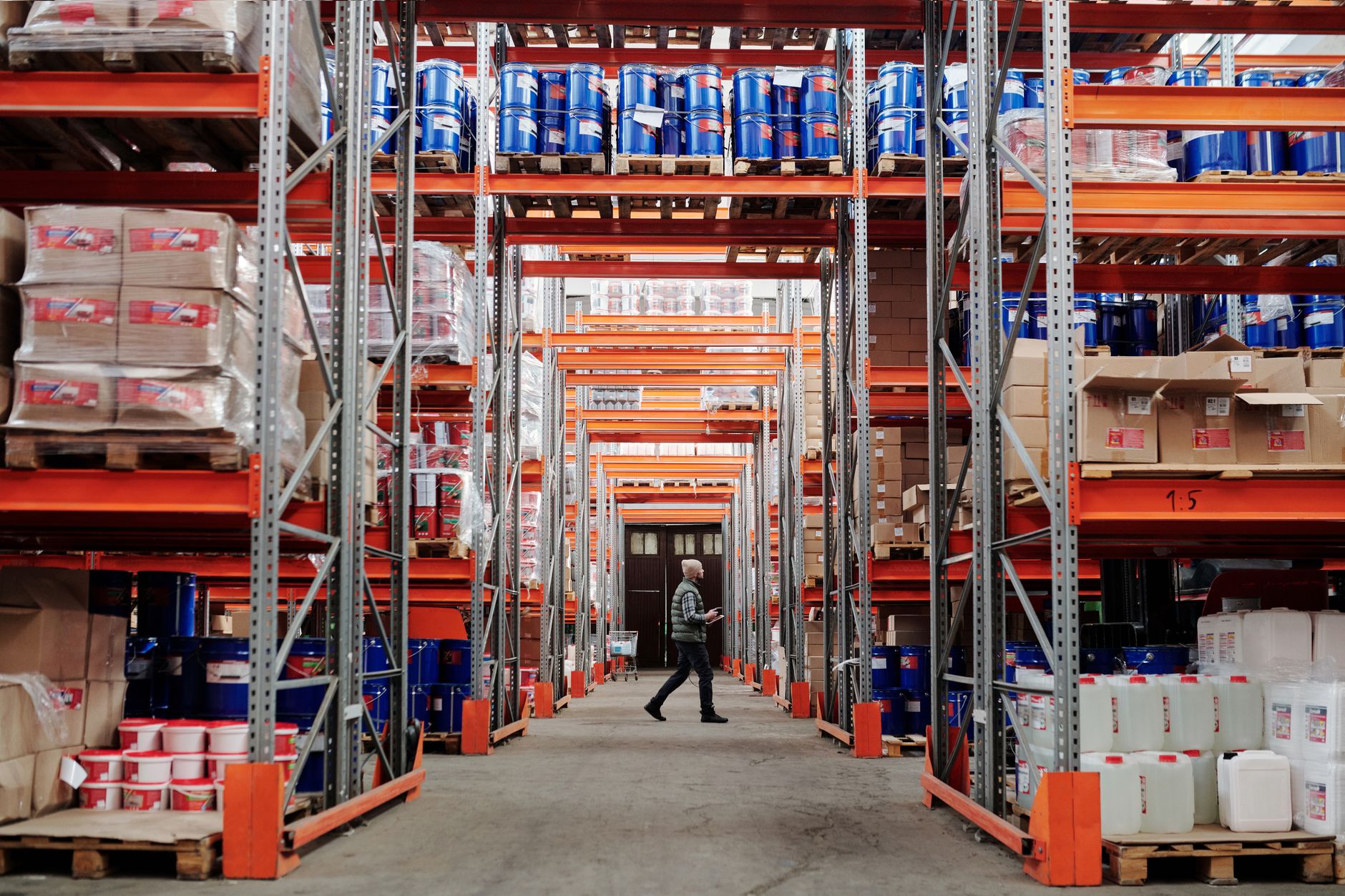
This isn't a failure of automation but a planned part of its success. The operator acts as a remote guide, using real-time video, audio, and sensor data to navigate a challenge before handing control back to the robot's autonomous systems. This blend of machine efficiency with human judgment ensures that a robot fleet can handle the complexities of the real world, from a crowded hotel lobby to a dynamic warehouse floor.
The goal is to maximize robot uptime and effectiveness. A robot that stops every time it faces an unfamiliar obstacle is not a productive asset. By having a human on standby to provide rapid, remote assistance, businesses can ensure their automation investment delivers consistent results without requiring on-site staff to constantly supervise the machines.
How Autonomous Are Commercial Robots Really?
Commercial robots are remarkably autonomous, capable of mapping their environments, planning paths, and performing their core tasks for hundreds or thousands of hours without direct oversight. They excel at repetitive, predictable work, such as scrubbing long corridors or delivering items to designated drop-off points.
However, 100% autonomy in dynamic, human-centric environments is not yet a practical reality. These settings are filled with 'edge cases'-unpredictable events that fall outside a robot’s programming and training data. Humans, in contrast, excel at applying context, judgment, and creative problem-solving to new situations.
The human-in-the-loop model bridges this gap. It's not about constant control; it's about providing a safety net for the small percentage of time when a robot's confidence level drops below a certain threshold. A remote supervisor overseeing a fleet of robots can resolve these exceptions in seconds, maintaining fleet productivity and preventing minor issues from causing major delays.

When Does a Remote Operator Need to Intervene?
An operator's intervention, often called teleoperation, is triggered by specific events where the robot's autonomous systems are not equipped to make a reliable decision. These are not typically hardware failures, but rather environmental or social complexities.
Common intervention scenarios include:
These events are often called 'exceptions.' The robot flags the situation it cannot resolve and calls for human assistance, ensuring it remains a productive asset rather than becoming an obstacle itself.
- Complex Navigation: A newly placed promotional display in a retail aisle, a cluster of luggage temporarily blocking a hotel hallway, or ambiguous reflections on a highly polished floor can confuse a robot's sensors. An operator can remotely steer the machine around the obstacle.
- Ambiguous Social Cues: A group of people blocking a corridor might be waiting for an elevator or having a conversation. A robot may not know whether to wait or try to pass. A remote operator can assess the social context and make an appropriate decision.
- Direct Human Interaction: A hotel guest might try to ask a delivery robot a question. An operator can respond using pre-scripted audio messages or even live two-way audio to provide assistance, such as directing the guest to the concierge.
- Environmental Anomalies: An open elevator door that should be closed, a security gate that has failed to open, or an unexpected spill can create situations a robot is not programmed to handle. A human can verify the situation and provide the correct command.
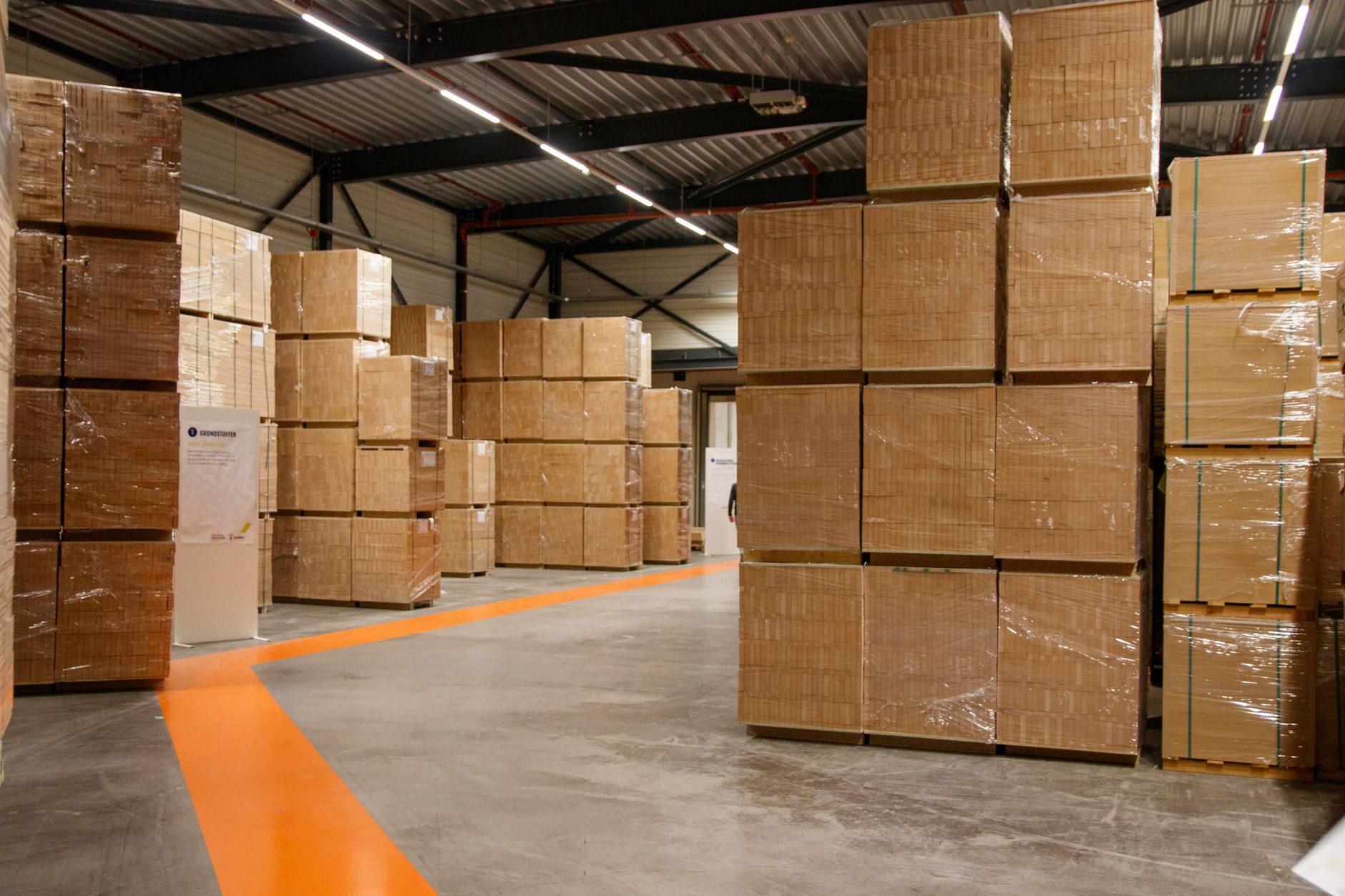
- Task-Specific Errors: A material handling robot in a warehouse might encounter a poorly stacked pallet. An operator can remotely assess if the pallet is safe to engage or if on-site staff needs to be alerted.
What Does a Remote Robot Operator's Job Entail?
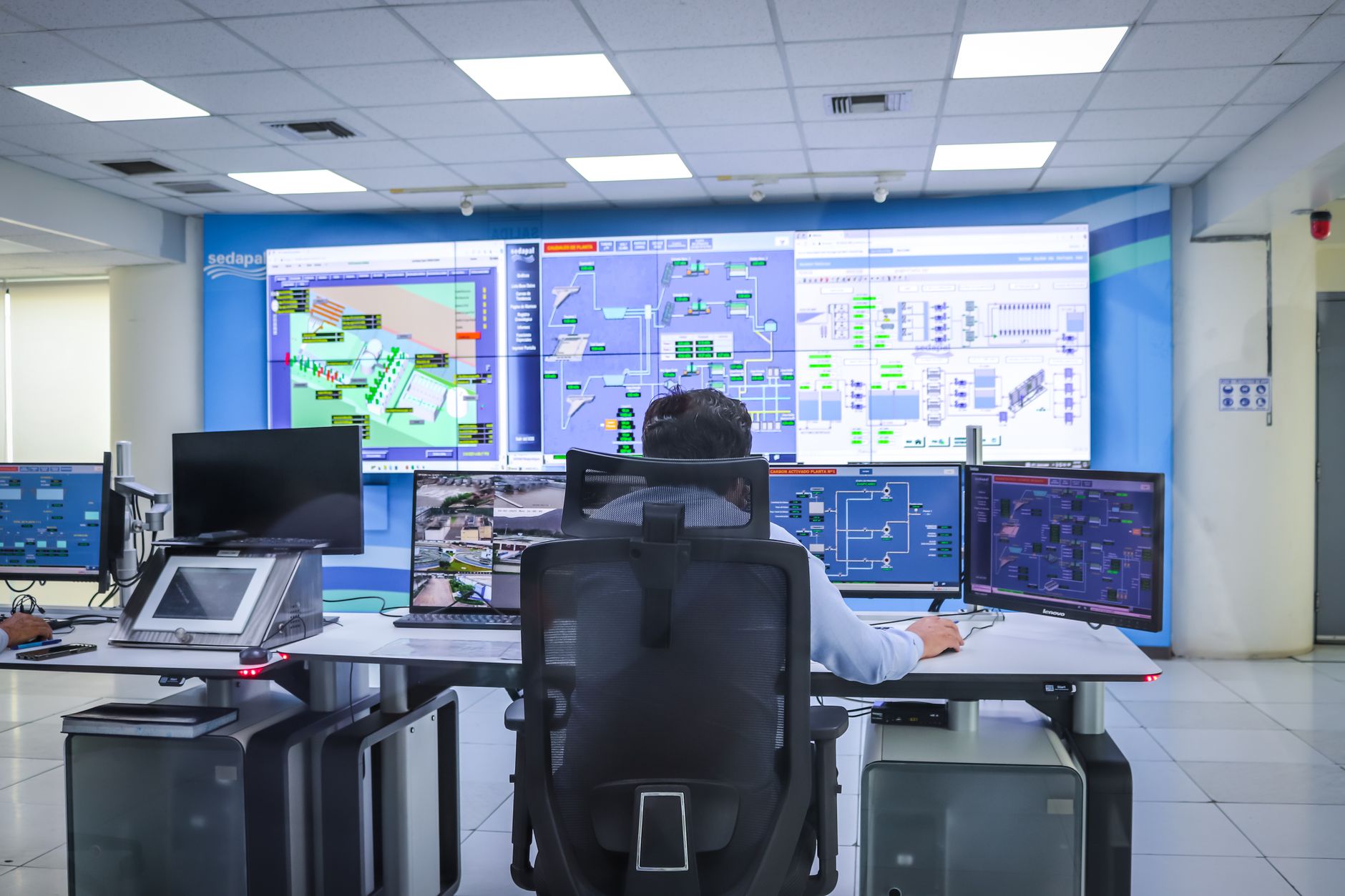
A remote robot operator is a trained professional who monitors a fleet of robots from a central command center. Their role is a mix of monitoring, problem-solving, and customer service, all performed through a specialized software interface.
The operator's workstation reconstructs the robot's environment using a combination of camera feeds, LiDAR point clouds, and other sensor data. This gives them the situational awareness needed to make informed decisions. When a robot requests help, the operator's primary duties are to:
They are the bridge between automated operations and the unpredictable real world. By handling exceptions efficiently, these operators ensure the robot fleet remains reliable and integrated smoothly into the human environment.
- Triage Alerts: Monitor incoming requests for assistance from multiple robots and prioritize them based on urgency.
- Assess the Situation: Use the robot's sensors to quickly understand why it has paused and determine the best course of action.
- Provide Remote Guidance: Take temporary control of the robot to navigate around an obstacle, enter or exit an elevator, or reposition for a task.
- Communicate When Necessary: Act as the robot's voice, using text-to-speech or live audio to interact with people near the robot.
- Document and Escalate: Log the type of intervention required, which provides valuable data for improving the robot's autonomous capabilities. If the issue is a hardware fault, they dispatch an on-site technician.
How Does an Integrator Provide This as a Service?
Acquiring a commercial robot is only the first step. Ensuring it operates effectively day after day requires a robust support infrastructure. This is where a full-service commercial robot integrator like Service Robot Co. provides critical value. We build human-in-the-loop support directly into our service packages, recognizing it as essential for success.
Rather than leaving your on-site team to deal with exceptions, our remote operations center handles it for you. This is a core component of our Robot as a Service (RaaS) monthly subscription model. When you partner with us, you are not just getting a machine; you are getting a complete operational system backed by our team.
As a vendor-neutral robot integrator, we select the best hardware for your specific needs, from autonomous floor scrubbers to hospital delivery robots. Then, we wrap that technology with our own human-powered support layer. This means you have one partner and one number to call for everything, from the initial site assessment and deployment to ongoing maintenance and remote operational support. It transforms the robot from a standalone product into a fully managed service.
What Are the Business Benefits of This Human Safety Net?
Integrating a human-in-the-loop framework is not just an operational detail; it delivers significant business advantages. It directly addresses the primary concern of automation: reliability. When robots can successfully navigate 99% of situations on their own and have a human to help with the last 1%, their overall effectiveness skyrockets.
The most direct benefit is increased uptime and productivity. A robot that is remotely assisted through an obstacle in 30 seconds is back to work almost immediately. One that sits idle until a local employee notices it could be down for hours. This reliability is key to achieving the desired return on investment, whether you are automating overnight cleaning or material handling.
Furthermore, this approach improves safety and the human experience. Remote operators can make nuanced decisions that ensure the robot behaves in a socially acceptable and safe manner around employees and guests. This smooth interaction builds trust and acceptance, which are crucial for the long-term success of any robotics program. Ultimately, it makes automation a dependable resource rather than an unpredictable gadget.