Key takeaways
- Overnight floor robots fit the hard surfaces around indoor golf bays, the lounge and the bar.
- Hitting mats need a written check with the mat maker before any scrubber runs over them.
- Keep the charging spot off every route and clear of exits and guest queues.
- Run a pre-open check each morning, because a route log proves coverage, not cleanliness.
Can an overnight floor robot cover an indoor golf venue?
Yes, for most of the floor. An overnight floor robot can sweep and scrub the hard surfaces around the bays, the lounge and the bar on a fixed route, which is work a closing crew would otherwise hand to a morning opener. The turf inside the bays needs a separate answer, and that is where most venues should slow down and test first.
Indoor golf venues often run late, and many have no overnight cleaning crew at all. Sticky drink spills and tracked-in dust sit until morning, and turf mats show every mark. A zoned routine, a clear charging spot and a short pre-open check turn that gap into a repeatable job.
For a course that also runs an indoor simulator side, the building needs its own floor routine, separate from the outdoor turf work. The clubhouse, bays and lounge are one floor problem with several surfaces.
What makes the floor look bad by morning?
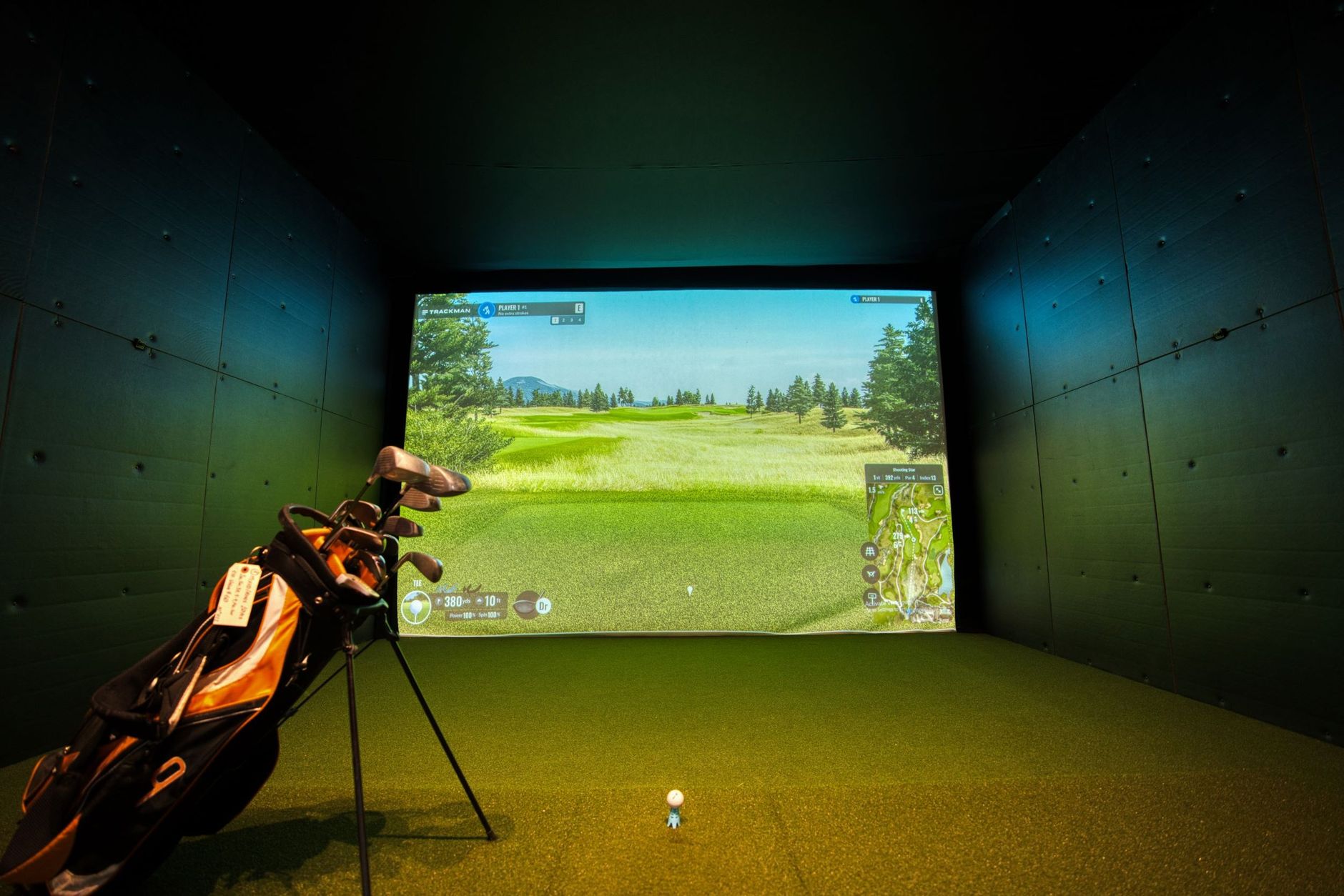
Simulator floors are often built as a foam or interlocking base with turf laid over it, and a hitting strip set into a cutout, according to a simulator flooring discussion on a hobbyist forum. That layering matters. Liquid that reaches a seam or a mat edge can be harder to see and harder to reach than a spill on open concrete.
We found no published data on residue under turf or on the base layer, and no spill-specific guidance from a mat manufacturer. Treat the first few weeks as a test period, and log what the morning check finds.
How should the venue be zoned for a robot routine?
Split the venue into zones the robot can run in order, and keep each route simple. Bay rows are the largest job, but they come with mats. Lounge and bar zones carry the sticky spills, and entry floors take the tracked-in grit.
- Hard-floor aisles between bay rows, cleared of loose items before the run
- Lounge seating edges and the transitions where crumbs collect
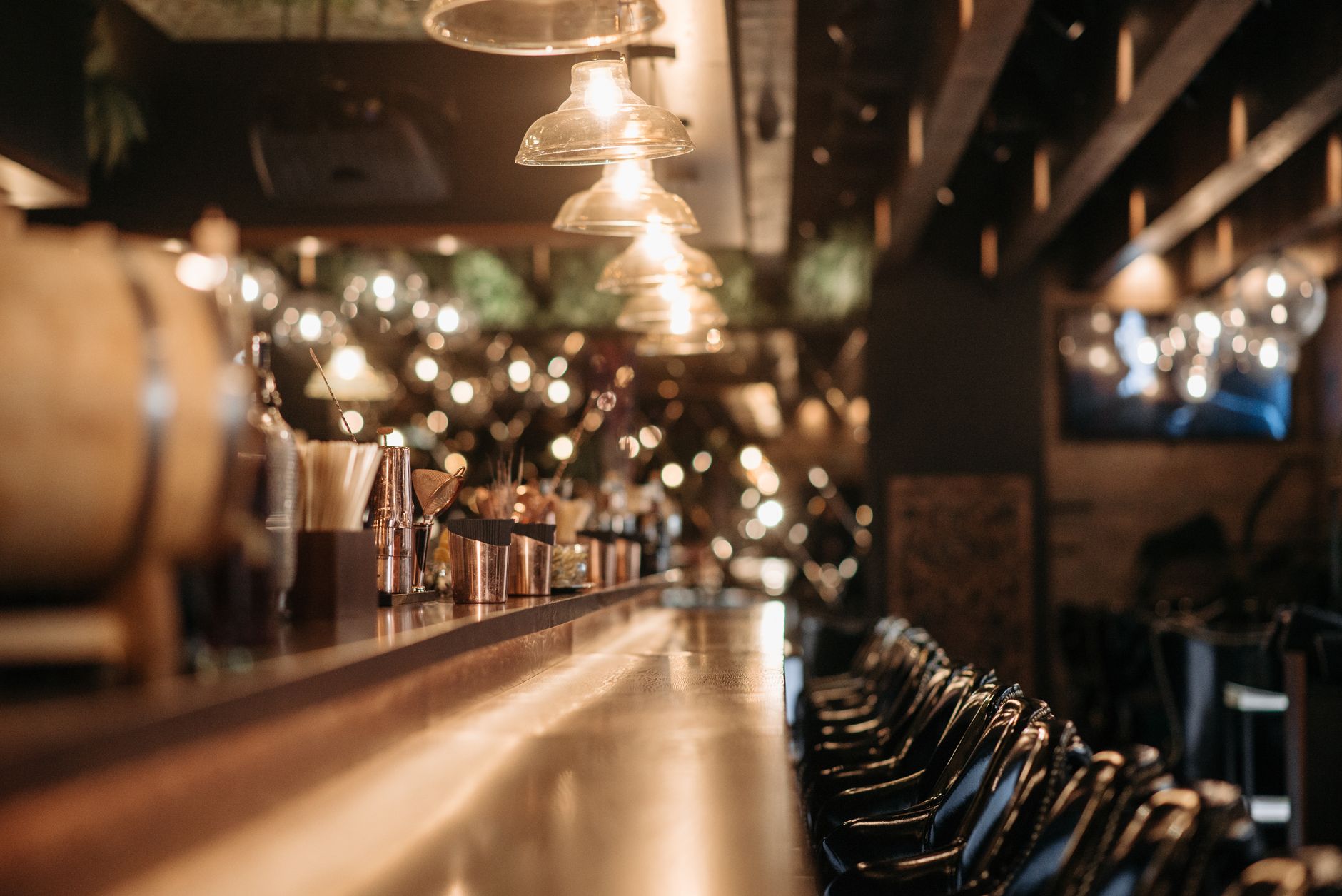
- Bar floor and service aisle, run after the last drink is poured
- Entry vestibule and the hard-floor corridor to restrooms, with restroom floors still checked by a person
- Charging zone, kept out of every route
Where should the charging spot go?
Put the charging spot on a hard floor at the end of a route, out of the path of exits, bay doors and any spot where guests queue for a booking. Keep cords and loose mat edges away from the dock so the robot can return without a detour.
Test the return run at night, under the lights the venue actually uses. A dock that behaves well in a daytime test may not behave the same way in a dim lounge.
What does indoor turf cleaning guidance say?
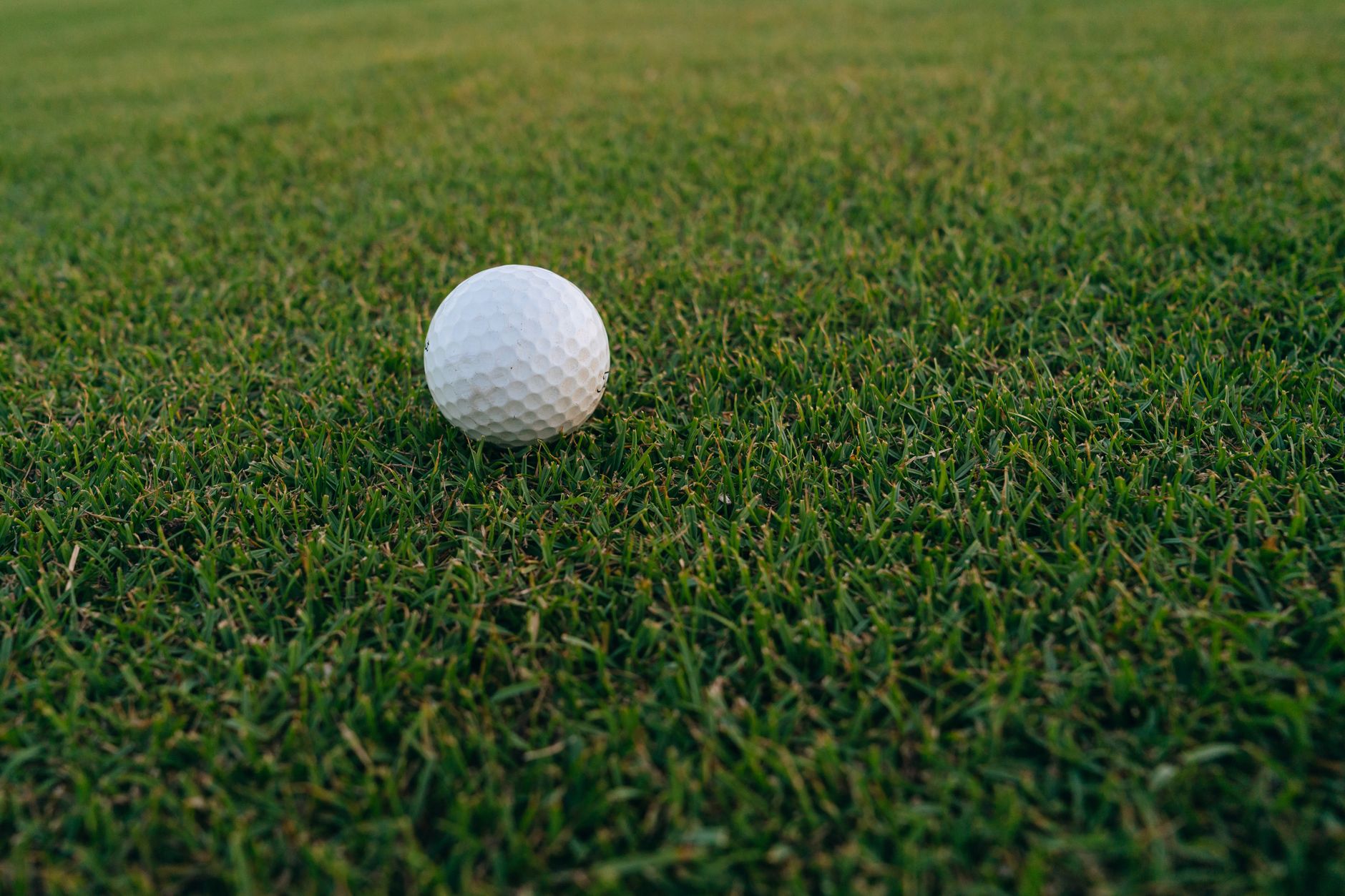
Indoor turf guides published online advise treating a stain within 24 hours for the best result. One suggests a mild soap and water solution for sticky spots, a gentle scrub and a thorough rinse. A turf maker's advice also warns that stains can still appear after a spill has been cleaned.
Another guide notes that most hitting mats sit directly on a hard or low-pile surface, and that any rug should go around the perimeter, not underneath. That is a layout decision you can make before a robot ever runs. We found no manufacturer spill-removal instructions for hitting mats, so ask the mat supplier in writing before a scrubber passes over one.
What have overnight floor robot pilots reported?
As of November 2026, Upstate University Hospital described a March 2026 pilot of an Avidbots Kas autonomous scrubber for overnight environmental services, where staff start pre-programmed routes and move on. The reported average coverage is about 5,656 square feet per hour. The announcement reported no return-on-investment figures.
Marsden, in its own case study of a 500,000 square foot facility, reports a 10% drop in trip-and-fall incidents and a 30% cut in water use after deploying floor-care robots. Those are vendor-reported figures we could not independently check. A hospital and a large facility are not a golf venue, so read these as direction, not as a forecast for your bays.
What should the pre-open check cover?
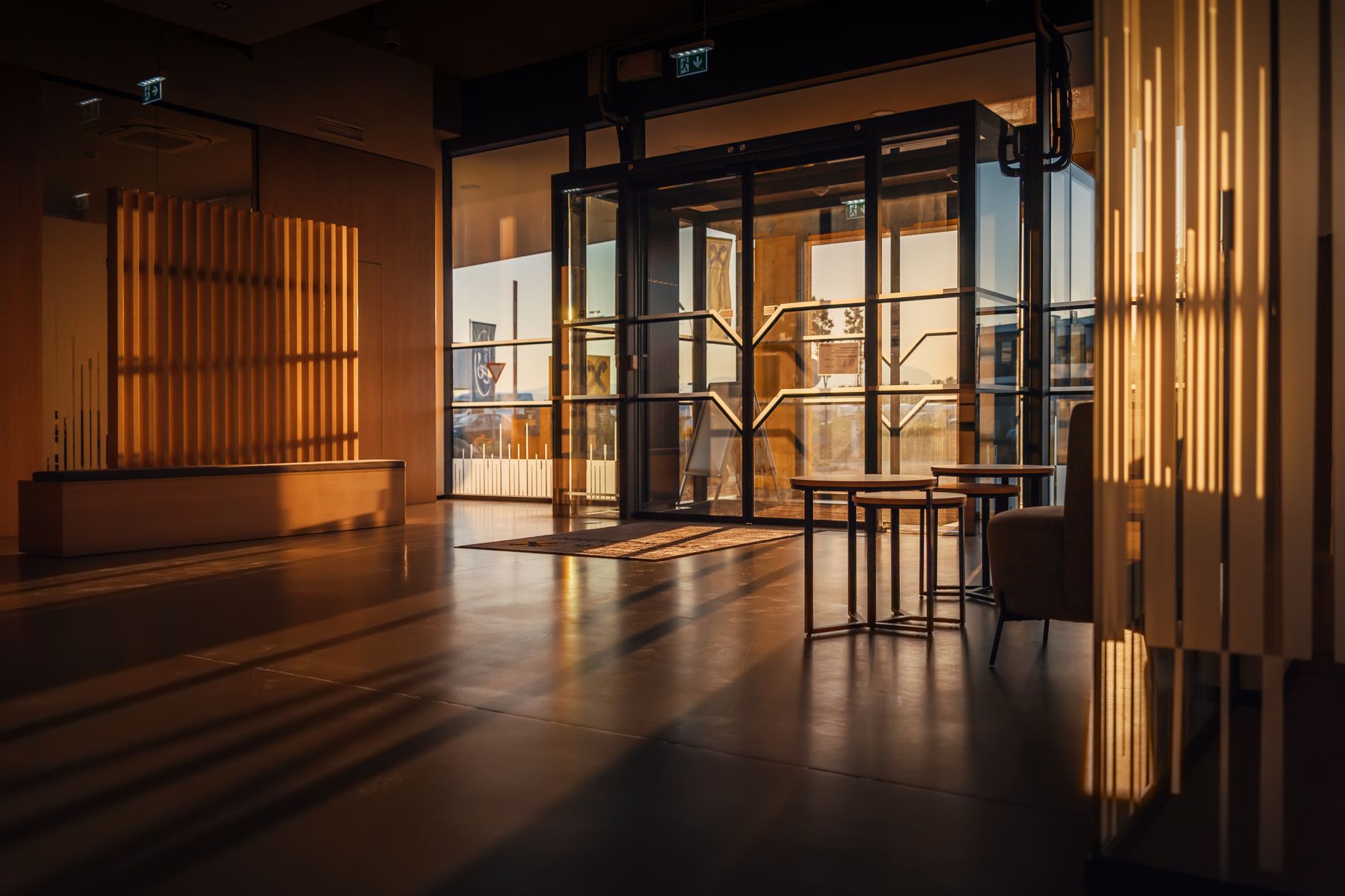
An overnight run only proves that the route ran. The pre-open check proves the floor is ready for a guest, so walk it the way a guest would, starting at the entry and ending at the bays.
- Mats back in position, with edges flat and no curled corners
- Route log reviewed for skipped zones, blocked stops or repeated faults
- Charging dock reporting a full charge and clear of cords
- Sensor faces and wheels wiped, with debris removed from the front bumper
- Bar and lounge spot-checked for sticky patches the route missed
- Restroom and entry floors signed off by a staff member
Where does Service Robot Co. fit in?
Service Robot Co. leases commercial robots through financing on a 3-year lease, with one fixed lease quote made after a site assessment. For an indoor golf venue, that assessment maps the bays, lounge, bar and charging spot before any robot is chosen.
We are OEM-neutral, so the floor robot is picked for the venue layout, not for one brand. We deploy, integrate and train staff, then service each unit under RoboCare™, backed by regional service engineers. One vendor across the lifecycle replaces several vendors handling each stage. A sensible path is one leased unit on the bay zone, a few weeks of route logs, and then expansion if the results hold.
Frequently asked questions
Want a robot working for you?
Tell us the job and the site. We will recommend the robot, quote the lease, and keep it serviced.