Key takeaways
- Robots excel at repeatable photos of gauge faces, valve positions, corrosion, and standing water before the certified tester arrives.
- Annual backflow assembly tests must still be performed by a state-certified tester using a calibrated differential gauge per local water authority rules.
- Dispersed mechanical rooms on campuses benefit when one route library covers every vault, cage, and riser closet with the same asset tags.
- Pair robot rounds with your compliance calendar so failed pre-checks get cleared before the official test window closes.
- Vendor-neutral integrators map tight rooms, lighting, and Wi-Fi so inspection robots stay useful without locking you to one hardware line.
What can robots add before the certified backflow test?
Property teams still own the legal test. A mobile inspection robot adds a documented walk through each backflow room on a fixed schedule, capturing gauge faces, relief port condition, valve handle positions, and any standing water on the floor before a certified tester opens the kit.
According to guidance summarized by Los Angeles County Public Works, customers must have approved assemblies tested on an annual basis by a certified tester and submit completed test forms to the water authority. Robot rounds do not replace that visit. They shrink surprises on test day when a cage was blocked, a gauge was unreadable from glare, or corrosion appeared since the last walk.
Think of the robot as mechanical-room eyes between official tests. It returns timestamped images tied to asset IDs you already use in your CMMS, so facilities staff triage housekeeping, access, and minor repairs without sending a human into every vault each week.
Inspection robot rental on a month to month plan with maintenance included is a practical way to prove route quality on one building before you commit capital across a portfolio. Service Robot Co. stays vendor neutral, so the platform fits narrow closets and damp floors rather than forcing a single catalog form factor.
What belongs in a backflow room pre-check route?
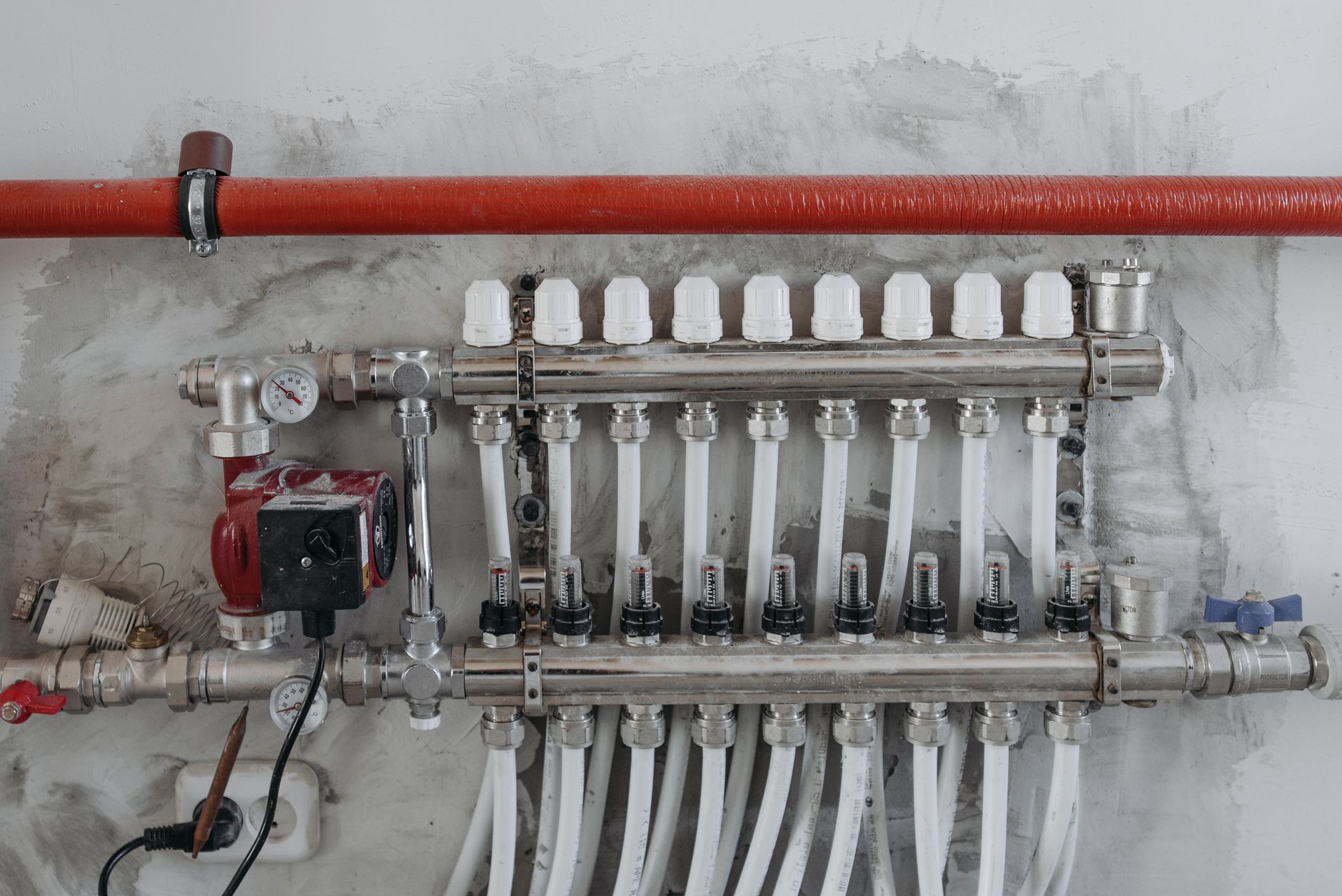
Start at the assembly itself. Wide shots show whether test cocks, shutoff valves, and relief valves are reachable. Tighter shots document gauge dial readability and any weeping at the relief port that might fail a differential test later.
Pan the floor and sump. Backflow closets and exterior vaults often hide slow leaks that only show as mineral staining or damp concrete. A robot camera flags those patterns early, when a mop and a parts order beat an emergency plumber call.
Capture the room context. Is a storage cart parked against the cage? Did a facilities team stack boxes in front of the test form posted on the wall? Those photos help security and housekeeping enforce clear access rules before the certified tester bills a return trip.
- Gauge face and serial plate legibility
- Relief discharge path and drain condition
- Shutoff valve position and lock hardware
- Standing water, rust, and efflorescence on walls
- Posted test due dates and last report copy on site
How do utility rules define the certified test you cannot automate?
New York City Department of Environmental Protection states that after initial installation, owners must have backflow prevention devices tested every 12 months by a certified tester, with failure risking fines or water disconnection. The annual test uses approved differential procedures and signed forms, not a photo set alone.
California programs referenced by county water districts align with state cross-connection rules that require routine testing by certified personnel. Gauge calibration within the last 12 months is commonly requested before utilities accept results, as noted in industry compliance guides for property managers.
Robots never pressurize lines or open test cocks. They do not satisfy competency requirements for assembly testers. Keep the certified visit on the calendar and use robot output only as evidence that the room was ready when the tester arrived.
Where do dispersed campuses feel the pain first?
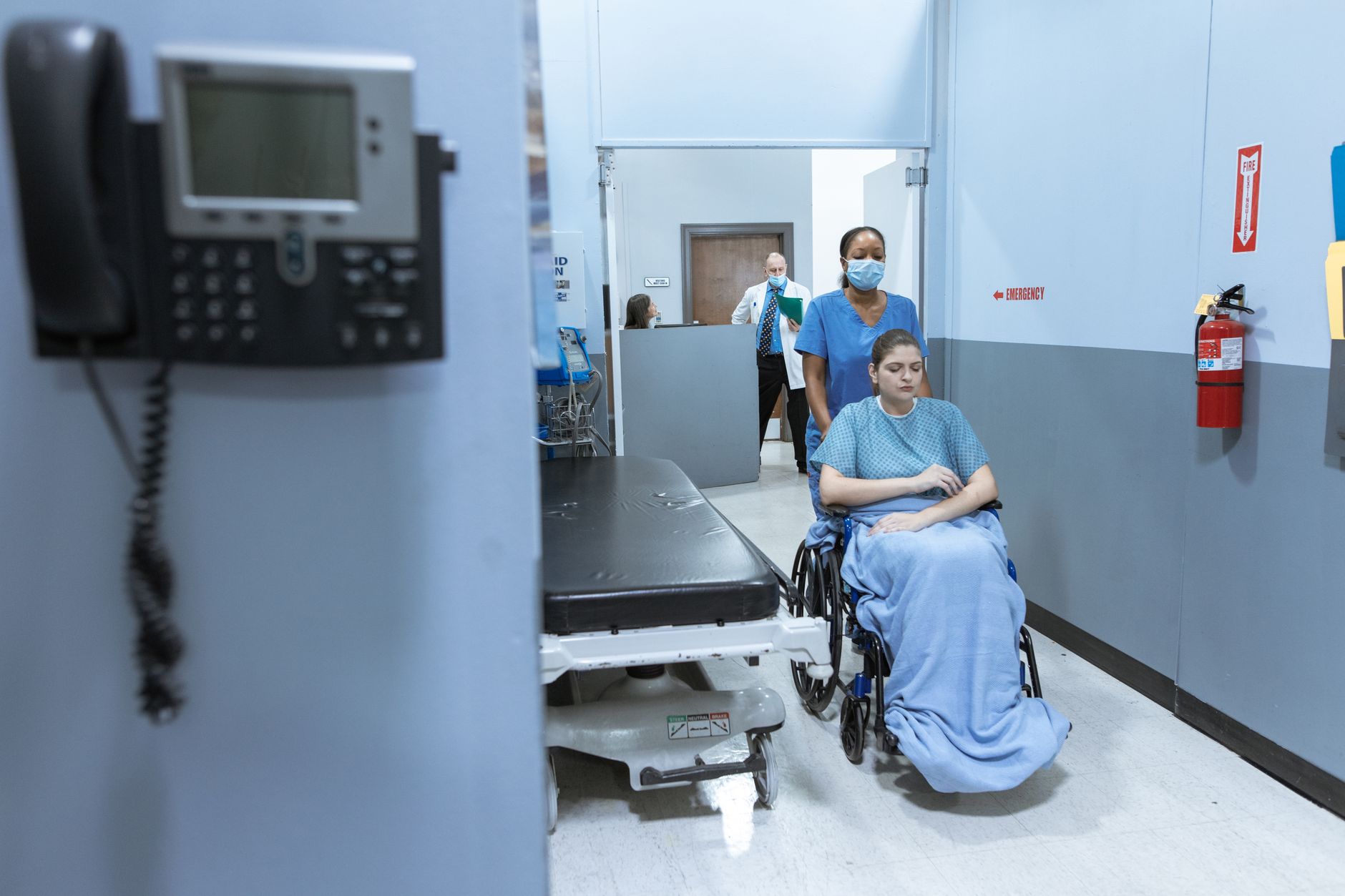
Shopping centers, hospital campuses, and school districts scatter backflow assemblies across parking structures, irrigation vaults, and fire service risers. A technician driving between sites loses half a day just confirming which closets were unlocked.
A mapped robot route per building wing turns that drive time into a dashboard review. When three of forty rooms show blocked access in the same week, you fix scheduling once instead of learning about it during the official test.
Multi-family portfolios with irrigation and fire line assemblies face the same sprawl. Robot rounds give regional managers a single packet per property before they forward the certified tester gate codes and keys.
Irrigation season adds another wrinkle. Controllers energize lines while landscapers open vault lids across the site. A weekly robot pass during that window catches open lids, debris in pits, and hose piles that would block a tester kneeling at the assembly.
Fire line closets sit behind alarm panels and spare sprinkler heads. Photos that show clearance around the assembly help your fire protection vendor and your water tester on the same visit instead of two truck rolls for the same closet.
What sensors and lighting work in small mechanical rooms?
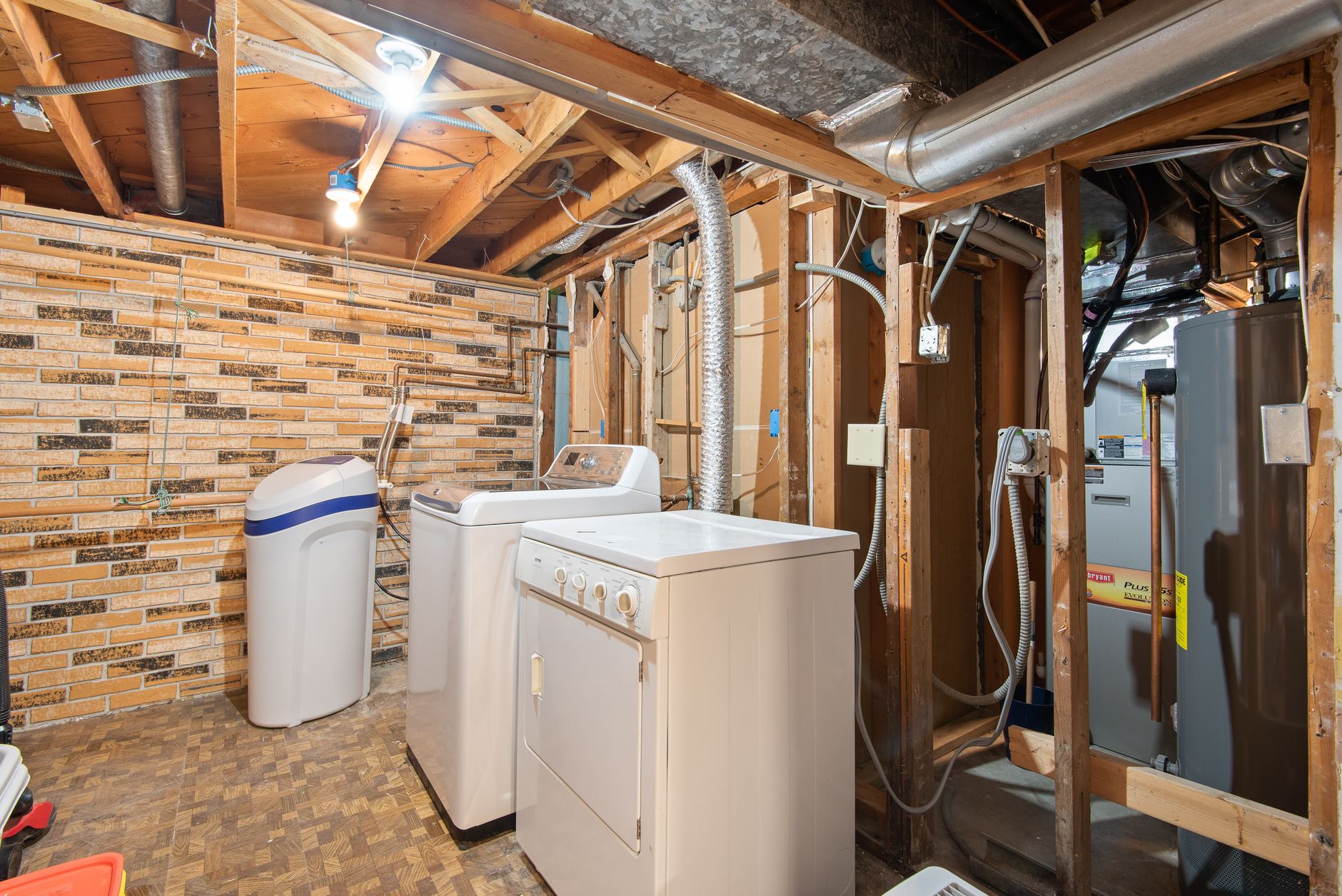
Ceiling heights are low and walls are concrete. Mount supplemental LED on the robot mast so gauge faces are not blown out by a single forward headlamp. Wide dynamic range cameras help when a bare bulb sits directly above polished brass.
Fixed cameras miss corners behind pipes. A small mobile platform can creep along a wall line and look back at the assembly from two angles, which matters when you need to see if a relief valve discharge pipe is still tied into the floor drain.
Avoid wheels that slip on condensate. Rubber compounds rated for wet concrete and gentle thresholds keep the unit from stalling in a chilled water pump room where HVAC sweat is normal.
How should evidence tie into compliance records?
Export each round as a PDF bundle: asset tag, GPS or floor plan coordinate, image set, and technician notes if a human followed up. Store it beside the last certified test form the water authority already has on file.
When a utility mails its annual notice, attach the latest robot packet to the work order you send the certified tester. They arrive knowing which rooms failed pre-check last month and which valves were tagged out for other work.
Retention should match how long you keep other water safety records. If your policy keeps cross-connection files for the life of the asset, mirror that horizon for robot media or follow counsel guidance for your state.
Tag each image with the utility account number and assembly location description your tester already uses on paper forms. That small discipline keeps auditors from sorting through mismatched filenames when they ask for proof you maintained access all year.
How do you train staff on exceptions the robot flags?
Give housekeeping a one-page photo guide of acceptable clearance around cages. When the robot marks a blocked valve, the ticket should include the wide shot so the crew sees exactly which cart or mop bucket caused the fail.
Security should know robot rounds are not patrol replacements. They still respond to alarms. They simply receive fewer calls about propped mechanical room doors when photos show the door status after each pass.
Teach operators to pause routes when construction fences move. A temporary wall can shrink a corridor below the robot width even though the route worked last month. Re-map after major tenant improvements, not only after annual tester visits.
When is a robot a poor fit for backflow rooms?
Single-assembly sites with a tester on retainer may not justify a robot program if a monthly human walk takes ten minutes total.
Exterior vaults with ladder access only may still need a human for confined-space policy even when a crawler could technically descend.
If your inventory spreadsheet lists assemblies that were removed years ago, fix the register before you automate. Robots amplify a stale map fast.
How can Service Robot Co. help pilot inspection rounds?
Service Robot Co. is a vendor-neutral integrator. We match mobile inspection platforms to your door widths, vault lids, and network layout, then finance, deploy, and service them through a nationwide engineer network.
Month to month inspection robot rental with maintenance included lets you trial one campus building before you standardize routes across a portfolio. We map charging in electrical closets, train local staff on exception handling, and keep spare units available when a stairwell route takes a unit offline for service.
Start with the ten highest-risk rooms, run two manual baselines, then two robot-assisted rounds. Compare photo completeness and access findings before you scale to irrigation vaults and fire line closets.