Key takeaways
- Boiler rooms and steam tunnels are strong candidates for inspection robot rental because they combine routine rounds with heat, noise, moisture, and permit-space risk.
- OSHA and NIOSH data make the safety case plain. Confined spaces can become permit-required spaces, and rescue attempts account for a significant share of fatalities.
- The best early robot jobs are repeatable checks such as leak detection, thermal imaging, gauge reads, valve-area visuals, and after-hours exception reporting.
- A vendor neutral robot integrator matters here because these sites need more than hardware. They need mapping, connectivity, safety procedures, service, and a clear human escalation path.
Where do robots actually help in boiler rooms and steam tunnels?
Yes. Inspection robots can reduce a meaningful share of routine human walkthroughs in boiler rooms, service corridors, and campus steam tunnels, especially when the job is repetitive, exposure-prone, and information-heavy rather than wrench-heavy. In these environments, the value is not theatrical autonomy. It is fewer unnecessary entries, earlier detection of abnormal conditions, and better documentation when conditions change between rounds.
That matters because these spaces are both common and unforgiving. According to the U.S. Energy Information Administration's 2018 Commercial Buildings Energy Consumption Survey, about 703,000 U.S. commercial buildings use boilers. According to OSHA, tunnels, vaults, and similar spaces may qualify as confined spaces, and in some cases as permit-required confined spaces. A robot cannot erase those rules, but it can keep people out until there is a real reason to go in.
The practical use case is simple. Let robots handle the boring first pass and the hazardous recheck. Let people handle judgment, lockout, repairs, and any task that truly requires a trained entrant.
Why are these spaces such a stubborn operations problem?
Boiler rooms and steam distribution corridors rarely fail in dramatic, movie-friendly ways. They fail in small, ugly increments. A fresh drip under insulation. A hot bearing. Condensate where it should not be. Water hammer noise that is easy to dismiss until it is not. The problem is that catching those signals requires consistency, and consistency is hard when rounds happen at 2 a.m., across multiple buildings, with thin staffing.
The staffing reality is real. The Bureau of Labor Statistics says there were 33,300 stationary engineers and boiler operators employed in the United States in 2024, with about 3,800 openings projected each year on average from 2024 through 2034. Those workers are concentrated in hospitals, educational services, government, and manufacturing, and many work nights and weekends. Facilities are asking a limited labor pool to cover physically dispersed infrastructure that cannot simply be ignored until daylight.
Steam networks also punish delay. A corridor that looks passable at noon can become a heat event, leak event, or visibility problem by evening. In that kind of setting, a robot as a service model or inspection robot rental program is not about replacing an engineer. It is about making sure the first look happens every time.
What work should a robot take first?
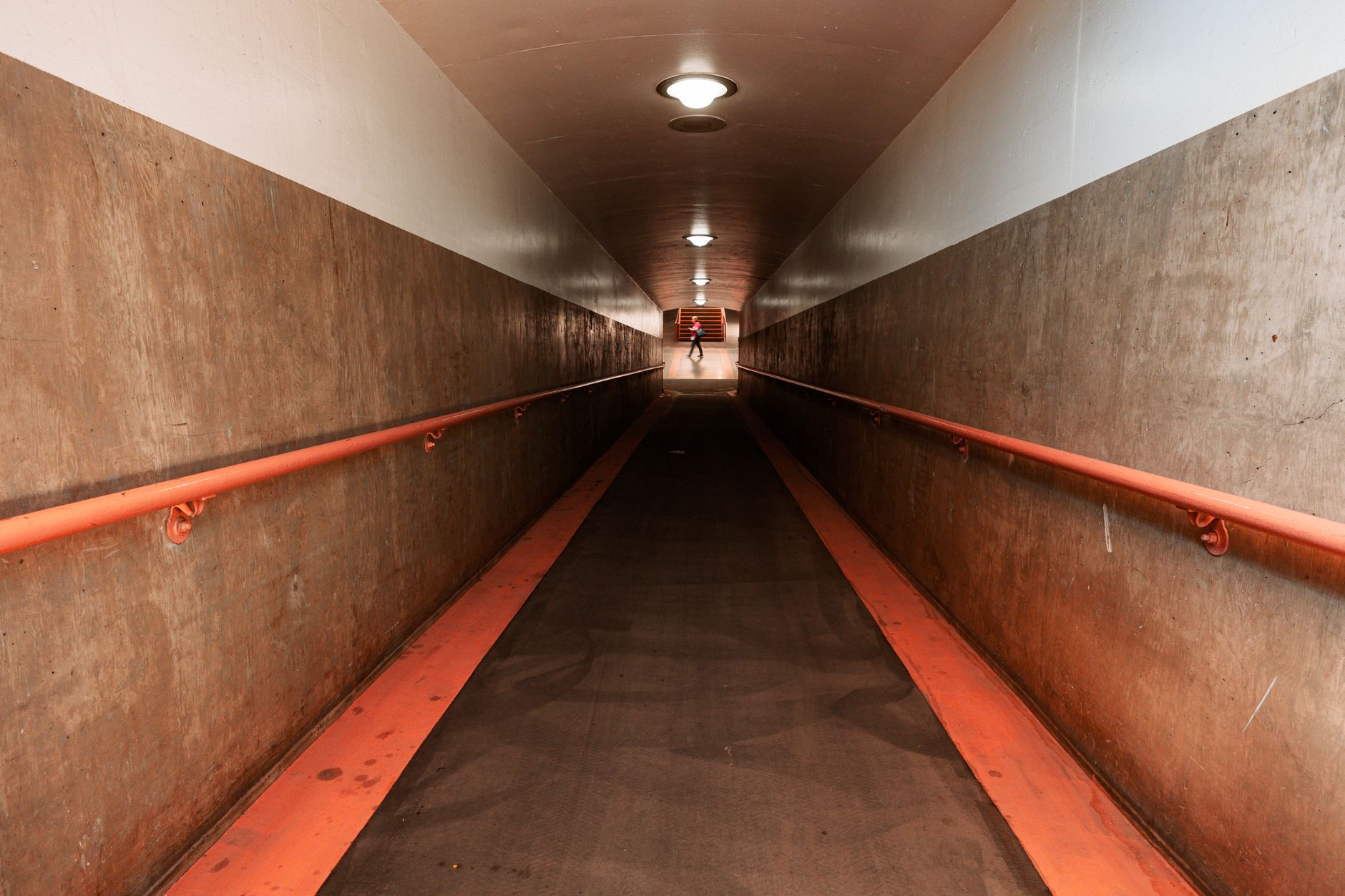
The right first deployment is narrow. Do not start by asking a mobile machine to handle every corner case in a utility plant. Start with rounds that are already standardized, already documented, and already frustratingly repetitive.
In practice, the strongest tasks are sensor-rich patrols in spaces with predictable paths and clear escalation rules. That is where an autonomous mobile robot rental program or a lease rental or sale decision can be grounded in real operating data instead of hope.
- Thermal imaging of valves, traps, pumps, exchangers, and pipe runs to flag abnormal heat signatures
- Visual checks for leaks, standing water, damaged insulation, corrosion, and blocked egress paths
- Audio capture for repeating anomalies such as water hammer, cavitation, or fan and motor changes
- Automated gauge and panel reads where lighting and sight lines are stable enough for machine vision
- Trend collection during off-shift hours so engineering teams review exceptions in the morning instead of walking the whole route again
- Post-maintenance verification rounds before staff re-enter deeper sections of a tunnel system
Where does autonomy stop and human entry still begin?
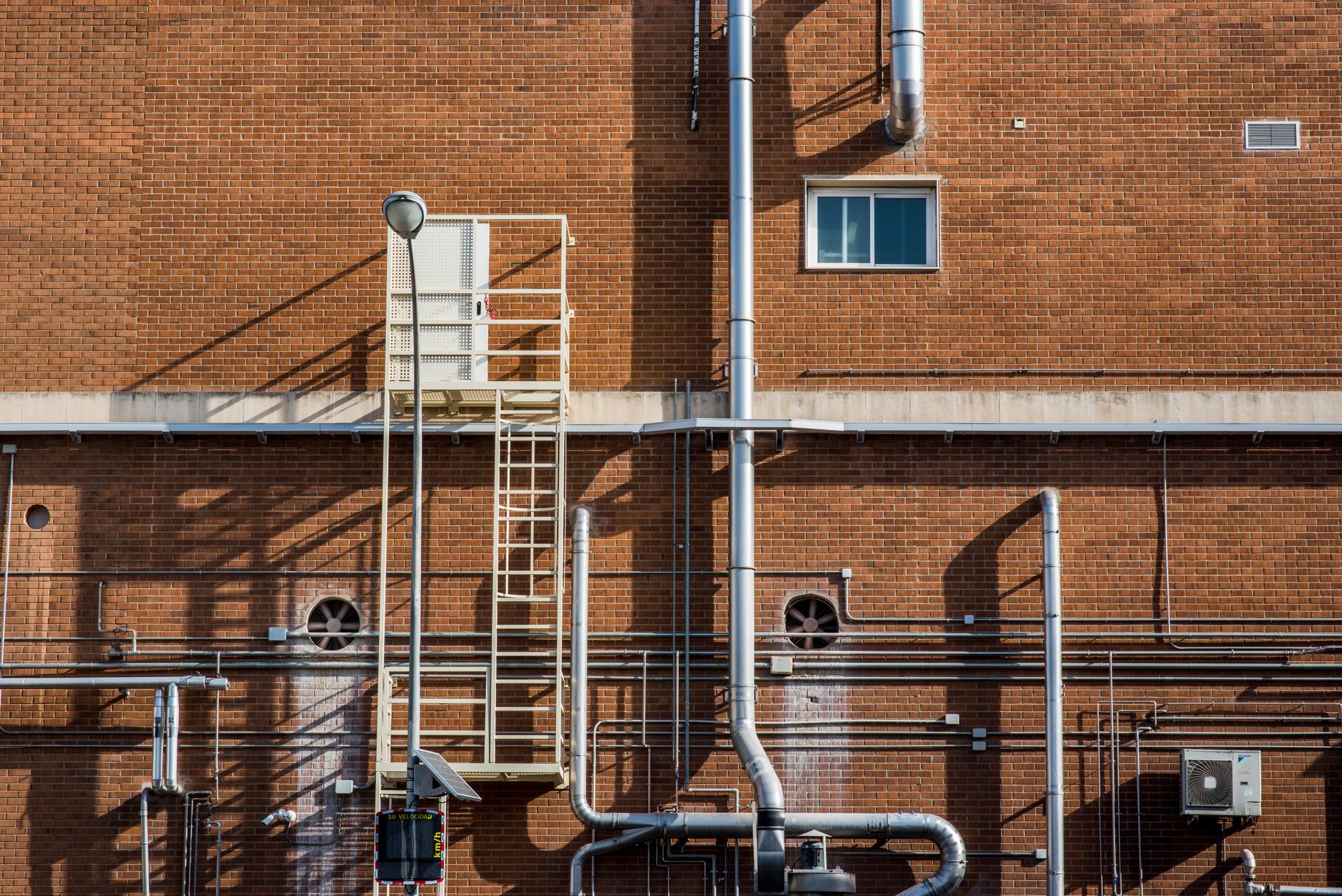
This is the part many articles skip. These sites are not a blank canvas for autonomy. They are cluttered, humid, hot, acoustically messy, and full of metal, grating, thresholds, condensate, and patchy wireless conditions. Some tunnels have drainage changes, low-clearance branches, and old doors that were never designed with robots in mind.
More importantly, safety law does not disappear because a facility bought a machine. OSHA's permit-required confined space standard still applies to human entry, and the facility still has to identify hazards, define acceptable entry conditions, and control rescue procedures. If a robot spots a leak, a blocked ladder, or a steam release, that does not make the next human step casual. It makes the human step better informed.
The clean operating model is this: robots inspect, humans decide. A robot can shorten the list of entries. It cannot authorize one.
What does the risk data say about using robots as the first set of eyes?
The safety case is stronger than many facility teams realize. NIOSH warned in its confined-space alert that more than 60 percent of confined-space fatalities occur among would-be rescuers. A later CDC-published analysis of 903 confined-space deaths from 1980 through 1988 found that about 25 percent of those who died were attempting rescue. That is the hidden tax of hazardous walkthroughs. One problem can rapidly become two or three victims.
OSHA incident records show how steam spaces can turn with almost no margin for error. In a November 1, 2010 tunnel incident on a university campus, OSHA reported that a valve event released 400 degree Fahrenheit water, and steam burned 11 employees. In a September 10, 2018 steam tunnel incident, OSHA recorded a fatality after an employee became engulfed in steam while the system was being energized. These are not arguments for removing people from maintenance. They are arguments for removing avoidable exposure from inspection.
That is why inspection robot rental belongs in the same conversation as remote triage, maintenance included service plans, and emergency response nationwide support. The robot is valuable partly because it feeds a safer decision tree before a person crosses the threshold.
Which facilities are the best fit?
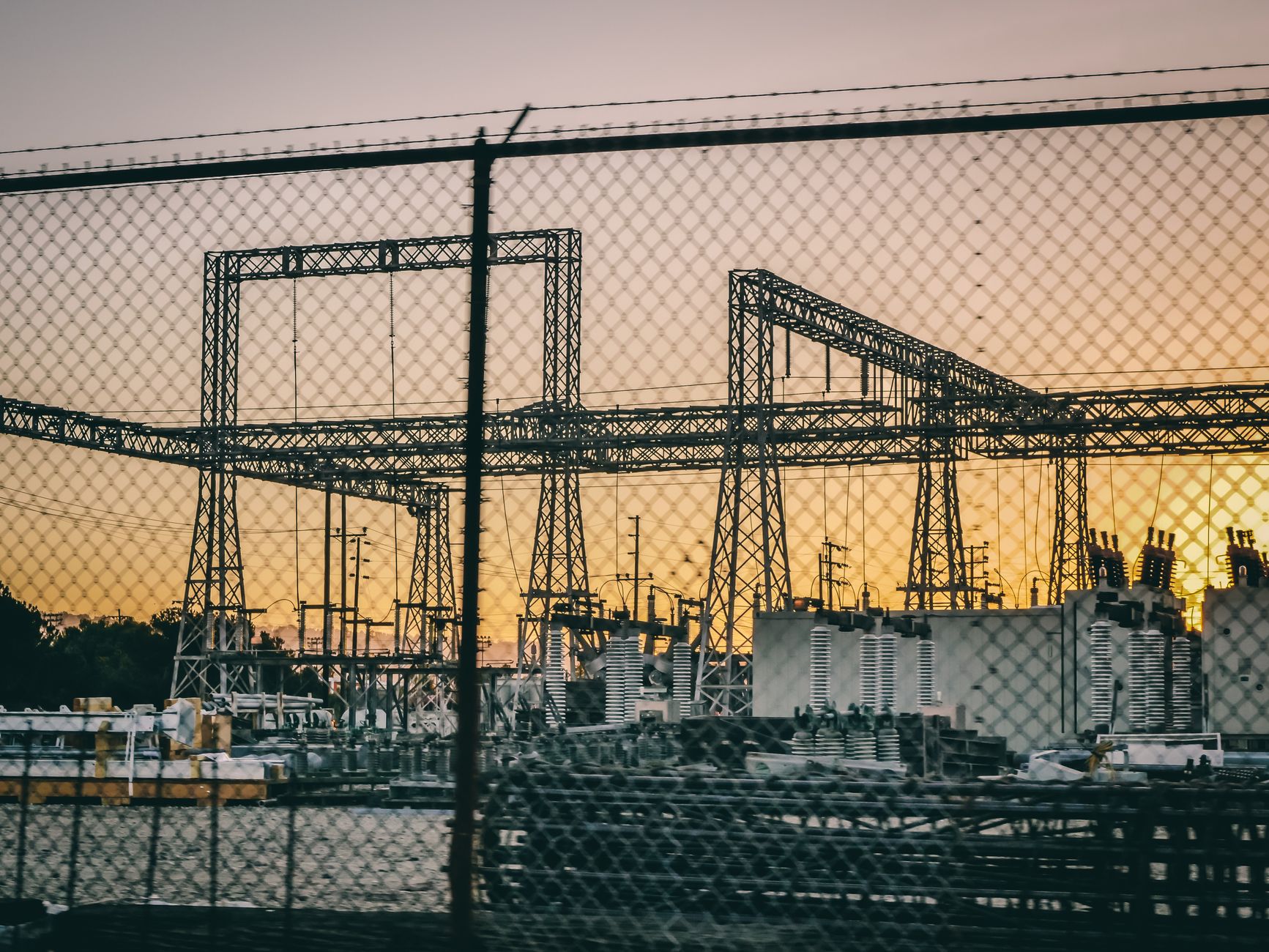
The best candidates are not necessarily the most futuristic facilities. They are the ones with long repetitive routes, aging steam distribution, after-hours coverage gaps, and compliance-sensitive operations. University campuses, hospital campuses, district energy plants, research complexes, and older downtown portfolios often fit this pattern better than a brand-new single-building office project.
The energy footprint supports that focus. EIA says education buildings accounted for 14 percent of U.S. commercial floorspace and 13 percent of major fuel consumption in the 2018 CBECS. Large campuses and institutional operators tend to have exactly the sort of utility back-of-house that generates routine rounds, hidden risk, and deferred visibility all at once.
If your team already has a standardized route sheet, recurring after-hours checks, leak history, or chronic callouts after weather swings, you are close to a deployable use case. Those are the conditions where a commercial robot demo or pilot program can produce measurable evidence quickly.
How should operators think about ROI in this niche?
The return is rarely just labor subtraction. It comes from avoided unnecessary entries, better off-shift coverage, faster detection of anomalies, cleaner maintenance records, and less time spent walking a route that produces no findings. In many facilities, the painful metric is not total labor cost. It is the cost of inconsistency and the consequence of finding out late.
That makes this a good fit for robot leasing for business, monthly payment programs, or other no upfront capital structures. A robot that covers a boiler room route every night and a tunnel branch every weekend creates a data stream managers can actually compare against callouts, work orders, and incident trends. If the route is valuable, expand it. If not, change the payload, route, or service level before you commit further.
This is also a place where cheap commercial robot rental can be a false economy. The facility is not buying a toy patrol. It is buying uptime, mapping, integration, training, remote support, and on-site dispatch when something goes wrong in a harsh mechanical environment.
Why does integration matter more here than in easier robot use cases?
Boiler rooms and steam tunnels punish half-finished deployments. The machine has to survive the environment, navigate the route, hand off alerts in a usable format, and fit the site's safety procedures. That means payload selection, connectivity checks, charging placement, route design, reporting, training, and service have to be treated as one operating package.
This is where Service Robot Co. fits naturally. We are an OEM-neutral, full-service commercial robot integrator for U.S. businesses. For customers exploring inspection robot rental, robot leasing for business, or a lease rental or sale path, we help choose the right platform across manufacturers, then finance, deploy, integrate, train, and service each unit through a nationwide U.S. engineer network.
That matters in a niche like this because the hard part is lifecycle ownership. One partner, one number, maintenance included, remote triage, and field support are often more important than the robot chassis itself.
What does a sensible first deployment look like?
Start with one route, one building cluster, and one narrow objective. A boiler plant perimeter round, a service corridor leak watch, or a steam tunnel branch with frequent after-hours checks is enough. Define the exception conditions in advance. What temperature delta matters. What kinds of moisture trigger a ticket. What route failures require a human response. Keep it disciplined.
Then test the operational plumbing around the robot, not just the robot. Who reviews overnight findings. Where images land. How alerts become work orders. What happens if wireless coverage drops. How the unit is recovered if a door is shut or a route is blocked. Boring details decide whether the program earns trust.
A good pilot should end with a simple answer. Did the system reduce avoidable walkthroughs, improve detection consistency, or surface issues earlier than the old process. If yes, expand. If no, adjust the route or stop. Boiler rooms and steam tunnels reward sober deployment more than grand ambition.
Frequently asked questions
Sources
- OSHA Confined Spaces Overview
- OSHA Permit-Required Confined Spaces Standard 1910.146
- BLS Stationary Engineers and Boiler Operators Outlook
- EIA 2018 CBECS Building Characteristics Table B1
- EIA 2018 CBECS Education Buildings
- NIOSH Confined Space Fatalities Alert
- OSHA 2010 Steam Tunnel Burn Incident
- OSHA 2018 Steam Tunnel Fatality Incident