Key takeaways
- Inspection robots make the most sense in breweries where assets are spread across tank farms, pipe bridges, utility corridors, and wet process rooms.
- They are strongest on repeatable visual rounds, thermal checks, leak detection, and pre-entry reconnaissance in places that are awkward, wet, elevated, or intermittently hazardous.
- The business case is usually not a giant automation program. It is fewer ladders, fewer confined-space entries, faster anomaly detection, and more consistent inspection coverage.
- Current brewery data supports the niche. The U.S. had 9,724 breweries in 2025, and many sites need practical asset coverage without building a heavy in-house robotics team.
- An OEM-neutral integrator matters when a brewery wants inspection robot rental, lease rental or sale, and nationwide service under one operating partner.
Do inspection robots belong in breweries outside the packaging hall?
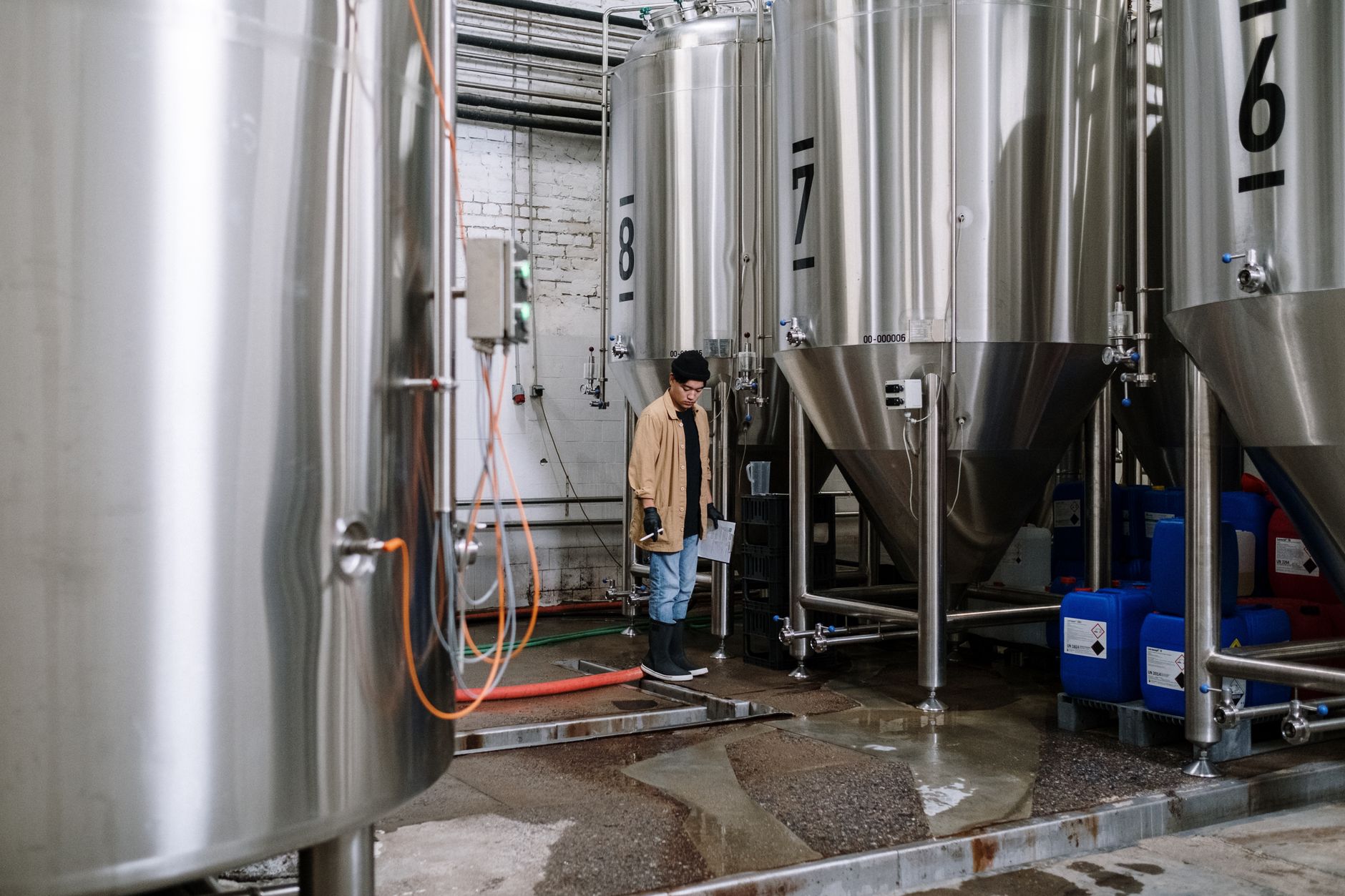
Yes. In many breweries, the better fit is not on the bottling or canning line at all. It is in the awkward spaces around production: elevated pipe racks, exterior tank farms, utility corridors, cellar perimeters, mezzanines, and washdown-heavy process zones where people still inspect by ladder, catwalk, flashlight, and clipboards.
That matters because breweries are mechanically distributed sites. The Brewers Association counted 9,724 total U.S. breweries in 2025, and 9,578 of them were craft breweries. In other words, this is a large installed base of plants, many of them too small for a full heavy-industry robotics program, but large enough to feel the drag of manual rounds, deferred checks, and hard-to-access assets.
For these facilities, inspection robots are usually a focused maintenance and safety tool. They do not replace brewers or maintenance technicians. They reduce the amount of climbing, re-entry, and low-value walking required to find the few issues that actually need skilled hands.
Why do brewery layouts create a good inspection niche?
Breweries rarely concentrate all risk in one room. Fermentation and bright tanks may sit in one cluster, glycol and refrigeration equipment in another, air compressors and boilers elsewhere, and pipe bridges or utility chases tying the whole plant together. The inspection burden follows that sprawl.
The Brewers Association's current production resource map reflects that spread. It breaks brewery operations into brewhouse, fermentation, cellaring, packaging, cleaning, sanitation, and related utility functions. Its water and wastewater guidance also underscores how much of brewery performance is driven by cleaning, water movement, and support systems rather than only by packaging throughput.
That is exactly where inspection robots earn their keep. A repeated route through damp corridors, around tank skirts, below overhead lines, or up to the edge of elevated assets produces usable evidence every shift or every day, without sending a technician on the same long walk just to confirm that nothing changed.
Which brewery zones are best suited to robotic inspection?
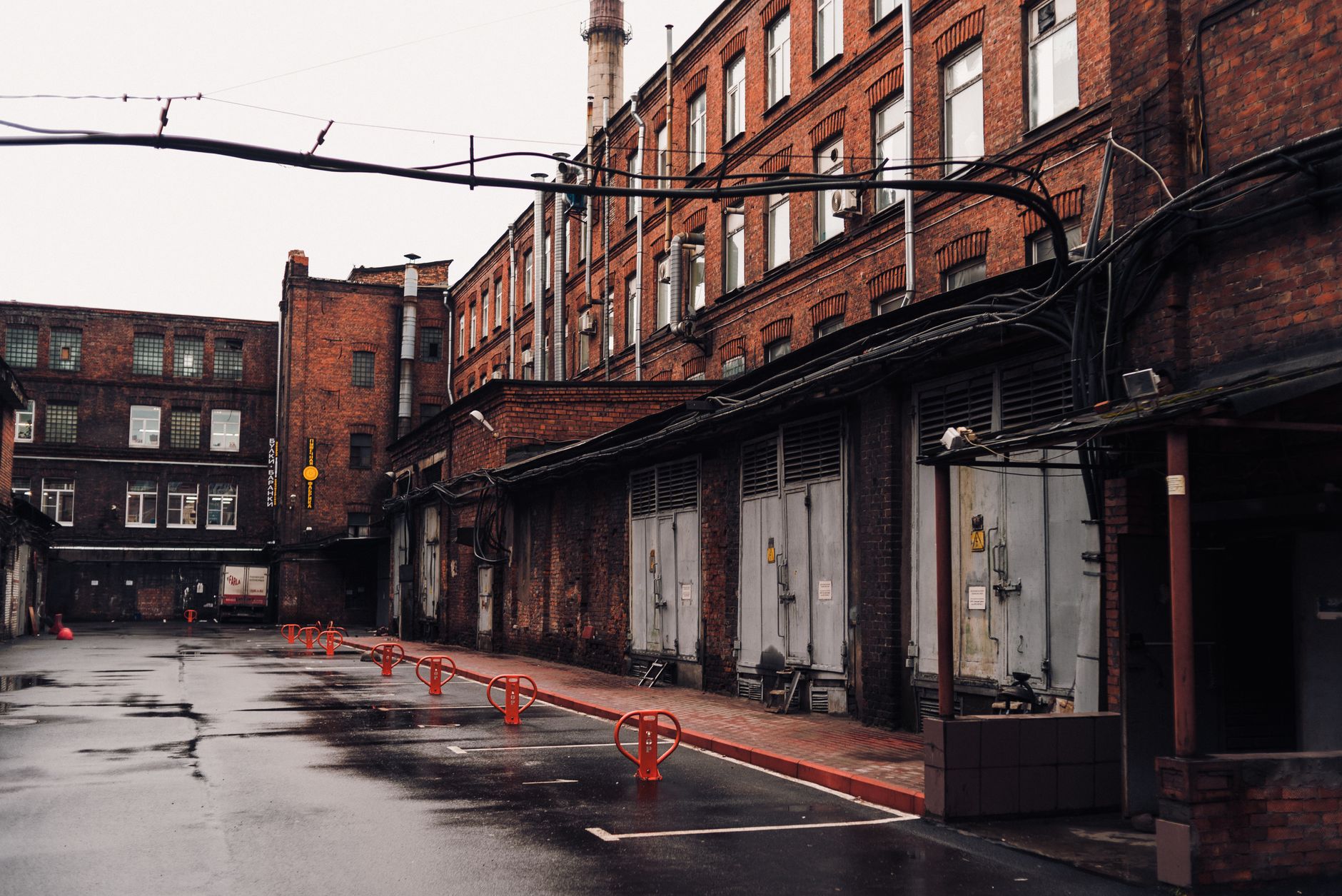
The first targets are the places where access is annoying, visibility is poor, or conditions change quickly. Wet floors, hose clutter, washdowns, steam, and intermittent chemical use all push inspection work toward inconsistency when it stays purely manual.
OSHA's walking-working surfaces rules are blunt about the basics: floors should be kept clean and dry where possible, and wet-process areas need drainage, gratings, mats, or raised platforms. On the broader workplace side, the Bureau of Labor Statistics reported 844 fatal falls, slips, and trips across U.S. workplaces in 2024. Breweries are not unique in facing these risks, but they pack several of the classic contributors into one operating environment.
In practice, the strongest brewery inspection candidates are these:
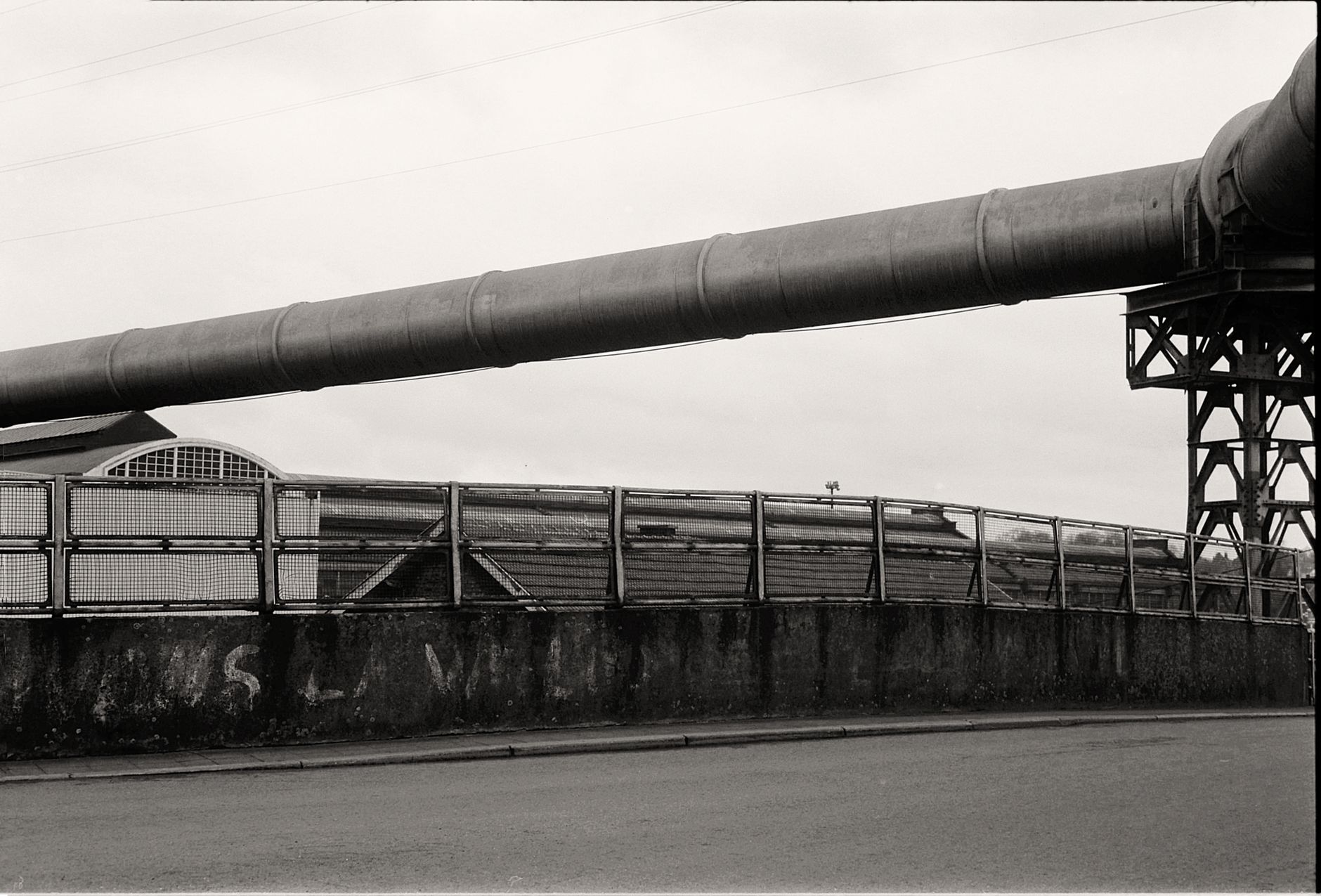
- Elevated pipe bridges and overhead utility racks where technicians otherwise inspect from ladders, catwalks, or scissor lifts.
- Tank farms and cellar aisles where repeated visual checks for condensation, staining, valve position, insulation damage, or pooling liquid can be standardized.
- Utility corridors housing steam, condensate, glycol, compressed air, CO2, and electrical distribution.
- Wet process rooms and CIP-adjacent zones where splash, foam, and hose traffic make frequent human rounds tedious and slippery.
- Hard-to-access tank zones such as rear clearances, elevated manway approaches, and perimeter spaces that are visible in theory but awkward in daily practice.
What work can a brewery inspection robot actually do?
The practical answer is narrower and more useful than the sales hype most buyers expect. These systems are good at repeatable sensing and documentation. They are not there to improvise repairs or diagnose every process upset on their own.
A well-matched platform can run visual patrols, capture thermal images, compare current conditions to a baseline, document standing water, spot insulation failures, flag an unexpected hot bearing or motor housing, and create a time-stamped record that maintenance can review remotely. In a brewery, that often means finding the start of a problem while it is still a work order, not a shutdown.
They also help before people commit to more involved access. OSHA notes that tanks and similar vessels can qualify as permit-required confined spaces when hazardous atmospheres or other recognized hazards are present, and its technical guidance stresses doing as much work as possible without entry. In brewery terms, a robot is often most useful as the first look, not the last word.
Where are the limits, and where do humans still stay central?
Inspection robots are not a license to ignore washdown chemistry, sanitation practice, or confined-space procedure. They do not make atmospheric hazards disappear, and they do not eliminate the need for lockout, permit discipline, or rescue planning when a person still has to enter a vessel or work at height.
They also struggle if a buyer chooses the wrong form factor for the route. A brewery with grated stairs, tight transitions, heavy hose bridges, and frequent puddling may need a different approach from a site with broad mezzanines and straight utility aisles. This is why the question is less Which robot is best? and more Which inspection task is repeated enough to automate safely and profitably?
The handoff point should stay clear. The robot finds and documents. The brewer, maintenance lead, electrician, or contractor decides what the condition means and what to do next.
What does the business case look like for a mid-sized brewery?
Usually, it is not built on headcount elimination. It is built on inspection frequency, earlier detection, and safer access. One brewery may save value by reducing daily ladder work around overhead piping. Another may care more about catching insulation breakdown, minor leaks, or persistent wet-floor conditions before they snowball into downtime or a bigger safety problem.
The economics also look better than many operators assume because brewery utilities are already expensive to monitor badly. The Brewers Association says breweries pay for incoming water and for wastewater treatment, and in a 2026 guidance note it states that wastewater treatment fees are often higher than the cost of incoming water. Its long-running water and wastewater manual also says the average brewery water-use ratio is around seven barrels of water for one barrel of beer, while better performers can get below three to one. In a plant where leaks, rinse losses, and recurring cleanup matter, better inspection discipline has real operational value.
That is why inspection robot rental can be a sensible first step. For many breweries, robot leasing for business, monthly payment programs, or a lease purchase program fit better than a large upfront buy. A pilot proves route reliability, data usefulness, and maintenance burden before a plant expands its scope.
How should breweries choose between rental, leasing, and purchase?
For a first deployment, the least risky path is often inspection robot rental or a short pilot under lease rental or sale terms. That gives the maintenance team time to validate route repeatability, charging logistics, map stability, and who will actually use the output. A robot that produces images nobody reviews is not a maintenance program. It is a gadget.
Rental and robot as a service structures also suit seasonal or capital-constrained operators. A brewery that is preserving cash for cellar expansion, taproom work, or utilities upgrades may prefer no upfront capital and maintenance included. That is especially true when the site wants a real trial in wet process areas before committing to a permanent fleet.
Outright purchase tends to make more sense once the route set is stable, the reporting workflow is established, and the brewery knows the inspection cadence it wants. Even then, buyers should think beyond the unit. Service coverage, remote triage, on-site dispatch, spare-unit policy, and emergency response matter just as much as the hardware.
Why does an OEM-neutral integrator matter more in this niche?
Brewery inspection is a mixed-environment problem. One site may need a compact indoor system for utility corridors and wet floors. Another may need a platform that handles exterior tank pads and pipe-bridge approaches. A third may need both. That makes vendor-neutral robot integrator support more valuable than a single-brand pitch.
Service Robot Co. fits that buying pattern well because the company is OEM-neutral and built for U.S. commercial deployments. Instead of forcing one manufacturer's answer onto every brewery, it can match the robot to the route, then handle robot deployment and integration, training, financing, and lifecycle service through a nationwide engineer network. For operators who want one partner one number, that is simpler than assembling hardware, service, finance, and field support from separate vendors.
This is also where commercial flexibility matters. Some breweries want a robot pilot program or try before you buy structure. Others want robot leasing for business with maintenance included, or a full lease rental or sale package. In a niche use case like brewery inspection, that flexibility often determines whether the project gets approved.
What does a good first brewery deployment look like?
Start with one route family, not a grand automation charter. Good first candidates are a daily utility round, a tank-farm perimeter sweep, or an elevated pipe-rack inspection path that currently depends on ladders, infrequent lifts, or inconsistent after-hours checks.
Then define the evidence standard up front. What should the robot capture every run? Thermal images of motors and pumps. Valve-bank photos from fixed positions. Floor-condition snapshots in washdown zones. A checklist for visible leaks, insulation damage, or blocked drainage. If the output is not standardized, comparison over time gets weak fast.
Finally, force the service model to be part of the buying decision. Batteries fail, maps drift, sensors need cleaning, routes need revision, and brewery environments are unforgiving. The right deployment is the one your team can still run six months later without building an in-house robotics department around it.