Key takeaways
- EPA pathogen reduction rules tie Class A compost to 55°C (131°F) time and temperature profiles that demand frequent probe points.
- Ammonia, methane, and hydrogen sulfide can build in piles, trenches, and enclosed bays, so robots should reduce walks, not replace gas programs.
- Soft windrows and leachate mud punish wheeled gear unless you match tread, ground pressure, and washdown plans.
- Thermal and gas payloads need calibration logs tied to your SOP depth and spacing, not one handheld spot check.
- Inspection robot rental fits seasonal yard turnover better than owning specialty payloads for one site.
Why do compost yards need more than handheld probes?
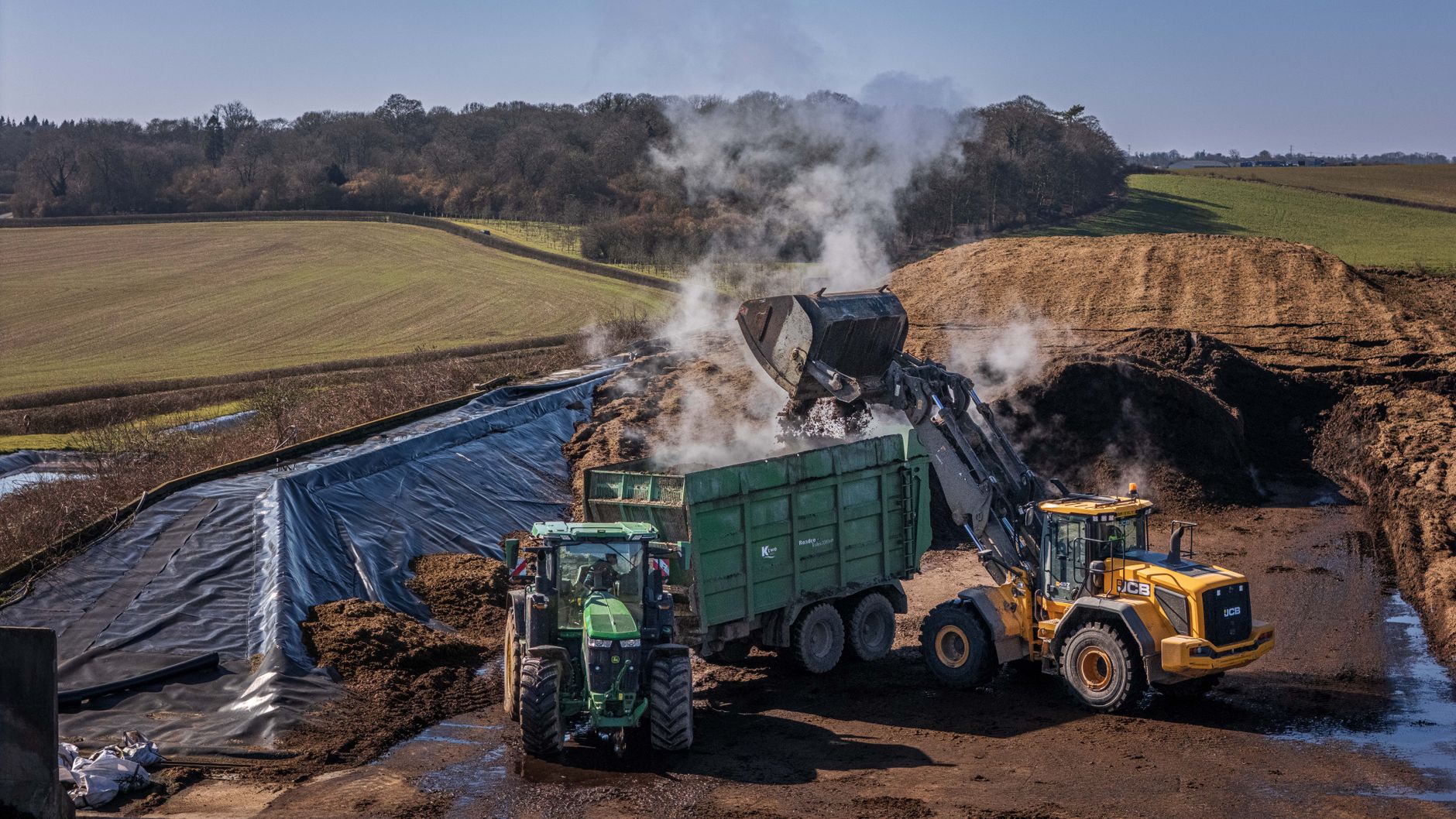
Commercial compost sites must prove pile heat, moisture, and turning history while keeping workers off unstable windrows and out of gas pockets. A single handheld thermometer at the truck door does not map a 400 foot windrow after a rain event. Manual walks also repeat exposure to dust, bioaerosols, and slip hazards on leachate mud.
Inspection robots for commercial compost sites carry thermal probes, gas sniffers, and stabilized cameras along programmed routes. They log GPS or pile ID tagged readings your environmental manager can export for auditors. The goal is repeatable data across batches, not a faster version of the same foot tour.
Facilities that wait until a neighbor complains about odor often discover a cold zone that should have been turned two days earlier. Robotics makes those cold zones visible while correction still means a loader pass, not a reworked windrow.
What temperature rules drive monitoring frequency?
EPA Part 503 pathogen treatment standards for composted sewage sludge require specific time and temperature profiles. For in vessel or static aerated pile methods, material must stay at 55 degrees Celsius or higher for three consecutive days, according to 40 CFR Appendix B to Part 503.
Windrow methods must maintain 55 degrees Celsius or higher for 15 days or longer, with at least five turnings during that high temperature period in the same federal appendix. Vector attraction reduction uses lower targets, including above 40 degrees Celsius for 14 days with an average above 45 degrees Celsius, per EPA biosolids guidance.
State compost rules often echo those probes. Wisconsin licensed facilities, for example, expect minimum 55 degrees Celsius on at least 15 days for windrows with five turns, and daily readings while pathogen reduction temperatures are active. Your permit may add depth, spacing, and record retention details beyond federal baselines.
How can robots read pile heat without disturbing the windrow?
Fixed infrared lines see surface skin temperature only. A rover with an articulated probe arm can insert at marked stakes along the windrow spine, matching the 10 to 40 inch depths many SOPs describe without compacting the core.
Pair each probe drop with a photo of the stake label and batch ID. Software should timestamp, operator, and weather so reviewers can correlate a cold reading with rainfall or a failed blower.
When robotics cannot safely enter a steep pile, use mast mounted thermal on a perimeter path and flag outliers for manual confirmation. Document limits plainly in the report.
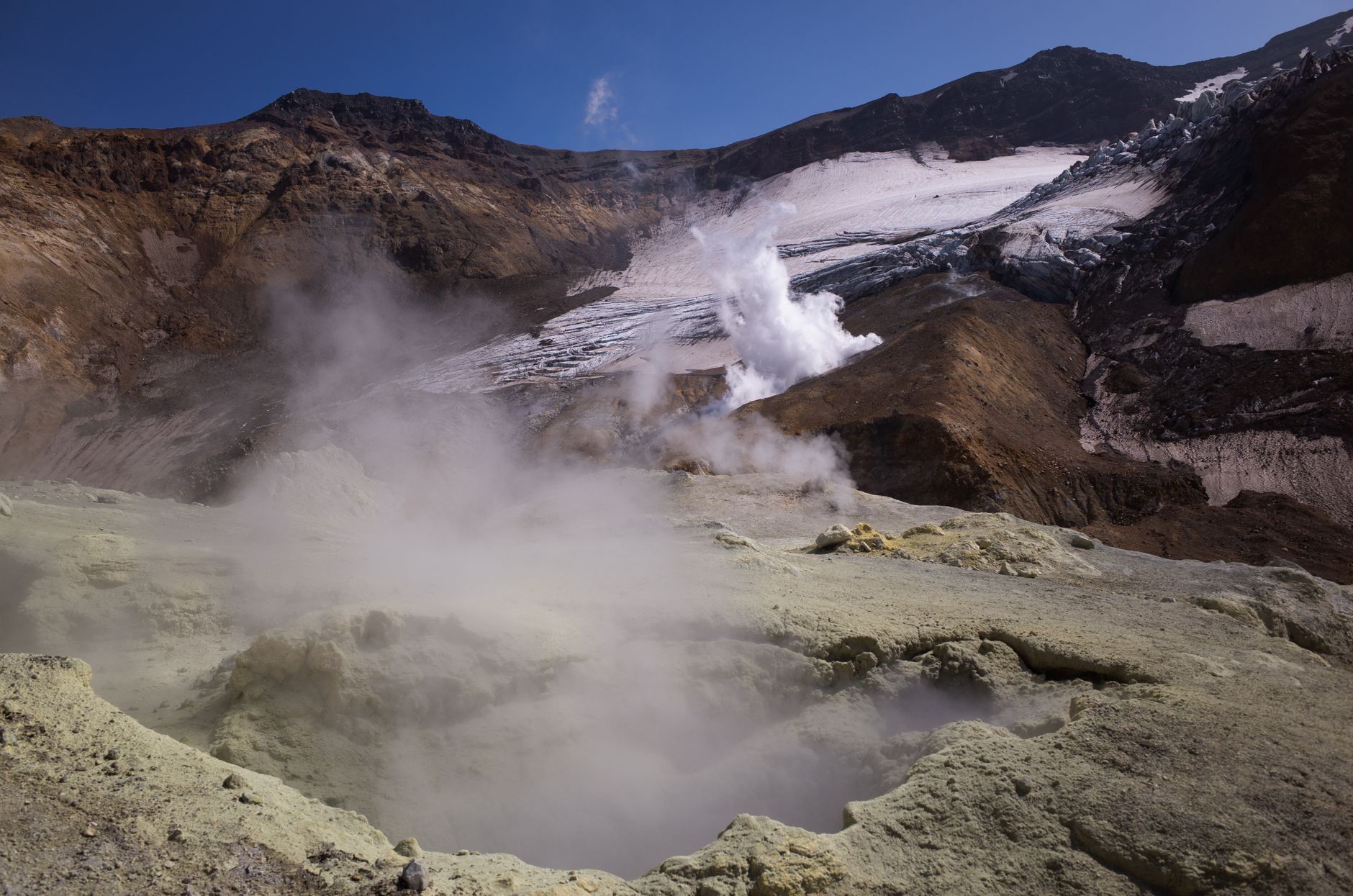
What gas hazards still matter when robots walk the yard?
OSHA notes that composting and organic recycling can create confined spaces with hydrogen sulfide, carbon monoxide, or oxygen deficient air. Ammonia and methane also appear during turning and in enclosed bays, according to federal health and safety guidance on composting operations.
Robots reduce how often people enter trenches, digesters, and covered bays. They do not replace atmospheric testing, ventilation, or permit required entry teams. Mount direct read multi gas sensors on the robot and set stop thresholds that match your site action levels.
Train staff to treat a robot alarm like a human alarm: ventilate, retest, and only then send a confined space team if work inside is still required.
How do corrosive dust and soft terrain affect hardware?
Compost leachate is acidic and abrasive. Stainless hardware, sealed connectors, and daily blowdown extend camera and drive life. Plan washdown pads away from storm drains per your permit.
Rubber tracks or low pressure tires spread load on soggy windrow shoulders. High clearance hubs keep motors out of mud that would stall office grade wheels.
Store robots under cover when not running. Battery performance drops in winter piles that still need heat logs.
- Specify IP rated enclosures for blower pits and leachate channels.
- Route around active loader paths with geofenced no go zones.
- Keep spare treads and probe sheaths on site during peak season.
What belongs in a drainage and equipment zone pass?
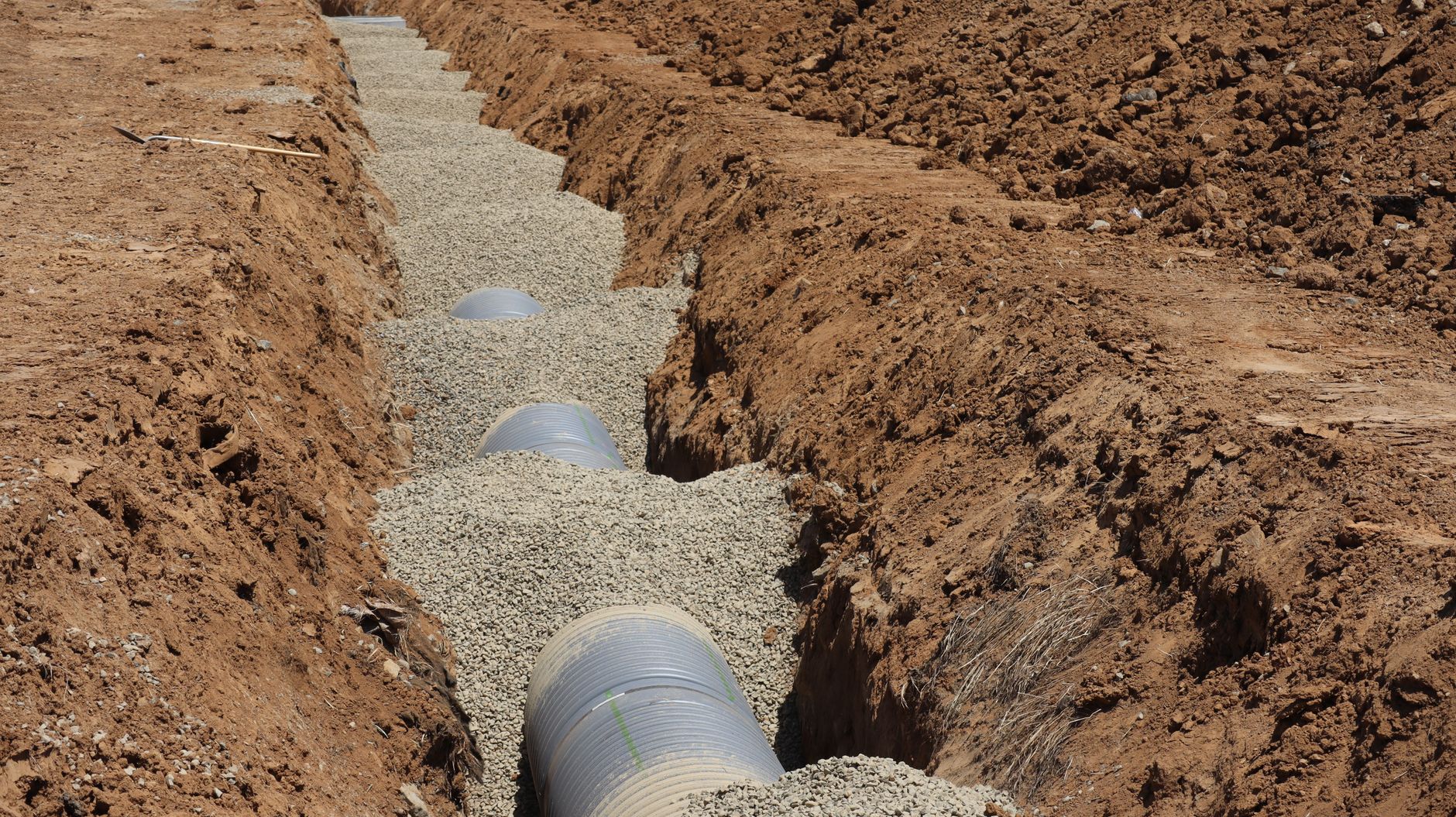
Robots can photograph trench grates, pond freeboard, and aeration pipe outlets on a nightly loop. Compare images after storms to catch sediment plugs before ponds overtopped.
Equipment zones need fire extinguisher tags, blower filters, and door seals logged visually. A thermal pass on motor bearings can highlight a failing fan before a weekend shutdown.
Tag each image to a maintenance ticket ID so reliability and environmental records stay linked.
How should teams calibrate sensors and respond to alerts?
Gas and thermal sensors drift in corrosive air. Log bump tests and calibration dates beside every export file. If a robot reads low on ammonia during a known hot pile, pull the handheld reference meter before rewriting SOP limits.
Define alert tiers: informational for a single cold stake, urgent for sub 45 degrees Celsius during pathogen reduction windows, and emergency for LEL or oxygen readings in enclosed bays.
Certified compost operators still sign batch releases. Robotics supplies evidence; humans approve turns, reworks, and product class decisions.
When does inspection robot rental fit seasonal compost work?
Many yards run heavy monitoring only during spring and fall building seasons. Inspection robot rental or a monthly program swaps probe depth kits and gas payloads between a biosolids windrow pad and a green waste site without capitalizing idle gear.
Service Robot Co. selects rugged platforms across manufacturers, maps routes with your environmental and safety leads, and trains staff on washdown, retrieval, and data export. We finance buy or rent paths and support fleets with remote triage plus on site dispatch through a nationwide network of regional service engineers.
Start with a free site assessment on one windrow batch during a normal build week. Compare robot logs to your existing temperature sheets, then expand only where data shortens the next corrective action.