Key takeaways
- NFPA data ties thousands of annual U.S. dryer fires to lint and missed cleaning, so interior duct photos matter as much as trap cleaning.
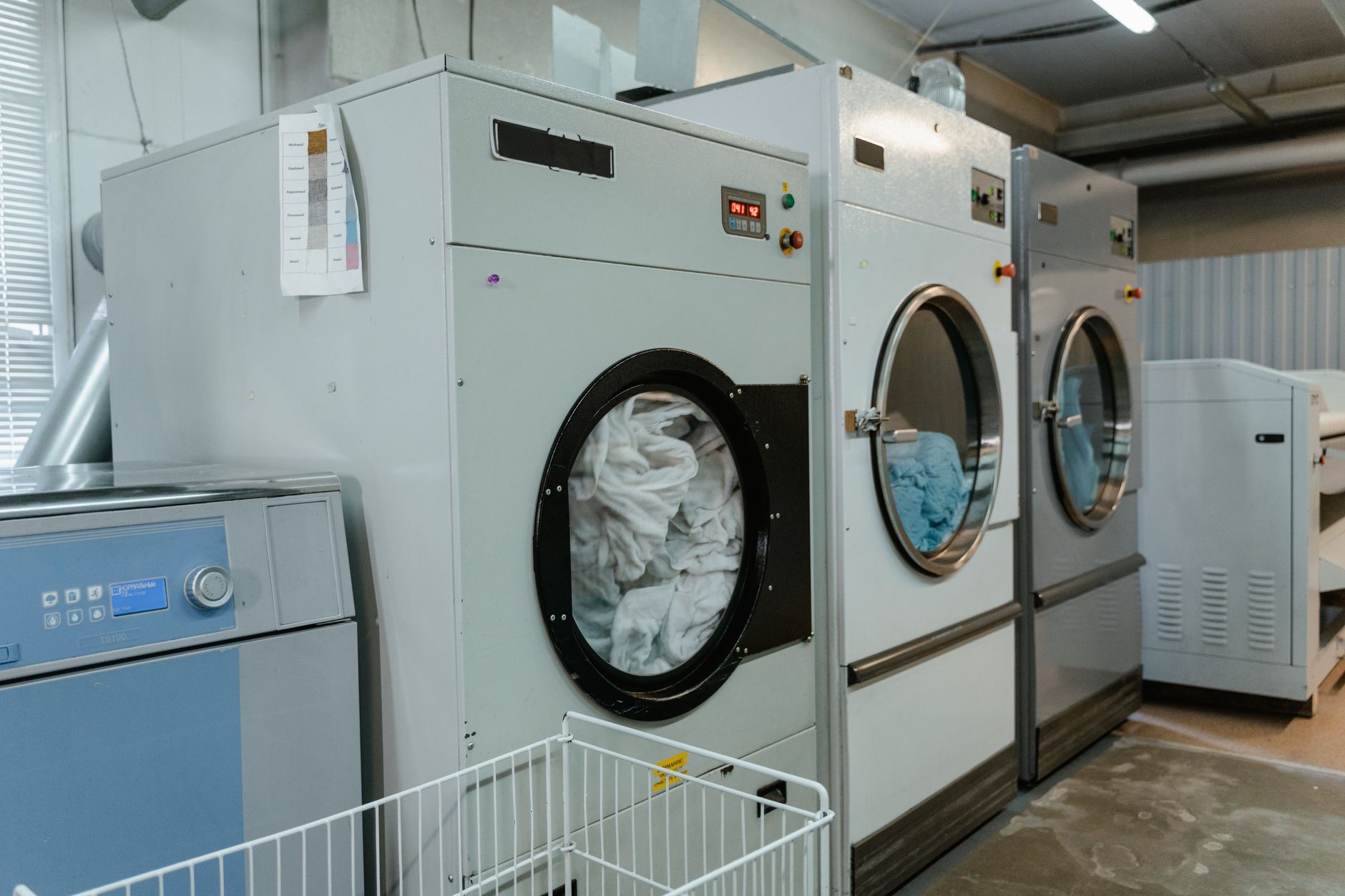
- Commercial Type 2 dryers exhaust more than residential units and need smooth metal ductwork inspected on a documented schedule.
- Crawler or borescope robots reach horizontal runs and elbows where ladders and handheld scopes stall.
- Repeatable image sets before and after cleaning give insurers and fire marshals a dated record, not a verbal assurance.
- Inspection robot rental monthly pilots let high-volume plants test one line before standardizing routes campus-wide.
Why photograph inside laundry exhaust instead of only cleaning the trap?
Commercial laundry ducts hide lint long after the trap looks clean. According to NFPA research on home dryer fires from 2014 through 2018, U.S. fire departments responded to an estimated annual average of 13,820 home structure fires involving dryers, and failure to clean was a leading factor. Dust, fiber, or lint was the material first ignited in about 27 percent of those fires. Commercial plants multiply that risk with continuous loads and longer horizontal runs.
A crawlspace inspection robot or duct crawler carries a stabilized camera through elbows and straight sections you cannot see from a roof hatch alone. The goal is not to replace a licensed cleaner. It is to document thickness, crushed sections, and moisture staining before sparks matter.
Inspection robot rental programs with maintenance included let multi-building operators prove one main trunk on a pilot route before they buy dedicated hardware for every tunnel.
Where should access points sit on a commercial laundry line?
Start at the dryer discharge, each horizontal offset, and the exterior termination. International Mechanical Code expectations for Type 2 commercial dryers call for smooth, noncombustible duct with fewer corrugations than residential flex, because ribs trap lint. Every cleanout you add is a place a small camera can enter without dismantling walls.
Name each access point in the inspection record so a 2026 run compares to a 2024 baseline at the same elbow. That repeatability is what turns a one-time cleaning invoice into an audit trail.
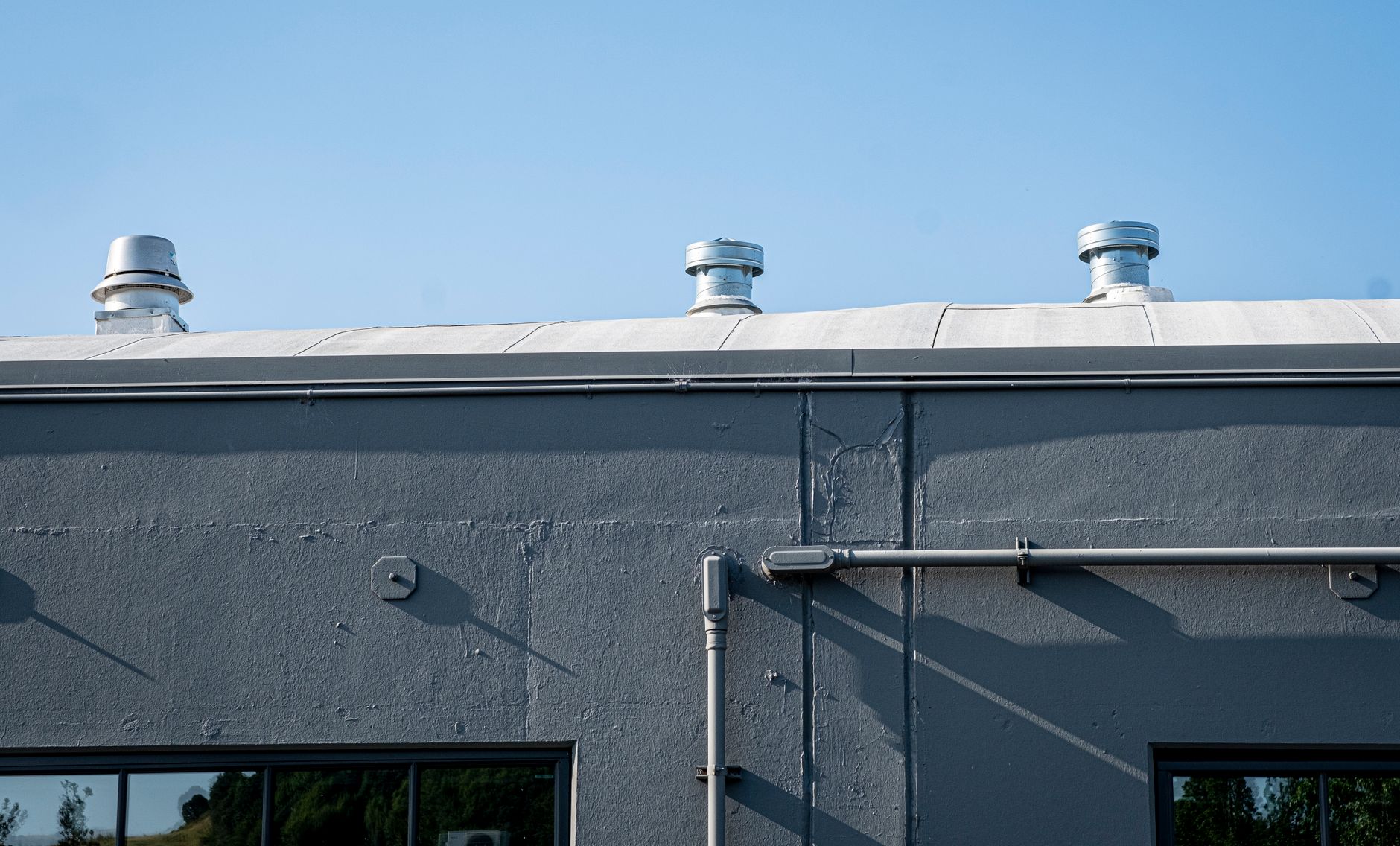
Roof terminations need a photo that shows bird screens and cap integrity, not only the interior build-up six meters back.
What image quality do fire investigators expect from duct surveys?
Blurry footage wastes a shutdown window. Look for adequate light at the lens, focus lock on close lint fibers, and distance markers or known fittings so reviewers know where they are in the run. Record at a resolution your safety team can zoom without guessing.
Still grabs at fixed intervals beat one long shaky clip when you are comparing seasons. Store them with date, technician, dryer ID, and whether the line was running or cold.
Moisture streaks and gray soot patterns matter as much as fluffy lint. They hint at back-pressure or incomplete exhaust that a trap cleaning alone will not fix.
How do robotic surveys coordinate with professional cleaning?
Run the crawler before mechanical brushing so the vendor knows which elbows are packed. Run it again after cleaning to prove the line met your internal standard, not only theirs.
Lock out dryers during interior work. Tag who opened each access panel and who signed the line back in service. Robots should never share a duct with active exhaust.
If cleaning uncovers crushed flex that code never allowed on a commercial run, the photo set becomes the capital request for metal replacement.
What fire risk should plant managers cite to leadership?
NFPA figures on residential dryer fires are the best published national baseline even when your plant is commercial. The pattern is consistent: restricted airflow raises temperature, and lint ignites at relatively low energy compared with structural wood.
Industry maintenance guides often note that trap cleaning captures only a fraction of lint; the balance collects in duct walls. That is why high-volume laundries schedule duct inspection more often than annual, even when code sets a minimum.
Gas dryers add combustion exhaust to the same pathway. A blocked vent can push products of combustion into the workroom, which is a life safety issue beyond property damage.
How often should routes repeat in a hospital or hotel laundry?
Match frequency to load count, not the calendar alone. A tunnel washer feeding three dryers needs more frequent interior looks than a single OPL unit in a small motel.
Quarterly imaging on the longest horizontal run plus annual full-length crawls is a common starting point for 24-hour plants. Adjust when a run shows half-depth build-up in eight weeks.
After a remodel that adds dryers, reset the baseline. New joints and longer paths change airflow overnight.
What records belong in the CMMS or safety binder?
Keep before and after stills, GPS or asset tags for each access, cleaner invoice numbers, and the name of the human who reviewed footage. Link them to insurance renewal packets the same way you store hood cleaning certificates for kitchens.
When a joint fails inspection, attach the crawler frame that shows the gap. Maintenance closes the loop with a photo after repair.
Train night staff to spot burning smell and hot cabinet surfaces as immediate stop-work signs, even if the robot survey is not due for weeks.
Where does Service Robot Co. fit?
Service Robot Co. acts as a vendor neutral robot integrator: select crawler or pole camera hardware, finance it, map access points, train maintenance on repeatable routes, and dispatch field help through a nationwide network of regional service engineers when a cable sheath fails mid-run.
A free site assessment should walk the laundry during peak dry cycles and again after a scheduled cleaning. Note ceiling height, interstitial paths, and whether make-up air louvers pull lint toward odd corners. One partner one number matters when facilities, insurance, and the fire marshal each ask for different proof the same week.