Key takeaways
- Batch plants need repeatable photo and thermal records on dusty, vibrating equipment, not one-off climb-and-look tours.
- Route repeatability matters more than gadget specs when bearings and belt splices fail between scheduled shutdowns.
- Silica dust and uneven yards dictate sealed optics, filtered intakes, and realistic crawl speeds on gravel pads.
- Work-order integration turns robot clips into actionable maintenance tickets instead of orphaned video files.
- Monthly inspection robot rental fits seasonal paving demand without buying a crawler that sits idle in winter.
Why send an inspection robot through a concrete batch plant?
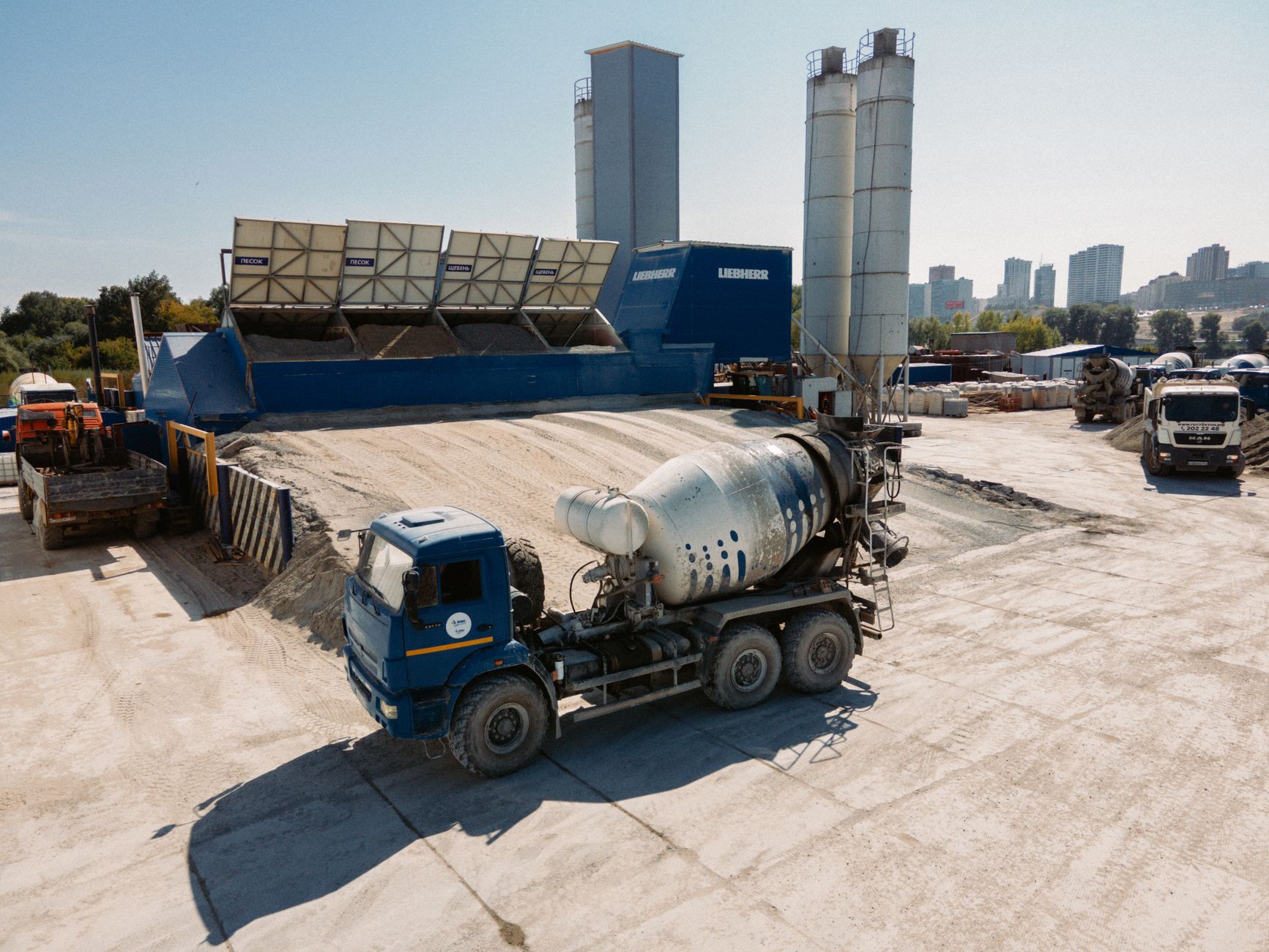
Inspection robots at a concrete batch plant exist to document what human rounds miss when dust, height, and vibration make close looks rare. A mobile crawler or quadruped can repeat the same path under aggregate bins, along belt conveyors, and past mixer drive cabinets while capturing aligned photos and thermal frames every visit.
The payoff is not replacing your maintenance lead. It is giving that lead searchable evidence before a bearing cooks off or a belt splice lifts. According to the International Federation of Robotics, global shipments of professional service robots rose about 24 percent to nearly 250,000 units in 2025, and inspection-related applications sit among the fastest-growing professional categories in the World Robotics 2026 report materials.
Batch plants mix harsh environment with tight uptime. Paving season punishes downtime. A robot that runs during a planned quiet hour beats scrambling a contractor after a weekend failure.
Think of the robot as a disciplined photographer with a thermal sidekick. It does not interpret OSHA logs or approve repairs alone. It supplies the visual history your team already wished they had when the last splice failed on a Friday pour.
Which assets should the first route cover?
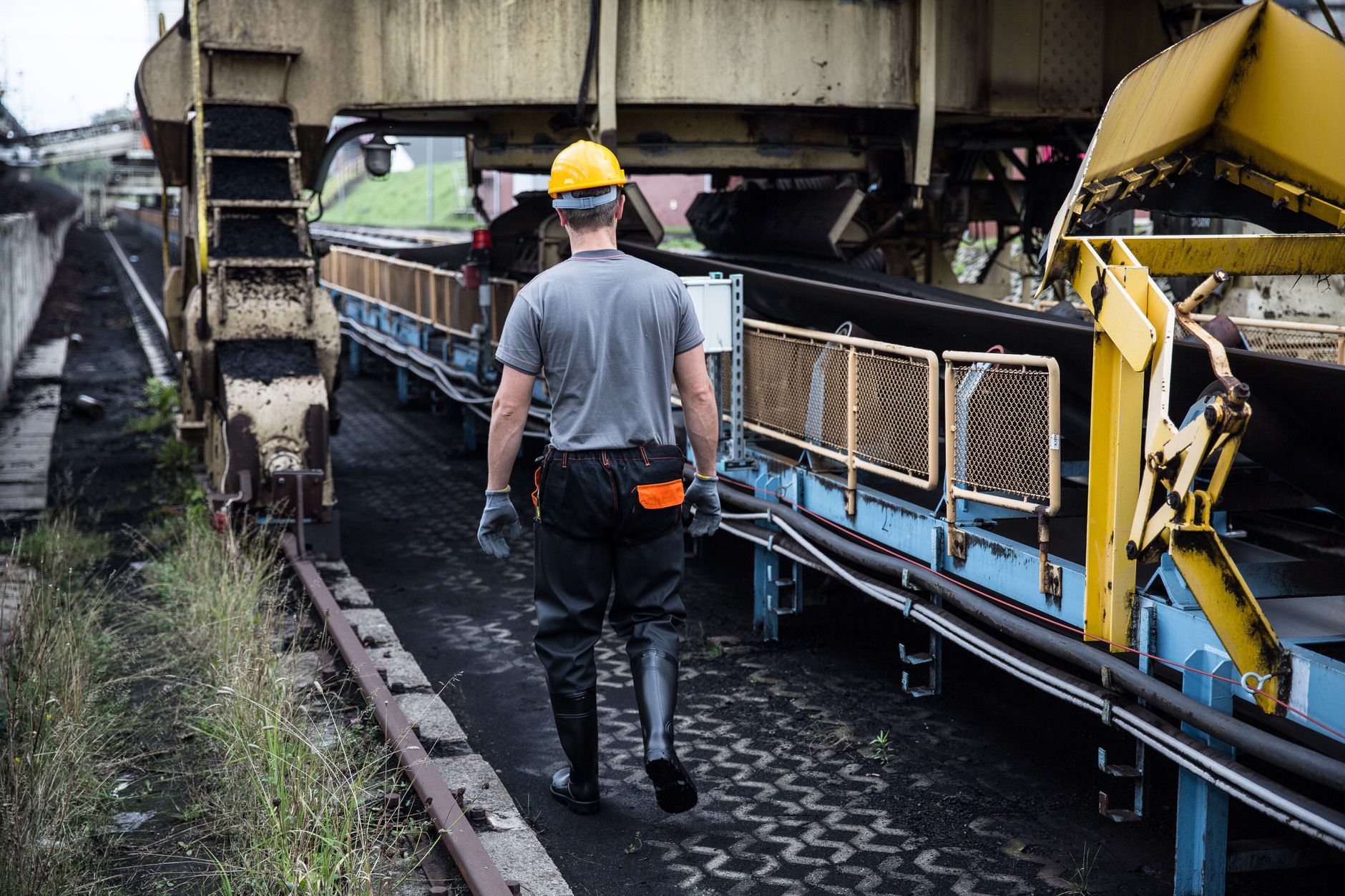
Start with belt conveyors from the cold feed bins through the scale deck. Document idlers, return rollers, and transfer points where aggregate impacts splices. Capture both sides of the belt where material tracks to one edge.
Include aggregate bin outlets, clam gates, and vibrator mounts. Sticky fines build up and hide cracked welds. A camera at low angle often shows what a flashlight walk-by misses from the catwalk.
Schedule mixer inspection stops at inspection hatches, hydraulic power units, and electrical cabinets on the plant floor. Thermal imaging highlights hot terminals and bearing housings before smoke appears.
Add water weigh batchers, admixture lines, and compressor skids in phase two. Each stop should have a fixed pose so week-over-week images line up for visual diff review.
Skip the roof truss on day one unless your safety program already allows those climbs. Ground and mezzanine assets deliver most of the early wins without new fall-protection paperwork.
How does plant dust change robot hardware choices?
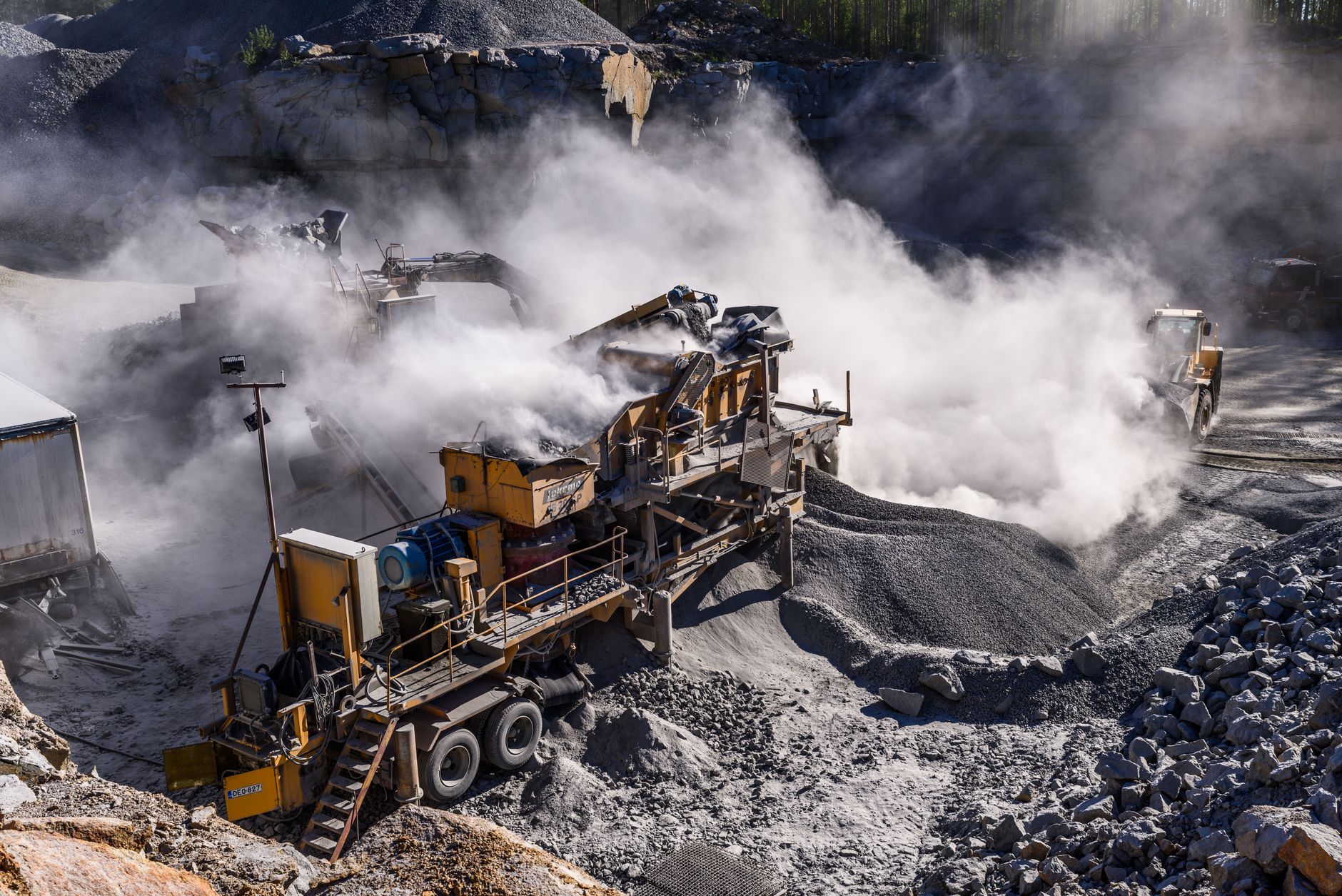
Cement and silica dust infiltrates unsealed camera domes and fan intakes fast. Specify IP-rated enclosures, positive-pressure options where available, and lens coatings you can wipe without scratching.
Optics need regular cleaning intervals tied to production tonnage, not calendar guesses. A route that runs daily during heavy load may need a wiper pass every shift while a weekly route might tolerate longer intervals.
Respirable crystalline silica rules push plants toward less manual entry into dusty zones. Robots do not eliminate silica controls, but they can reduce how often someone climbs into confined dusty spaces for visual-only checks.
Keep spare lens kits on site. Waiting two weeks for a mail-order cover during peak season defeats the purpose of the pilot.
- Sealed camera housings rated for outdoor industrial dust
- Filtered cooling paths on drive electronics
- Non-sparking wheel or track materials where fuel trucks operate nearby
- Quick-release lens covers maintenance can swap without a vendor visit
What does vibration do to route repeatability?
Conveyors and bin vibrators shake nearby structures. Teach robot poses on stable ground plates, not on gratings that flex. Short exposure times and motion-compensated imaging reduce blur on idler shots.
Re-teach routes after major plant changes. Moving a bin leg or adding a new scale deck shifts clearance by inches that matter to a low profile crawler.
Log vibration events from the batch control system when possible. Correlating high vibration alarms with robot thermal spikes helps maintenance prioritize which splice to trust.
If images blur repeatedly, split the route into shorter segments with pause commands at stable footing instead of chasing faster travel speeds.
Can robots handle uneven terrain around outdoor plants?
Many batch plants sit on gravel pads with slopes toward storm drains. Wheeled platforms need traction tests on wet fines. Quadrupeds handle grade changes but still slip on loose aggregate.
Plan charging docks on paved pads. Running down batteries mid-route on soft ground invites a tow recovery that eats the savings you wanted from automation.
Mark no-go zones around liquid admixture spills and fuel islands. Chemical residue destroys treads and contaminates indoor routes if wheels are not cleaned before entering control rooms.
Rain turns fine dust into mud that packs wheel wells. Pause routes during heavy storms or accept that post-storm cleaning becomes part of every run.
Where does thermal imaging earn its keep?
Electrical cabinets on aging plants hide loose lugs behind dust-covered doors. A thermal pass each week flags heat before breakers trip mid-pour.
Mixer motor and reducer housings should have baseline thermal signatures captured in cool morning hours. Compare against hot afternoon runs to separate normal heat from failing lubrication.
Belt drive sheaves and bearing blocks along elevated conveyors are faster to scan with a robot-mounted thermal camera than sending someone up a ladder with a handheld unit every time.
Store baselines in the same CMMS object as the asset tag so a new supervisor inherits context when shifts rotate.
How should clips feed maintenance work orders?
Integration beats storage. Push robot findings into your CMMS as work orders with attached stills, clips, and GPS or asset tag metadata. Maintenance closes the loop when the same pose shows the repair.
Define severity rules up front. A hot spot above baseline might auto-create a priority ticket while a cosmetic dust coat logs as observe-only.
Train planners to trust repeat imagery. Side-by-side frames from the same pose turn subjective debates into obvious trends.
Assign an owner who reviews robot queues daily during paving season. Unreviewed alerts decay into noise within a month.
How can Service Robot Co. deploy inspection robots without splitting vendors?
Service Robot Co. selects crawler or quadruped inspection hardware to match your plant layout, then handles financing, route programming, CMMS hooks, training, and service through regional engineers in all fifty states.
A pilot might cover one conveyor line and two electrical cabinets for thirty days beside your existing manual rounds. Expand only after operators trust alert quality and spares are staged for dusty environments.
Inspection robot rental on a monthly program lets paving-season peaks fund the deployment while the unit idles in slower months without carrying depreciated capital on the books.
One partner owns spares, firmware, and route updates when the plant adds a new bin or relocates a scale. That continuity matters more at a dusty site than at a clean lab demo.
What does a ninety-day batch plant pilot look like?
Week one maps poses, baselines thermal readings, and writes CMMS rules. Weeks two through four run the route twice weekly while maintainers note false positives.
Measure time saved on ladder climbs and confined visual entries separately from time spent reviewing footage. Both numbers belong in the ROI memo.
Stop the pilot if dust fouling exceeds your cleaning SOP. Fix seals and wiper intervals before blaming navigation software.
Share results as fewer surprise breakdowns during pour windows, not as proof you eliminated maintenance staff.
At day ninety, decide whether to add routes, increase frequency, or shift budget from emergency splice contractors into a longer rental term.