Key takeaways
- Hospital utility tunnels carry steam, chilled water, and electrical feeds where a small leak can flood a corridor serving patient care areas.
- According to CDC NIOSH, healthcare employs over 22 million U.S. workers and reports among the highest nonfatal injury rates of any industry sector.
- Robotic rounds stay on the maintenance side of infection-control boundaries and never cross into sterile corridors without a defined change protocol.
- Radio dead zones in concrete tunnels require tested coverage or edge recording before you promise live video to the facilities desk.
- Inspection robot rental monthly lets one campus tunnel prove ROI before you standardize routes across steam, chilled water, and electrical branches.
What belongs in a hospital utility tunnel inspection program?
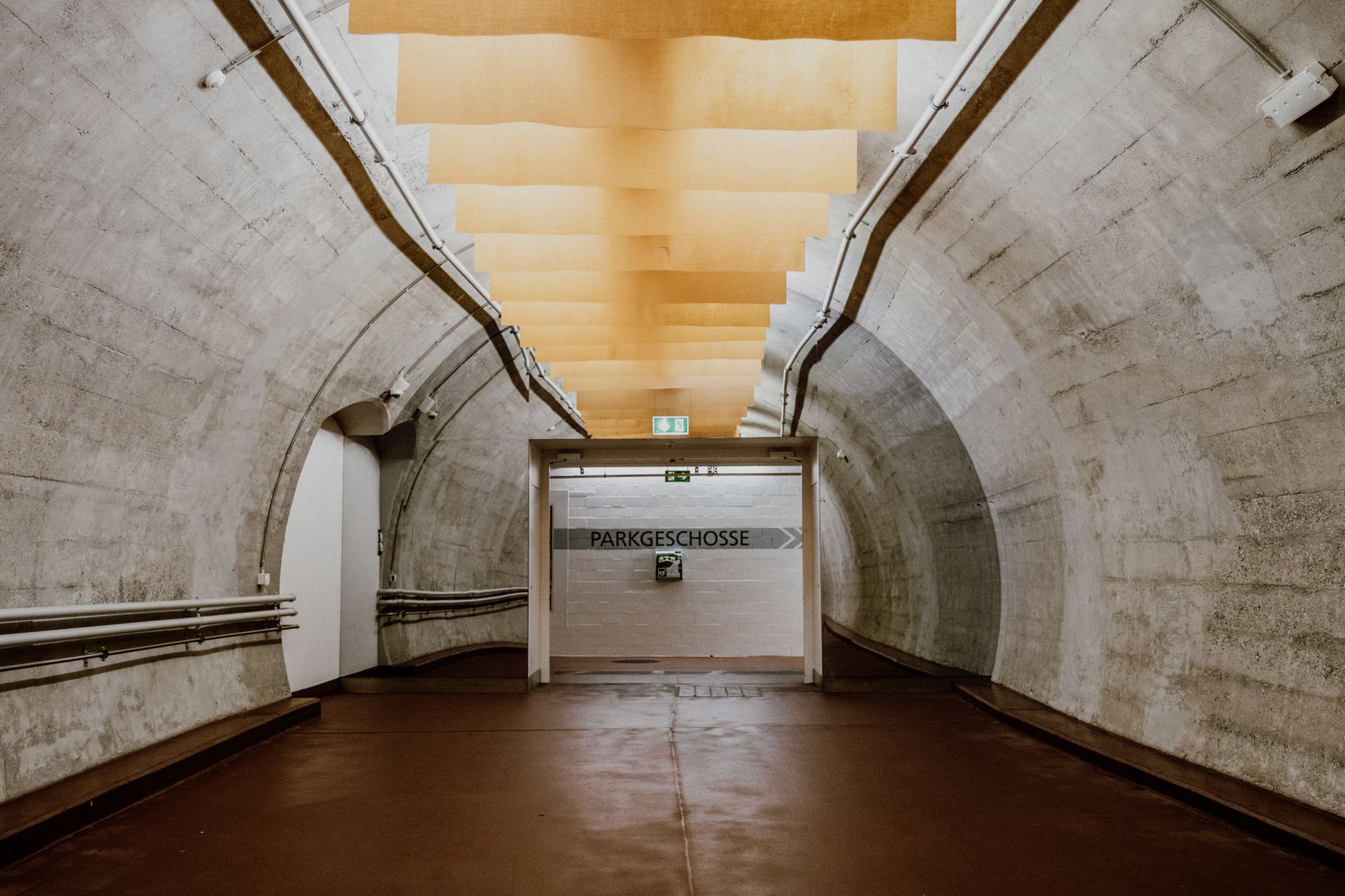
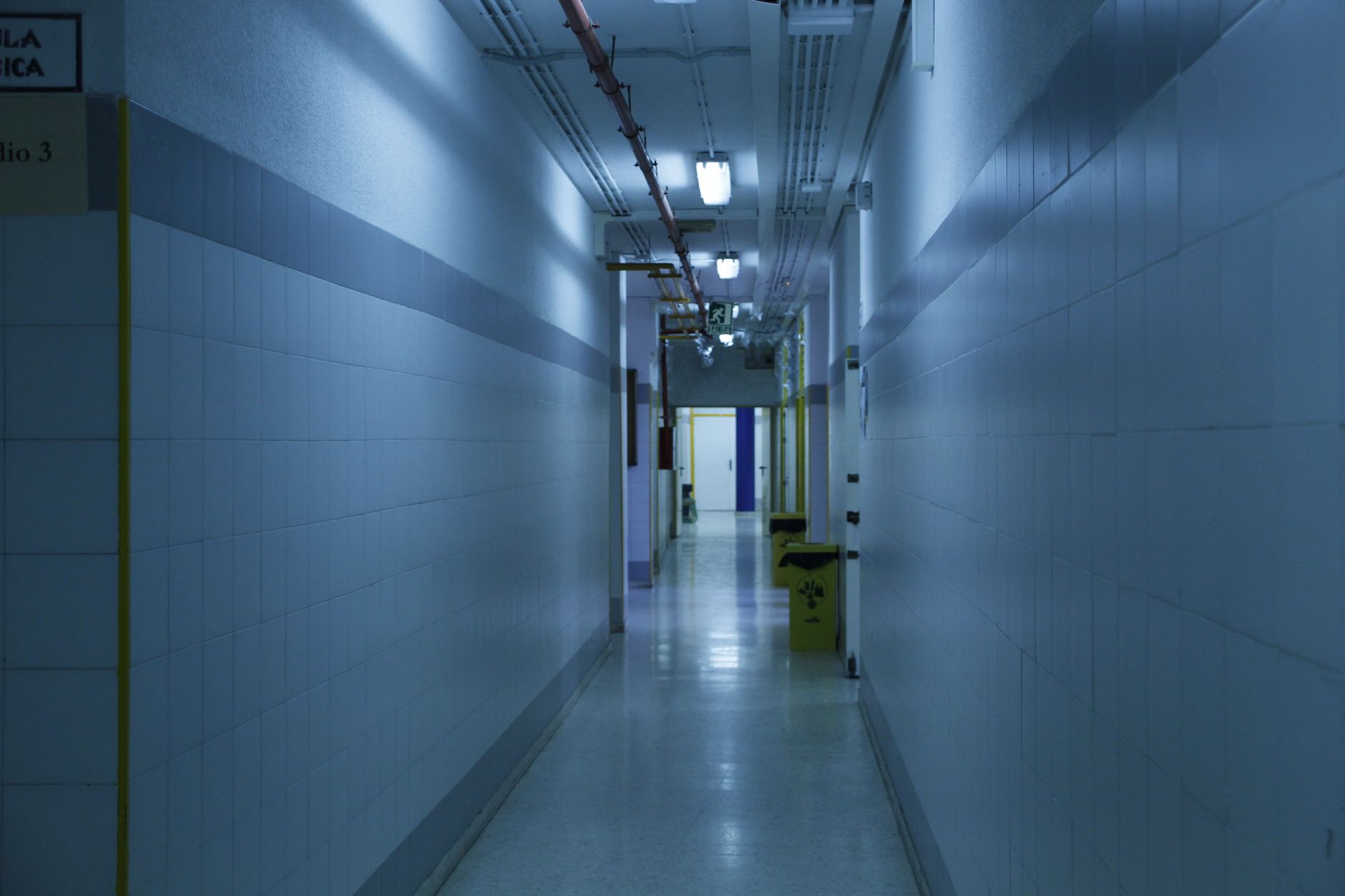
Utility tunnels and interstitial corridors hide pipe racks, valve manifolds, sump pits, and cable trays that rarely see a daily human walk. Steam condensate, chilled water drips, and roof infiltration show up first as a stain on a tunnel floor long before a nurse station notices warm air or odd humidity.
A mobile inspection robot carries stabilized video, thermal sensors, and sometimes gas or humidity probes on a teach-and-repeat route. Each stop tags stills by valve ID, pit number, and run date so maintenance compares this Tuesday to last month at the same fitting.
The robot documents conditions. It does not replace licensed trade work, infection-control sign-off, or your permit process for confined entry. It reduces how often a facilities tech walks a live tunnel for visual checks alone.
How do infection-control boundaries shape the route?
Patient care areas and sterile processing zones sit behind pressure relationships your infection prevention team owns. Tunnel robots should stay on the engineering side of those boundaries unless a written protocol covers cart change, PPE, and wipe-down at each crossing.
Standing water in a tunnel is both a maintenance problem and a mold risk near air handlers that serve clinical floors. Photo evidence helps environmental services and infection prevention agree on priority without debating memory of how wet a corner looked last quarter.
Never route a robot through a door that opens directly into an operating suite corridor without facilities and infection prevention signing the path. Documentation of where the robot went belongs in the same binder as your terminal cleaning logs for high-risk units.
Which hazards should thermal and visual stops target?
Steam leaks and failed traps show as wet insulation, rust streaks, and heat on valves. Chilled water failures may leave condensation on pipes while the tunnel air feels clammy. Thermal repeatability matters more than a single hot spot threshold copied from another hospital.
Sump pits and floor drains need a low camera angle every run. A half inch of new water at a trench drain can precede flooding into an elevator machine room or telecom closet.
Cable tray debris and abandoned conduit create trip and fire load issues. Fixed stills at tray junctions catch new bundles or stored contractor material that should not live in a life safety path.
- Steam and condensate manifolds with gauge and trap photos
- Chilled water headers and insulation vapor barrier checks
- Sump pit level and pump discharge verification
- Fire door and smoke damper visual from the tunnel side
Why is radio coverage the make-or-break detail?
Concrete tunnels, steel doors, and long straight runs attenuate Wi-Fi and private LTE. Test signal at the worst midpoint before you promise live streaming to the command center.
Edge recording with upload at a dock outside the tunnel beats a frozen feed halfway through a night run. Store clips with tunnel segment ID so a dropped packet does not lose the only proof of a new leak.
Some campuses run dedicated leaky coax or mesh nodes in interstitial spaces. Budget that civil work in the pilot, not after the robot is already on contract.
How should emergency access stay clear during robotic rounds?
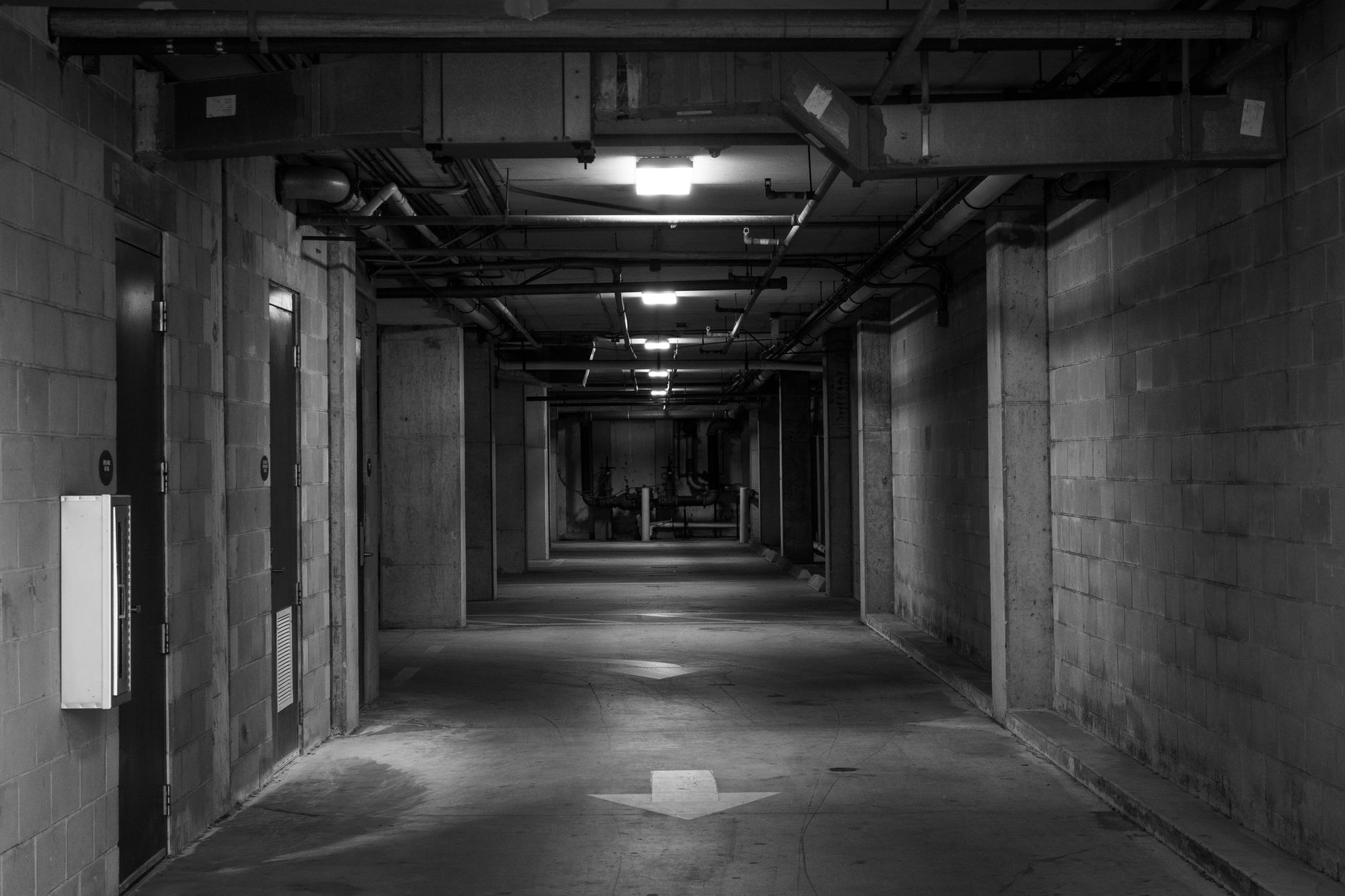
Tunnels are egress paths for facilities staff during outages and sometimes for staged equipment moves. Robot docks and charging stations must not block fire doors, hose cabinets, or the clear width your life safety drawings show.
Coordinate run schedules with after-hours construction. A robot stuck behind a temporary plywood barrier is useless when a boiler alarm fires at 2 a.m.
Mark who can pause or recall the robot from the facilities desk during a code event. Emergency access trumps inspection cadence every time.
What work-order integration should maintenance expect?
Alerts should open draft tickets in your CMMS with photos, location tags, and recommended trade: steam fitter, plumber, electrician, or environmental. Tier one is store-only when nothing changed versus baseline. Tier two pages on-call when water spreads or heat jumps on a steam valve.
According to CDC NIOSH, healthcare employs over 22 million workers in the United States and reports among the highest rates of nonfatal work injury and illness of any industry sector. Slips, trips, and musculoskeletal strain from awkward tunnel walks are part of why facilities leaders want fewer redundant foot patrols.
Close the loop with a human sign-off and a post-repair image at the same stop frame. Surveyors and accreditation reviewers increasingly ask for trend proof, not a verbal all clear.
How often should routes run across steam and cooling seasons?
Increase cadence when switching from heating to cooling or after major valve work. Reset baselines after any steam outage so you are not comparing post-repair photos to pre-failure norms.
Rainy seasons and roof remediation projects warrant extra drain and pit checks even if the robot schedule is otherwise monthly.
Match frequency to tunnel age. A 1960s steam tunnel with known infiltration needs more passes than a modern interstitial with sealed decks.
When does inspection robot rental fit a hospital campus?
Many hospitals have one problematic tunnel segment and several short branches. Month to month inspection robot lease terms with maintenance included let you prove data value on the worst leg before you buy rails and spares for every interstitial.
Joint Commission style surveys and state hospital licensing reviews care about documented maintenance even when they do not name robots. A dated image set is easier to defend than a checkbox marked without evidence.
Vendor neutral hardware selection matters because steam, chilled water, and electrical branches need different sensor mixes. An integrator finances and services the bundle under one contract instead of splitting camera, base, and software vendors.
Where does Service Robot Co. fit on tunnel inspection programs?
Service Robot Co. selects mobile inspection platforms across manufacturers, maps repeatable tunnel routes, trains facilities staff on escalation, and backs fleets with remote triage and on-site dispatch through a nationwide network of regional service engineers.
A free site assessment should walk the tunnel during normal plant load and again during a quiet shift. Note door crossings, radio dead zones, and where standing water appears first. Phased deployment lets you hold patient care traffic steady while mechanics tune thresholds on one branch before you add steam and chilled water loops across campus.