Key takeaways
- Repeatable robot routes capture the same gauge, valve, and pump angles every shift so drift shows up as a trend, not a one-off note.
- Thermal and acoustic sensors on a mobile platform catch hot couplings, bearing noise, and drip trays before a night leak floods a finished ceiling.
- OSHA cites lockout and tagout among the most frequent general industry violations, so documented rounds must never bypass an active energy control program.
- Threshold alerts should route to maintenance with photos, timestamps, and location tags, not only a generic fault code.
- Inspection robot rental monthly pilots let campuses test one mechanical room before standardizing routes across a central plant and remotes.
What can a mobile robot actually record on a hydronic round?
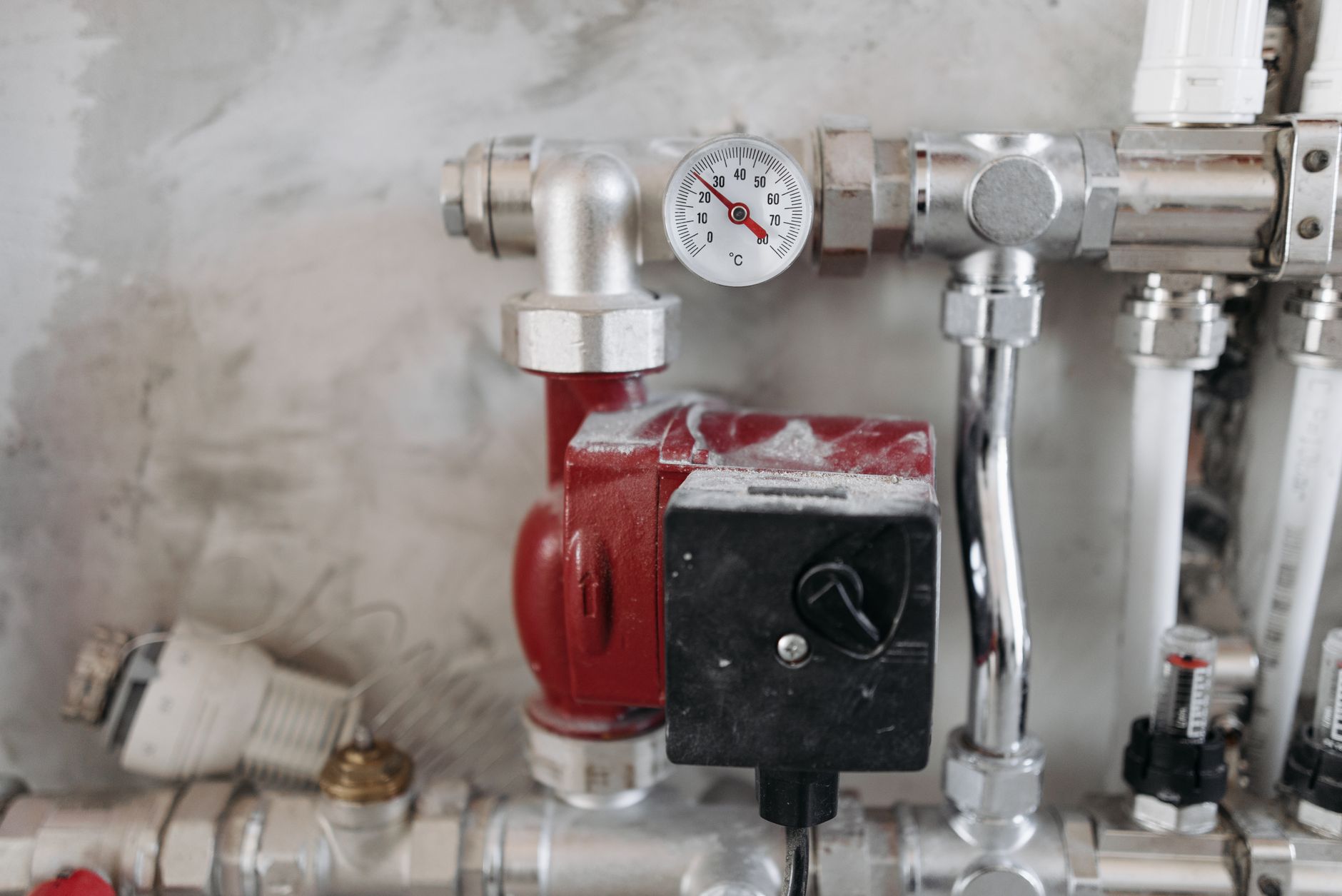
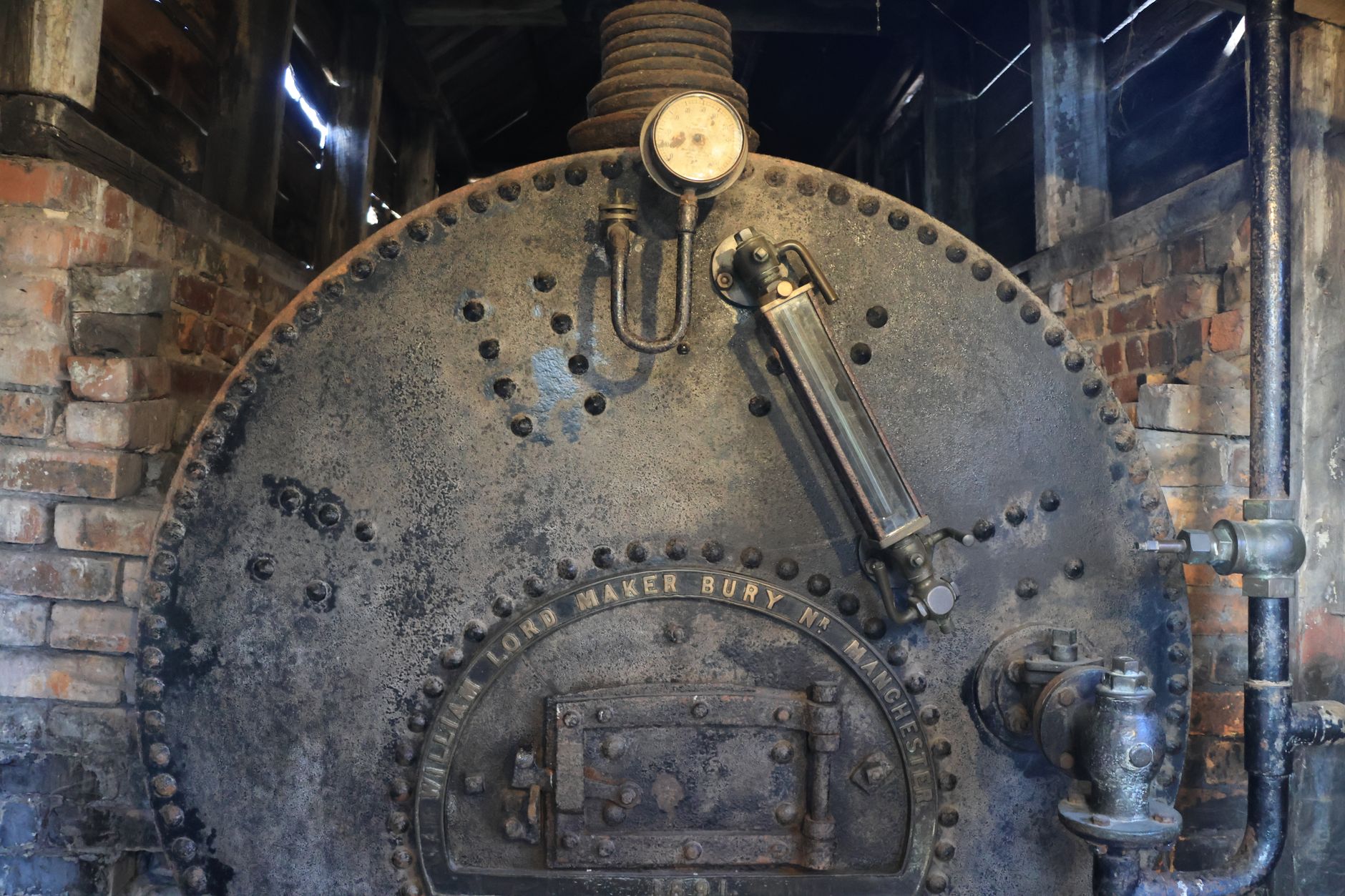
Hydronic mechanical rooms stack boilers, pumps, expansion tanks, and valve manifolds in tight rows. A human with a clipboard can miss a creeping pressure gauge or a valve that moved half a turn since last week. A mobile inspection robot carries a stabilized camera, a thermal sensor, and sometimes vibration or acoustic pickups on a fixed mast or arm so each stop produces comparable stills and clips.
The practical job is mechanical room rounds without guesswork: photograph gauge faces at a fixed distance, confirm valve handle angles against a painted reference, scan pump couplings for heat, and look under pipe racks for fresh moisture on insulation. None of that replaces a licensed boiler operator or your written lockout program. It gives facilities a dated visual baseline when staffing is thin on nights and weekends.
According to OSHA, there were 5,283 fatal work injuries in 2023. Mechanical spaces are not the largest share of that total, but they combine steam, electricity, rotating equipment, and confined layout. Anything that keeps skilled humans out of redundant visual work while preserving energy isolation rules is worth a serious pilot.
Why do hydronic plants need repeatability more than speed?
Hot water and steam systems fail slowly, then suddenly. A pump seal weeps for weeks before it sprays. A bypass valve creeps open and steals flow from a remote air handler. Without the same camera angle and lighting at each tag, your team argues whether a stain is new or just bad memory.
Teach-and-repeat navigation anchors the robot to floor features and labeled stops. Each stop should have a shot list: wide context, tight gauge, valve stem, pump motor tag, and drip pan. Store captures with asset ID, stop name, and run ID so week three compares to week one pixel for pixel.
Speed matters only after repeatability is proven. A fast blurry round is worse than no round because it creates false confidence.
Where should sensors sit on the robot for boilers and pumps?
Place the visible camera at roughly eye height on a mast that clears low pipe racks but stays below overhead valves you might strike. Thermal sensors work best when they can see bare metal on couplings, motor housings, and return headers without staring at reflective jacketing. Vibration or acoustic modules belong near pump skids, not on loose gratings that add noise.
Gauge photography needs consistent zoom and focus lock. Train operators to clean sight glass glare with a defined cloth step in the SOP, not ad hoc sleeve wipes that change reflection.
Leak detection starts at floor level. A low angled camera or small fixed downward view catches new puddles under PRVs and condensate traps that a straight-on thermal pass might miss if water is still cold.
- Boiler header: wide thermal plus tight pressure and temperature gauge stills
- Primary pumps: bearing housing thermal, baseplate moisture, coupling guard visual
- Valve manifolds: handle angle against witness mark, stem packing stain check
- Expansion tank and makeup water: gauge level, drip on fill line, meter read if visible
How do you set thresholds that maintenance will trust?
Start with human agreement, not factory defaults. Run two weeks of baseline captures while the room is healthy. Note normal thermal spread on pumps under load, expected gauge bands during heating season, and acceptable condensation on cold lines in humid weather.
Set alerts on change, not absolutes alone. A coupling that jumps several degrees above its own trailing average matters more than a single generic hot spot threshold copied from another site.
Pair every alert with context: prior image, current image, asset tag, and recommended next step such as tighten packing, schedule vibration analysis, or open a work order for seal replacement. Maintenance ignores bots that cry wolf on every sunny afternoon.
What escalation path fits a hospital, campus, or high-rise plant?
Tier one is auto-close: image stored, no anomaly versus baseline. Tier two notifies the on-call mechanic with photos and asks for acknowledgment within a defined window. Tier three pages engineering leadership and may trigger an energy isolation review if steam or fuel equipment is involved.
According to OSHA, control of hazardous energy (lockout/tagout) was the third most frequently cited OSHA standard in fiscal year 2024 for general industry. Robotic rounds must never command valve movement or breaker operation. They observe and document only while your lockout program governs any hands-on work.
Integrate alerts with your CMMS so a thermal spike on Pump B creates a draft work order with attachments. Remote triage from Service Robot Co. or your own controls vendor can confirm whether a spike correlates with a known schedule change before someone drives in at midnight.
How often should routes run in heating and cooling seasons?
Match frequency to load and risk. A single boiler room serving a school might need daily imaging during the first cold month, then three times weekly when stable. A campus central plant with redundant trains might run twice per shift on lead equipment and once on standby.
Increase cadence after any upset: low water event, power blip, or chemical treatment change. Reset the baseline after major valve work so you are not comparing post-repair photos to pre-failure norms.
Cooling season shifts attention to chilled water pumps, cooling tower makeup interfaces in adjacent rooms, and condensation on cold pipes. Keep the same stop names so annual reviews stay searchable.
What belongs in the audit binder beside robot photos?
Store run logs, human reviewer sign-off, calibration dates for thermal devices, and proof that the route avoided active lockout zones. Link boiler operator logs, water treatment reports, and combustion check records for the same day when leadership asks for a single story.
Insurers and joint commission style surveyors increasingly ask for trend evidence, not a single all-clear snapshot. A quarter of consistent rounds beats a rushed annual walkthrough with a phone flashlight.
When a robot flags an issue that humans confirm, attach the repair photo to close the loop. That closed loop is what turns inspection robot rental from a gadget trial into a capital justification.
When does inspection robot rental beat buying a dedicated crawler fleet?
Multi-building owners often have one brutal mechanical room and five easy ones. Month to month inspection robot lease terms with maintenance included let you prove ROI on the hard room before you standardize hardware, docks, and spares across a portfolio.
Robot as a service style programs also cover loaner units when a mast camera fails mid-season. That matters in January when every minute of heat matters and you cannot wait three weeks for a part.
Vendor neutral selection matters because no single OEM builds every sensor mix your plant needs. An integrator can pair a mobile base with the thermal and acoustic payloads your chief engineer already trusts, then finance and service the bundle under one contract.
How should facilities prepare the room before the first mapped run?
Clear trip hazards, mark stop locations on the floor, and label assets to match your CMMS. Confirm Wi-Fi or private LTE coverage without exposing building controls to guest networks. Walk the route with doors in their normal operating position, not wedged open for a one-time demo.
A free site assessment should happen during live operation so heat signatures reflect real flow, not a cold start after a weekend shutdown. Note acoustic noise from nearby exhaust fans that could mask bearing tones.
Train boiler operators on what the robot will and will not do. They remain the authority on limits, blowdown, and isolation. The robot is a disciplined photographer with sensors, not a replacement for licensed oversight where your jurisdiction requires it.
Where does Service Robot Co. fit on hydronic inspection programs?
Service Robot Co. selects mobile inspection hardware across manufacturers, finances deployment, maps repeatable routes, trains facilities staff, and backs the fleet with remote triage and on-site dispatch through a nationwide network of regional service engineers. One partner carries integration, spare coverage, and escalation playbooks instead of juggling separate camera, base, and software vendors.
Phased deployment fits plants that cannot shut a steam header for a science project. Start with inspection robot rental on the busiest mechanical room, tune thresholds with your mechanics, then expand to satellite rooms when the CMMS history proves fewer surprise leaks and fewer after-hours callouts.