Key takeaways
- NFPA combustible dust programs expect DHAs reviewed at least every five years and after major changes.
- Baghouse internals hide wear, bridging, and filter leaks that pressure gauges alone cannot show.
- Robots cut repeat confined entries during shutdowns but never replace lockout or hot work permits.
- Combustible dust housekeeping and ignition control still govern when imaging runs are allowed.
- Inspection robot rental fits seasonal outage windows better than owning specialty crawlers year round.
Why are dust collector internals hard to inspect?
Industrial dust collectors hide hopper bridging, filter bleed, and duct abrasion where operators only see differential pressure on a panel. A spike on the gauge might mean a torn bag, a collapsed cage, or a blinded row you cannot confirm without opening the cell during a planned outage.
Inspection robots for industrial dust collectors carry lighting and stabilized cameras into bag compartments, inlet ducts, and screw conveyor troughs while maintenance teams stay outside the worst dust zones. The deliverable is timestamped imagery tied to cell numbers your reliability team already uses.
Facilities that skip internal photos between turnarounds often discover wear at the wrong time: mid campaign when production cannot tolerate another day offline.
How do combustible dust rules shape the program?
NFPA fundamentals for combustible dust require facilities that handle or generate combustible particulates to complete a Dust Hazard Analysis and manage ignition sources, housekeeping, and maintenance programs. Industry guidance summarized by process safety firms notes DHAs must be reviewed and updated at least every five years, and sooner after significant process or equipment changes.
OSHA enforcement often references NFPA combustible dust practices under the Combustible Dust National Emphasis Program even though NFPA documents are not federal law on their own. State and local fire codes that adopt NFPA 1 or the International Fire Code can make those practices enforceable locally.
Robot imaging supports DHA follow up by documenting filter condition, accumulation points, and damaged grounding straps. It does not replace the qualified hazard review or written management system your standard expects.
What should a shutdown inspection cover?
Hopper cones and rotary valve throats need photos for buildup that can choke discharge or hide smoldering material. Inlet ducts and turning vanes show abrasion patterns that predict soon to fail elbows.
Filter bags, cages, and tube sheets need row by row stills for holes, misalignment, and dust cake that indicates cleaning system faults. Capture serial tags when bags are labeled for traceability.
Explosion protection hardware deserves visual checks: rupture panels, flameless vent paths, and isolation valve positions when your procedure allows safe access.
- Hopper and discharge: bridging, liner wear, vibrator damage.
- Clean air plenum: carryover dust, door seals, light fixtures.
- Duct runs: crease lines, weld cracks, accumulation ledges.
Where do robots beat ladders and manlifts?
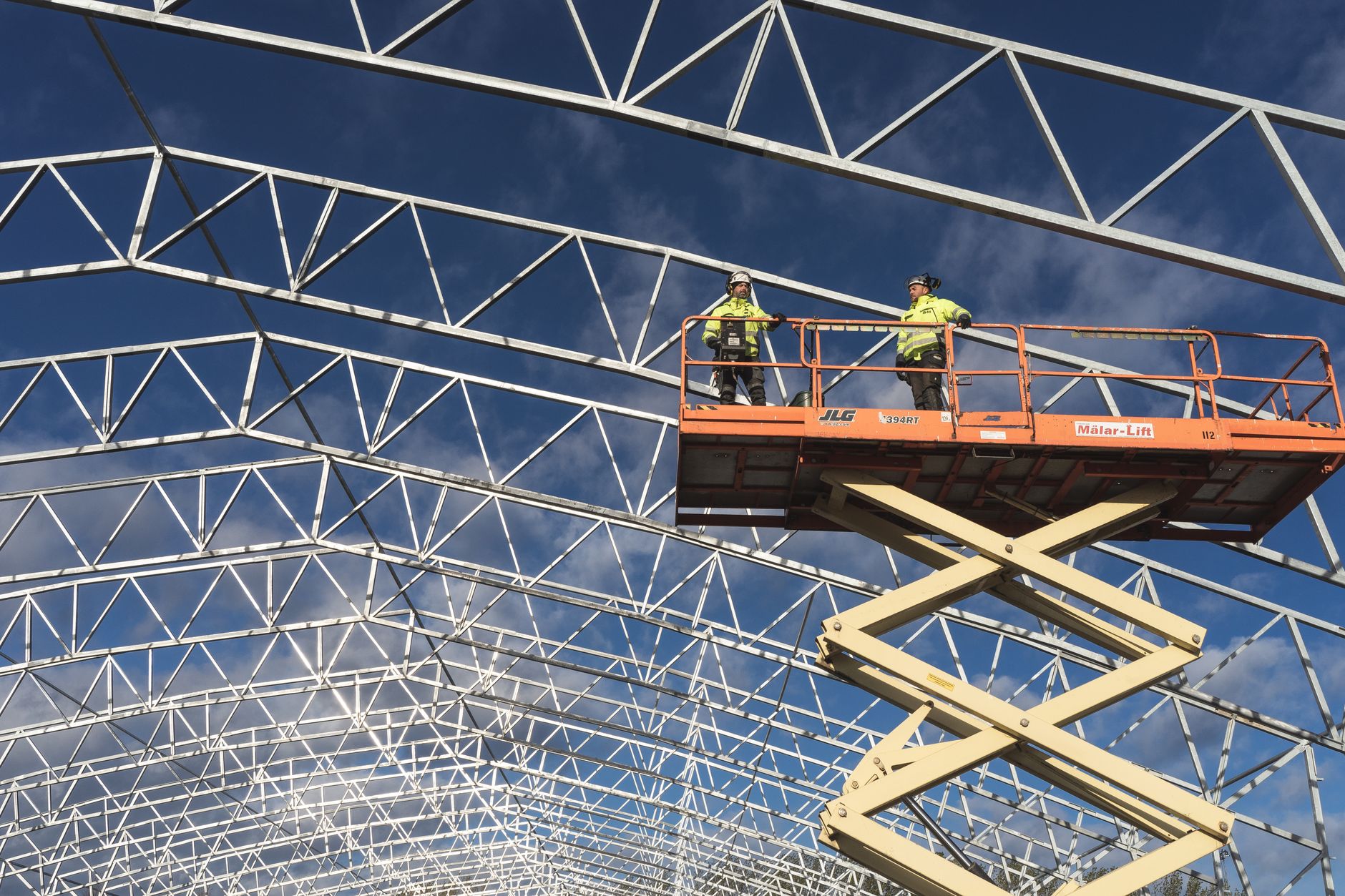
Tall baghouses stack cells where manlifts consume outage hours just to position a tech. A rail or tethered crawler on the tube sheet walks a programmed row while the lift team handles hands on tasks that require touch.
Horizontal duct runs above ceiling grid benefit from small crawlers that pull a reinforced cable through straight spans. The same route on the next outage compares groove wear without guessing which photo belongs to which spool.
When robotics cannot enter a classified zone without a full isolation plan, use pole cameras from approved access hatches and document the blind zones plainly.
What lockout and combustible dust controls apply?
Treat every internal pass as energized until lockout tagout isolates fans, rotary valves, and pulse cleaning air. Verify zero energy on dampers that could slam during imaging.
Combustible dust programs require housekeeping that limits accumulation on ledges and hidden surfaces. Do not run brushes or unapproved tools that could generate sparks in a dusty atmosphere.
Hot work, welding, and cutting near collectors stay under separate permits. Robot routes should avoid overlapping those windows unless your safety team authorizes a combined plan.
How should lighting and retrieval be planned?
Bag cells are dark even during the day. Bring explosion rated or intrinsically safe lighting that matches the area classification your electrician documented.
Plan tether anchors so cable drag does not snag bags or cages. Rehearse retrieval if traction fails on slick tube sheets dusted with fines.
Store raw video with outage ID, cell range, and lockout permit number so insurers and corporate safety can trace files during incident reviews.
What maintenance follow up closes the loop?
Reliability should turn photos into work orders: bag change lists, weld repairs, and cleaning system tuning. Compare pulse pressure trends before and after corrective work.
When imagery shows uniform bag wear on one row, investigate cleaning air distribution before replacing bags alone.
Feed summary slides into the five year DHA review so hazard analysts see physical condition, not only pressure logs.
When does inspection robot rental fit outage season?
Plants that run one major collector outage annually may not justify owning a baghouse crawler. Inspection robot rental swaps duct crawlers for hopper poles between a cement kiln baghouse and a food plant dust collector.
Service Robot Co. selects platforms across manufacturers, maps routes with your maintenance and safety leads, and trains staff on lockout, tethering, and file naming. We finance buy or rent paths and support fleets with remote triage plus on site dispatch through a nationwide network of regional service engineers.
Start with a free site assessment on one cell line during the next planned shutdown. Compare stills to the last turnaround report, then expand only where imagery shortens the next outage scope.