Key takeaways
- Remote rounds give you dated photos and map-tagged clips at each wellhead, not a single annual windshield tour.
- Robots repeat visible checks and tripwire gas hints; they do not replace certified sampling or signed compliance reports.
- Methane-rich zones need hazardous-location planning, flare no-go buffers, and wind-aware scheduling for any sniffers.
- Soft caps, side slopes, and post-storm mud break routes unless paths are taught on real footing before autonomy.
- Inspection robot rental on a monthly program can track seasonal staffing without capitalizing a crawler between expansion phases.
Why are landfill operators looking at remote environmental rounds?
Landfill gas systems demand attention at wellheads, lateral headers, valves, manifolds, and the visible edge of flare areas long before a formal inspection arrives. Remote environmental rounds mean a mobile platform repeats the same path on a calendar, capturing aligned photos, optional thermal frames, and logged coordinates at each stop.
The point is continuity. A technician driving the perimeter weekly still misses the same valve angle at dusk or the hairline crack that opened after a storm. A robot that stops at fixed poses builds a film strip your environmental team can scroll in ten minutes.
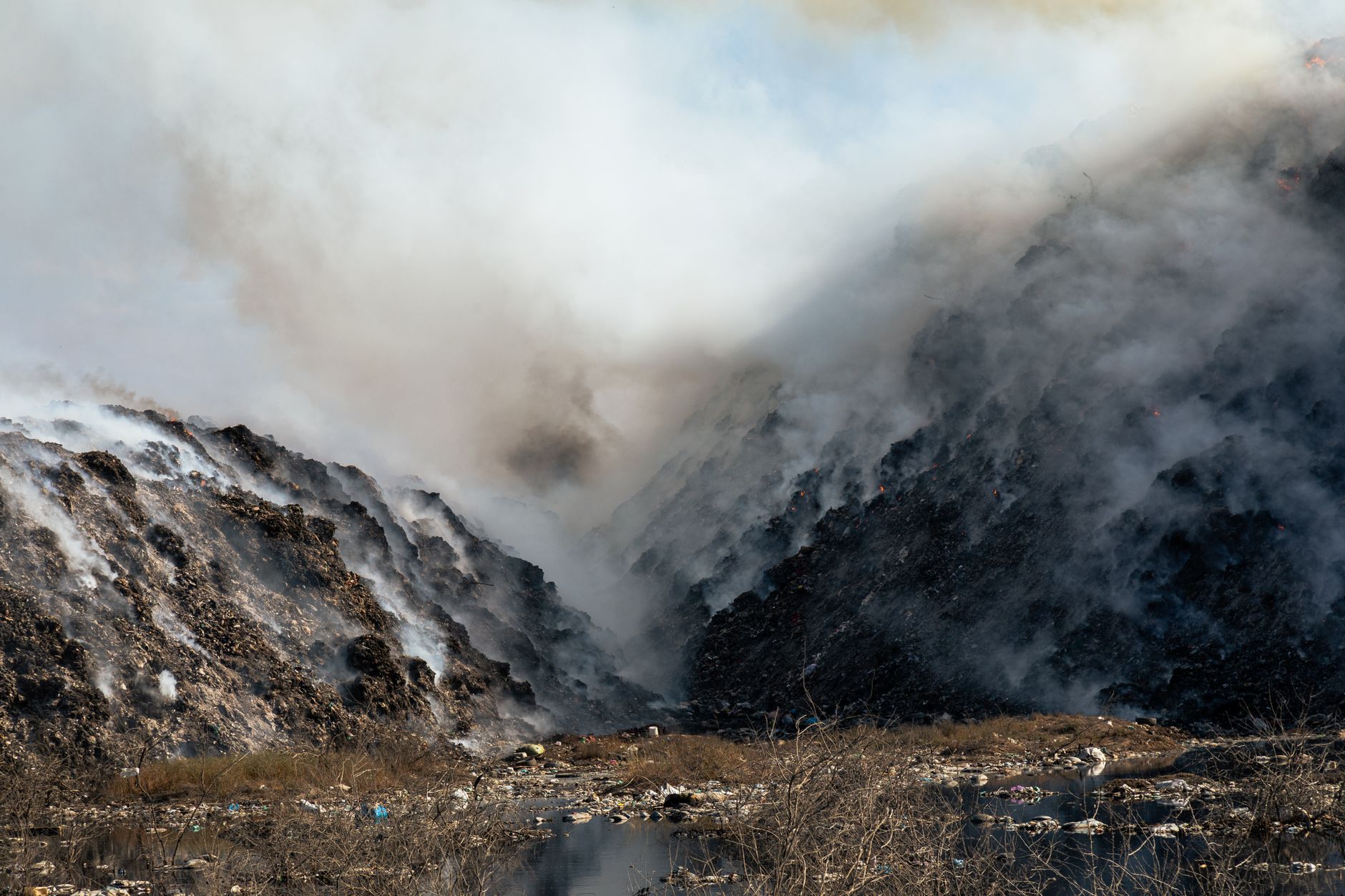
According to the U.S. Environmental Protection Agency, many municipal solid waste landfills fail surface emissions monitoring and monthly wellhead checks even when a gas collection system is installed. EPA field teams have recorded surface methane readings more than 100 times above the 500 parts per million above background operational standard in recent inspections.
Robots do not fix regulatory culture. They make gaps visible earlier so maintenance and compliance staff argue over facts, not memory.
What belongs on the first inspection route?
Start with extraction wells and manifolds reachable from gravel service roads. Capture cap integrity, valve handle position, and staining near flex hoses.
Add visible header segments where covers stay intact and truck traffic is controlled. Note ponded water, eroded berms, and vegetation stress that often precedes analyzer alarms.
Include flare pad fencing and posted limits from the safe side of the hot work boundary. Never route through active combustion zones or blower rooms without a written safety review.
Hold steep side slopes and closed cells until your safety officer sets geofenced buffers that match gas migration maps and daily wind forecasts.

How do federal rules shape what you must still do by hand?
Under 40 CFR Part 63 Subpart AAAA, owners and operators with gas collection must monitor wellhead gauge pressure, landfill gas temperature, and oxygen or nitrogen concentration monthly. Enhanced monitoring kicks in when wellhead temperature exceeds 62.8 degrees Celsius, which is 145 degrees Fahrenheit, including weekly methane checks using EPA Method 3C or equivalent calibrated analyzers.
Surface emissions work runs on a separate clock. Operators must traverse the collection area at intervals no greater than 30 meters, plus cover penetrations, using portable analyzers that meet the rule's instrument specifications. Exceedances of 500 parts per million above background trigger corrective action timelines measured in days, not quarters.
A robot can photograph a distressed patch of cover and log coordinates within four meters, but it cannot sign a semi-annual report or substitute for Method 21 surface monitoring unless your compliance plan explicitly maps robotic media to human follow-up tasks.
Technicians remain the authority on sampling, calibration, and permit interpretation. Robots shrink windshield time and widen the audit trail.
Where do onboard sensors help and where do they mislead?
Mobile methane sniffers along a path are useful tripwires. Wind shifts and short plumes make a single walking reading easy to misread, so treat robot gas hits as pages to a human with a calibrated meter, not as compliance samples.
Thermal cameras highlight hot flare skids, seized blowers, and electrical terminations. Visible-light zoom reads gauge faces and asset tags without opening enclosures on every pass.
Optical gas imaging is rare on small crawlers but valuable when your vendor supplies it for header leaks above grade. Budget for training so reviewers know false color from real plumes.
No payload replaces laboratory analysis or the chain of custody your state agency expects on formal measurements.
- Fixed-pose visible photos tied to asset IDs
- Thermal clips on mechanical and electrical assets
- Tripwire gas readings with mandatory human confirmation
- Map or GPS tags on each clip for week-over-week compare
How do hazardous atmospheres change robot planning?
Landfill gas carries methane and sometimes hydrogen sulfide. Routes must respect posted exclusion zones around flares, blowers, and trench openings. Robots should not enter confined spaces, manholes, or sumps.
Equipment rated for hazardous atmospheres costs more and still needs joint approval from environmental and safety leads. Many sites begin with outer-road loops only, then expand after documented walks with zero ignition sources near active work.
Static control, hot work permits, and spark rules apply to any new powered device. Coordinate with the same team that signs off on blower maintenance.
Schedule sniffing legs when typical wind aligns with your sensor placement, and pause during gust advisories if operators cannot trust downwind readings.
Why does terrain punish map-only routing?
Caps settle unevenly. A line drawn in GIS can drop a wheel into a soft panel after rain. Teach paths on foot, then let autonomy repeat at reduced speed until ruts stabilize.
Gravel access roads change grade when waste placement shifts. Revalidate clearance after heavy compactor traffic or a new lift comes online.
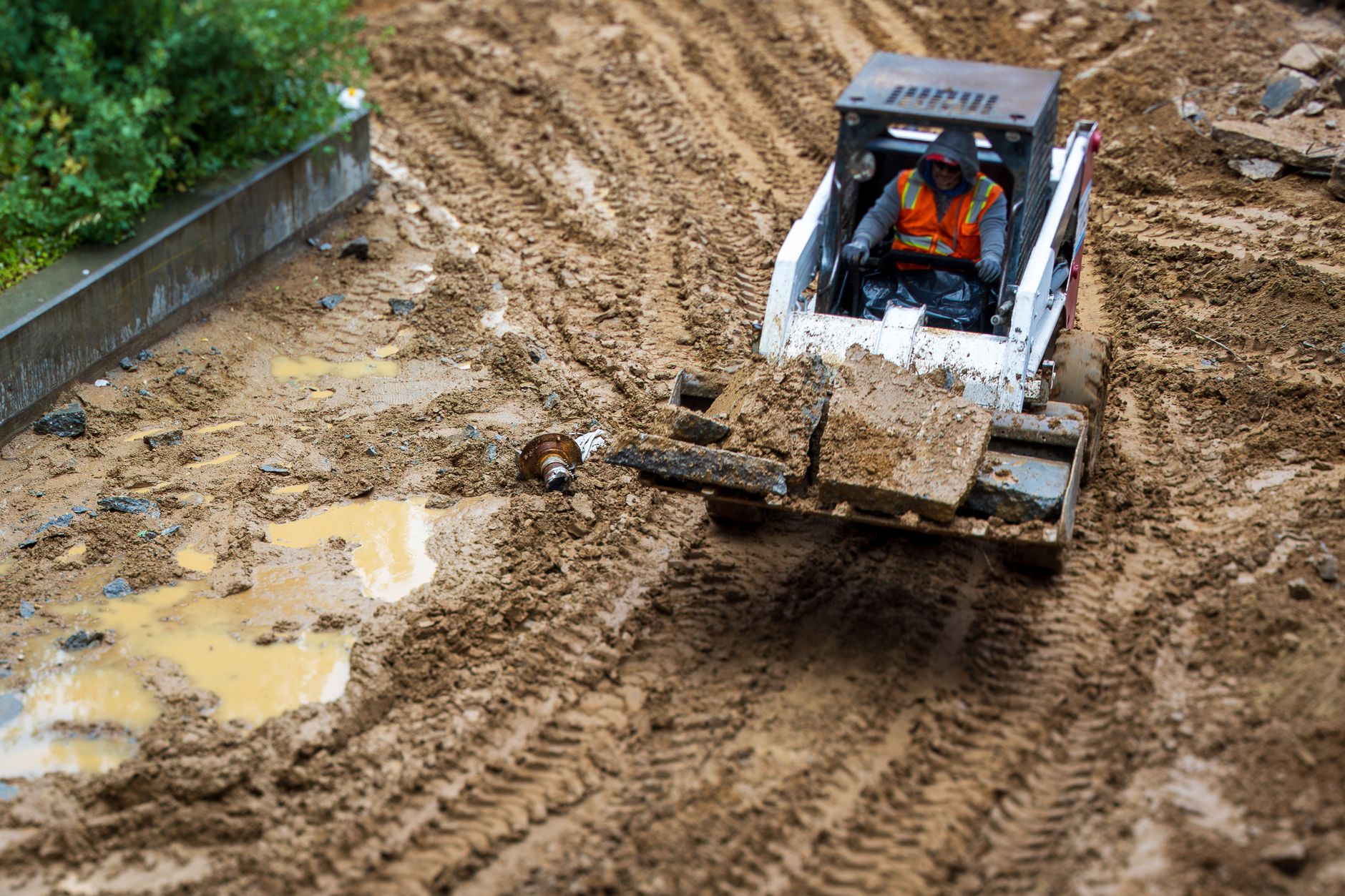
Mud packs treads and fogs downward cameras. Build a brush or wash step into every return to the charging pad.
Frost heaves marker posts in northern sites. Refresh geofences when wellheads move during expansion projects.
How should logged media feed maintenance and compliance?
Push clips into the same system that tracks wellhead work orders. Tag each file with asset ID, pose name, and timestamp so reviewers scroll year over year without hunting folders.
Define alert tiers: cosmetic cover change logs only, suspected valve movement pages the field tech, elevated gas tripwire opens a same-day human sampling task tied to your corrective action plan.
Regulatory visits still need human signatures. Robots supply the visual history that makes those walks shorter and less contentious.
Retention should match permit and insurer expectations. Many operators keep multi-year visual records even when live SCADA data rolls faster.
What does market data say about inspection automation?
The International Federation of Robotics reported 395 inspection and maintenance service robots sold worldwide in 2023, up 67 percent from 237 units in 2022, in its World Robotics 2024 sample. The category remains small compared with logistics and cleaning, which reflects how young autonomous inspection still is on harsh outdoor sites.
Professional service robot shipments overall exceeded 205,000 units in that same 2023 sample, up 30 percent year over year. Growth in inspection is uneven, but landfill and utility operators cite labor turnover and documentation pressure as reasons to pilot crawlers now.
Treat vendor slides as marketing until your pilot produces side-by-side clips with manual rounds. Numbers from industry reports set context; your cell's mud and wind set feasibility.
How can Service Robot Co. support a landfill gas pilot?
Service Robot Co. is a vendor-neutral commercial robot integrator for U.S. businesses. We match hardware to the route, then handle financing, deployment, training, and nationwide service through regional engineers in all fifty states.
A practical pilot covers one header loop and ten to fifteen wellheads for thirty days beside existing manual rounds. Expand only after environmental staff trust alert quality and hazardous-area boundaries hold in practice.
Inspection robot rental through a monthly payment program spreads cost across active cell life without capitalizing a platform that may need a different payload after the next waste placement plan.
One integrator owns spares, firmware, and route edits when the gas field layout changes. That beats juggling separate vendors for navigation, sensors, and field repair.
What does a ninety-day field trial look like?
Month one maps poses, writes safety buffers, and baselines thermal images on mechanical assets. Month two runs twice-weekly loops while technicians log false positives and missed angles.
Measure hours saved on windshield surveys separately from hours spent reviewing footage. Both belong in the memo to leadership.
Stop the trial if mud or gas alarms force repeated manual rescues. Fix footing, cleaning, or route scope before blaming navigation.
End the quarter with a decision on frequency, additional headers, or shifting budget from overtime tours into a longer rental term.