Key takeaways
- Robots inspect hazardous, confined spaces in water treatment plants, preventing human entry into dangerous areas.
- Quadruped and crawler robots use advanced sensors to detect leaks, corrosion, and blockages with high precision.
- Robotic inspections generate detailed digital records and 3D models, improving predictive maintenance over time.
- An OEM-neutral integrator helps municipalities select the right robot for specific inspection tasks, from narrow pipes to large basins.
- RaaS and leasing models make advanced inspection robots accessible to public utilities without large upfront capital investment.
The Core Challenge of Water Infrastructure Inspection
Municipal water treatment facilities are vast, complex networks of pipes, tanks, channels, and basins. Keeping this critical infrastructure in a state of good repair requires constant inspection to identify corrosion, leaks, and blockages before they become catastrophic failures. According to the American Society of Civil Engineers' (ASCE) 2025 Infrastructure Report Card, the nation's drinking water systems received a C- grade, while wastewater systems scored a D+.
Traditionally, these inspections have required human entry into some of the most dangerous work environments imaginable. The work is vital, but it carries inherent risks from confined spaces, hazardous gases, and structural instability. A single water main break can cost thousands of dollars to repair, and nationwide, these incidents cost an estimated $2.6 billion annually.
Today, autonomous mobile robots are entering these spaces instead of people. Specialized quadruped (four-legged) and crawler robots now perform these inspections safely and with greater accuracy. They navigate areas unsafe for human teams, gathering precise data on structural integrity and asset conditions without putting a single person at risk.
What Makes Manual Inspections So Difficult and Dangerous?
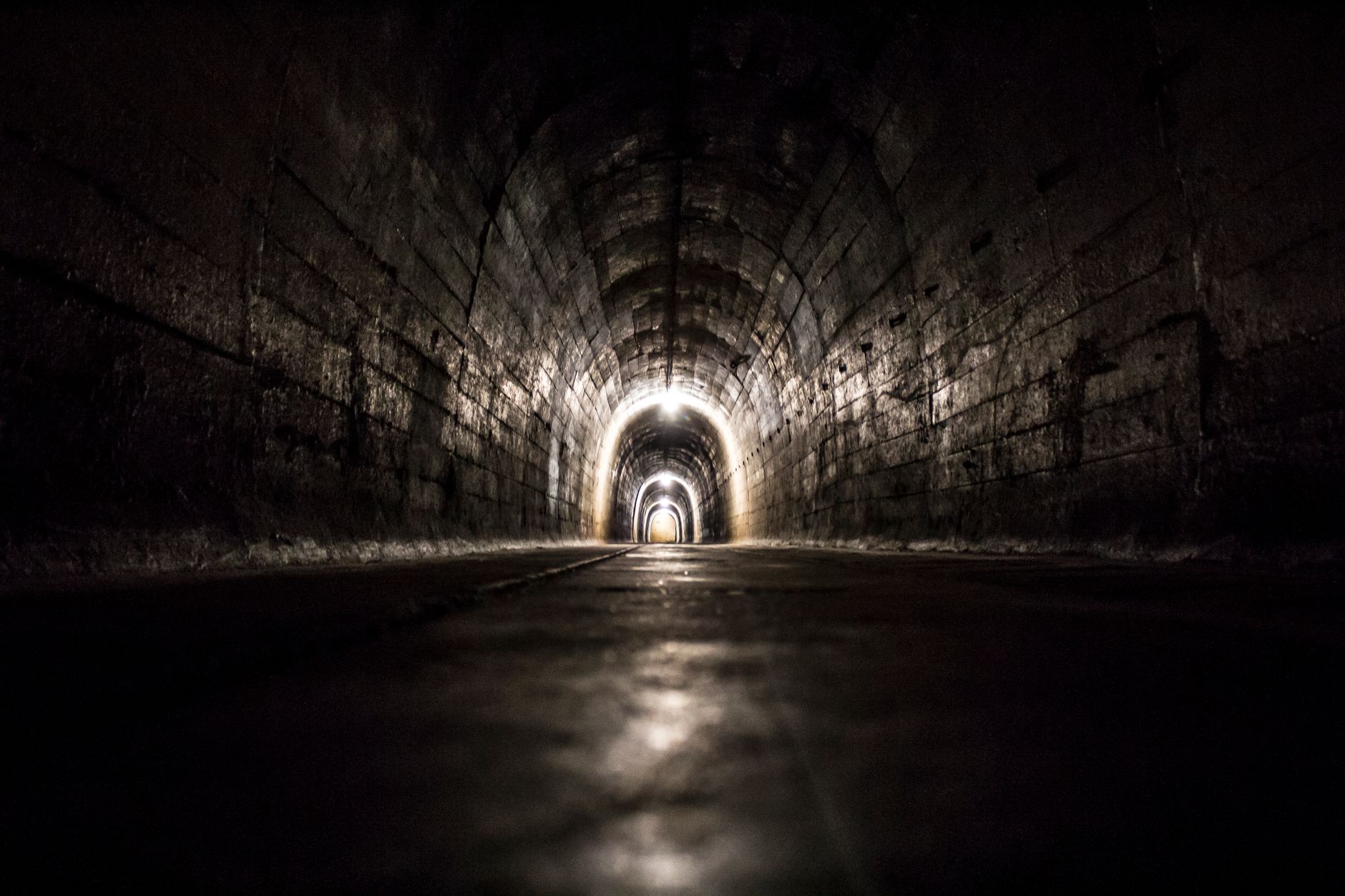
The primary danger in a water treatment facility is the prevalence of permit-required confined spaces. Collection systems, treatment tanks, and distribution pipes often have limited entry and are not designed for continuous human occupancy. According to the Occupational Safety and Health Administration (OSHA), these spaces pose immediate hazards.
Atmospheric threats are common. Hydrogen sulfide, a byproduct of decaying matter, can cause dizziness, loss of consciousness, or even death at high concentrations. Methane gas can displace oxygen, leading to asphyxiation. The physical environment is equally treacherous, with wet surfaces increasing the risk of slips and falls, and inwardly converging walls creating entrapment risks.
Because of these dangers, human-led inspections require extensive safety protocols, including ventilation, gas monitoring, and standby rescue teams. This necessary preparation is time-consuming and costly, which can lead to inspections occurring less frequently than is ideal. This deferral of maintenance allows minor issues like corrosion or small cracks to escalate into major system failures.
How Do Crawler Robots Inspect Pipes and Channels?
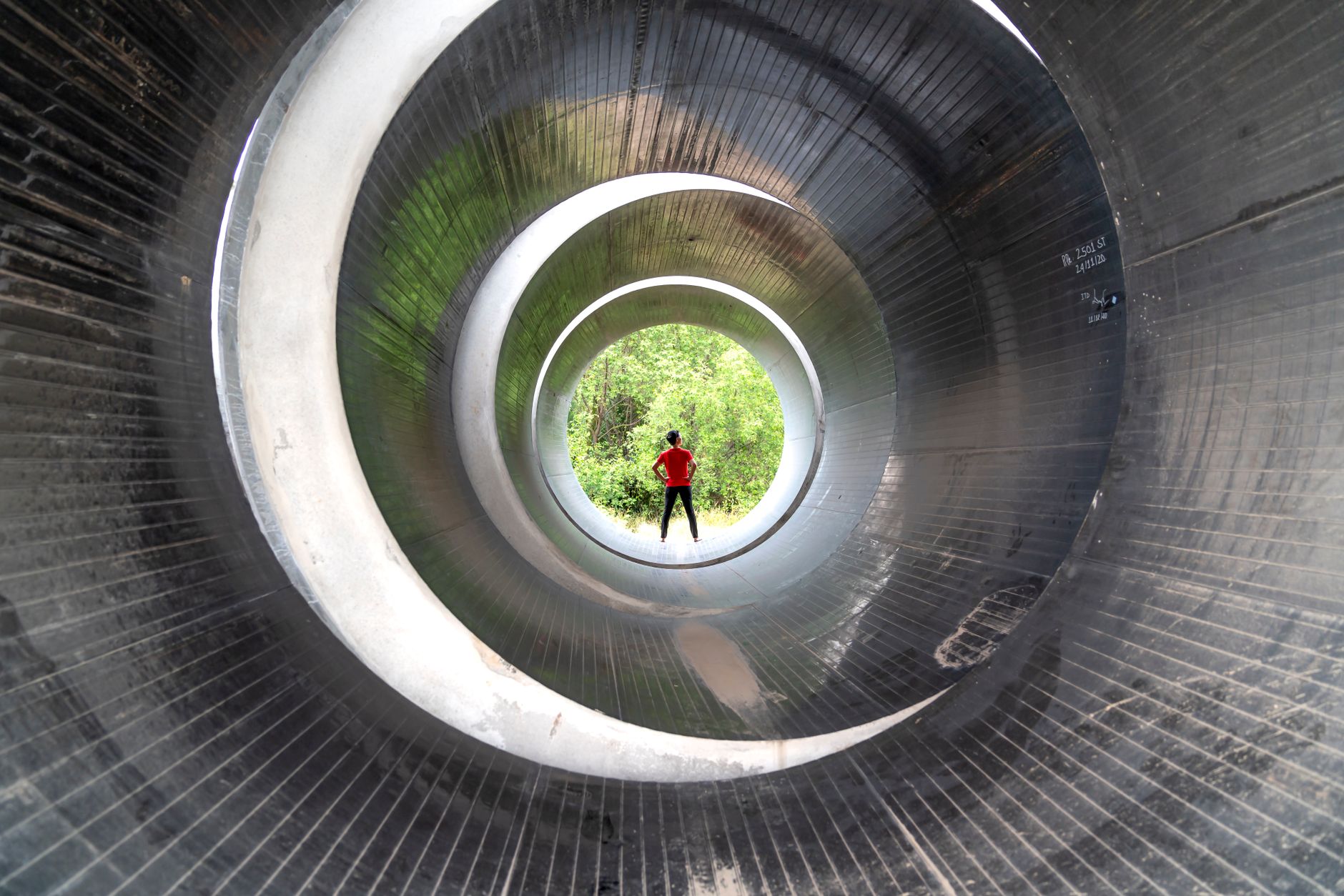
Crawler robots are the specialists for linear infrastructure like pipes and culverts. These tracked or wheeled robotic platforms are purpose-built to travel through conduits with diameters ranging from a few inches to several feet. They provide a clear, firsthand view inside miles of buried or inaccessible piping.
These robots are typically equipped with a payload of sophisticated sensors. High-definition and 4K cameras with 360-degree pan and tilt capabilities offer detailed visual data, allowing operators to spot cracks, joint misalignments, and sources of infiltration. Many are fully submersible to inspect active, water-filled lines.
Beyond simple visuals, crawlers can carry ultrasonic sensors to measure pipe wall thickness, detecting corrosion or material loss from the inside. Laser profilers create a digital cross-section of the pipe, precisely measuring deformities or mapping sediment buildup. This data allows for targeted, efficient cleaning and repair operations, replacing guesswork with exact measurements.
Why Use a Quadruped Robot for Tanks and Unstructured Spaces?
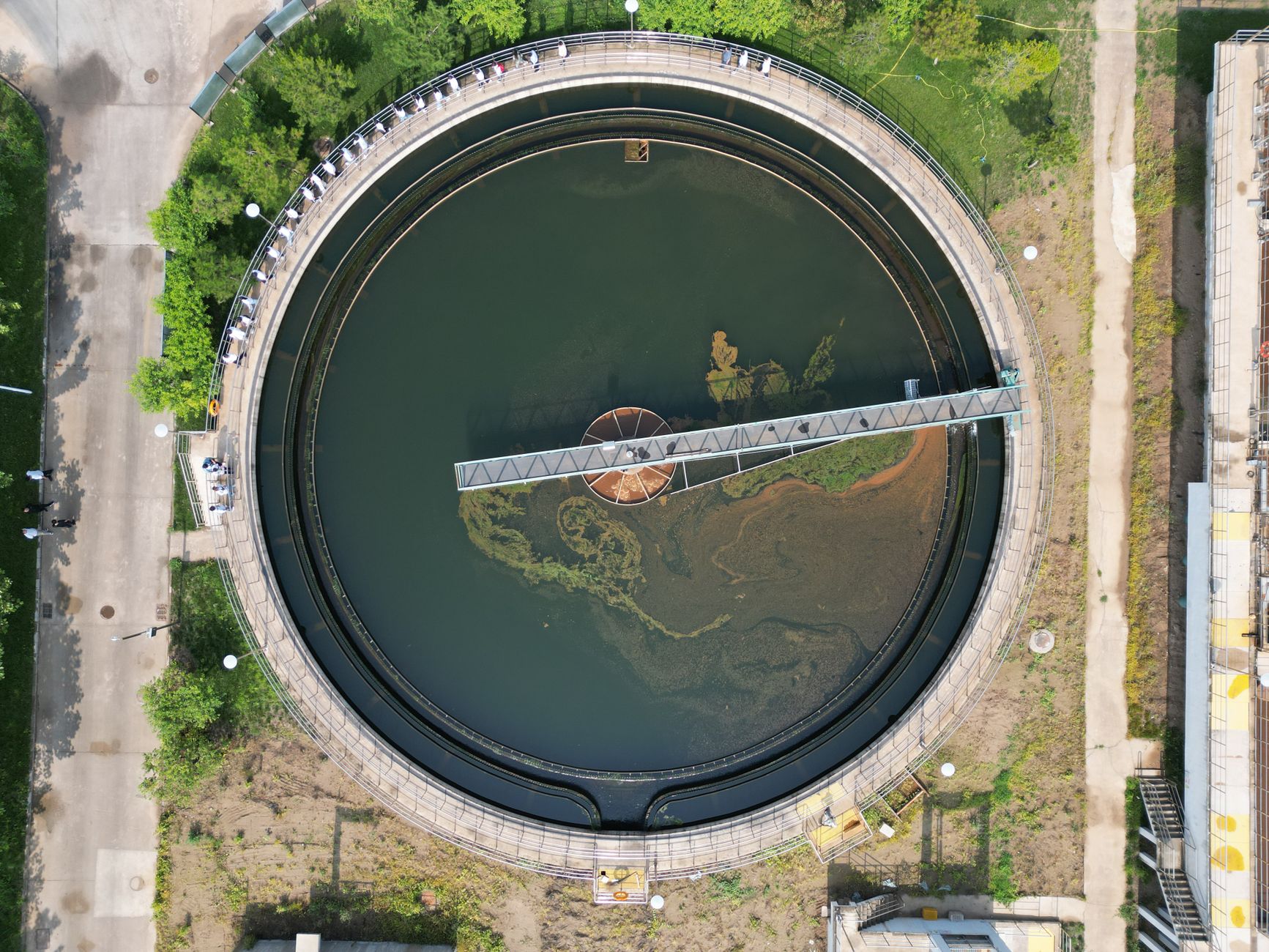
While crawlers excel in pipes, quadruped robots offer unmatched mobility for the unstructured and complex environments of a treatment plant. These four-legged robots can navigate terrain that would stop a wheeled or tracked machine, including stairs, grating, and debris-filled basins.
Their primary advantage is the ability to carry a heavy payload of sensors into almost any area. A quadruped can be equipped with a radiometric thermal camera to identify temperature anomalies on pumps and motors or to spot leaks in tank walls. With a mounted 3D LiDAR scanner, it can autonomously patrol a large sedimentation tank, creating a precise digital twin that tracks structural changes over time.
These robots are also ideal for atmospheric monitoring. Outfitted with multi-gas detectors, a quadruped can safely enter a space to check for hazardous conditions like low oxygen or high concentrations of volatile organic compounds before a human team ever considers entry. This remote verification of safety is a fundamental shift in procedural risk management.
What Kind of Data Do Inspection Robots Collect?
The output of a robotic inspection is far more than a simple video feed. It is a comprehensive, data-rich portrait of asset condition. Robots collect objective, measurable, and geolocated data that forms the foundation of a modern predictive maintenance program.
Instead of a report saying a pipe shows "some corrosion," a robot provides ultrasonic thickness readings accurate to the millimeter. Instead of a note about "a crack in the tank wall," a robot's 3D scan provides the exact length, width, and location of the fissure. This level of detail is critical for engineering assessments and resource planning.
This data creates an invaluable historical record. When a robot inspects the same pipe network or basin year after year, facility managers can track the rate of degradation with certainty. This allows them to move from a reactive repair model to a predictive one, replacing assets based on data-driven timelines, not sudden failures.
Choosing the Right Robot: The Role of a Vendor-Neutral Integrator
The robot needed to inspect a 12-inch sewer main is fundamentally different from the one needed to create a 3D map of a million-gallon clarifier tank. A municipality does not need just any robot; it needs the right robot for a very specific set of tasks. This is where a vendor-neutral integrator becomes a critical partner.
Service Robot Co. is a full-service commercial robot integrator. We do not manufacture robots, so our guidance is not tied to any single brand. Our process begins with a free site assessment to understand the unique challenges of your facility. We then identify the best-fit quadruped or crawler robot from across the industry to meet your specific inspection needs.
As one partner providing one number to call, we manage the entire lifecycle. This includes financing, deployment, system integration with your existing asset management software, and training your staff. Our nationwide network of US engineers provides ongoing service and maintenance, ensuring your inspection program operates without interruption.
Making Advanced Robotics Accessible: RaaS and Leasing Models
The capital cost of specialized inspection robots can be a significant barrier for municipal governments and public utilities. However, modern acquisition models remove the need for large, upfront expenditures, making this technology financially accessible.
Robot as a Service, or RaaS, is a monthly subscription model that bundles the hardware, software, maintenance, and support into a single, predictable operating expense. There is no upfront capital required. This approach allows a facility to gain the benefits of robotic inspection while preserving its capital budget for other critical infrastructure projects.
Leasing and rental programs offer similar flexibility. A `robot leasing for business` plan can provide a clear path to ownership, while an `inspection robot rental` might be perfect for a one-time, large-scale assessment. At Service Robot Co., our `monthly payment programs` include a complete `robot maintenance service plan`, `on-site dispatch` for repairs, and even `backup robot program` options to ensure zero downtime.