Key takeaways
- Expansion joints concentrate water, salt, and movement, so they fail before surrounding deck slabs.
- Repeatable robot viewpoints turn one-off photos into a time series engineers can compare.
- Traffic control and lighting plans matter as much as the camera on the deck.
- Robots document conditions; licensed engineers still interpret structural significance.
Why do parking garage expansion joints need their own inspection program?
Parking structures move every day. Thermal cycles, live loads, and seasonal moisture swell and shrink concrete bays. Expansion joints sit where that movement is supposed to happen, which also makes them the first place sealant fails, armor angles corrode, and water finds a path into the deck.
A quick walk with a flashlight catches obvious gaps. It rarely produces the same angle, scale, and lighting on visit two and visit three. Facilities teams need a record that a structural engineer can open months later without guessing which crack grew.
Inspection robot rental programs focus on documenting joint lines, blockouts, and adjacent spalls on a fixed schedule. The goal is condition history, not a robot replacing stamped engineering judgment.
What should mobile imaging capture at each joint?
Start with a wide pass that shows the joint in context: bay lines, drains, curbs, and any staining on the slab below. Follow with close passes on sealant continuity, header concrete, and metal angles if present.
Leakage evidence matters as much as the joint itself. Photograph drip lines on soffits, mineral deposits, and ponding patterns that point to failed drainage rather than failed sealant.
Thermal imaging can highlight active moisture paths when the deck has dried on the surface but subsurface contrast remains. Pair thermal frames with visible light stills so reviewers are not interpreting color alone.
Document vertical faces where parapets meet expansion headers. Those corners trap salt brine and often show spalling before the horizontal joint line does.
Capture both sides of each joint when the deck geometry allows. A failure visible from the underside may be invisible from the drive lane until water staining appears on columns below.
- Sealant adhesion, tears, and open gaps
- Spalling or delamination at joint blockouts
- Corrosion on exposed plates and anchors
- Staining and active drip below the joint line
How do repeatable viewpoints change engineer review?
Teach-and-repeat routes stop at the same standoff distance and height at each joint ID. That consistency lets an engineer overlay last quarter and this quarter without manual alignment tricks.
Tag every image with deck level, joint number, and traffic state during capture. A joint photographed during light traffic looks different from one shot during a full closure, and both are valid if labeled.
Deliver packages in formats your consultant already uses: geotagged folders, PDF contact sheets, or a simple viewer link. The robot earns trust when the deliverable drops straight into their workflow.
Version your route files when construction staging moves barriers. A joint that was open in January may sit behind temporary fencing in March, and unlabeled skips look like missing data in a trend chart.
What traffic control does deck inspection require?
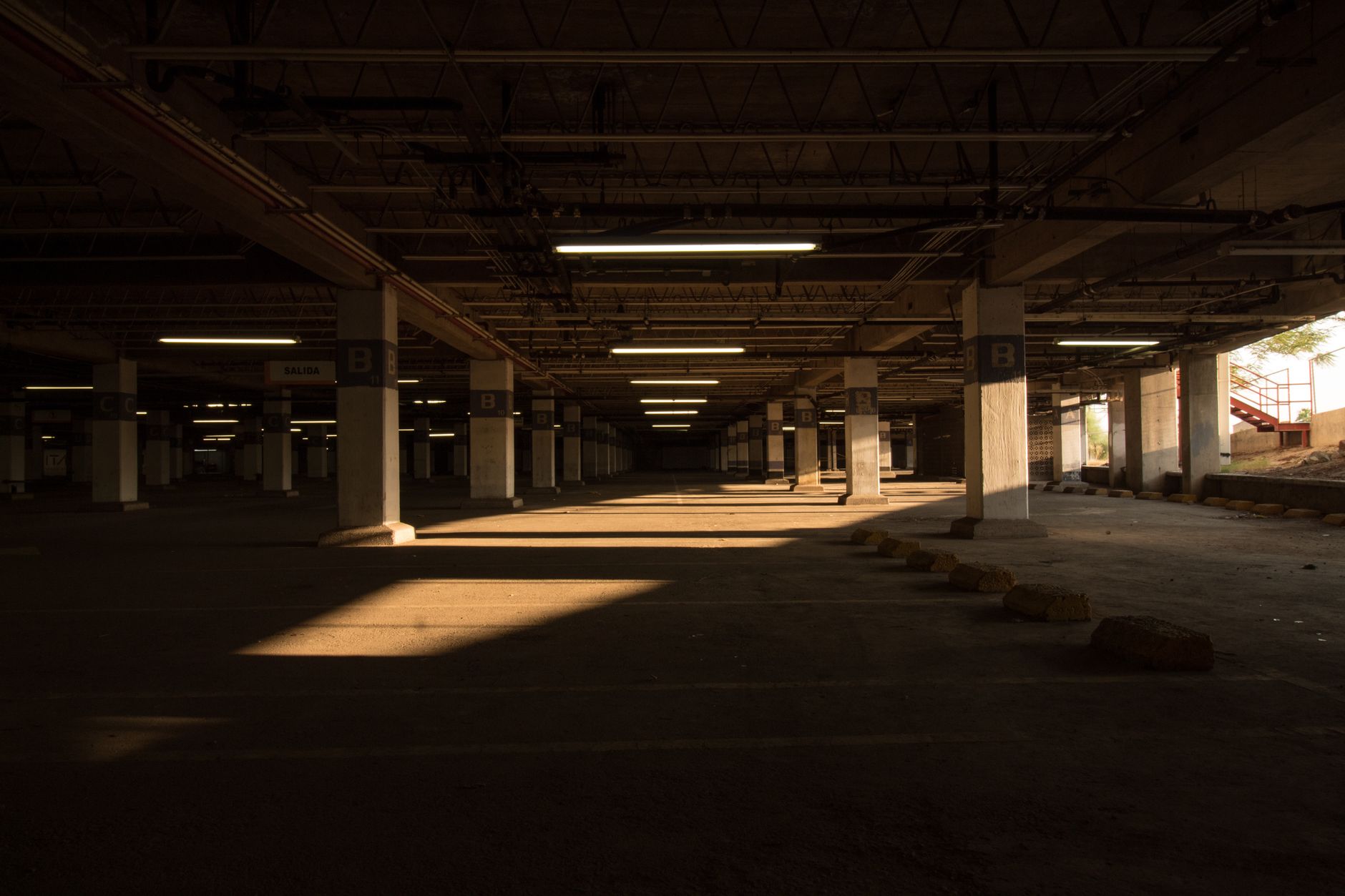
Most garages cannot shut down all ramps for a casual survey. Plan partial closures by level, often overnight or between peak commuter windows.
Keep humans out of the robot path even when speeds are low. Use cones, gate attendants, and radio check-ins at ramp mouths so a returning vehicle does not meet the inspection train mid-aisle.
Coordinate with parking operators on payment equipment, gate arms, and elevator lobbies. A route that crosses a cashier lane needs the same written approval as a route that crosses a fire lane.
How do lighting and deck surface conditions affect image quality?
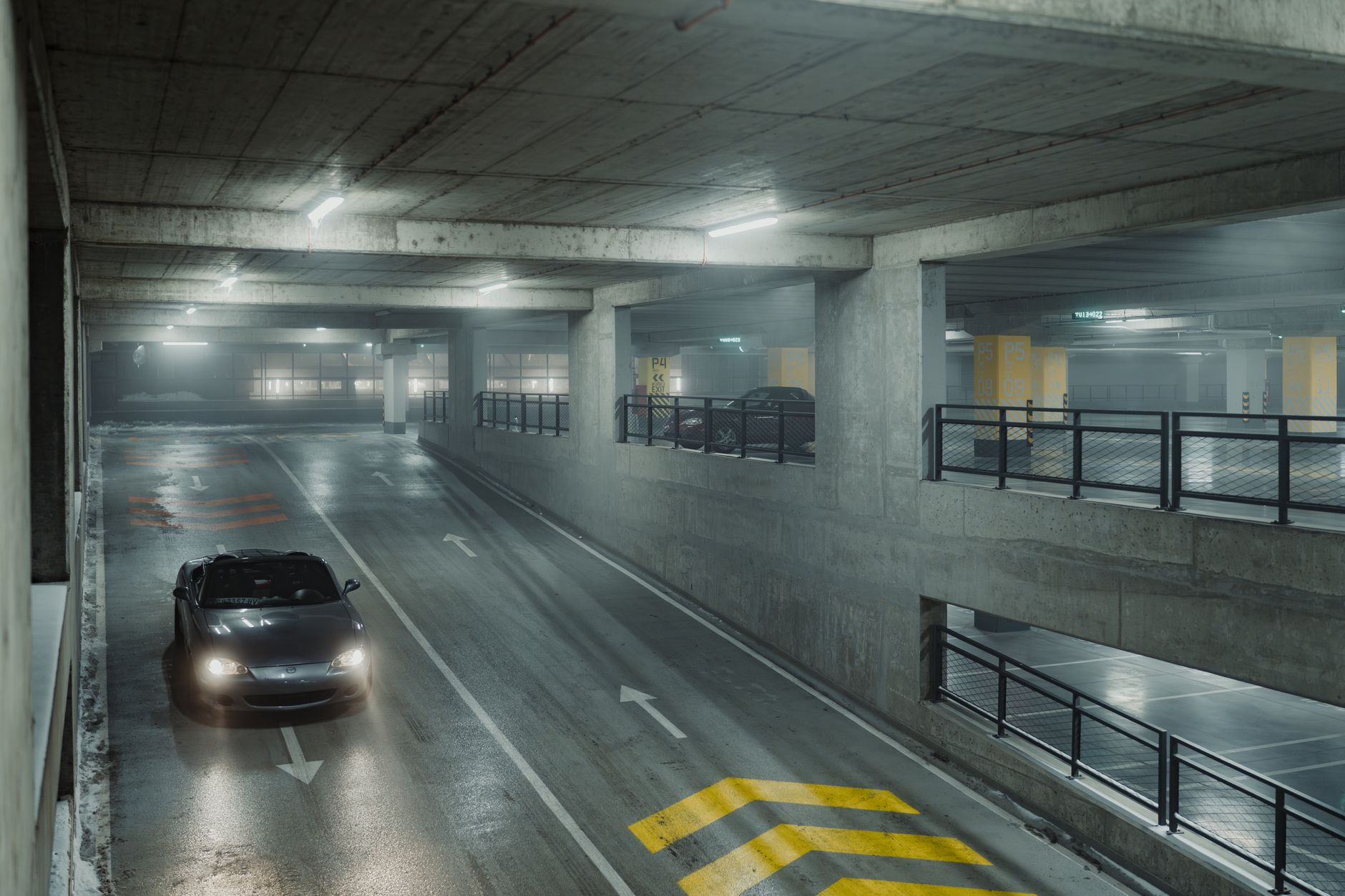
Garage lighting is uneven by design. Sodium fixtures, daylight at ramp mouths, and deep shadow under low ceilings all confuse auto exposure. Lock exposure where possible and bracket stills when glare is unavoidable.
Wet decks after rain add specular highlights that hide hairline sealant splits. Many teams schedule passes after surfaces have dried but before salt residue whitens the joint.
Tire residue and oil films darken joints in drive lanes. A quick sweep or blower pass before imaging can be cheaper than re-running the route because contrast was too low.
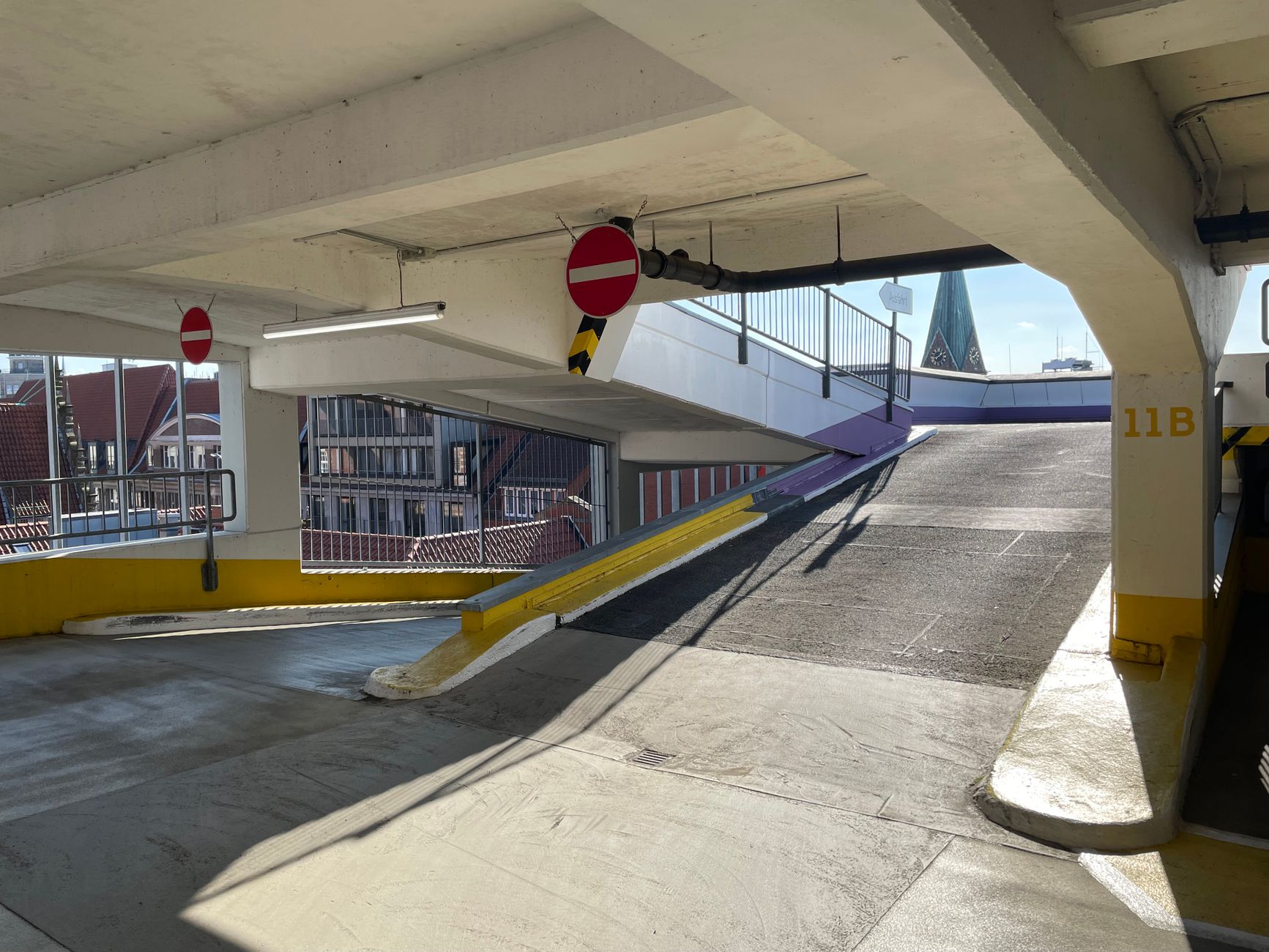
Ramp transitions change pitch and shadow. Program slower speeds and extra stills at the top and bottom of each ramp where drivers brake and fluid leaks concentrate.
If your garage uses LED retrofits, note color temperature in the log. A route shot under warm sodium and remapped under cool LED will look like sealant changed when only the light did.
What measurement limits should you expect from cameras alone?
Consumer and industrial cameras excel at documenting presence and change. They do not replace crack width gauges, joint opening measurements, or core samples without calibrated rigs and trained operators.
Scale references in frame help. A known-size target at the joint line makes desktop review more honest than guessing from pixel count.
When movement quantification is required, pair imaging with survey control points or traditional instrumentation on a subset of joints. Use the robot for coverage and reserve manual measurement for critical locations your engineer flags.
Stereo or structured-light payloads can estimate surface relief on small patches, but specular wet concrete still breaks correlation. Treat 3D outputs as supplemental unless your integrator validates them on your deck finish.
For legal defensibility, store raw files alongside any compressed review set. Engineers sometimes need to reprocess exposure when a hairline question appears after the first pass.
When does inspection robot rental beat buying a dedicated fleet?
Owners with one problem garage and several healthy structures often rent for a seasonal campaign rather than capitalizing carts, batteries, and software for every property.
Month to month robot lease terms with maintenance included let you prove deliverable quality before you standardize routes across a portfolio.
Vendor neutral integrators can shift from a ground robot to a mast or crawler mid-project if ramp slopes or headroom block the first platform.
Insurance and capital planning teams often want the same imagery engineers use. A single rental pilot can supply board-ready photos without committing to a multi-garage capex line item.
Where does Service Robot Co. fit on garage joint programs?
Service Robot Co. selects imaging hardware across manufacturers, maps teach-and-repeat deck routes, trains staff on traffic plans and battery swaps, and backs fleets with remote triage and on-site dispatch through a nationwide network of regional service engineers.
A free site assessment should walk representative joints on each level, note lighting and ramp choke points, and agree on deliverable format with your consulting engineer before the first overnight closure.
Phased deployment lets you hold revenue hours on busy commuter decks while you build a baseline library on the worst level first.