Key takeaways
- Lift terminals pack motors, gearboxes, sheaves, brakes, and electrical gear into tight, gated rooms that are awkward for manual photo rounds.
- ANSI B77 expects documented daily preoperational checks and maintenance logs, so repeatable robot imagery can strengthen seasonal evidence without skipping human sign-off.
- Thermal and acoustic payloads help maintenance teams spot hot connections or bearing noise on the same route every off-season night.
- Shutdown windows between mud season and opening day are short; teach-and-repeat crawlers or compact AMRs fit better than ad hoc phone snapshots.
- Inspection robot rental with integration support lets a resort pilot one terminal before scaling across a multi-lift base area.
Do inspection robots belong inside ski lift terminals?
Yes, when your goal is repeatable documentation of fixed machinery during the weeks lifts are not carrying the public. A terminal room is not a guest space. It is a guarded box of motors, gearboxes, sheaves, brake assemblies, hydraulic packs, and electrical cabinets that state passenger-ropeway rules expect you to inspect and log.
Mobile inspection platforms can roll or crawl the same aisle every night of a maintenance shutdown, capturing aligned photos of nameplates, oil levels, brake gaps, and cable contact points. They do not replace a qualified lift mechanic or the acceptance tests your state may require. They shrink the time your team spends hunting last year's angles on a phone camera.
According to preliminary National Ski Areas Association data released May 12, 2025, U.S. ski areas logged about 61.5 million skier visits in the 2024-25 season across roughly 492 operating areas. That traffic keeps capital pressure on lifts, which makes off-season mechanical evidence more valuable every year.
What machinery should a terminal inspection route cover?
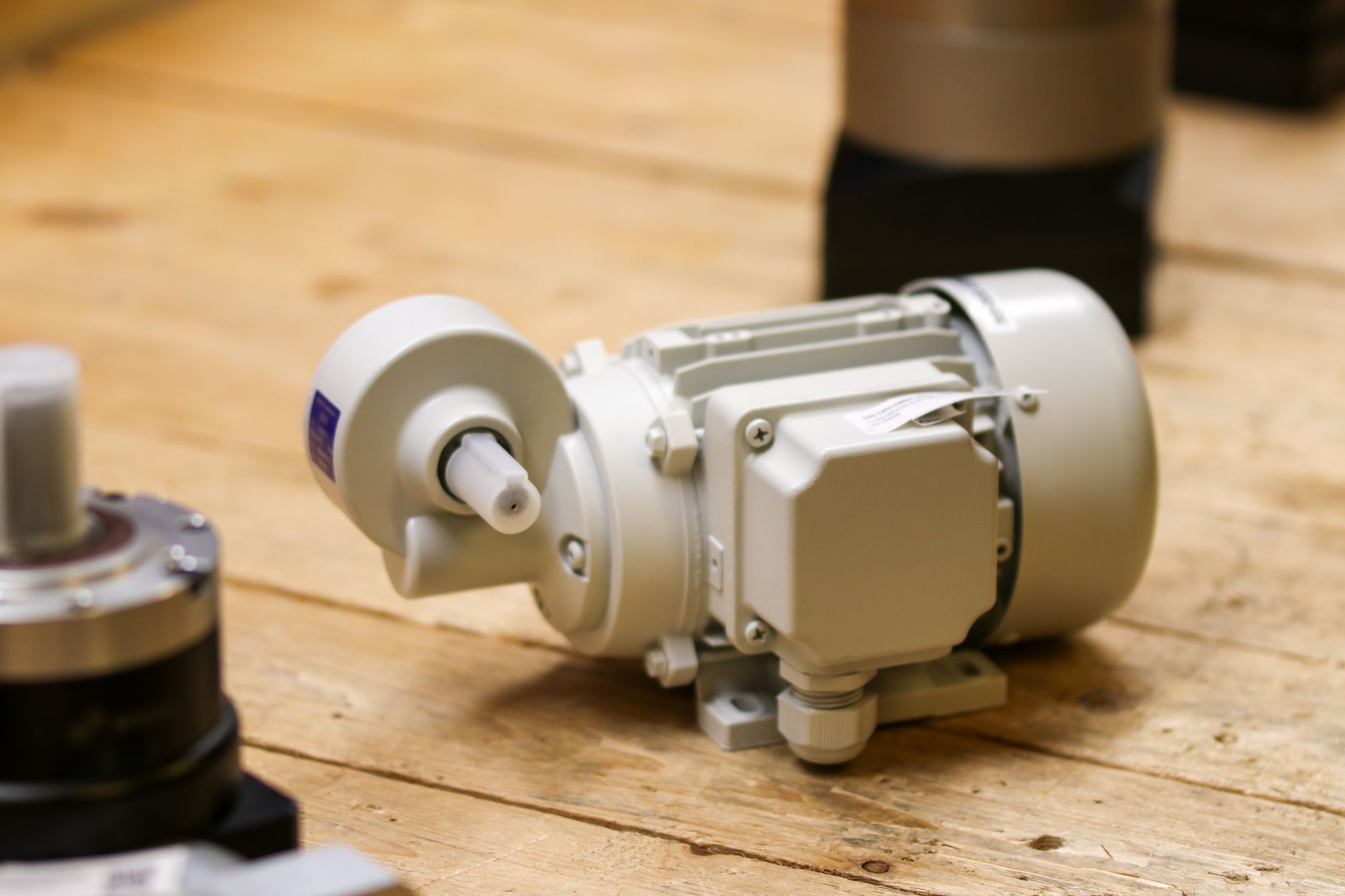
Start with the assets that rarely move but always matter: drive motors, bull wheels, gearboxes, service brakes, emergency brakes, line gear, tension systems, and the motor control center. Add hydraulic power units if your detachables use them, plus battery backup and fire panels if they share the room.
Sheave banks and chip detectors deserve fixed camera stops because wear shows up as groove polishing, missing liners, or debris trails. Electrical cabinets need door-open shots that show breaker positions, heat discoloration on lugs, and filter clogging on ventilation grills.
Your route map should label each stop with the component class, not a vendor model. Resorts run mixed fleets across generations, and the inspection plan needs to survive a gearbox swap without a full remap.
Why does repeatable imagery matter for seasonal mechanical work?
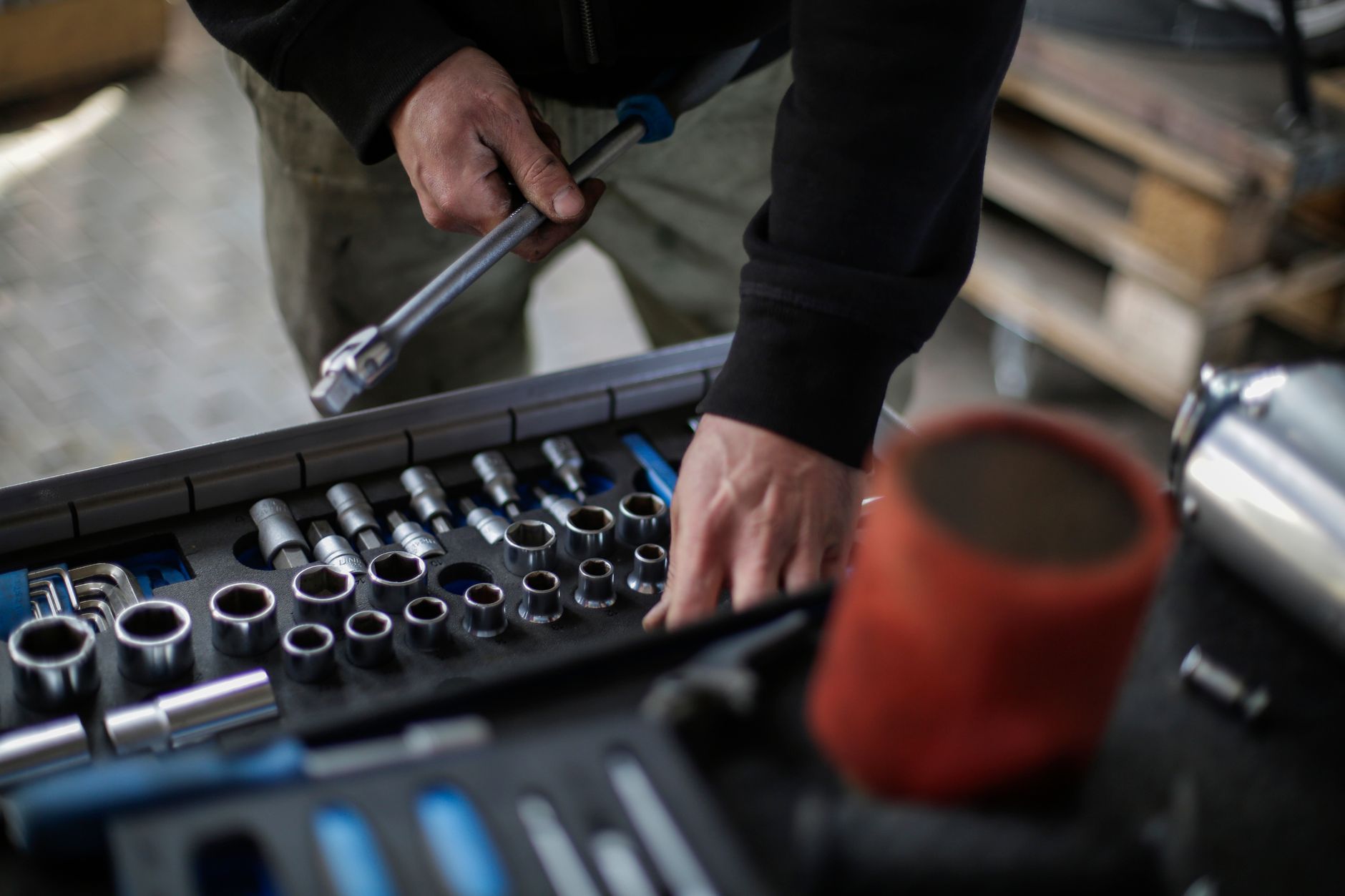
Mud season and pre-opening weeks compress dozens of tasks into nights that already run short. Mechanics swap parts, align sheaves, and test drives. Without a baseline photo set, it is hard to prove a brake pad was intact on Tuesday when a noise appears on Thursday.
A robot that returns to the same pose tolerances lets you flip through week-over-week stills the way vibration analysts flip through spectra. The value is consistency, not novelty. Your team still interprets what changed.
That consistency also helps when multiple vendors touch the room. One integrator services the motor, another handles controls. A neutral image log reduces arguments about who last saw a leaking seal.
How can thermal and acoustic sensing help on gearbox rounds?
Visible light catches obvious leaks and broken guards. It misses a hot bearing that has not yet sprayed oil. A thermal pass on the same stops flags connectors, brake resistors, and gearbox housings that run warmer than the prior shutdown night.
Acoustic sensing is noisier indoors, yet it still helps when you compare a baseline recording at a fixed standoff. A new whine at a sheave axle often shows up in audio before it shows on a walk-by.
Treat both payloads as triage, not diagnosis. They tell your mechanic which cabinet to open first when the clock hits 2 a.m. and snow is forecast for the weekend trial run.
What access constraints make terminals hard for people alone?
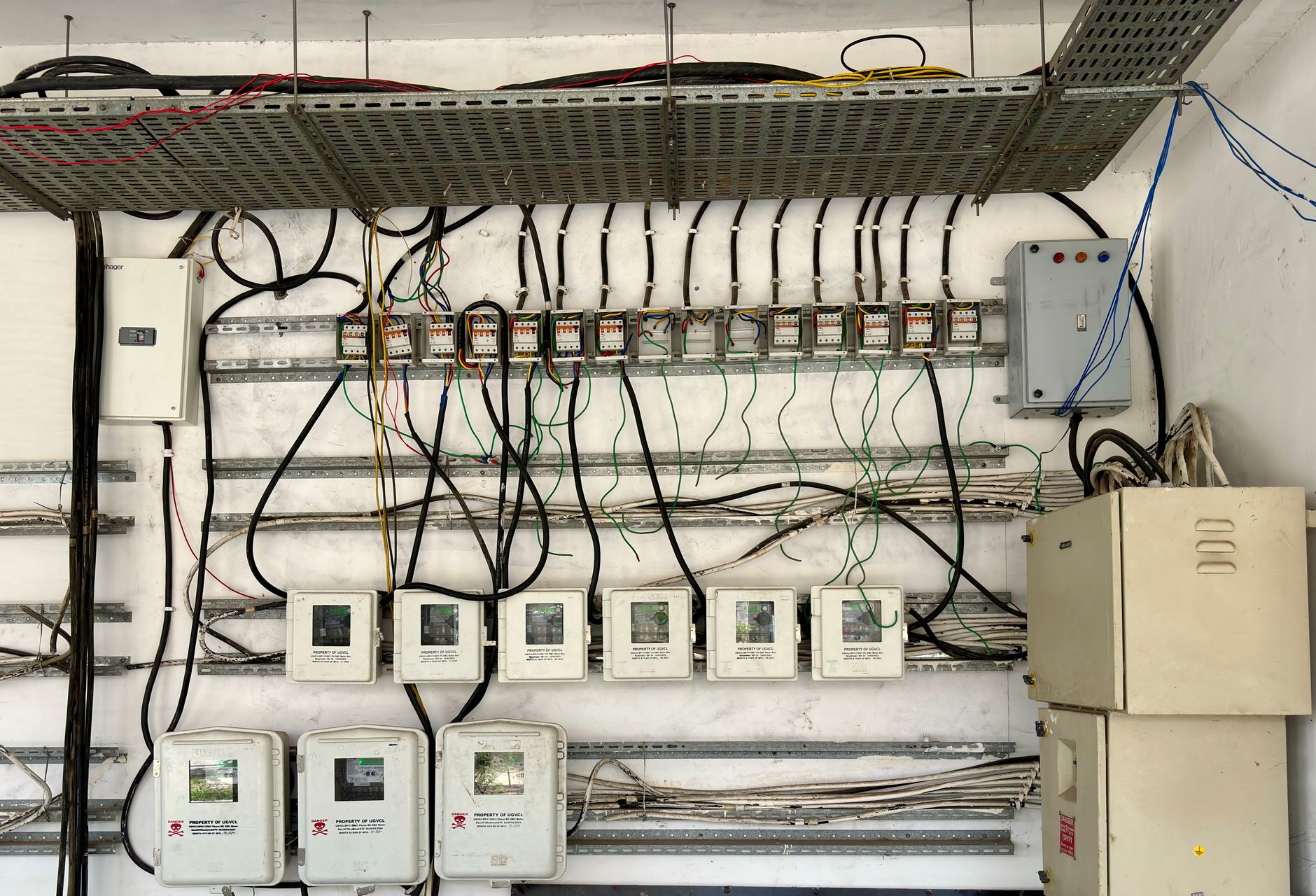
Ceiling height drops under sheave platforms. Grating covers pits you cannot step into during wet weather. Some rooms keep live 480-volt sections behind fences while you still need a clear view of brake calipers six feet away.
Low light is common because resorts limit energized work around open panels. A robot with its own lighting can photograph a motor tag without a mechanic holding a flashlight at an awkward angle on a ladder.
Constrained floors also mean cable management matters. Tethered crawlers need strain relief so they do not snag on oil drip pans. Wheeled units need ramp transitions where thresholds were never designed for small tires. Map those bumps before you automate the route.
How do you fit robot rounds into shutdown windows?
Passenger ropeway standards center on documented operation and maintenance. Wisconsin's passenger ropeway FAQ, citing ANSI B77, notes that daily preoperational inspections must be performed and recorded before public operation, and that maintenance logs must capture serviced components, condition, date, and signature.
Off-season work is different but equally time boxed. You may have only a handful of nights between line de-tensioning and load testing. Schedule robot runs when humans are not actively grinding welds or running drive tests in the same bay.
Pair the robot pass with human tasks instead of competing with them. Let the crawler finish cabinet stills while mechanics rebuild a gearbox on the bench. Upload clips to the same folder your lift maintenance lead already uses for state inspections.
What should you log from a robotic terminal inspection?
Capture date, lift name, terminal ID, route version, and weather if icing could affect comparisons. Store full-resolution stills with timestamps, not compressed chat attachments.
Flag exceptions in plain language: oil mist on a breather, brake pad thickness below your internal threshold, a cabinet fan that failed to spin. Let the robot carry the camera while a named mechanic carries the sign-off.
When NSAA-related reporting shows resorts reinvesting heavily per visit, with SAM Magazine citing about $21.11 reinvested per skier visit in 2024-25, mechanical downtime is an expensive way to lose early-season revenue. Good logs defend the decision to delay opening by one day to fix a brake rather than guessing.
Where does Service Robot Co. fit for ski resorts?
Service Robot Co. is vendor neutral on inspection hardware. We help you match crawler or compact mobile platforms to your terminal layout, then handle financing, deployment, training, and nationwide service through regional engineers.
A month to month inspection robot rental can cover one detachable terminal through a full mud-season pilot. If the imagery changes your pre-opening checklist, we scale routes to additional lifts without forcing a single manufacturer across the mountain.
We map with your lift maintenance lead, respect state ropeway inspector workflows, and stay out of the way on acceptance test days. One partner and one number keeps spare batteries, loaner units, and firmware aligned with your opening calendar.