Key takeaways
- Repeatable dock rounds catch seal gaps and door damage before they become energy and food-safety problems.
- Schedule routes in the gaps between trailer moves, not across peak loading windows.
- Pair visible-light and thermal passes so failed seals show up as both torn fabric and heat patterns.
- Photo-backed tickets with severity scores beat handwritten clipboards for backlog triage.
- A vendor-neutral integrator can match the robot to your bay layout and tie it to your CMMS workflow.
What should a dock door inspection robot actually check?
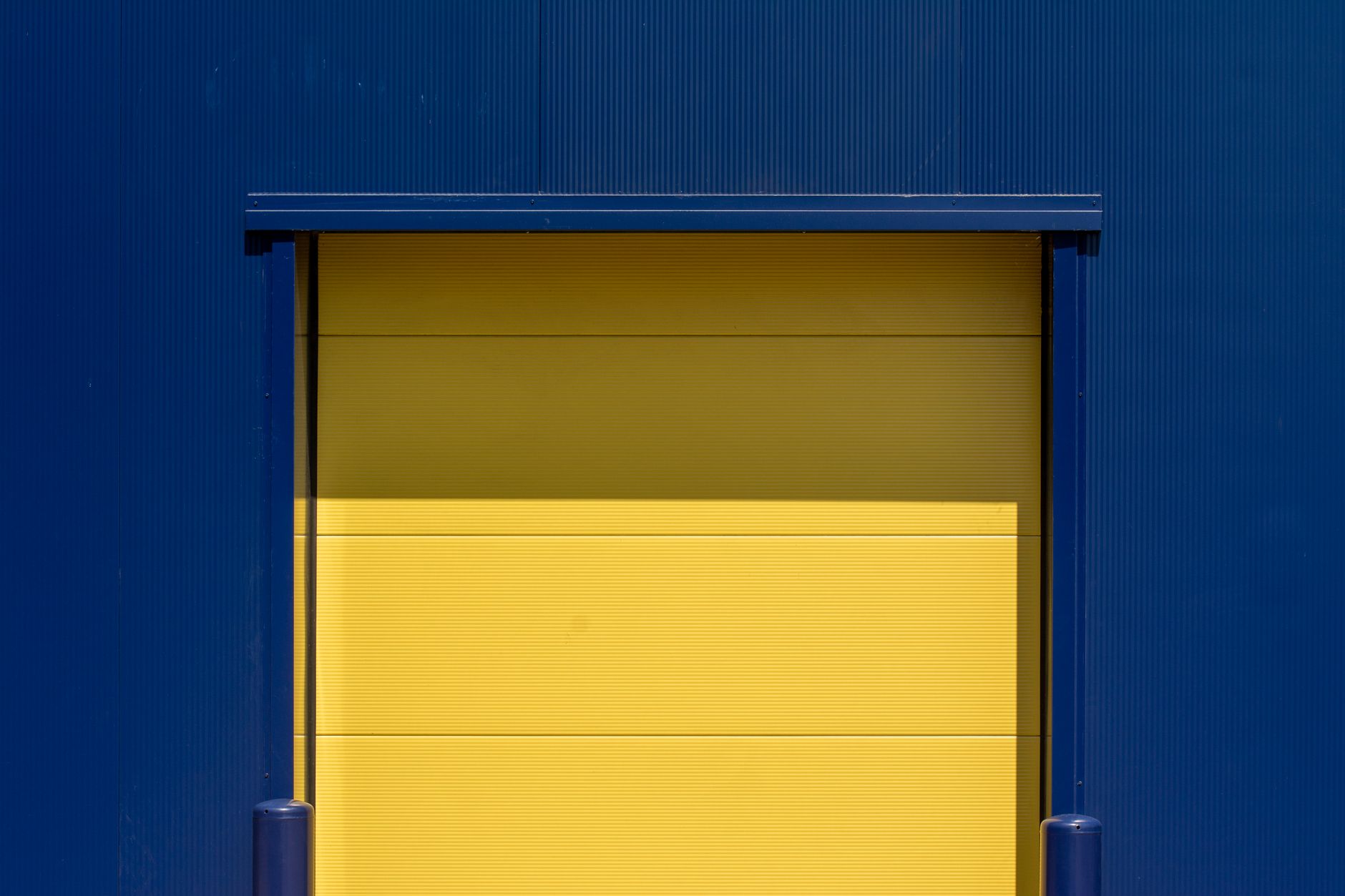
Loading docks are where conditioned air leaves, pests enter, and small mechanical faults turn into lost bays. A useful inspection robot treats each dock position like a checklist you can repeat every night: door panels and tracks, compression seals and shelters, indicator lights and interlocks, leveler lips, and the thermal line where cold storage meets the yard.
The goal is not a cinematic tour. It is a consistent set of images and sensor readings you can compare week to week. When a seal lip starts to peel or a panel sits slightly proud of the frame, the delta should be obvious in the next run without someone climbing a ladder at 2 a.m.
According to California Energy Commission Title 24 stakeholder testing cited in dock seal case work, fair-condition seals at a real warehouse still leaked about 416 cubic feet per minute at 4 pascals, and sealing side gaps at the leveler cut that rate by more than half. That is the kind of slow bleed robots are good at catching early.
Why are dock doors harder to maintain than they look?
Dock doors take repeated impacts. Industry guidance on sustainable dock design notes that forklift traffic in tight bays frequently damages panels, knocks tracks out of alignment, and tears weatherstripping mounted on vulnerable jambs. Crews under time pressure may leave a bent door open rather than fight a stuck rail.
Seals and shelters also age on a replacement cycle, not a fine-tuning cycle. The same Title 24 case analysis reports that facility operators often replace dock seals entirely after repeated truck impacts, with an average effective useful life of about 7.5 years in stakeholder surveys. Between replacements, minor tears can widen unnoticed.
Indicator lights and dock control boxes add another layer. A burned-out approach light or a restraint sensor that no longer aligns with modern trailer heights can pass a quick walkthrough yet fail when a new carrier arrives. Robots that photograph faceplates and read color states give maintenance a timestamped record.
How do you route robots around live trailer traffic?
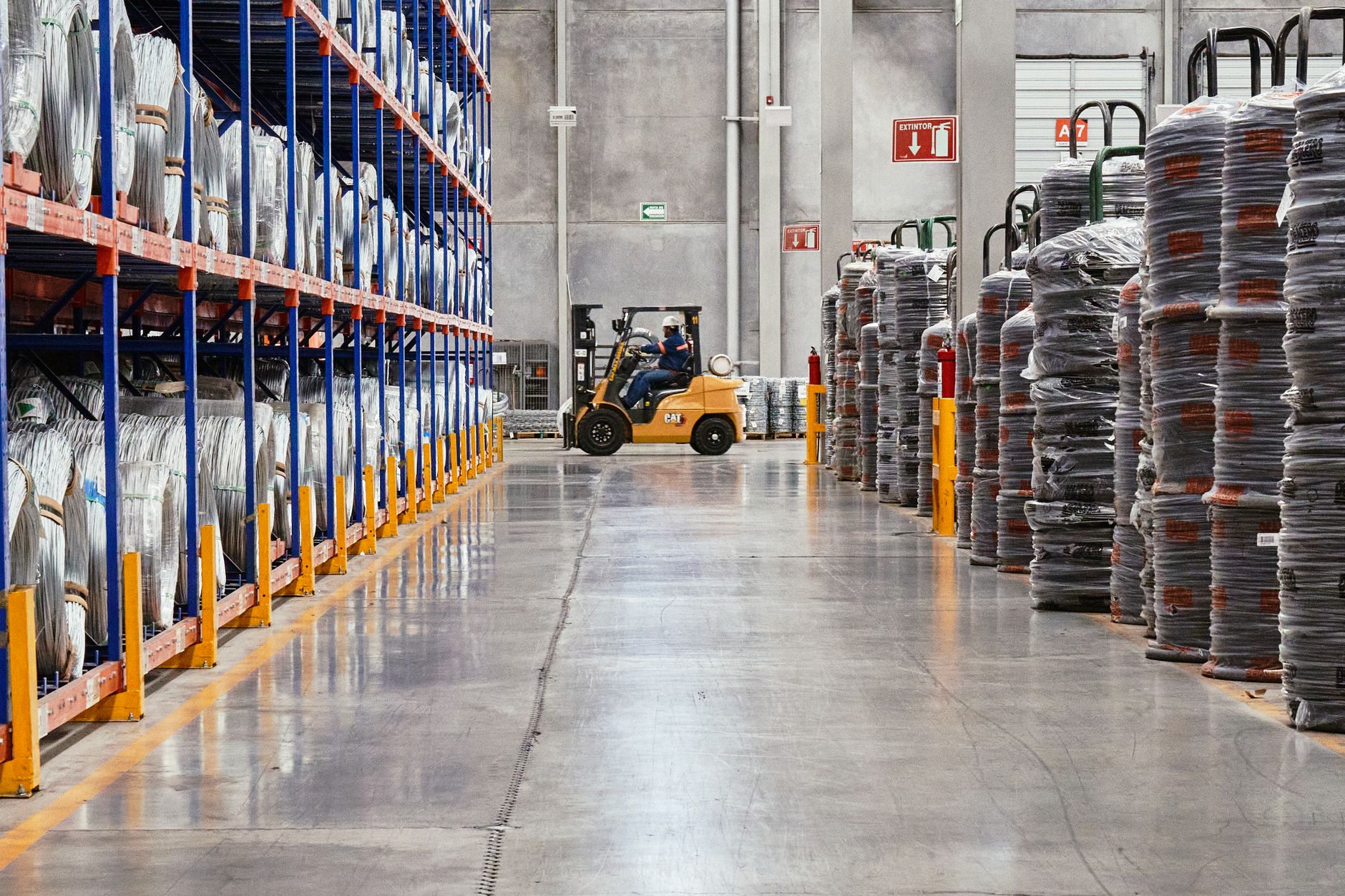
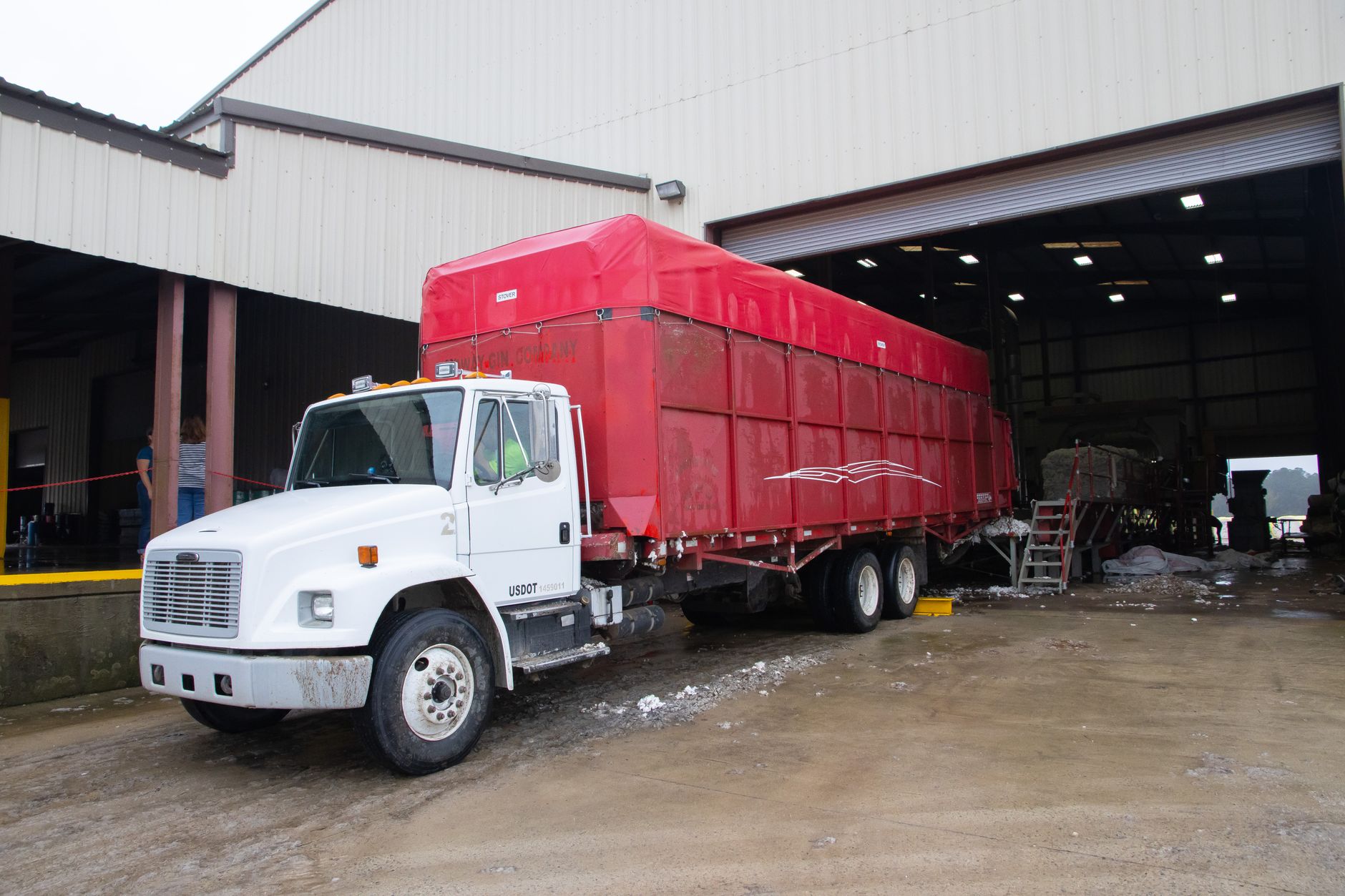
The worst time to inspect a bay is when a trailer is backed to the seal and forklifts are cycling. The best programs treat dock inspection like yard traffic control: robots run in the quiet windows after outbound clears and before the next appointment, or during mid-shift lulls on lanes you mark as low priority.
Map no-go buffers that extend past the yellow lines. When a truck is present, the route should skip that bay entirely and log a "occupied" reason rather than squeezing past a live lift. Most fleets keep two route variants: a full loop when the dock is empty, and a perimeter loop that captures door exteriors and light stacks only when half the bays are busy.
Dynamic scheduling works when your warehouse management or appointment system exports dock door status. Even a simple rule helps: if a door has not opened in the last 30 minutes, allow a close approach; otherwise capture oblique angles from the drive aisle and queue a close-up for later.
- Publish robot hours on the same board as trailer appointments.
- Keep a 3 meter standoff rule when a restraint is engaged.
- Run thermal passes only when the door is closed or the bay is empty.
- Store alternate routes for peak season when turns drop below 45 minutes.
What sensors matter at the dock edge?
Visible cameras still do the heavy lifting: panel dents, track gaps, torn shelter fabric, and debris wedged under levelers. Mount lighting matters because dock bays swing from glare to shadow when doors open. A robot that carries its own wash lighting reduces false "damage" calls from harsh shadows.
Thermal imaging highlights what eyes miss. Failed seals often show as warm stripes along door perimeters in refrigerated buildings, or cold fingers intruding into ambient docks during summer heat. Research on refrigerated warehouse dock shelters notes that poor seals let warm outdoor air intrude during loading, threatening temperature bands for food operations. Thermal frames give maintenance a heat map tied to a specific door ID.
Acoustic and vibration sensors are optional but valuable on high-cycle doors. A grinding track or a leveler pump that cycles too often can be flagged before the bay locks out mid-shift.
How do images become prioritized maintenance tickets?
Inspection only pays off when work orders are faster than the damage spreads. Modern programs push each anomaly to a CMMS or work order tool with a location tag, timestamp, photo set, and a severity score. High severity covers safety interlocks, restraint faults, and seal gaps on chilled docks. Medium covers cosmetic panel damage with no daylight visible. Low covers paint chips and label wear.
Duplicate suppression keeps teams sane. If the same torn seal appears in three nightly runs, the ticket should update rather than spawn three copies. Trend lines matter: a millimeter-wide gap that widens over two weeks earns a higher priority than a static scuff.
According to the International Federation of Robotics World Robotics 2025 service robot report, suppliers reported close to 2,800 inspection and maintenance robots sold in 2024 in the AP3 application group, reflecting rapid growth as facilities automate rounds in hard-to-staff shifts. Dock programs ride that same wave by focusing on repeatable routes with clear ticket rules.
Who should own the program inside the warehouse?
Facilities or engineering usually owns the inspection standard, while dock supervisors own the traffic calendar. IT validates Wi-Fi or private LTE along the apron, and safety signs off on human-robot interaction near powered industrial trucks. A short weekly review between maintenance and receiving catches route tweaks before peak season.
Training is lighter than for a new lift truck, but not zero. Dock leads need to know how to pause a route when an oversized load blocks an aisle, and how to acknowledge false positives so the model stops crying wolf on a reflective strip.
Where does Service Robot Co. fit a dock inspection rollout?
Service Robot Co. is a vendor-neutral integrator: we help you choose an inspection platform that matches your door types, temperature zones, and software stack, then finance, deploy, and service it through one partner. That includes mapping bays, defining severity rules, and connecting outputs to the work order system you already use.
A pilot on two or three doors often proves the workflow before you scale across a 40-bay campus. We bring a nationwide network of regional service engineers for calibration, battery swaps, and sensor cleaning so the nightly route stays credible through winter mud and summer heat.
What does a sensible pilot look like?
Start with the doors that hurt most when they fail: chilled docks, high-cycle grocery receivers, or bays with a history of seal strikes. Run baseline photos for two weeks without ticketing to train reviewers on normal wear.
Week three, turn on ticket creation for seal and interlock classes only. Measure mean time to repair and energy complaints from store operations. If chilled docks stabilize, expand to ambient bays and add thermal thresholds tuned to your commodity.
Success is not "robot replaced a human." Success is fewer emergency door calls during live loads, fewer temperature excursions, and a maintenance backlog ordered by evidence instead of guesswork.