Key takeaways
- Successful AMR integration hinges on creating a two-way data link between the robots' fleet manager and your Warehouse Management System (WMS).
- The most common integration methods are direct API connections or using a middleware platform to translate between the two systems.
- Key data exchanges include sending tasks from the WMS to AMRs and receiving task completion, inventory updates, and robot status back from the AMRs.
- Challenges often involve legacy WMS systems with limited APIs, mismatched data formats, and inadequate facility Wi-Fi coverage.
- Working with a vendor-neutral integrator simplifies the process by handling all technical aspects, from network assessment to go-live support.
How Do You Connect AMRs to an Existing WMS?
Connecting Autonomous Mobile Robots (AMRs) to your existing Warehouse Management System (WMS) is the critical step in unlocking their full potential. The integration creates a direct line of communication between the software running your warehouse and the robots navigating its floors. At its core, this process is about enabling a constant, two-way exchange of data.
Your WMS sends tasks, such as pick, put-away, or replenishment orders, to the AMR fleet management software. The AMRs, in turn, report back in real-time as they complete tasks, move inventory, and update their own status. This digital conversation ensures operations remain synchronized.
This connection is typically achieved in one of two ways: through a direct Application Programming Interface (API) or by using a software layer known as middleware. An API acts as a universal translator, allowing the two different systems to speak the same language. Middleware functions as an intermediary, managing communications and translating data between the WMS, the AMRs, and potentially other automated systems.
Why Is This Integration So Important for Warehouse Operations?
Operating AMRs without a direct WMS link creates information silos. Staff must manually assign tasks to the robots, often using a separate tablet or terminal. This approach is inefficient and prone to error, defeating much of the purpose of automation.
A fully integrated system makes the AMR fleet an extension of the WMS. It allows for dynamic task allocation, where the WMS can assign jobs to the nearest available robot based on priority. This improves resource use and ensures high-priority orders are handled immediately.
Furthermore, direct integration maintains a single source of truth for your inventory. When an AMR moves a pallet, the WMS is updated instantly, ensuring inventory data is always accurate. This level of precision reduces lost items, prevents stockouts, and eliminates the need for manual cycle counting to correct records.
Recent industry reports highlight the push for this efficiency. Warehouse robotics adoption has grown by 46% globally as facilities work to increase throughput and accuracy. This growth is driven by the need for the kind of operational control that only a truly connected system can provide.
What Are the Main Technical Integration Methods?
The two primary methods for integrating AMRs and a WMS are direct API connection and middleware. The right choice depends heavily on the age and capability of your current WMS.
A direct API integration is the most modern approach. It uses a series of defined protocols, often REST APIs, to let the WMS and the AMR fleet manager communicate directly. Modern, cloud-based WMS platforms are typically built with robust, well-documented APIs designed for this purpose. The global market for these API-first WMS platforms reached USD 3.2 billion in 2024, according to industry research, and is projected to grow significantly, highlighting the industry's shift toward this model.
Middleware is an intermediary software that sits between your WMS and various hardware systems. This is often the necessary path when dealing with an older or legacy WMS that lacks a modern API. The middleware communicates with the WMS in a way it understands (like a file-based exchange) and then translates those instructions for the AMR fleet manager. This layer can also coordinate different types of automation, such as AMRs, conveyors, and robotic arms, under one unified system.
What Specific Data Must Be Exchanged?
For a successful integration, the flow of information must be precise, timely, and bidirectional. The systems need to exchange specific data points to keep the warehouse running efficiently.
From the WMS to the AMRs, the data includes:
The robots, in turn, must send critical information back to the WMS:
- Task Assignments: Orders detailing what to pick, where to get it, and where to take it.
- Location Coordinates: Precise destinations for pickups and drop-offs within the facility map.
- Order Priority: Instructions that allow the AMR fleet to manage high-priority tasks first.
- Workflow Commands: Instructions like "wait for human interaction" or "proceed to charging station."
- Task Completion Confirmations: A signal that an order has been successfully picked or dropped off.
- Inventory Movements: Real-time updates confirming that a specific pallet or tote has moved from Location A to Location B.
- Robot Status: Data on battery level, current location, and operational state (e.g., active, charging, error).
- Error Alerts: Notifications for issues like a blocked path or an inability to complete a task, allowing for quick intervention.
What Are the Most Common Integration Hurdles?
Integrating AMRs with a WMS can present several technical challenges that require careful planning to overcome. One of the most frequent issues is dealing with a legacy WMS that has limited or no API capabilities, which often makes middleware a necessity.
Incompatible communication protocols can also be a significant barrier. Different robot manufacturers and WMS providers may use proprietary data formats that do not align. This requires a translation layer to ensure that a command sent from the WMS is understood correctly by the robot fleet.
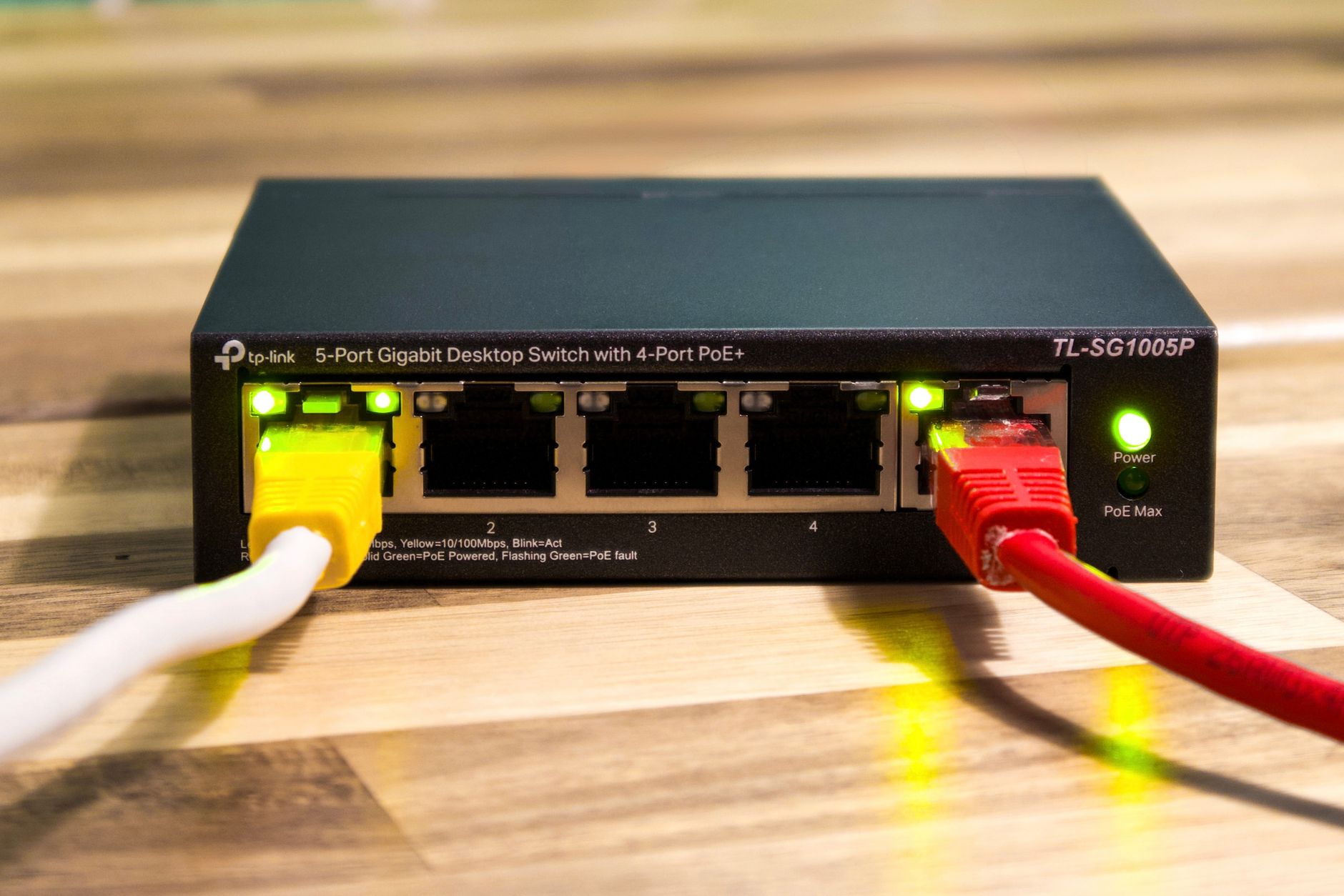
The physical infrastructure of the warehouse itself can be a hurdle. AMRs rely on a stable and robust Wi-Fi network to communicate. Dead zones or intermittent signal loss will disrupt operations, causing robots to stop or lose their assignments. A thorough wireless site survey is a prerequisite for any AMR deployment.
Finally, ensuring data security and system resilience is paramount. The integration creates a new connection to your core warehouse software, which must be secured against unauthorized access while ensuring it can handle the constant flow of data without performance degradation.
How Can a Vendor-Neutral Integrator Help?
The complexity of connecting different hardware and software is a primary reason many warehouse operators partner with an expert integrator. A vendor-neutral integrator like Service Robot Co. specializes in making different systems communicate, regardless of the manufacturer.
Rather than being locked into one brand of robot that works with your WMS, we start with your operational needs. As a full-service commercial robot integrator, our role is to select the right material handling robot for the job and then perform the deep technical work to connect it to your existing systems. We are OEM-neutral, meaning we can deploy and integrate robots from any manufacturer.
This approach avoids the common pitfall where a robot supplier provides the hardware but lacks the deep software expertise to handle the WMS connection. Service Robot Co. provides a true turnkey robot deployment. Our nationwide network of engineers handles every phase: the initial site assessment and Wi-Fi mapping, the API or middleware configuration, the on-site go-live support, and all ongoing maintenance. You get one partner and one number to call for the entire lifecycle.
This removes the burden of managing complex software projects from your team, allowing you to focus on running your warehouse while we ensure the technology performs as intended. We offer various financing models, including robot rental and leasing programs, to make this technology accessible without major upfront capital.
What Does a Phased Deployment and Go-Live Look Like?
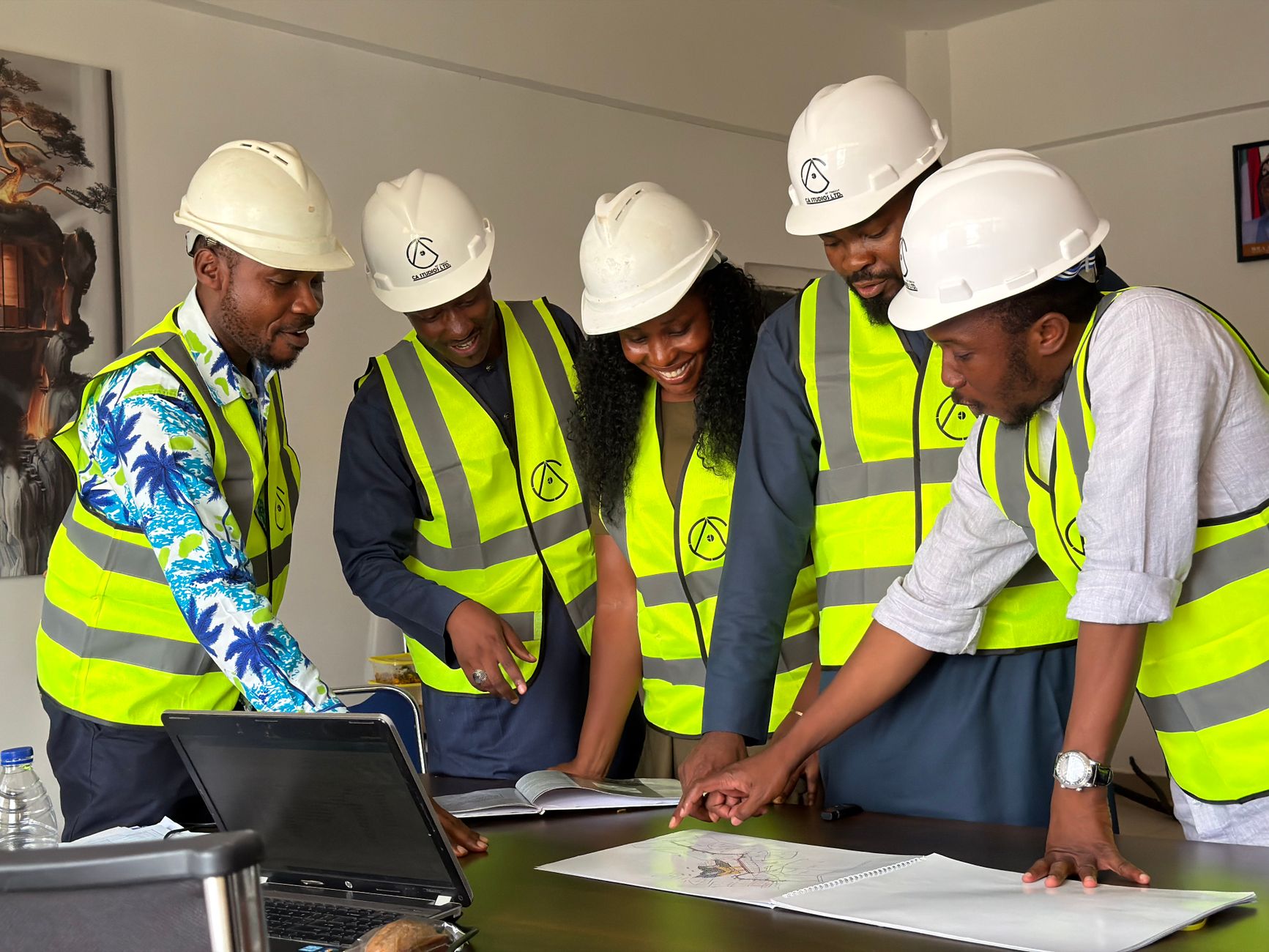
A successful AMR integration does not happen overnight. It is a carefully managed process designed to minimize disruption to your ongoing operations. The process typically begins with extensive testing in a controlled or virtual environment.
During this sandbox phase, the connection between the WMS and the AMRs is tested with simulated orders. This allows engineers to identify and fix bugs in the data exchange before any physical robots are deployed on the floor.
Once testing is complete, a phased deployment is the best practice. Instead of launching an entire fleet at once, the project might start with a few AMRs in one specific section of the warehouse. This allows staff to adapt to new workflows in a manageable way and provides an opportunity to refine the process based on real-world performance.
Training is a critical part of the go-live stage. Your staff must be trained on how to interact with the AMRs safely and efficiently. As the initial deployment proves stable and effective, more robots can be brought online across the facility until the full fleet is operational.