Key takeaways
- True robot autonomy in a hotel requires integration with the Property Management System (PMS) and elevators.
- Elevator integration is a critical step for multi-floor properties, typically costing $500–$1,500 per elevator for an IoT module.
- PMS integration connects robot tasks to guest profiles, automating delivery requests from systems like Opera or Cloudbeds via an API.
- The process involves a site assessment, hardware installation, API configuration, and rigorous testing for smooth operation.
- Working with an OEM-neutral integrator ensures the right robot is selected and properly connected to your existing infrastructure.
How Do Delivery Robots Connect to Hotel Systems?
For a hotel delivery robot to operate autonomously beyond the lobby, it must communicate with two core pieces of infrastructure: your Property Management System (PMS) and your elevators. This integration is what transforms a novel gadget into a genuine operational asset, enabling it to handle room service, amenity requests, and linen transport across multiple floors without human guidance.
The connection to the PMS, such as Opera or Cloudbeds, is typically achieved through an Application Programming Interface (API). This allows a guest request logged in the PMS to be automatically dispatched to the robot fleet management system. The robot receives the room number, the items needed, and is sent on its way. The second, more complex connection, involves the elevators. A 2026 guide on hotel service robots notes that elevator integration is the most critical step for multi-floor properties. This usually requires installing an Internet of Things (IoT) module, costing between $500 and $1,500 per elevator, which allows the robot to wirelessly call the lift, select a floor, and exit upon arrival.
Achieving this level of automation requires careful planning and technical execution. Without these digital handshakes between systems, the robot remains confined to a single floor and requires manual dispatch, defeating the purpose of autonomous delivery.
What Are the Technical Requirements for Integration?
Before deploying a multi-floor delivery robot, a hotel must confirm its existing systems are compatible. The primary technical hurdles are the PMS and the elevator controllers. Not all systems are created equal, and legacy hardware can pose a significant challenge.
For the Property Management System, the key is an accessible API. Most modern, cloud-based PMS platforms offer robust APIs that allow third-party systems, like a robot fleet manager, to securely connect and exchange data. You will need to confirm with your PMS provider that they allow for this type of integration and inquire about any associated costs or developer access requirements.
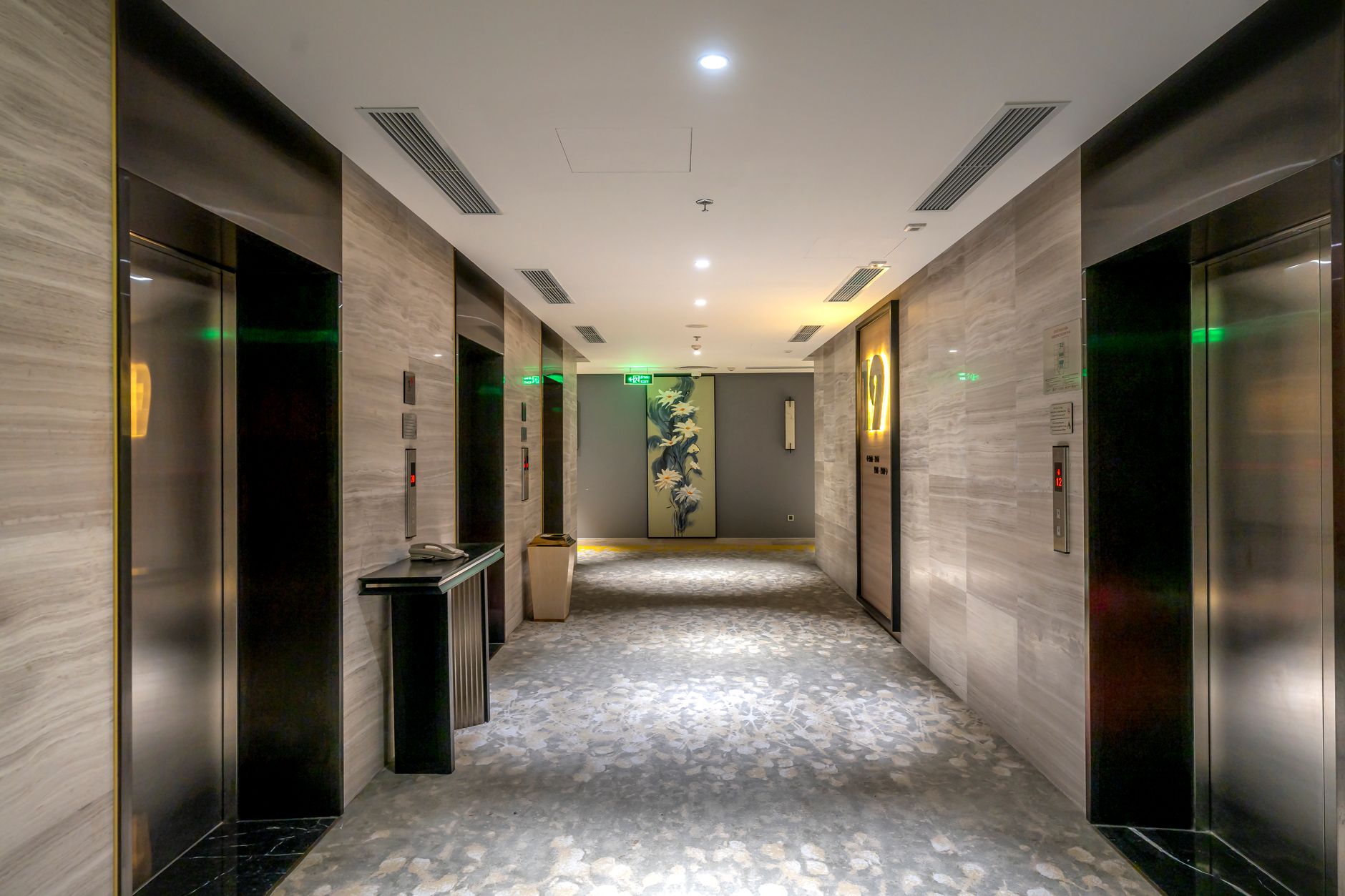
Elevator systems present a more physical requirement. The elevators must be able to support an IoT control module. Most modern elevators are designed for this, but older models may need a retrofit. This module is a small piece of hardware that acts as a bridge, translating signals from the robot's fleet manager (sent via Wi-Fi or Bluetooth) into commands the elevator's control panel understands. A stable, property-wide Wi-Fi network is the backbone of this entire operation, ensuring the robot, PMS, and elevators are in constant communication.

What Does the Integration Process Look Like?
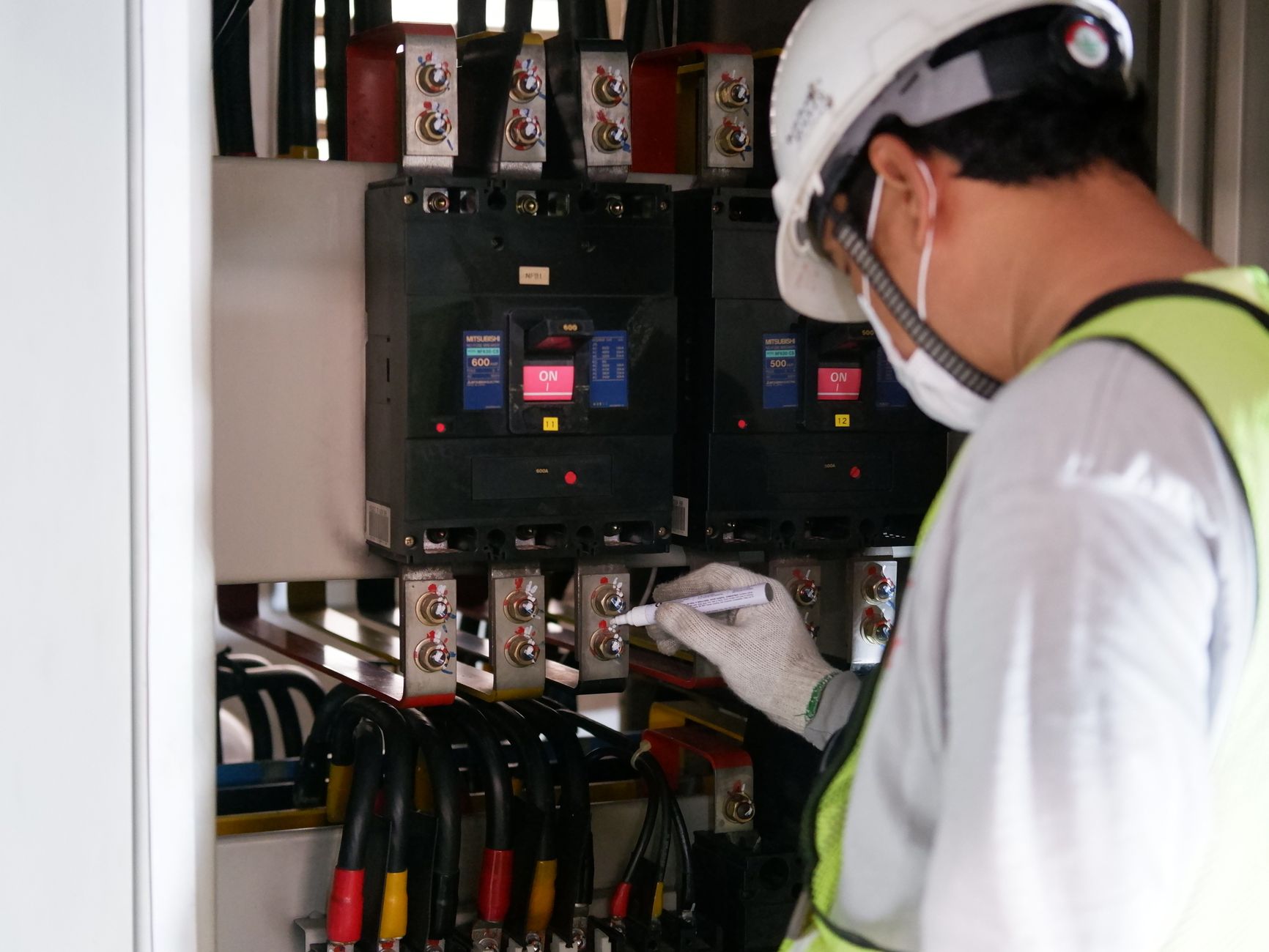
Integrating a robot fleet with hotel infrastructure is a multi-step process that moves from assessment to a fully operational state. It is a project that demands close collaboration between the hotel's IT staff, the facility managers, and the robotics integrator.
The typical project flow includes:
Step 1: Site Assessment & Network Analysis. An engineer evaluates your property's Wi-Fi coverage, elevator controller models, and PMS version to identify any potential compatibility issues or necessary upgrades. This phase includes mapping the environment to ensure the robot can navigate hallways, doorways, and other architectural features.
Step 2: Hardware Installation. This is where the physical work occurs. IoT modules are installed in the elevator control panels. This is a specialized task that must be performed by qualified technicians to ensure safety and compliance.
Step 3: API Configuration. The software side of the integration begins. The integrator's team works with your IT department or PMS provider to establish the API connection. This involves setting up secure credentials and defining the workflows for how tasks are created, assigned, and marked complete.
Step 4: Robot Deployment & Testing. The robots are delivered and configured for your specific environment. The team then runs extensive tests, sending the robots on hundreds of simulated delivery runs. They will call elevators, navigate to every floor, and confirm that communication with the PMS is flawless. According to industry data, this setup and integration process can take one to three days with proper IT support.
Step 5: Staff Training & Go-Live. Once the system is proven to be reliable, the integrator trains your staff on how to use the fleet management software, interact with the robots, and handle any exceptions. After training is complete, the system goes live.
Why Is a Vendor-Neutral Integrator Important?
When undertaking a complex automation project, the partner you choose is as important as the technology itself. Many robot manufacturers specialize in building hardware, but they may have limited experience connecting their machines to the dozens of different PMS and elevator systems used across the hospitality industry.
This is where a full-service, vendor-neutral integrator like Service Robot Co. becomes essential. Because we are not tied to a single manufacturer, our first priority is to select the right robot for your specific property and operational needs. We source from a wide range of top-tier robotics companies to find the machine with the right payload capacity, security features, and navigation technology for your hotel.
Our role extends far beyond simply delivering a robot. As your single point of contact, we manage the entire lifecycle. Our nationwide network of engineers handles the detailed site assessment, the technical integration with your PMS and elevators, the hands-on deployment, and comprehensive staff training. We are the one vendor you call, whether you are leasing a single unit or deploying a large fleet. This one-partner approach removes the complexity of coordinating with multiple hardware, software, and service providers, ensuring a smoother path to successful automation.
What Are the Payoffs of a Properly Integrated Robot?
The effort of integration pays dividends in operational efficiency and guest satisfaction. An autonomous, multi-floor delivery robot works 24/7 without breaks, handling the repetitive task of running items to guest rooms. This directly addresses labor pressures, which the American Hotel & Lodging Association reports persist at many properties.
Data from real-world deployments shows significant results. In one case study, a hotel chain saw a 35% reduction in delivery requests handled by front desk staff after implementing robots, freeing them to focus on high-value guest interactions. They also recorded a 40% improvement in delivery times and a notable increase in guest satisfaction scores.
Ultimately, a fully integrated robot ceases to be a machine that needs managing and becomes a reliable part of your team. It allows a single employee to fulfill multiple guest requests simultaneously, reduces wear on staff, and creates a memorable, modern experience that guests are likely to share.