Key takeaways
- True robot autonomy requires deep digital integration with a building's existing access control and elevator systems.
- Proprietary protocols from different manufacturers make integration a complex challenge requiring specialized knowledge.
- The process involves a secure, multi-step digital handshake between the robot, a fleet manager, and the building's controllers.
- Cybersecurity is paramount, as the integration grants a system command over physical access points like doors and elevators.
- A skilled, vendor-neutral robot integrator is essential to manage the technical complexity and coordinate multiple vendors.
What Does Full Robot Autonomy in a Building Really Mean?
For a service robot to be truly autonomous, it needs to navigate the world as we do. It must move freely not just down a hallway, but between floors and through secured areas. This means a delivery robot for elevators needs to do more than just carry items; it must be able to call the elevator, select a floor, and exit on its own. A security patrol robot rental unit must be able to pass through doors that are locked to unauthorized personnel.
This level of freedom isn't magic. It's the result of a deep and complex technical integration with a building’s core infrastructure: its access control system (ACS) and its elevator management system. A robot that operates without this integration is fundamentally limited, tethered to a single floor or open-door area, and unable to perform its duties to the fullest.
Achieving this requires more than a simple Wi-Fi connection. It involves bridging the digital gap between the robot's fleet management software and the proprietary, often closed-off systems that run the building. This is a delicate process where hardware, software, and network security must align perfectly.
The Core Challenge: A World of Proprietary Systems

The single greatest technical hurdle is the lack of standardization. Building management systems (BMS) are a fragmented landscape of competing manufacturers, each with their own proprietary hardware, software, and communication protocols. The system managing your doors may be from one company, while the elevator controller is from another.
These systems communicate over various protocols like BACnet, Modbus, or custom TCP/IP APIs. There is no universal 'plug-and-play' standard for telling a door to unlock or an elevator to arrive. Each integration is effectively a custom project.
This means the robot's software cannot simply send out a generic 'open door' command. It must be configured to communicate with the specific brand and model of the access control panel, formatted in the precise way that system expects, with the correct authentication.
How Does a Robot Talk to a Door?
Integrating with an access control system is a multi-step digital handshake. It's not about giving the robot a keycard; it's about making the robot a trusted user within the security system itself.
The process generally follows a secure sequence:
1. Request: The autonomous mobile robot (AMR) approaches a door and sends a request to its fleet management server, identifying itself and the specific door it needs to open.
2. Translation & Relay: The fleet manager communicates this request to an integration middleware. This software 'translates' the robot's request into the specific API call or protocol language that the building's access control server understands.
3. Authorization: The access control server receives the request. It checks the robot's virtual credentials against its own permissions database. Is this robot allowed to open this door at this time?
4. Execution: If authorized, the ACS sends a command to the hard-wired door controller. This controller energizes a relay, which momentarily cuts power to a magnetic lock or activates an electric strike, allowing the door to be opened.
5. Confirmation: Sensors on the door confirm it is open, and this status is relayed back. The robot, using its own sensors, detects the opening and proceeds through the doorway before the door closes and re-locks.
The Elevator Integration Playbook
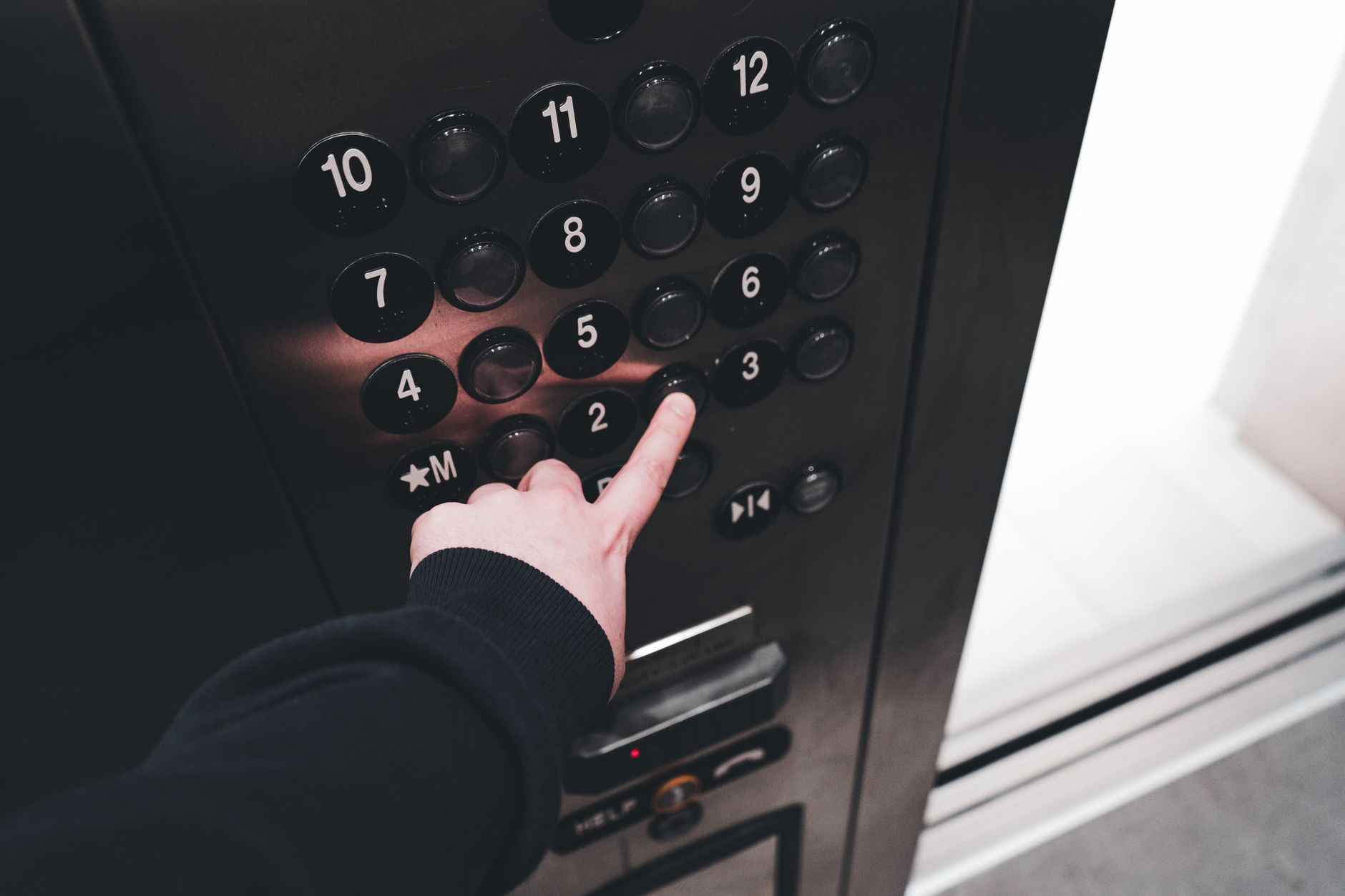
Elevator integration is even more complex, adding the variables of multiple cars, floors, and passenger traffic. The communication needs to be two-way and highly responsive to ensure safe and efficient operation. A multi floor delivery robot depends on this dialogue to function.
The robot's fleet manager initiates a call through an API provided by the elevator manufacturer. This is not a simple command. The data packet must specify the robot's current location and its desired destination floor.
The elevator's central controller receives this request and folds it into its own complex scheduling algorithm. It decides which car is best positioned to serve the request without unduly disrupting human passenger flow. It then communicates back to the robot which specific elevator car to wait for.
Once the car arrives, the system sends another signal to the robot confirming that the doors are open and it is safe to enter. After the robot is aboard, it confirms its presence, and the system proceeds to the selected floor. A final signal is sent when the destination is reached and the doors open for egress.
What Are the Cybersecurity Risks?
When you connect a robot fleet to a building's core systems, you are creating a new network entry point. This integration must be designed with a security-first mindset, because a compromised system could potentially grant unauthorized physical access to secure areas.
Building Management Systems are increasingly targeted by cyberattacks. According to a 2023 report from Claroty, these systems are often overlooked in traditional IT security audits, creating significant vulnerabilities. A widely cited example is the 2013 Target data breach, where hackers first gained entry through a third-party HVAC contractor's network connection.
Best practices are non-negotiable. This includes segmenting the robot fleet onto its own VLAN, using encrypted communication channels, requiring strong authentication for all API calls, and implementing continuous monitoring to detect anomalous activity. The goal is to ensure the robot system can control only its designated doors and elevators, with no ability to access or affect any other part of the building network.
Why You Need a Vendor-Neutral Integrator
Connecting disparate systems from multiple manufacturers is not a DIY task or a side project for your IT department. It requires a dedicated team with deep, cross-disciplinary expertise in robotics, building automation protocols, and network security. This is the precise role of a full-service commercial robot integrator.
At Service Robot Co., we are OEM-neutral. We don't just sell you a robot; we provide a complete, turnkey robot deployment. Our nationwide network of engineers begins with a free site assessment to understand your facility's unique infrastructure. We've worked with the access control and elevator systems from dozens of manufacturers and know how to build the right bridges between them and the robot fleet that best fits your needs.
We manage the entire lifecycle. From financing and deployment to integration, training, and ongoing on-site service, you have one partner and one number to call. This eliminates the finger-pointing that can happen when a robot provider, an elevator company, and your facilities team try to troubleshoot a complex issue. We own the entire stack, ensuring your robot fleet operates as a cohesive and truly autonomous extension of your workforce.