
Key takeaways
- True hospital automation is unlocked when robots are integrated with the EHR system, enabling event-triggered, autonomous workflows.
- Common integration use cases include dispatching sanitation robots after a patient discharge notification and sending delivery robots for STAT lab specimen transport.
- Integration relies on a technical stack of APIs and middleware to translate signals from the EHR into actionable commands for a robot fleet.
- HIPAA compliance is critical, requiring thorough security risk assessments and technical safeguards for any robot handling protected health information.
- A successful project requires a vendor-neutral robot integrator who can manage the entire lifecycle, from deployment to complex system integration and service.
The Next Step in Hospital Automation: EHR Integration
True hospital automation requires more than just robots navigating hallways. It demands deep system integration. By connecting autonomous mobile robots with your hospital's Electronic Health Record (EHR) and bed management systems, you create a central nervous system for your operations. This connection allows facility-wide events, like a patient discharge, to automatically trigger a robotic response without any human intervention.
When a physician enters a discharge order into the EHR, that single data point can initiate a chain of automated tasks. A UV disinfection robot can be dispatched to the vacant room. An autonomous floor scrubber can be scheduled for terminal cleaning. This is not a future concept; it is a practical application of existing technology that maximizes the value of both your robots and your digital infrastructure.
This level of integration transforms robots from standalone tools into an intelligent, responsive fleet. The digital backbone for this is already in place. According to the Office of the National Coordinator for Health Information Technology, as of 2024, more than 99 percent of non-federal acute care hospitals in the US have adopted a certified EHR system. This near-universal adoption creates the foundation for the next wave of operational efficiency.
How Do EHR Events Trigger Robotic Tasks?
At its core, an EHR system is a real-time record of patient care and hospital status. Key events within the EHR serve as triggers for automated robotic workflows. These digital signals are the catalysts that dispatch robots to perform specific, time-sensitive jobs.
The process begins with an event recorded in the hospital's primary information systems. This could be an admit-discharge-transfer (ADT) message in the EHR, a bed status change in the bed management platform, or a lab order placed in the laboratory information system (LIS).
Once the event occurs, it is broadcasted through an integration engine or middleware. This software layer acts as a translator, converting the signal from the clinical system into a command that the robot fleet management software understands. The fleet manager then assigns the task to the nearest available and appropriate robot, such as a medication transport robot or a hospital disinfection robot, which then proceeds to execute the job.
Use Case: Automating Room Turnover and Sanitation
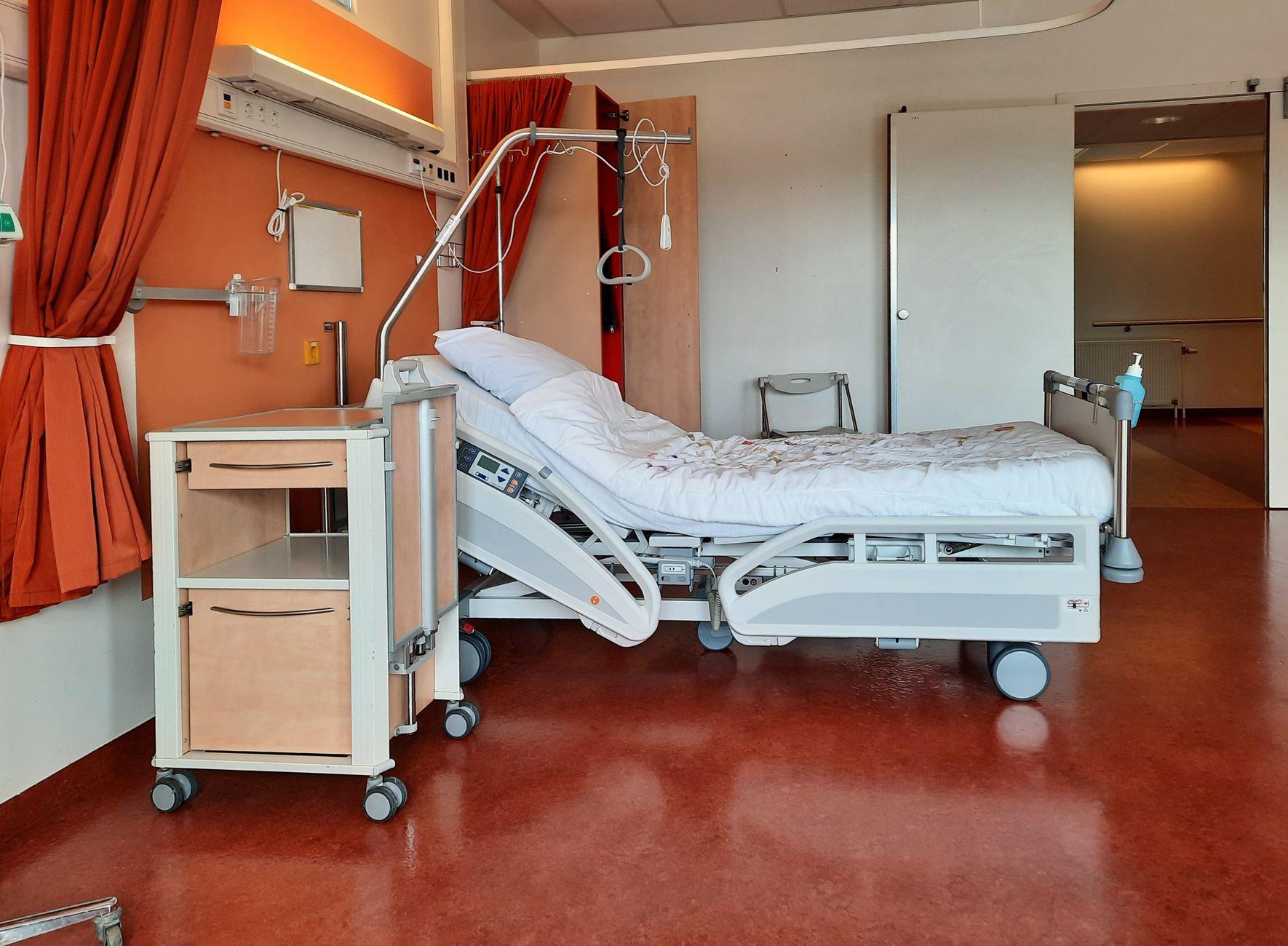
Reducing room turnaround time is a constant operational pressure. Integrating robots with your ADT and bed management systems directly addresses this challenge. The moment a patient is officially discharged in the EHR, the system can flag the room as ready for cleaning.
This status change automatically triggers a dispatch order. An autonomous mobile robot (AMR) equipped for UV disinfection could be sent to sanitize the room first, reducing the risk of healthcare-associated infections. Following that, an autonomous floor scrubber rental unit could perform a terminal clean.
This automated workflow removes communication delays that occur when staff have to manually coordinate with the environmental services (EVS) team. It gets rooms ready for the next patient faster, which can increase functional bed capacity and reduce wait times in the emergency department. The entire process is logged, providing a clear audit trail for infection control compliance.
Use Case: On-Demand Specimen and Pharmacy Delivery
Time is critical for STAT lab orders and urgent medication deliveries. An EHR or LIS integration can automate the entire transport process for a hospital delivery robot rental fleet. When a physician places an order, the system can determine the priority and destination.
The order simultaneously alerts the lab or pharmacy to prepare the item and dispatches a secure delivery robot to the pickup location. The robot can navigate complex hospital environments, including using elevators for multi-floor delivery, to transport the specimen or medication directly to the requesting unit.
This automation provides a secure chain of custody and significantly reduces turnaround time compared to manual transport. It allows clinical staff to remain on their units attending to patients, rather than spending valuable time on logistical tasks. This is a direct way to improve operational efficiency and support better patient outcomes.
What is the Technical Path to Integration?
Connecting a robot fleet to an EHR is a multi-step technical project that requires careful planning and specialized expertise. It is not a simple plug-and-play process. It involves close collaboration between the hospital's IT department, the clinical stakeholders, and the robotics integrator.
The key components of the technical architecture include:
- APIs and Interoperability Standards: Modern EHRs offer Application Programming Interfaces (APIs) that allow third-party systems to securely access data. Using standards like HL7 and FHIR ensures that information is exchanged in a consistent, understandable format.
- Middleware: An integration engine or middleware platform is often necessary to manage the flow of information. This layer handles the routing, transformation, and filtering of messages between the EHR and the robot fleet manager, ensuring the right signals get to the right place.
- Fleet Management Software: The robots' own management software receives the final command and handles the practical logistics. It assigns the task, optimizes the robot's route, monitors progress, and reports completion back to the system.
- Network Infrastructure: A reliable and robust wireless network is essential for a connected robot fleet. The network must provide consistent coverage throughout the facility to ensure robots stay online and responsive to dispatch commands.
Why a Vendor-Neutral Integrator is Crucial for Success
Integrating a multi-vendor fleet of specialized robots with a complex system like an EHR is not a task for a single-line manufacturer. This is where a full-service, vendor-neutral robot integrator becomes essential. At Service Robot Co., we specialize in these complex deployments.
Our role is to serve as the single point of contact for the entire lifecycle of your automation program. Because we are OEM-neutral, we select the right robots for each job across different manufacturers, from a material handling robot rental for supplies to a specialized UV disinfection robot for EVS. We then architect the solution that makes them work together as one cohesive fleet.
Service Robot Co.'s nationwide network of engineers handles every phase: the initial site assessment and mapping, the technical integration with your EHR, the physical deployment and go-live support, and all ongoing maintenance and repair. This one partner, one number approach removes the burden from your IT and facilities teams, ensuring that the project is managed expertly from start to finish.
How Do You Measure the ROI of an Integrated Fleet?
The success of an integrated robotics program can be measured with clear, quantifiable Key Performance Indicators (KPIs). These metrics go beyond simple robot uptime to capture the real operational and financial impact on the hospital. They provide the data needed to justify the investment and identify areas for further optimization.
Key metrics to track include:
- Room Turnaround Time: Measure the time from the patient discharge notification in the EHR to when the room is marked as clean and ready in the bed management system. A significant reduction is a primary indicator of success.
- Lab and Pharmacy STAT Turnaround Time: Track the time from when an order is placed in the LIS or pharmacy system to when the item is delivered by a robot. Faster, more consistent times demonstrate improved clinical support.
- Staff Reclaimed Time: Calculate the hours of clinical and support staff time saved by automating transport and cleaning tasks. This allows valuable personnel to focus on higher-value, patient-facing activities.
- Case Throughput: For surgical departments, faster OR turnaround enabled by automated cleaning alerts can directly translate into the ability to complete more procedures per day.
- Infection Rate Reduction: Over time, monitor rates of healthcare-associated infections (HAIs) in areas serviced by automated disinfection robots to measure impact on patient safety.