Key takeaways
- Gausium case materials describe Intercontinental Wien deploying Vacuum 40 diffuser version and one Phantas unit in June 2024 with Gausium Österreich.
- Vacuum 40 covers vacuuming, sweeping, and brand scenting on twelve guest floors, lobby, and basement while Phantas scrubs the mezzanine.
- The hotel cited labor shortages, inconsistent cleaning quality, and too little time for daily maintenance before automation.
- Reported results include flexible overnight schedules, stronger guest satisfaction, and management recommending the robots to peer hotels.
- Service Robot Co. can compare OEM-neutral hotel scrubbers and vacuums, finance deployment, and support RoboCare service after US site walks.
What did Intercontinental Wien change in June 2024?
Intercontinental Wien is a luxury hotel in central Vienna near major landmarks. According to Gausium case materials published in December 2024, leadership deployed two Gausium platforms in June 2024 through Gausium Österreich, the Austrian distributor.
One Vacuum 40 diffuser version handles vacuuming, sweeping, and scent diffusion. One Phantas unit scrubs, vacuums, and sweeps on the mezzanine level.
US hotel operators should read this as a split workload story. Carpet miles and brand scent ride on one machine while hard-floor mezzanine care rides on another, instead of forcing one robot type to do every surface.
Which areas do the two robots cover?
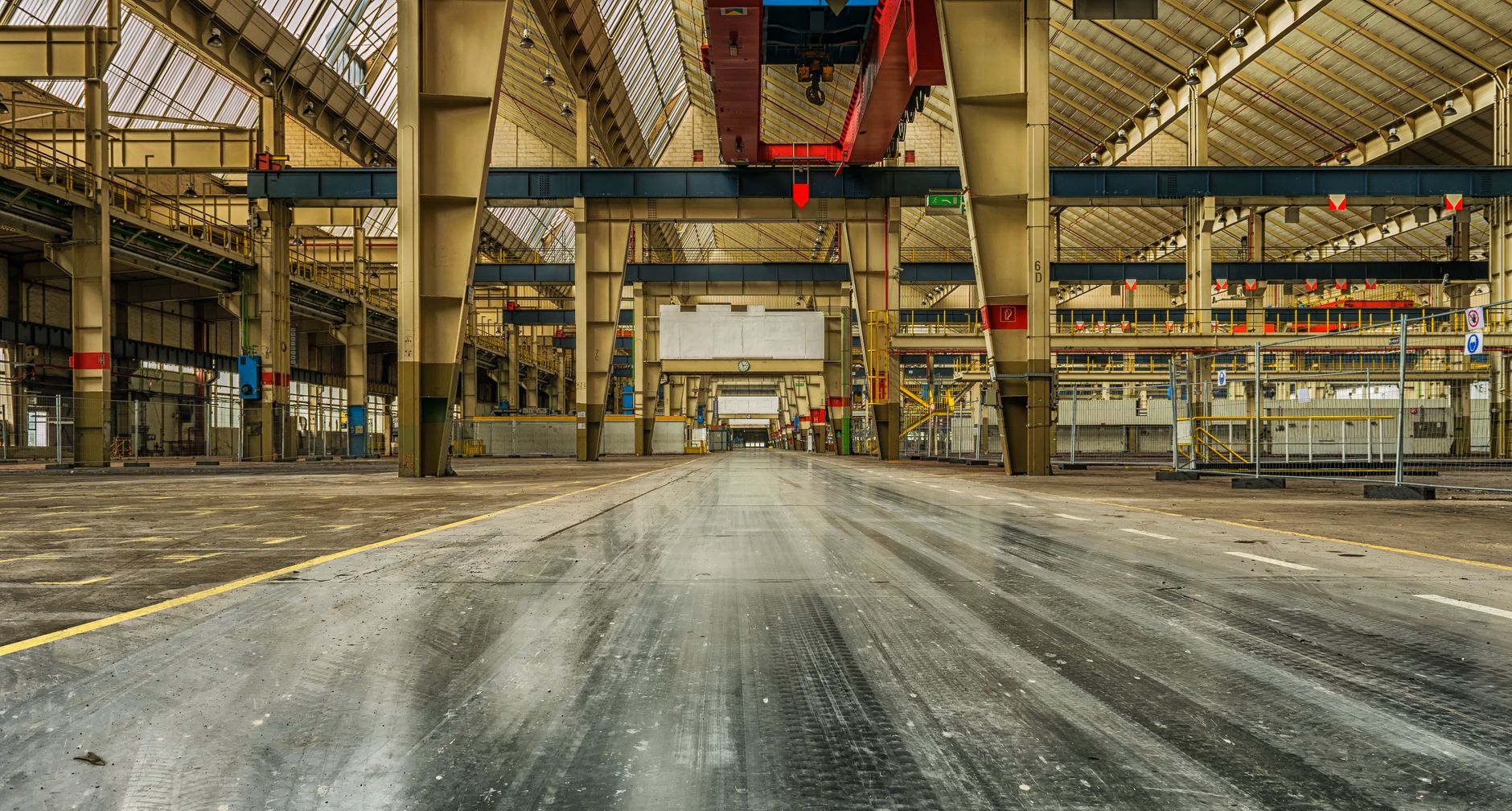
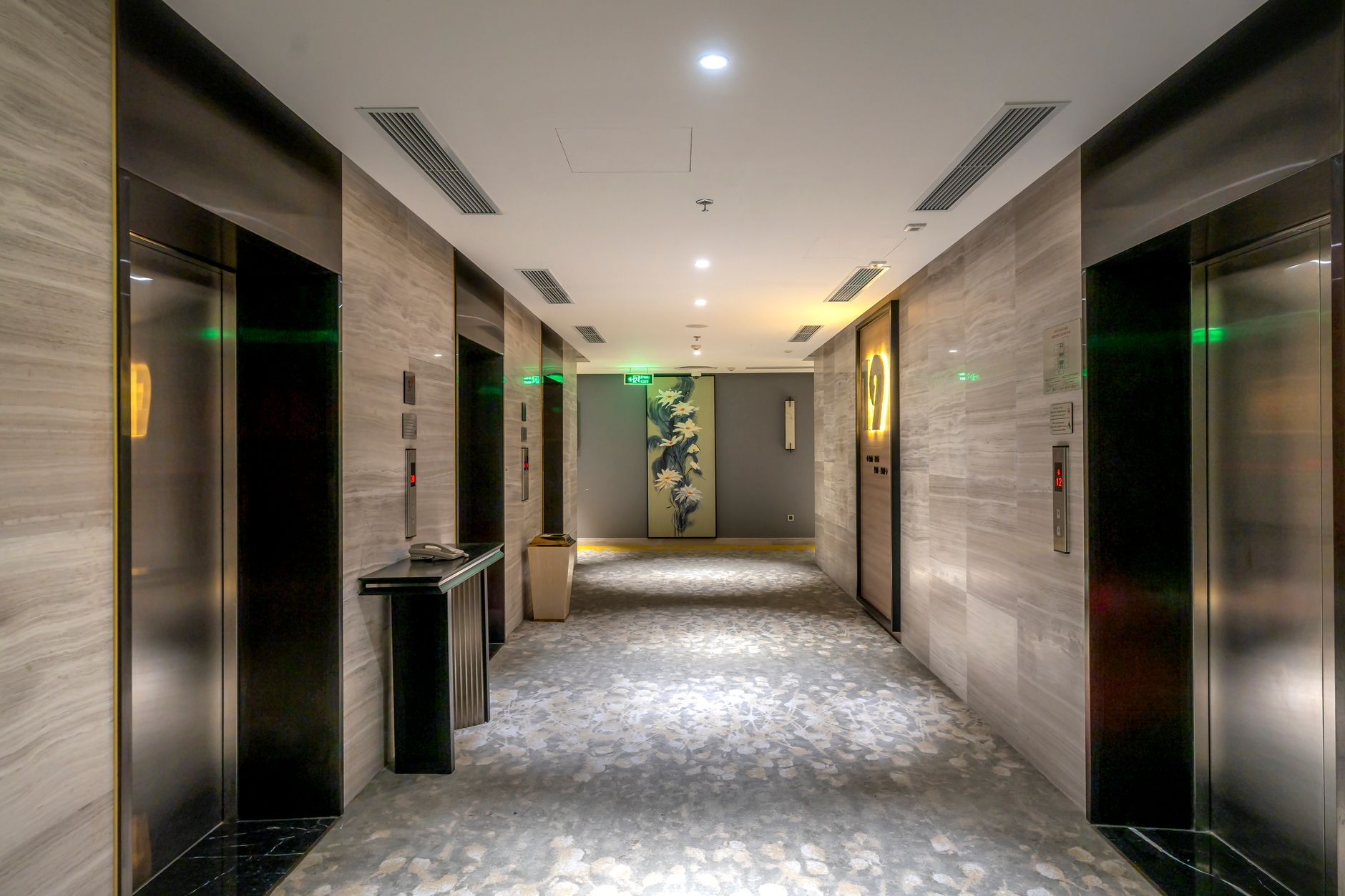
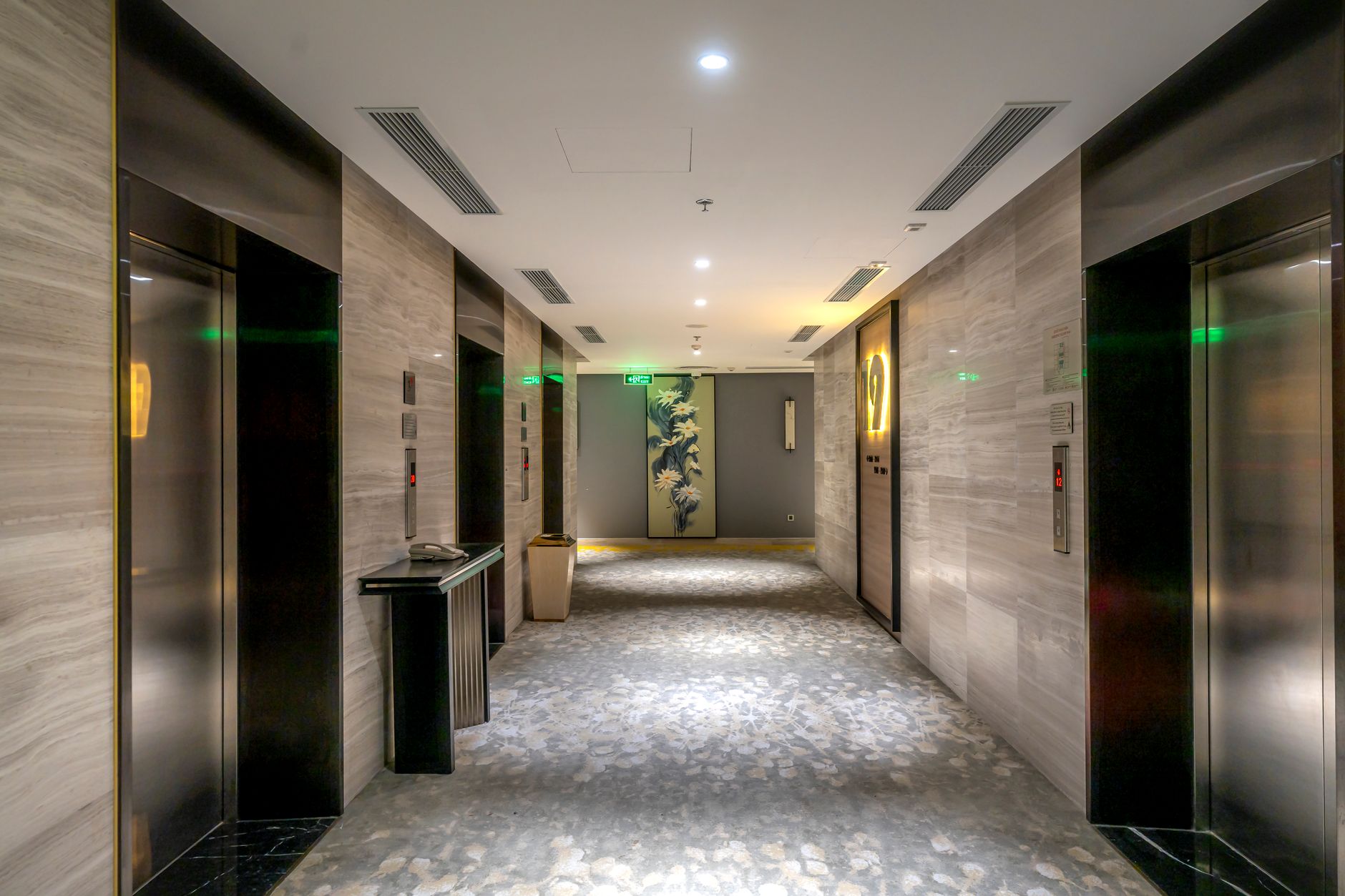
Gausium lists Vacuum 40 application zones as twelve guest floors, the lobby, and the basement. Phantas is assigned to the mezzanine.
Guest towers generate repeat carpet passes, elevator lobbies see constant roller bags, and basements often hide service corridors that guests never notice until they smell stale air.
Map each zone before you buy. A US full-service tower might mirror the split: guest corridors on a vacuum-focused platform, ballroom mezzanine on a scrubber, loading dock alleys on manual backup until maps prove safe.
What problems was the housekeeping team facing?
Gausium cites acute labor shortages, cleaning performance that hurt guest satisfaction, and not enough time to finish daily maintenance tasks.
Luxury properties feel those gaps quickly. A missed corridor pass shows up in reviews faster than in a limited-service suburban flag.
Housekeeping leads should list which tasks are time-bound to daylight turnovers versus true overnight work. Intercontinental Wien leaned on overnight flexibility once robots joined the schedule.
Why pair scenting with autonomous vacuuming?
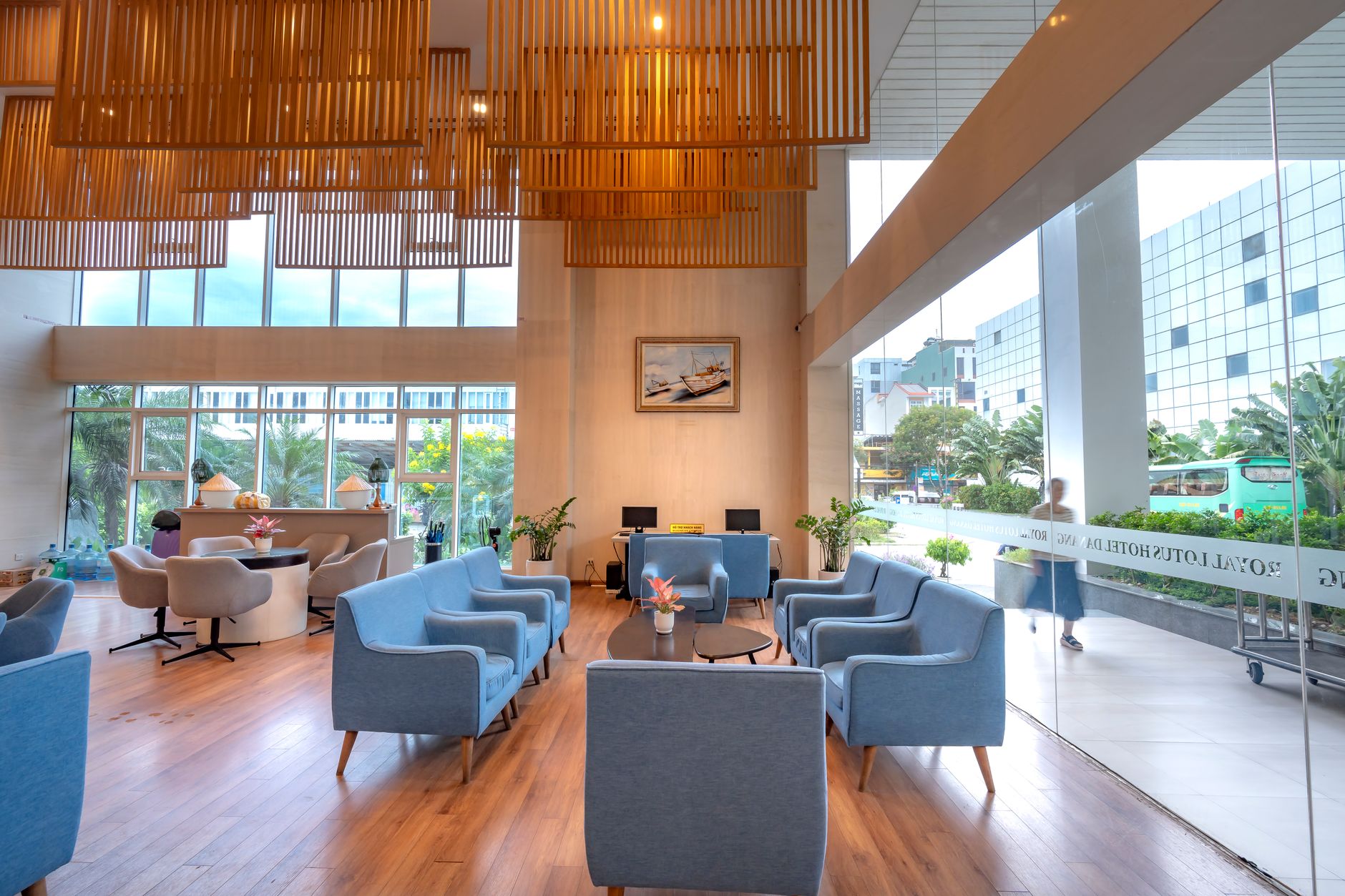
The Vacuum 40 diffuser version disperses the hotel brand scent while it vacuums and sweeps. Gausium ties that feature to atmosphere as well as debris removal.
US brands with signature scents should involve marketing and procurement together. Fragrance load, guest sensitivity, and HVAC interaction matter as much as brush settings.
Document scent intensity by floor. A lobby concentration may not belong outside guest room doors where allergies are more likely reported.
What features did leadership highlight before purchase?
Case copy points to cleaning performance, mobile app scheduling, compact design for tight spaces, and a simple operator interface.
App control only helps if night managers know who owns schedule edits after a banquet overlay changes ballroom furniture.
Train front desk and concierge to answer guest questions in one sentence. Curious travelers photograph robots; staff should sound prepared, not surprised.
What results did Gausium report after go-live?
Gausium attributes several outcomes to the deployment: better cleaning and atmosphere, time savings with overnight completion, streamlined workflows, versatility across multiple daily runs, and stronger guest satisfaction.
Management quoted in the case study said cleaning performance is perfect and consistent and that they already recommend the robots to other hotels.
Treat quotes as property voice, not independent benchmarking. Still track your own scores: guest comment themes, corridor audit photos, and hours returned to room inspectors.
What should US hotels verify before a dual-robot pilot?
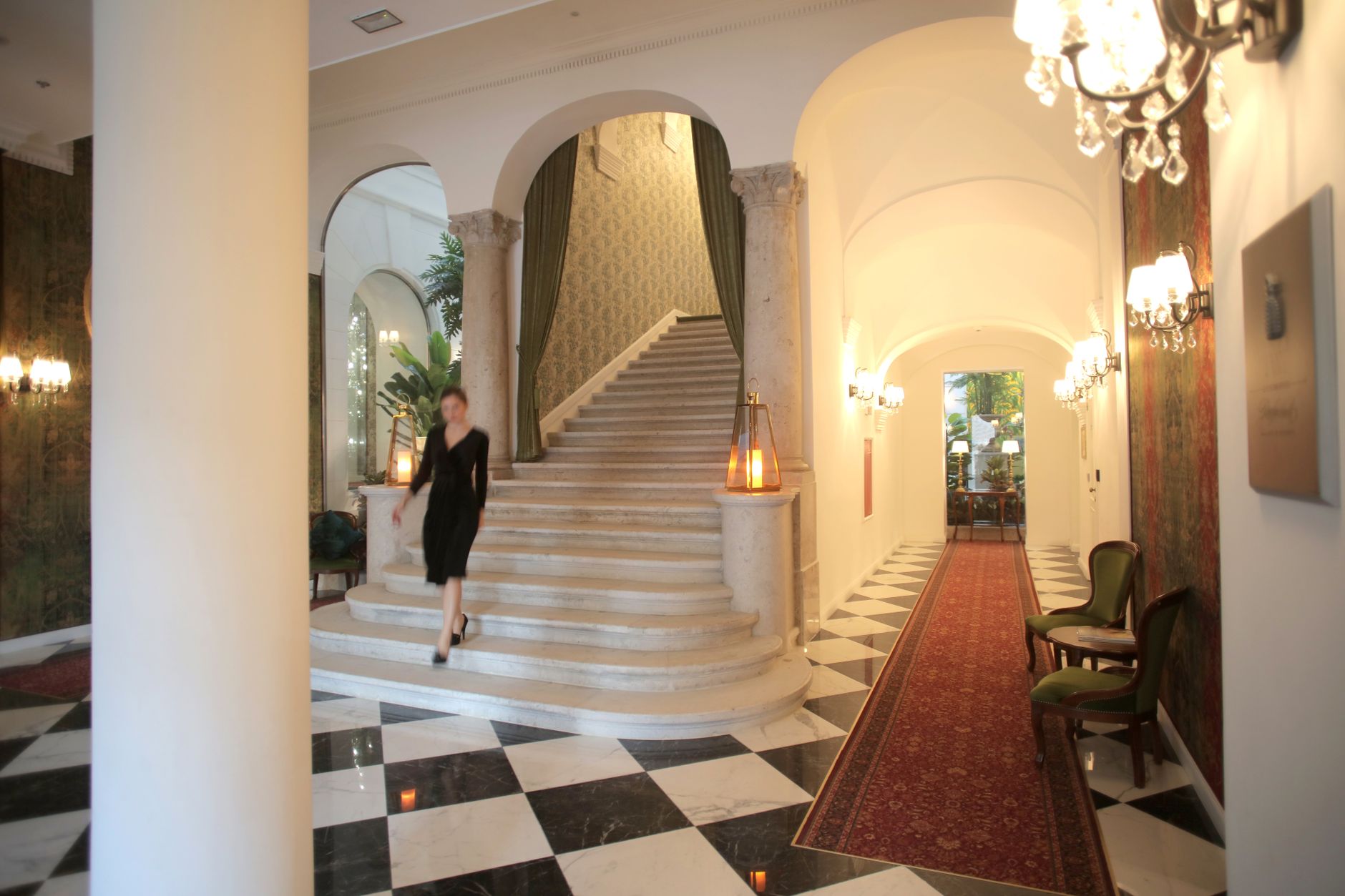
Confirm carpet pile, transition strips, and elevator thresholds on every guest floor path.
Review union or contract language if housekeeping seniority rules affect who operates or schedules robots.
Plan battery and water logistics for Phantas on mezzanine stone while Vacuum 40 runs tower loops.
Align security on basement routes where service elevators and loading access overlap.
- Measure mezzanine furniture layout before scrubber maps lock in
- Test scent diffusion with HVAC and guest allergy policies
- Set overnight hold points when late checkout blocks a floor
- Define who approves map edits after renovation or carpet replacement
- Require integrator sign-off on lobby public hours versus robot runs
- Document RoboCare response times before conference season
How does overnight scheduling change labor plans?
Gausium emphasizes flexible schedules with tasks completed overnight. That pattern fits hotels that cannot close guest corridors during peak arrival windows.
Day staff can focus on room turnovers, minibars, and guest requests while robots repeat predictable miles on corridors and lobby carpet.
Avoid double-booking the same aisle when banquets break down. One calendar for events, housekeeping, and automation prevents robots from meeting chair stacks mid-route.
Where does an OEM-neutral integrator fit US portfolios?
Gausium Österreich implemented both units for Intercontinental Wien. US owners often need bids across Gausium, other scrubber brands, and vacuum platforms before standardizing a flag.
Service Robot Co. selects cleaning robots across manufacturers, then lines up lease or purchase, deployment, training, and RoboCare service with regional engineers.
Bring last year housekeeping spend, floor plans, and elevator manuals to a site assessment. Compare dual-robot splits against a single larger scrubber before you commit capital.
Ask for hospitality references with similar room counts and carpet miles, not only airport or mall wins.
How do you keep luxury standards while automating corridors?
Luxury service still depends on human presence at the door. Robots should shrink repetitive vacuum miles, not replace turndown artistry or personal greetings.
Intercontinental Wien framed robots as a way to protect consistency when labor was thin. US properties can use the same logic without lowering inspection standards on guest rooms.
Pair automation with spot checks on high-visibility floors after the first month. Photos at the same time each morning reveal drift before guests post it online.
When results hold, expand maps slowly. One additional floor beats a fleet order that outruns training capacity.