Key takeaways
- A solar camera shows the state of a shed, but it cannot measure water flow, pressure or valve position on its own.
- Flow sensors alert faster than a camera can, and on some controllers the alert and the shutoff are separate events.
- Most solar cellular cameras in vendor listings use 4G LTE, so carrier coverage at the shed has to be tested first.
- Confirm line of sight, power or solar sizing and signal before any camera goes on a pole.
- The crew still walks to confirm pressure, drains, the valve box and anything the lens or sensor cannot see.
Can a solar camera replace the walk to a remote valve shed?
Not entirely. A solar camera on a remote valve shed shows the site: whether the door is open, whether water has pooled, whether something has been disturbed or someone is present. It does not measure water flow, read pressure, or prove a valve has closed. Those answers come from the controller and its flow sensor.
For a remote hole, where each check means a truck run and crew time, that split is the useful part. A camera and a flow alert together can cut blind trips, provided the crew knows which signal confirms which condition. The sections below cover placement, power and signal, what controllers report, and what still needs a walk.
Where should the camera point on a remote valve shed?
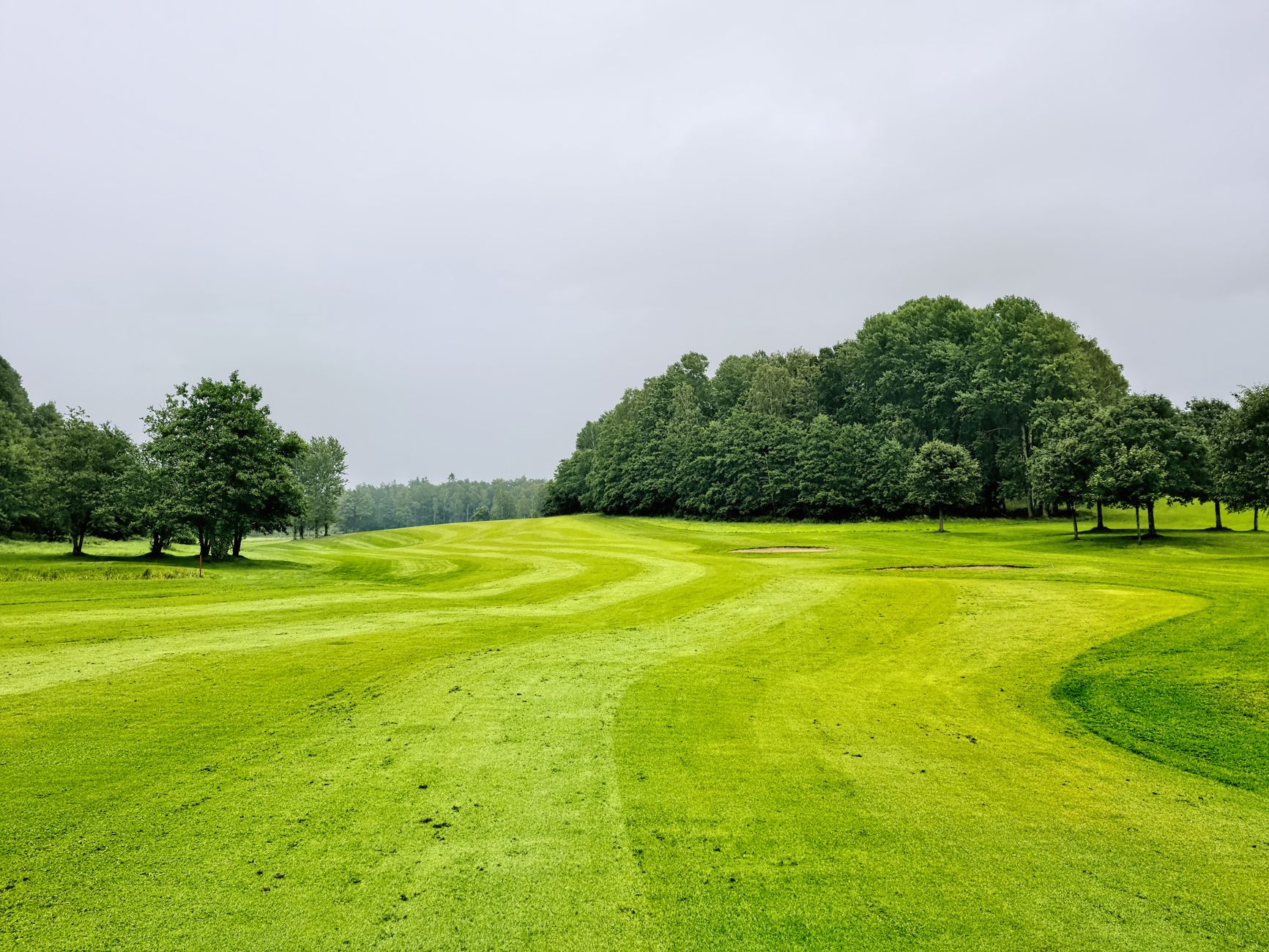
Aim for line of sight to the valve box or controller door, not just the access gate. A forum thread on golf course coverage lists a site survey, line of sight, and either power or solar on poles as the basic requirements.
Motion detection in vendor listings is mostly passive infrared, with stated ranges up to 40 ft and 90 ft depending on mounting. Those are vendor figures, so test at the actual pole height and angle. One listing uses microwave radar, which its maker says is less affected by environmental conditions than PIR. That is a maker claim, not a field result.
What do power and signal need at a remote shed?
Battery capacities in listings run from about 5,200 mAh to 10,400 mAh. One kit pairs a 60W panel with a 320Wh battery. Some listings claim 365 day operation, but that is a marketing statement rather than a tested figure.
Most units use 4G LTE, not 5G, and one listing says it supports AT&T and T-Mobile but not Verizon. Data plans are often sold separately. A forum report describes cellular modems falling back to 3G and slowing video, so check signal at the shed before mounting. One integrator estimate puts a cellular router at about 18W, which the source calls much higher than a typical camera draw, so size the panel from manufacturer figures for each site.
What do the controllers and flow sensors add?
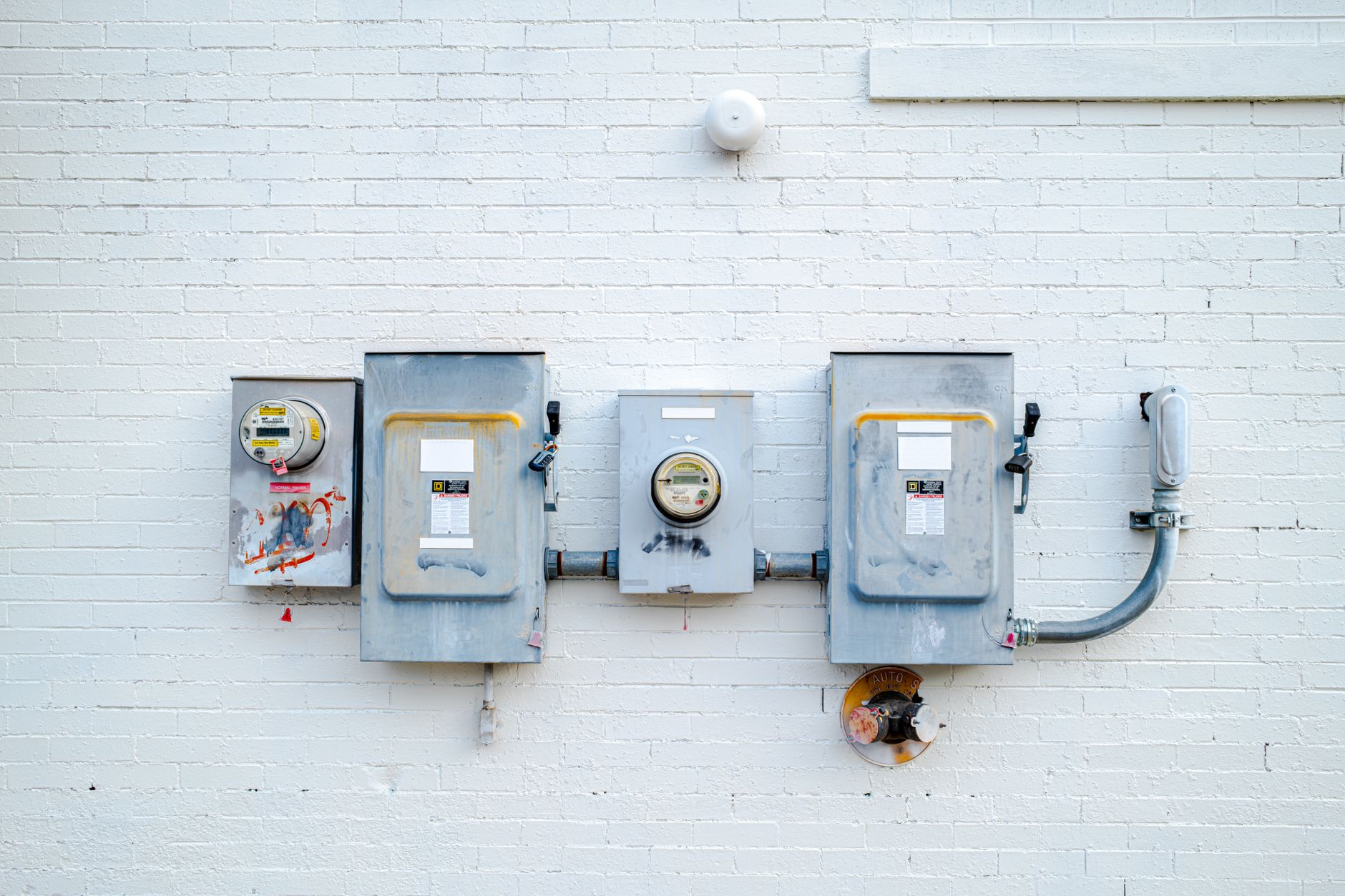
IRRIOT's solar remote valve station controls up to two valves through a cloud app that handles alarms and manual valve control. Its LoRa radio is listed at roughly 2 to 3 km in urban areas and 5 to 10 km in rural areas, and the vendor names golf courses among its target users. These are vendor-reported figures, checked as of November 2026.
Anc Technology's WiFi4G controller is solar or AC powered, supports up to four valves, and can run one camera that takes photos on demand or on a timer. It sends alarms for valve failure, flow, pressure and low battery. Toro's RXC-FLOW module adds leak detection and automatic shutoff to RXC controllers, and with the RXC-WIFI module and Oasis software it sends alerts to remote managers. Hunter's WFS wireless flow sensor monitors real time flow and lets the controller shut down on abnormal flow. WaterMe bundles a flow sensor with its wireless controller and sends push notifications for leaks or out of spec flow. Each of these descriptions comes from the vendor page as checked in November 2026.
Why can an alert arrive before the valve shuts?
HydroPoint's WeatherTRAK manual says the controller posts a No Flow alert immediately, but the master valve closes only after the high flow threshold is exceeded. An alert and a shutoff are therefore two separate events, and the gap between them depends on the threshold you set. A superintendent should read that threshold on the controller before relying on the shutoff.
SiteOne's contractor guidance advises checking whether a sensor detects leaks under 1 gpm and whether its output matches the controller. A sensor that misses small leaks, or sends a signal the controller cannot read, leaves the alert quiet when it should speak.
What can a camera confirm, and what can it not?
A camera answers questions about the shed itself. It is weaker on anything inside a box or in the water line, and it depends on a live link to say anything at all.
- Confirms: a shed door or box lid open or closed, visible standing water or debris around the box, a damaged enclosure, and a vehicle or person on site.
- Cannot confirm: flow rate, line pressure, whether a solenoid is energized, a valve position hidden inside a box, water quality, or whether an irrigation run is delivering water.
- Depends on the link: any live view, which drops when the cellular connection falls back or fails.
What does the crew still have to walk?
A flow alert means walking to the valve box to check actual conditions, since the alert alone does not show where the water is going. Walk after any camera image of standing water or an open enclosure, and after any cellular outage, because a silent camera cannot tell you the site is fine.
Scheduled walks still matter for pressure gauge readings, drains, filters and anything the sensor and lens never see. The camera trims trips. It does not replace the crew's eyes on the valve.
How does Service Robot Co. fit into a remote site plan?
Service Robot Co. is a robot integrator, so the camera and valve hardware discussed here is not part of our robot lease offer. Where a remote site also takes a robot, we start with a site assessment, and the fixed robot lease payment is quoted after that assessment on a three year lease, through financing.
We are OEM neutral. We choose robots across manufacturers, then deploy, integrate, train and service each unit under RoboCare, our service plan, backed by regional service engineers. The same discipline applies to a remote shed: match the equipment to the work and keep the handoffs clear.
What should a superintendent test before relying on the stack?
Run these checks on the actual site before the camera and alert setup carries any decisions.
- Check cellular signal at the shed with the chosen carrier before mounting anything.
- Trigger a test no flow condition and time when the alert reaches a phone.
- Record the high flow threshold and the time from alert to valve closure on the controller.
- Test motion detection at the real pole height at dusk and at dawn.
- Log camera outages and any fallback to a slower network.
- Compare the camera and alert record against the walk log every week.
Frequently asked questions
Want a robot working for you?
Tell us the job and the site. We will recommend the robot, quote the lease, and keep it serviced.
Sources
- IRRIOT Fact Sheet (Scribd)
- Anc Technology WiFi4G General Irrigation Controller (Landscape Architect product page)
- Vosker V150 Solar Powered 4G LTE Camera (Titan Security Supply)
- IPVM forum: Golf course, how to cover remote areas
- Toro RXC-FLOW Flow Module (Sprinkler Warehouse)
- Hunter Wireless Flow Sensor WFS (Irrigazette)
- HydroPoint WeatherTRAK: How it can help with leaks and water breaks
- SiteOne: Rethinking irrigation sales