Key takeaways
- Open turf with a clear sky over both the mower and its charging station fits best.
- Published slope ratings are maximums from consumer models, and the boundary can be the real limit.
- Dense tree canopy and narrow side yards break satellite guidance first.
- Theft protection helps, but no single feature makes a mower theft proof.
- Sites that fail several tests still need crew led mowing or a split plan.
What makes a commercial lawn a good fit?
A robotic mower suits a commercial lawn that is mostly open, reasonably level, reachable by a supervisor, and hard to carry off unnoticed. Lawns that meet those tests can run most of their turf without a seat operator. Lawns that fail several of them still need a crew, or a split plan in which the robot takes the open fields and people take everything else.
Think of the checklist as four questions asked in order. Can the mower find its position through satellites? Can it cover the ground without help? Can someone check it each day? Could it be stolen without anyone noticing? A no on the first question usually settles that zone, and a no on the last one changes how the rest is set up.
How much sky view does satellite guidance need?
Most commercial robotic mowers that use satellite positioning depend on RTK, and RTK depends on a clear view of the sky. Trees can block, weaken and reflect those signals. The result is patchy cutting, dropouts in shaded ground, and multipath errors where signals bounce off trunks, fences or walls.
Vendor thresholds are not standardized. Mammotion says a reliable signal needs at least a 90 degree open sky view for both the mower and the reference station. RTKdata says RTK needs clear sky above roughly 15 degrees from the horizon. Read either figure as one vendor's guidance, then test the actual site.
Reference station placement matters most. It should sit high and clear of overhanging buildings and trees. Narrow side yards and corridors under tree canopy are the hardest case, because canopy blockage and a limited sky view arrive together. Some vendors add a vision based fallback that can hold motion when sky visibility weakens, and that is worth asking about before you sign.
What slope can a robotic mower really handle?
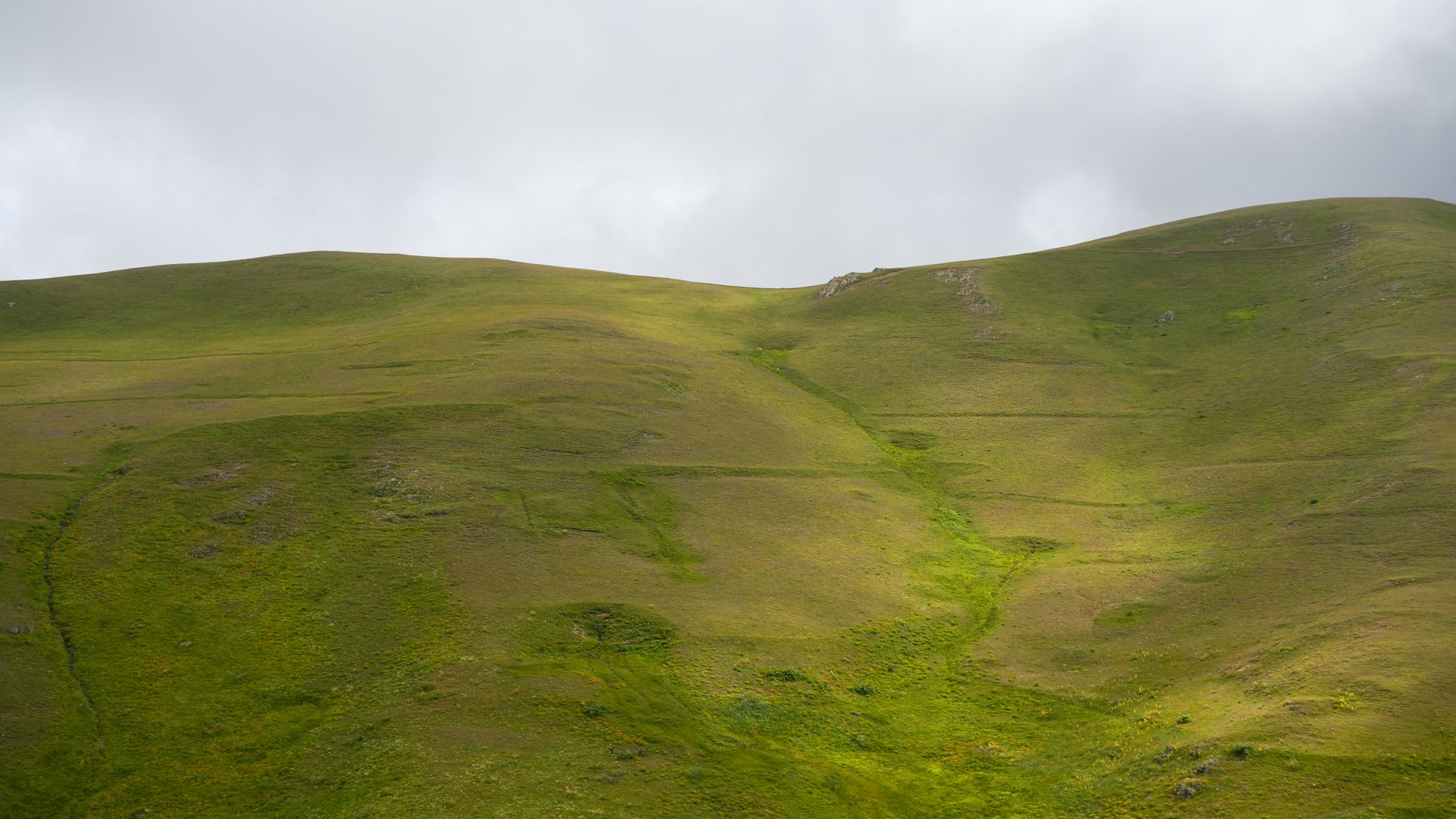
Published slope figures come from consumer model manuals and spec sheets. We did not find a commercial grade slope spec for a fleet model, so treat these as the best available guide rather than a commercial guarantee. The Husqvarna Automower 420 manual lists a specified working slope of 45 percent and says steeper areas cannot be guaranteed. The Automower 315 manual cites slopes up to 40 percent inside the working area, with steeper ground isolated by boundary wire.
The GARDENA SILENO legacy spec sheet gives 35 percent as the maximum inside the installation but only 15 percent at the boundary. That gap is the one to watch. A mower may handle a bank inside the lawn yet be unable to run its edge along the same bank, so the boundary figure can set the practical limit.
Read any rating as a maximum, not a daily target. Choose a mower rated above your steepest slope, then walk that slope in wet weather, because damp grass loses traction and a rating earned on dry ground can overstate what a wet bank allows.
Which obstacles and layout features slow a mower down?
Obstacles matter less by count than by arrangement. A few isolated islands can be fenced with boundary wire and cut around. A lawn with dozens of beds, signs, benches and edge runs creates pinch points where the mower circles and the crew still trims by hand.
Layout also decides where the charging station can go. It needs a flat spot with a clear sky view and reachable power, plus a route to the main zones that avoids the busiest walkway. A station placed for convenience at the building entrance often fails the sky test, so those two decisions should be made together.
How do you walk a site before quoting?
A site walk answers most of these questions faster than any brochure. Bring a notebook, a level app on a phone, and someone who knows where the irrigation heads and buried lines run. Record these items on the walk:
- Measure open turf against beds and hardscape, and mark every zone cut off by islands or walkways.
- Stand at the charging station and at the steepest bank, and check the sky above each for trees, eaves and light poles.
- Record the steepest slope in wet weather, and mark any bank that will need boundary wire or a crew.
- Count obstacles that need hand trimming, such as signs, benches and irrigation heads.
- Name the person who checks the mower each day, and note how fast they can reach it.
- Walk the fence line, gates and lighting, and note how easily a unit could be lifted and carried off.
- Confirm the power route to the charging station and the access path for service vehicles.
How do theft protections change the picture?
Theft exposure belongs on the checklist because a mower left on an open lot is an easy target. According to Husqvarna's support page, the Automower theft protection system requires a PIN to run, sounds an audible alarm if the unit is lifted or stopped, and gives a stolen unit a high pitched alarm that only the unique PIN can silence. GPS theft tracking is invoked automatically if the unit is taken and can track it for up to twelve hours.
Commercial units add to that. As checked in November 2026, a dealer listing for the Husqvarna 520 Commercial describes lift and tilt sensors, the PIN protected alarm, and theft tracking offered through Husqvarna Fleet Services on a PC or tablet. No single feature makes a mower theft proof. Vendor blogs also note that GPS alerts work best when the charging station has a strong GPS signal, which is one more reason to test the site.
Who supervises the mower, and how often?
A robotic mower still needs a person who knows the site. Supervision access means a named crew lead who can see the mower's status, reach it within a reasonable time, and clear a stuck unit before the turf suffers. Where nobody is on site, the mower's alerts become the only early warning, and that is a weaker setup for any lawn with heavy traffic.
Service Robot Co. sets up and trains the people who will work beside each unit. Every unit is backed by RoboCare, our robot maintenance service plan, with on-site dispatch and regional service engineers in each state we service. One vendor covers the lifecycle, so the crew lead has one number to call.
Which property types usually fit, and which still need a crew?
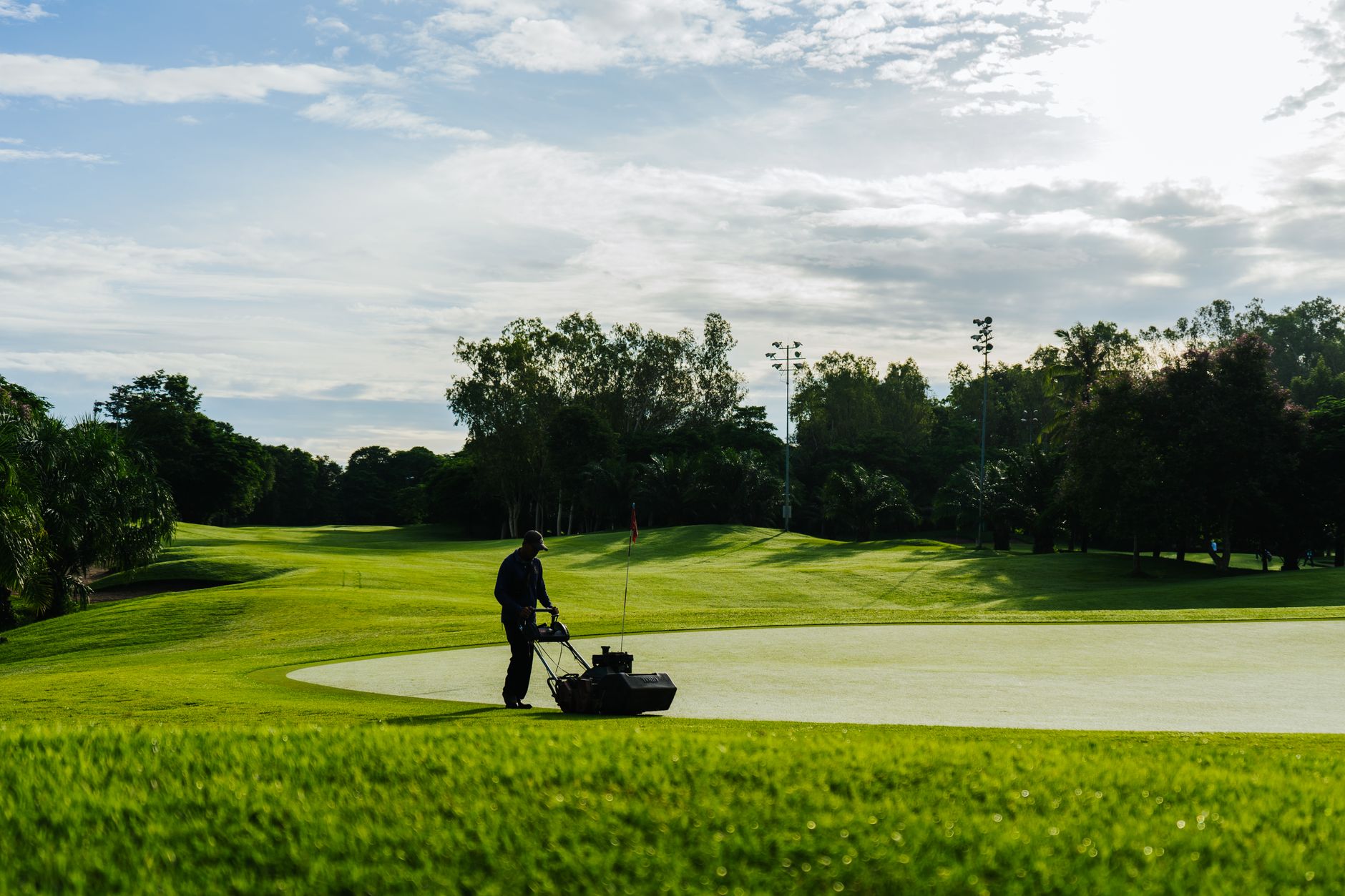
Open office park lawns, business frontage with long unbroken turf, and large common areas with few beds tend to fit well. They offer wide runs, predictable edges and a supervisor who can check the mower between other tasks. Those properties usually clear most of the checklist on the first walk.
Properties that usually still need a crew include heavily treed sites, steep embankments with no flat approach, courtyards broken by many beds and paths, and lawns in constant public traffic that cannot be fenced. Many of them can still host a robot on their open zones, with the crew handling edges, trees and banks.
Sites that fail several tests should not be forced onto a robot. Service Robot Co. is OEM neutral, so commercial robot leasing starts with a site assessment, and when one manufacturer's mower does not suit a site, we compare models across manufacturers. The lease quote is one fixed figure on a three year lease, and the walk above becomes the first draft of that site assessment mapping.
Frequently asked questions
Want a robot working for you?
Tell us the job and the site. We will recommend the robot, quote the lease, and keep it serviced.
Sources
- Husqvarna Automower 420 manual (ManualsLib)
- Husqvarna Automower 315 manual (ManualsLib)
- GARDENA SILENO legacy spec sheet
- Mowrator, RTK signal loss near trees
- RTKdata, RTK accuracy guide 2026
- Mammotion, RTK signal in lawns
- Husqvarna Automower theft protection support page
- Robert Kee dealer listing, Husqvarna 520 Commercial