Key takeaways
- Keep lenses off restrooms, locker rooms and changing areas, with no exception to that rule.
- Aim at equipment yards, cart barns and service lanes instead of the patio and guest walkways.
- Keep audio off by default, because signage does not replace consent to record sound.
- Set retention by camera group with a written reason, commonly somewhere in the 30 to 90 day range.
- Treat fast-install claims as vendor-reported and time a real site assessment before approving a schedule.
Where can a solar camera point on member land?
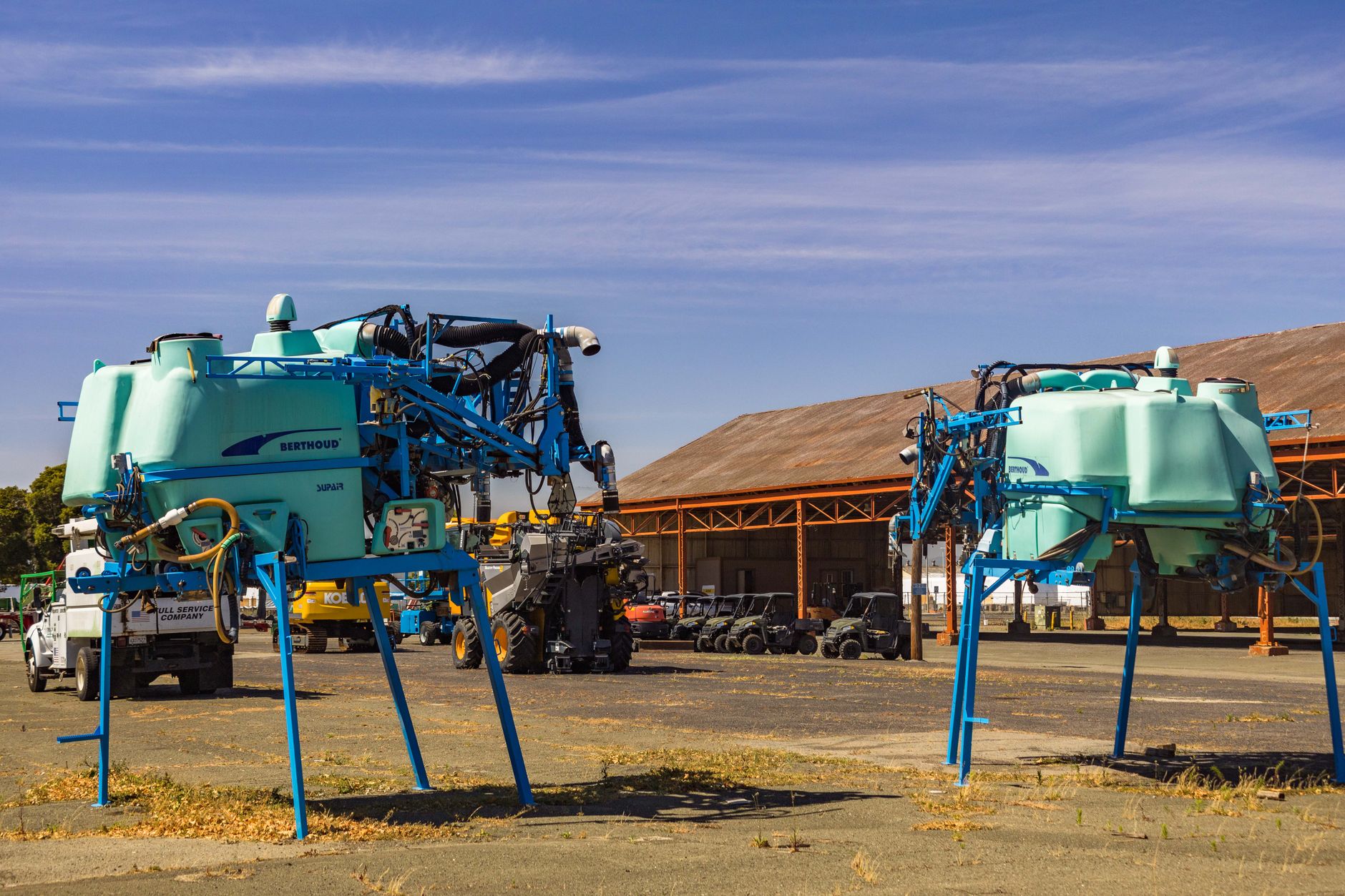
A solar camera can cover almost any open, working part of a member golf property, as long as it stays away from places where people reasonably expect privacy. Those are restrooms, locker rooms and changing areas. The useful targets are equipment yards, cart barns, maintenance entries and the edges of the parking lot, where cart and equipment theft, clubhouse break-ins and after-hours trespass actually happen.
Courts generally weigh whether a person had a reasonable expectation of privacy against the property's legitimate interest in protecting itself. Open areas such as hallways, workspaces and parking lots carry little expectation of privacy, while restrooms and locker rooms carry a high one, according to National Law Review commentary on video surveillance at work. The gap between those two is where most member-property decisions get made.
Two points settle the hard cases. California bars employers from recording employees in restrooms, locker rooms and designated changing rooms, and West Virginia restricts cameras in areas meant for personal comfort such as lounges, according to Bradley's review of state law. Those are commentary rather than statute text, so a general manager should confirm local rules with counsel.
How do you aim a camera away from lockers and the patio?
Mount the camera so it looks down a service lane or along the cart barn wall, not across a patio, a walkway to the car park or a row of locker-room doors. Keep the field of view as narrow as the job allows. A camera that covers the equipment yard does not need to see the clubhouse corner behind it.
Set privacy masks in the video software before the camera goes live. Mask every window that faces a changing area, every restroom door and the full length of any locker-room corridor. Then walk the site at mounting height and check the saved frame, because a mask that looks right on a laptop can miss a window reflection at dusk.
Check night views separately, since infrared illumination can change what a lens picks up after dark. Photograph the approved view on sign-off day so the written policy and the installed lens describe the same thing.
What do signs and audio settings need to say?
Most sources say signage is generally not legally required for silent video of areas open to view, though posting it is widely treated as best practice. One source cites New York City nightclub entrances as an exception, and sources conflict on the details, so verify the statutes for your state before relying on that point.
Signage does not replace consent for audio. Several sources list California, Florida, Washington and Massachusetts as all-party consent states for audio recording, which means every person in a conversation has to agree. The simplest policy is audio off on every member-property camera unless counsel approves it in writing.
How long should footage stay on the drive?
Common retention ranges run about 30 to 90 days across business guidance, according to AIS. One source in the same review gives small retail 7 to 30 days, offices 30 to 90 days and warehouses 60 to 90 days. A golf property mixes clubhouse traffic with yard and storage areas, so the shorter and longer ranges can both apply, but to different cameras.
Set retention by camera group, not as one number for the whole property, and write the reason beside each group. Higher resolution and frame rate use more storage on the same drive, which shortens how far back footage reaches. Insurance, contract or legal minimums set the floor, so review the period whenever those terms change.
How fast can solar cameras really go up?

Vendors make fast-install claims. SolaGuard lists 5 to 10 minutes per camera for installation, a figure that is a vendor claim rather than an independent measurement. Hikvision says its solar setup has no complex cables and claims up to 7 days of autonomy in cloudy or rainy conditions when fully charged. Both figures are vendor-reported.
Power is only part of the timeline. Cellular data on 4G models is a recurring cost, and coverage has to reach the site before the camera is useful. Site assessment, panel orientation and mounting still take time, especially where tree shade or a slope affects charging, so schedule the policy sign-off before the install crew arrives.
What should the general manager approve before cameras go up?
A one-page written policy is enough for most clubs. It should be signed before any hardware arrives, and it should be specific enough that a superintendent or security contractor could follow it on a quiet Sunday without calling anyone.
- A numbered list of camera locations, each with a site photo and the approved field of view.
- Masked zones over restroom, locker and changing-room doors, verified after install and again after any lens adjustment.
- Audio off by default, with counsel approval in writing before any change.
- A retention period for each camera group, with the reason written beside it.
- Named viewers, logged access and a written process for requests from members or staff.
- An annual review date, plus a trigger to review when insurance terms or local rules change.
Does a patrol robot change the privacy rules?
A fixed camera watches one lane. A security patrol robot moves through the property, so its sensors can cover more ground, which makes masked zones and retention limits harder to keep steady. The same rules apply to both: respect restroom and locker doors, keep audio off and set retention by group.
Service Robot Co. (servicerobotco.com) is an OEM-neutral integrator. We lease robots through financing on a 3-year lease, with one fixed lease payment quoted after a site assessment, and we service each unit under RoboCare. If a club is weighing fixed cameras against a patrol robot, the site assessment is where privacy zones get mapped first, before any hardware is chosen.
Frequently asked questions
Want a robot working for you?
Tell us the job and the site. We will recommend the robot, quote the lease, and keep it serviced.
Sources
- Bradley: Smile for the Camera, video surveillance at work and state law
- National Law Review: Smile for the Camera, video surveillance at work and state law
- Mondaq: California Supreme Court clarifies standards for workplace video surveillance
- Ambient.ai: Video surveillance laws by state
- Security Sales: Warning and posting surveillance signage
- AIS: How long a business should store security footage
- SolaGuard: Solar 4G camera vs wired CCTV buyer's guide 2026
- Hikvision: What makes solar-powered cameras the ideal security solution