Key takeaways
- Weekend nights concentrate spills where guests stand at the bar and near tasting tables, so cleaning has to happen after close or in a tight early-morning window.
- An autonomous scrubber earns its place when routes avoid keg lines, glycol lines, and ADA paths while still covering the highest-traffic zones.
- Taproom-focused breweries lean on on-site sales, so floor condition affects repeat visits even when packaged beer sales are flat.
- Buy or lease financing lets you phase a scrubber in before peak season without pulling brewers off production for mop duty.
- RoboCare service through one integrator keeps chemistry, pads, and route updates under one number instead of juggling vendors.
Why do brewery taproom floors get dirty faster on weekends?
Friday and Saturday nights stack the most foot traffic, carry-out cups, and bar spills into a few hours. Concrete and sealed tile look fine at open, then turn slick near the bar rail, merch tables, and the path to the restroom.
Brewers and tap staff are already stretched during service. Asking them to deep-clean after last call competes with keg changes, tank checks, and the work that has to finish before the next brew day.
The Brewers Association Harris Poll consumer research notes that craft drinkers still visit breweries often, with many visits going to local taprooms. A sticky floor is a small detail that still shapes whether someone wants to come back on the next busy night.
Where should you focus cleaning when the room stays packed?
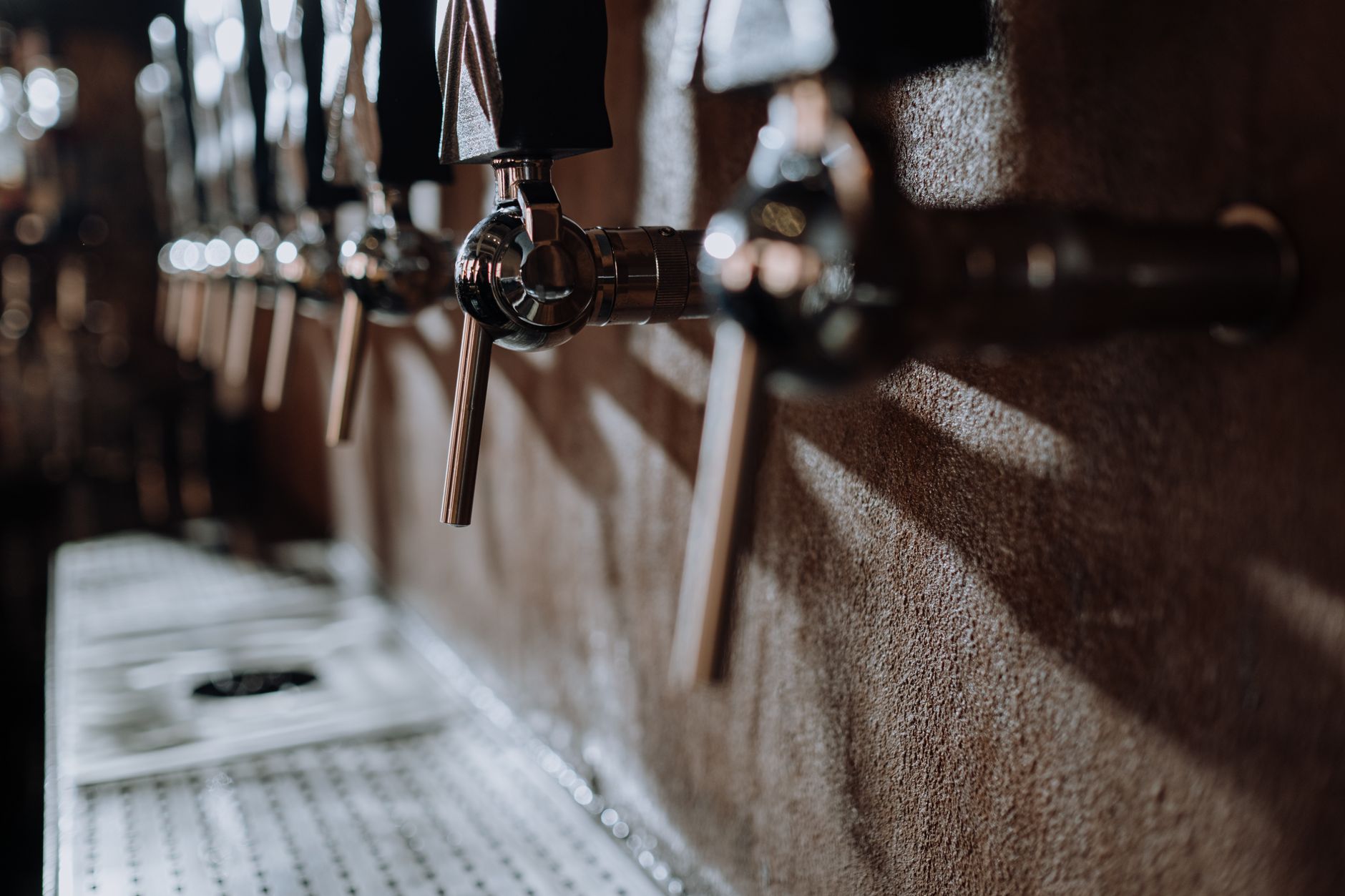
Start with the zones guests actually use: the bar front, queue lines, high tops, and the corridor to restrooms. Those areas collect sugar from beer, citrus from mixed drinks, and tracked-in grit from the parking lot.
Back-of-house paths matter too, but they are easier to close during service. The guest side usually cannot shut down until the taproom clears, which pushes real scrubbing into late night or before the lunch rush on Sunday.
Mark low-clearance spots, floor drains, and transition strips between rooms. A scrubber route that misses a drain lip or catches a hose bib will fail on night one, not month six.
- Bar rail and draft tower drip zone
- Tasting table islands and flight trays
- Merch and cooler grab areas
- Restroom corridor and door thresholds
- Patio entry mat and shoe wipe zone
Can an autonomous scrubber work around kegs and glycol lines?
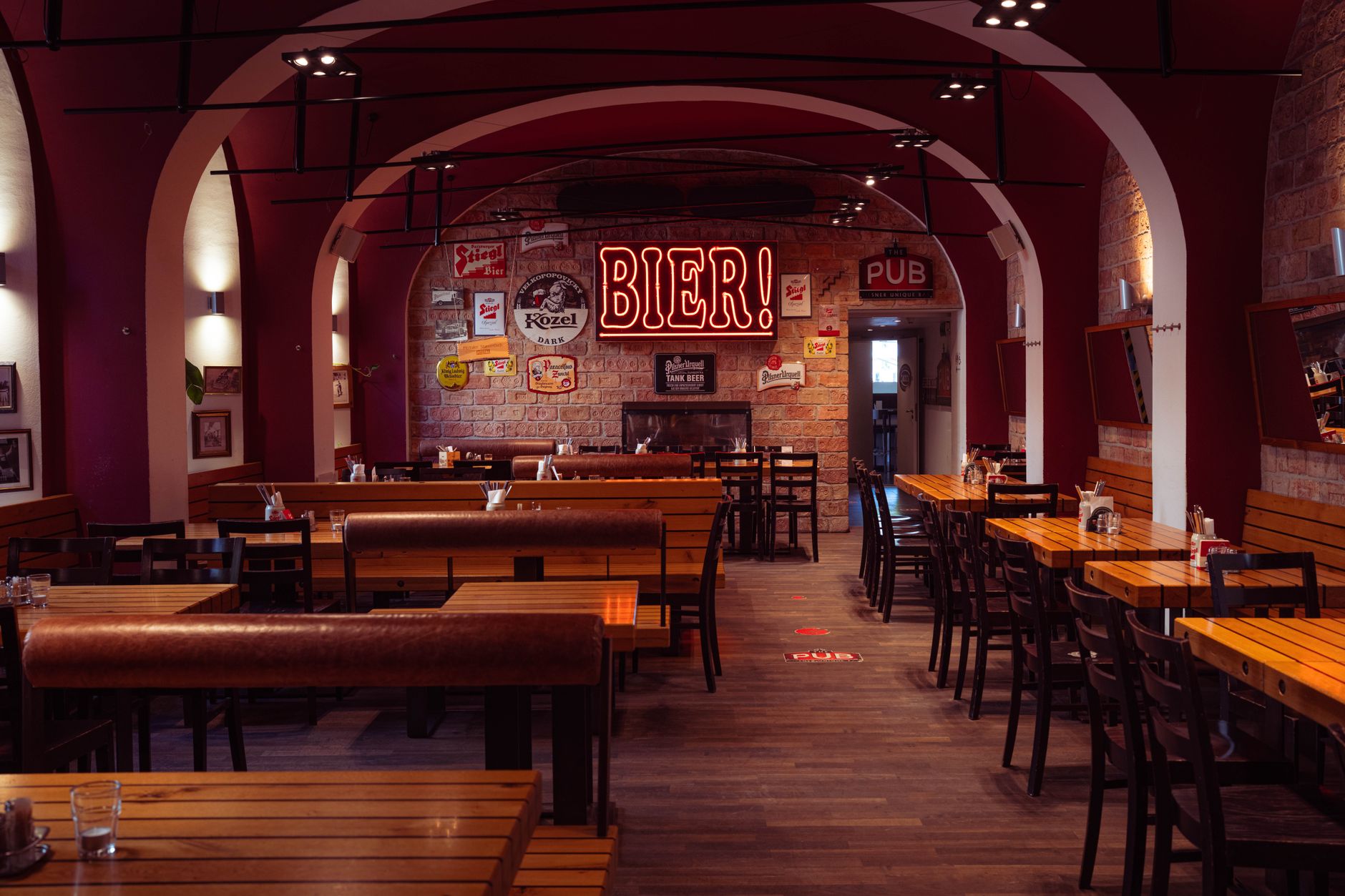
Yes, if the machine width, brush type, and route map respect how your cellar and bar are plumbed. Keg lines, glycol trunks, and floor anchors are fixed obstacles, not surprises to discover mid-run.
Most taprooms do best with a compact scrubber that can hug the bar footprint, then widen out in the open floor. You want enough tank capacity to finish the guest area in one pass so staff are not swapping water at 1 a.m.
Service Robot Co. maps those obstacles during a site assessment, then sets exclusion zones so the unit stops short of keg connectors and electrical panels. Training covers how tap staff pause a route when a delivery pallet blocks an aisle.
What changes when you compare mop buckets to scheduled scrubbing?
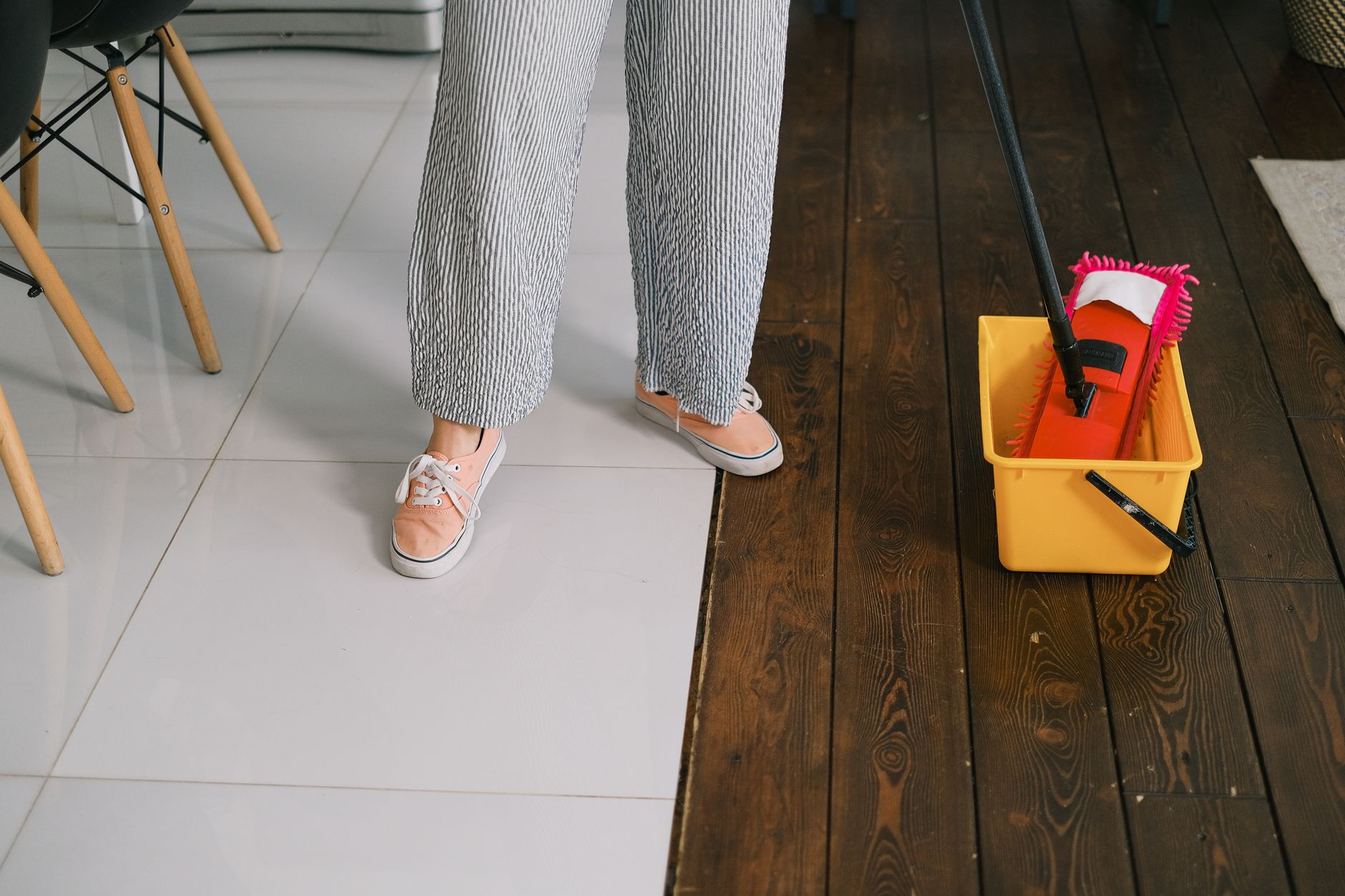
Mop water often spreads grit instead of removing it, especially on textured concrete. A scrubber applies consistent down pressure and vacuum recovery, which matters when sugary spills dry into a film.
Manual cleaning also varies by who is on the closing shift. Automated runs follow the same path and timing, which helps managers spot when a floor section needs a deeper pass.
That repeatability is useful for safety. Wet floors are a common slip hazard in hospitality, and insurers expect documented floor care even in small facilities.
How do you keep ADA routes clear while a robot runs?
Run scrubbers after guest hours when possible. If you must clean before a Sunday brunch service, stage the robot so it never blocks the accessible entrance or restroom path.
Tape or sign the alternate route only when needed, and keep the accessible path dry before you open doors. Robots should yield at narrow pinch points where a wheelchair or walker needs full width.
Document the order of operations: vacuum large debris, scrub open floor, then detail edges by hand where the machine cannot reach. That sequence keeps ADA compliance visible to staff and auditors.
What should you map before you buy or lease a scrubber?
Bring floor measurements, doorway widths, and photos of drains to the assessment. Note where glycol lines cross the floor and where keg carts turn.
List your weekend close times and the earliest you can run loud equipment. Some municipalities restrict noise after midnight, which pushes scrubbing earlier or later than you expect.
Decide who owns route resets when you move tables for trivia night or live music. A five-minute table shift should not require a full reprogram, but the robot needs a named person who can adjust the map.
How does financing fit a taproom budget?
Taprooms often fund equipment from operating cash flow, but a scrubber is closer to a capital expense than a case of cans. Buy outright when you have the cash and want the simplest ownership path.
Lease through financing when you want predictable monthly payments and the option to refresh the unit after a few years of heavy weekend use. Service Robot Co. structures both paths and keeps service under RoboCare.
Neither path includes hidden maintenance promises. Budget for pads, squeegees, and chemistry the same way you budget for draft line cleaner.
Who handles service when a Saturday night run stops mid-route?
Taprooms cannot afford a scrubber sitting idle before Sunday brunch. RoboCare routes remote triage first, then dispatches a regional service engineer when a part or sensor needs hands-on work.
Keep a simple spare parts kit on site for brushes and squeegees that wear quickly in sticky environments. Your integrator should train staff on fault codes that are safe to clear without opening the machine.
One vendor for select, finance, deploy, and service beats calling a different desk for hardware, software, and repairs when the floor is still wet from last night.