
Key takeaways
- Zone narrow paint and fastener aisles separately so the scrubber can finish each one without stalling.
- Clear cords, fixture bases and carts before the run starts, not during it.
- Schedule the run after the last overnight delivery is staged clear and before the first restock crew arrives.
- A site assessment with mapping comes before any fixed lease quote is built.
- Retail vendor figures show the scale of floor programs, but a hardware store needs its own trial.
Can an overnight scrubber clean a hardware store before opening?
Yes, when the floor is mapped, the aisles are zoned, and the run starts only after the receiving door and every cord are settled. A hardware store with narrow paint and fastener aisles can have its floors scrubbed before the first customer arrives, without anyone on a night shift operating the machine. Staff handle the setup, the exceptions and the morning check.
The work is less about the robot than the preparation. Most failed runs trace back to a cord, a stray cart or a pallet left in a lane, not to the scrubber itself. The steps below keep a run clean from close to open.
Why narrow hardware aisles are harder than big box floors
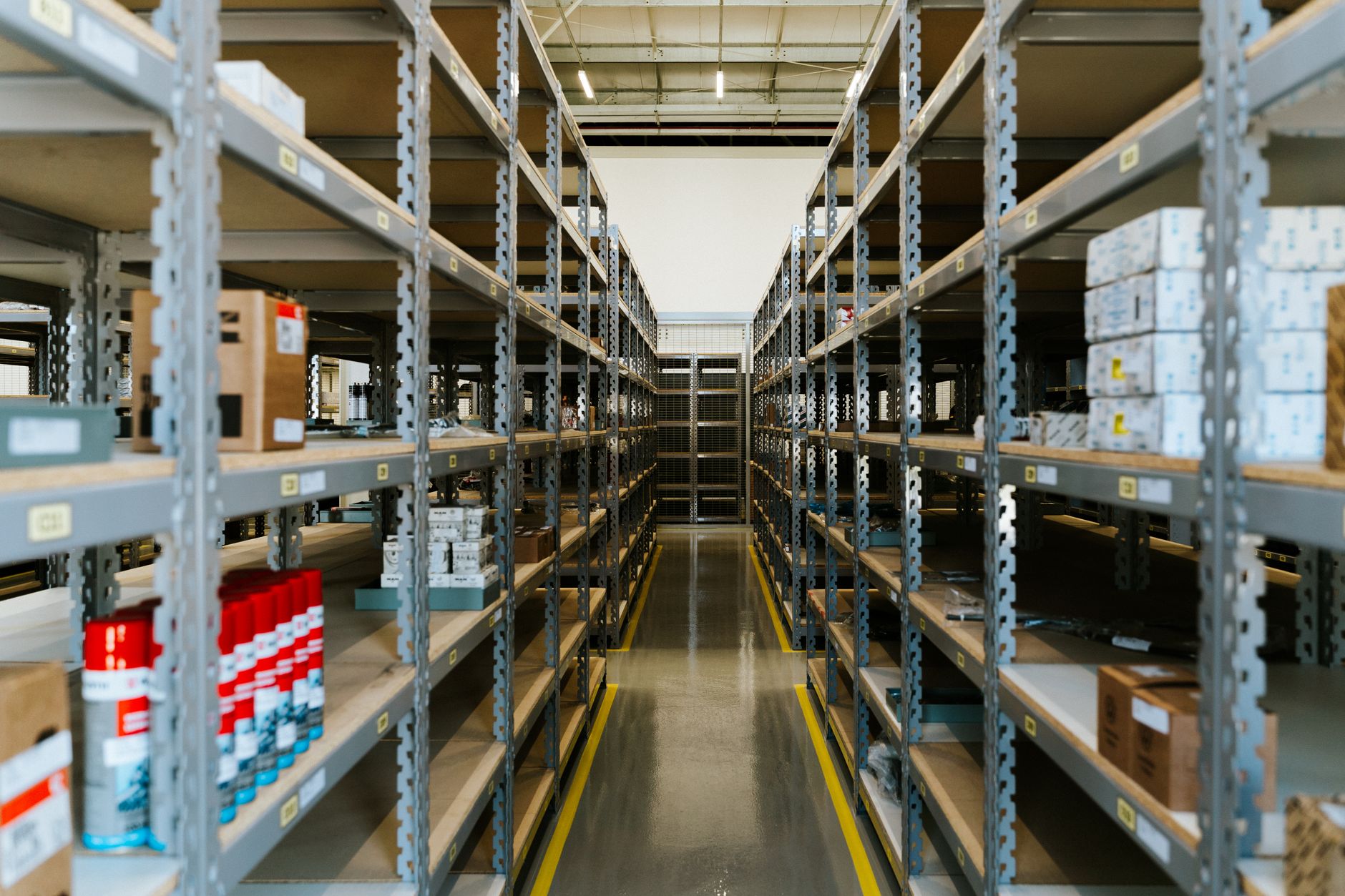
A hardware store runs tighter than most retail floors. Paint aisles hold shelving with can pallets and mixing stations at the ends. Fastener aisles carry bin walls that project into the walkway, and seasonal endcaps shift from week to week. A scrubber that handles a wide grocery aisle can still stall at a bin wall it never saw during mapping.
Market data points to growth but says little about hardware specifically. According to IFR's 2026 World Robotics coverage, professional service robot shipments rose 24 percent in 2025 to almost 250,000 units, with cleaning robots third by application and floor cleaning as the main use. That tells you the category is maturing. It does not tell you how a paint aisle with a drip line will behave.
How do you zone the aisles before the first run?
Zoning divides the building into areas the scrubber can finish in a set window, each with a known start point and exit. Zones follow traffic and debris, not square footage alone. A paint aisle with drips may need its own pass, while the front vestibule may need only a sweep before the scrub.
In a typical hardware layout, the zone list looks like this.
- Entry vestibule and mat line, where grit from the parking lot collects
- Paint and stain aisles, where drips and dried spatter need a dedicated pass
- Fastener and hardware bins, where small parts and dust gather at the bin bases
- Seasonal endcaps and promotional aisles, which change and need remapping
- Receiving lane and dock threshold, which takes pallet traffic and forklift tracks
What must be clear before a run starts?
Clear the cords first. Extension cords for demo tools, shop lights and card readers can snag a scrubber skirt or wrap a brush. Lift them to the wall, route them out of the lane, or use a rated cable bridge where a cord must cross an aisle.
Then check the fixture bases. Shelving feet, bin legs and display stands with low lips can catch a bumper or block a sensor line of sight. Every cart and pallet jack belongs in its bay, not parked in a lane where the map does not expect it.
Finally, look at the floor itself. Standing water, oil from a spilled can and wet paint will defeat a pass. The scrubber cleans what is on the floor, so a spill left overnight becomes a missed zone that staff find at opening.
How should the run be timed around deliveries and receiving?
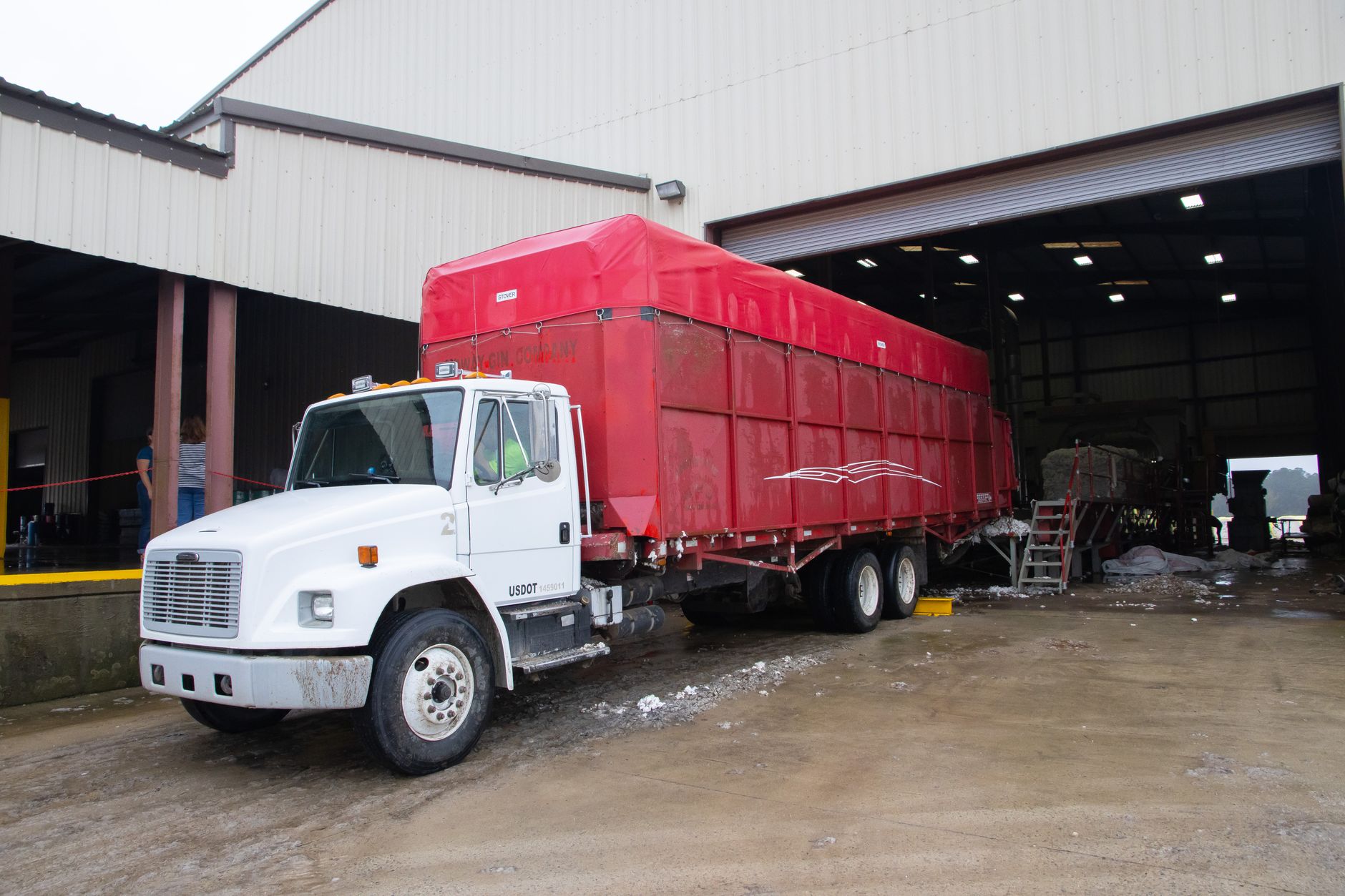
The receiving door sets the schedule. Hardware stores often take freight late in the evening or early in the morning, and a pallet staged in a lane is an obstacle the map does not know about. Start the run after the last delivery is unloaded and staged clear of the zones, and finish before the first restock crew arrives.
Build in a buffer. If a truck arrives late, the run should hold rather than route around a pallet in the middle of an aisle. A vendor page for Mömax, as of November 2026, says Gausium Scrubber 50 robots deployed across more than 20 stores operate before opening and during business hours. That is a useful pattern for scheduling, even though a hardware store has different traffic.
What have retail floor programs actually measured?
Vendor case studies show the scale of these programs, though none is from a hardware store and none isolates overnight only work. As of November 2026, Tennant's case study for Albert, a Czech grocery chain, reports 40 BrainOS powered scrubbers deployed by the end of 2022, more than 20 million square meters cleaned since, and over 92,000 cleaning routes completed.
A separate Tennant case study for a grocery chain with more than 100 stores reports 33,649 hours reallocated, 366,102,899 square feet cleaned autonomously and 104,553 autonomous route runs. The vendor describes these as growth figures across years, not single period totals, so do not read them as a nightly average. Tennant's Domus case reports more than 2.5 hours per day of autonomous cleaning on average, though the vendor PDF does not confirm that all of it happens overnight.
What does a site assessment check before a lease quote?
A site assessment turns a hardware store's floor from a general idea into a map. We check the floor type and condition, including sealed concrete, epoxy and worn tile. We measure aisle widths at the tightest points, inspect thresholds and slopes at the receiving door, record shelving heights and base profiles, locate power for charging, and learn the delivery and staffing pattern that sets the run window.
Mapping then produces the zone plan and the run schedule. Once those are confirmed, we quote one fixed lease payment on a three year lease, with go live support during deployment. Every unit is serviced under RoboCare, our service plan, by regional service engineers. Service Robot Co. is vendor neutral, so we recommend the unit that fits your aisles, whatever its brand.
Who answers when a scrubber stops at 3 a.m.?
With no night crew, a fault becomes a question of who gets the call. Under RoboCare, remote triage comes first, so a stalled scrubber is diagnosed before anyone drives out. On site dispatch follows when the fault needs hands, and a regional service engineer handles it in the states we service.
Before you sign with any vendor, ask the same things. What happens when a unit stops mid aisle, who reaches the store, and how the run resumes after the fix. Get those answers in writing alongside the lease terms.
Frequently asked questions
Want a robot working for you?
Tell us the job and the site. We will recommend the robot, quote the lease, and keep it serviced.