Key takeaways
- Harvest traffic loads lobby mats faster than a once-a-week mop can recover.
- The USDA counted 379 farms and 135,636 wheat acres in Cheyenne County in 2022, a signal of how much seasonal truck traffic hits local offices.
- Night autonomous scrubbers handle repeatable hard-floor loops while staff focus on entries and exceptions.
- Month-to-month robot rental lets you pilot one mapped route before fair week or peak grain receipts.
- Service Robot Co. maps routes during a free site assessment and supports units through a nationwide engineer network.
What does harvest mud do to co-op and elevator entries?
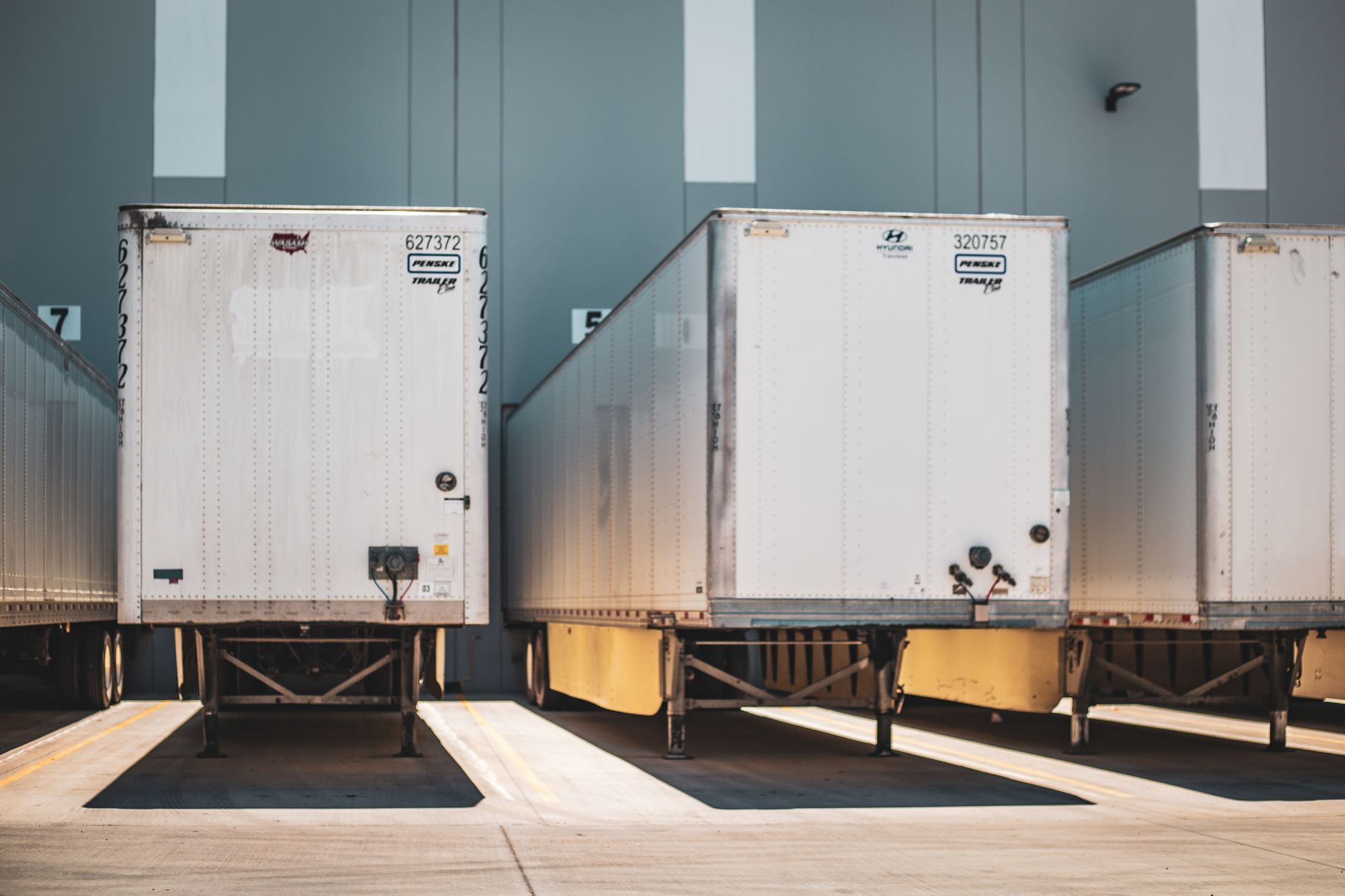
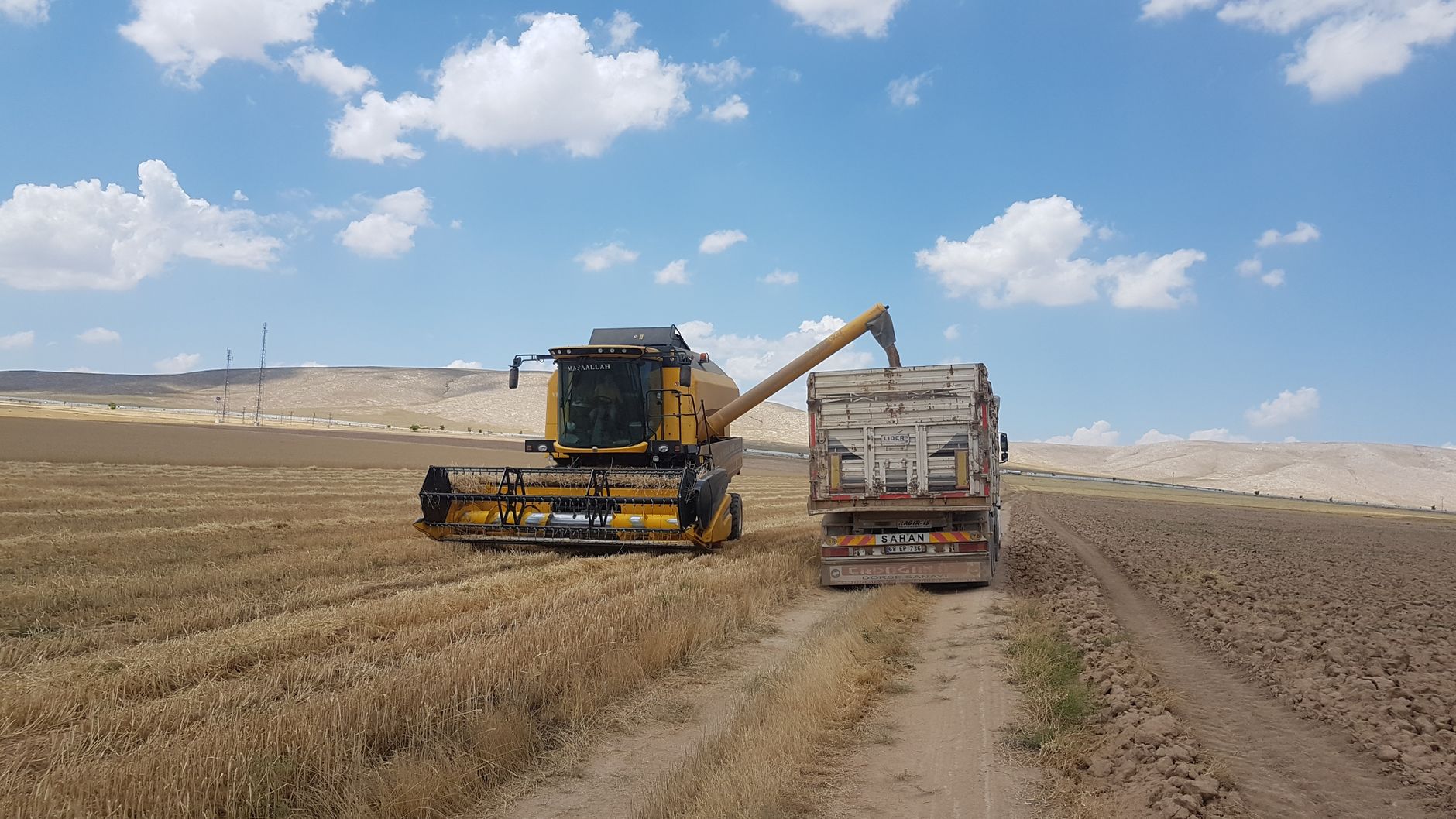
Wheat and sorghum harvest on Colorado's eastern plains sends a steady stream of pickups, semi trucks, and service rigs past the same office doors.
Fine dust and clods ride in on boots and tires, then spread from the vestibule into parts counters, waiting areas, and back offices.
By mid afternoon the entry tile looks dull even if someone mopped at opening. That is normal soil loading, not a failure of effort.

Which floors should you protect first?
Start with the path from the public door to the counter and the corridor that feeds the break room or scale office.
Sealed concrete and vinyl composite tile in those zones scrub well overnight. Carpeted manager offices can stay on a lighter schedule until harvest ends.
Mark zones on a simple floor plan so everyone agrees what must look clean at 7 a.m. versus what can wait until Saturday.
- Main entry and vestibule
- Parts counter lane
- Scale office corridor
- Restroom vestibule approach
How do mats and dry pickup fit before wet scrubbing?
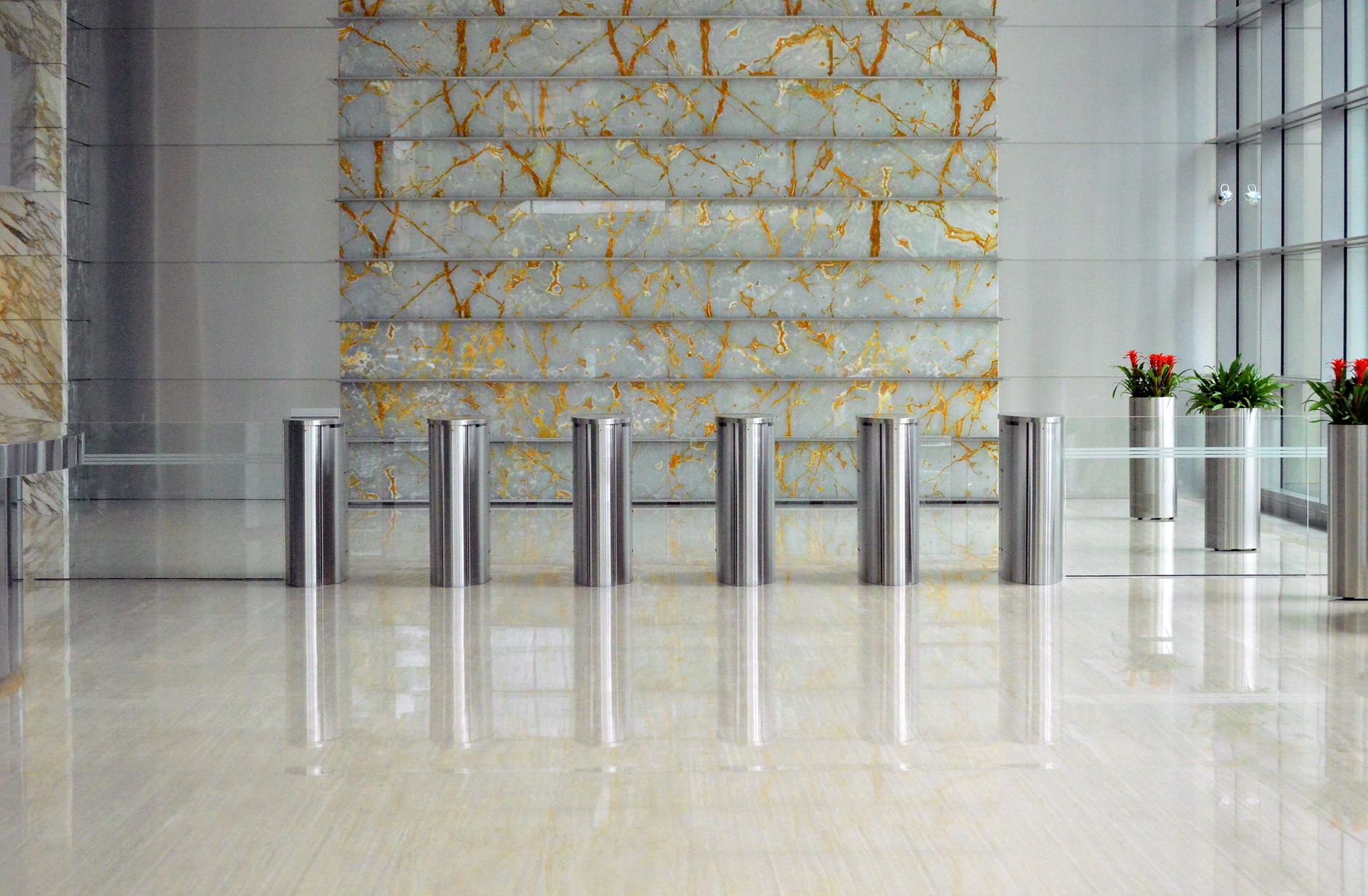
Outdoor aprons and long indoor mats are your first filter. Shake or vacuum them on a set schedule during harvest, not only when they look bad.
A backpack vacuum or wide-area sweeper removes grit that would turn into mud slurry once water hits the floor.
Skipping dry pickup is how scrubbers spread red dust into grout lines and leave haze on baseboards.
Where do autonomous scrubbers earn their shift?

An autonomous scrubber fits open hard-floor runs with few overnight obstacles. It can run after close when the lot is quiet and chargers sit out of truck lanes.
Map tight turns around display seed bags, pallet stacks, and fire exits during daylight with the vendor. Harvest weeks are the wrong time to discover a pinch point.
The machine handles repeat passes. Staff still wipe glass, empty trash, and respond to spills the robot should not cross.
Why does labor data still matter in a low-unemployment county?
Cheyenne County reported a 2.6 percent average unemployment rate in 2025 according to the U.S. Bureau of Labor Statistics LAUS program.
Low jobless rates do not create extra custodial hours when the same people already cover schools, clinics, and municipal buildings across a wide area.
BLS occupational employment data for Colorado's eastern and southern nonmetropolitan area shows mean hourly pay near seventeen dollars for janitors, which makes overtime during harvest expensive when you can find the help at all.
How can delivery robots cut walks during busy mornings?
When every clerk is on the phone or scale, interior supply runs stall. A small delivery robot can move mail, parts tags, or lunch trays between the office and counter on a fixed loop.
That is not a replacement for customer service. It keeps one person at the desk while the machine handles the predictable trip.
Pilot one route before you add a second building wing.
What should a month-to-month rental pilot prove?
Rent before you buy when harvest is your only crunch period. A thirty-day pilot should show dry time at opening, charger placement, and how many manual touch ups still happen.
Track interventions per week: cord pulls, moved pallets, and weather events that change the route.
If the robot clears the entry lane before trucks queue at dawn, you have a business case. If not, adjust mats and dry pickup before blaming the machine.
How does Service Robot Co. fit a rural co-op site?
Service Robot Co. is vendor neutral. We match scrubber or delivery units to your floor, finance them as rental or purchase, map the space, train staff, and service through regional engineers.
A free site assessment covers ramp grades, door thresholds, and where a charger can sit without blocking grain traffic.
One partner handles deployment and service so you are not juggling separate vendors during harvest.