Key takeaways
- A fleet of autonomous vacuums can clean large conference center carpets overnight, ensuring readiness for the next event.
- Automating carpet cleaning frees up hotel staff for more detailed, higher-value tasks and reduces physical strain.
- Robotic vacuums provide a consistent, measurable clean that manual vacuuming struggles to replicate across large areas.
- An integrator partner simplifies deploying and managing a multi-robot fleet, handling maintenance, service, and training.
- Overnight robotic cleaning minimizes disruption to guests and other hotel operations.
How Can Hotels Perfectly Clean Conference Carpets Between Events?
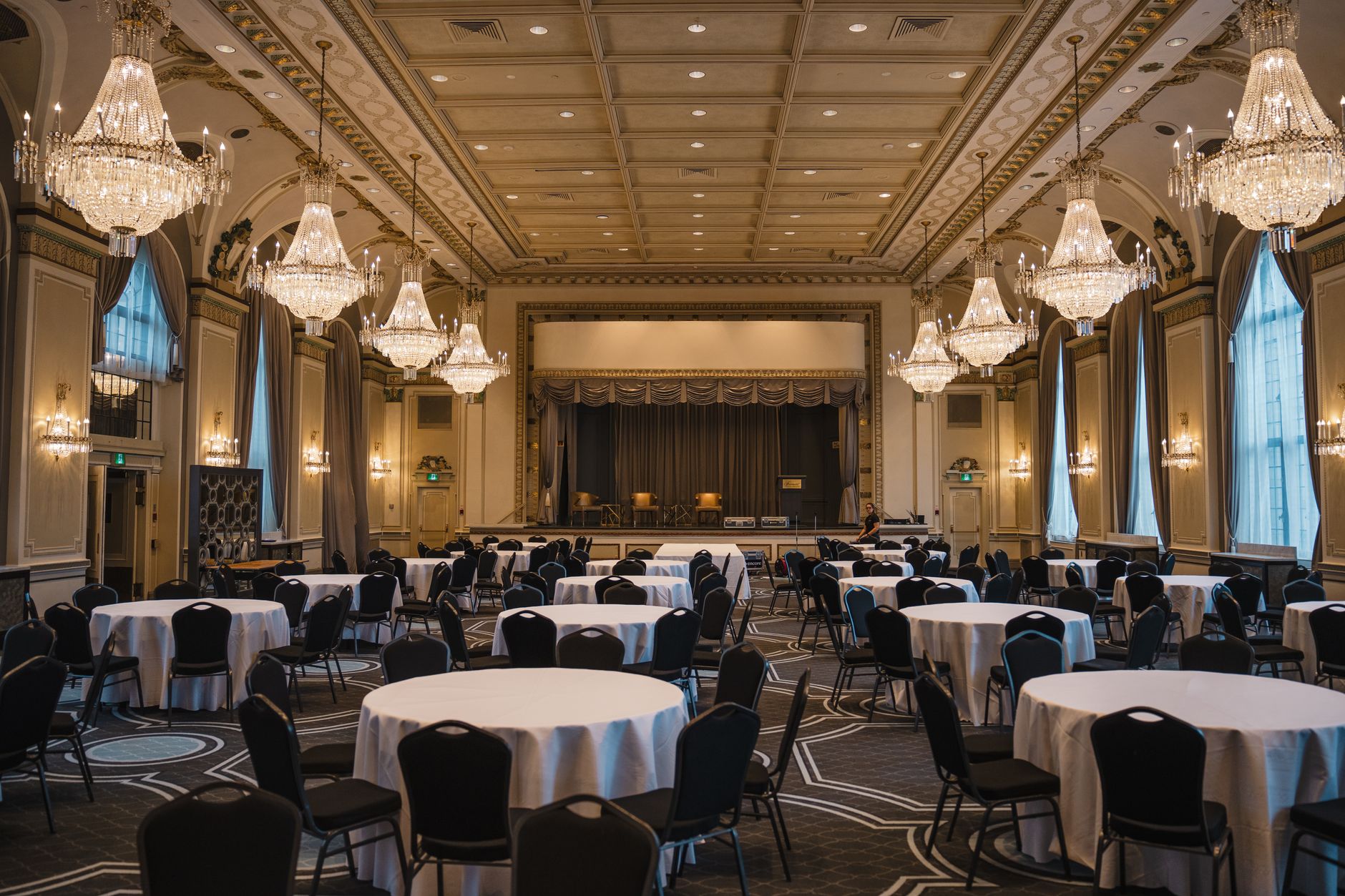
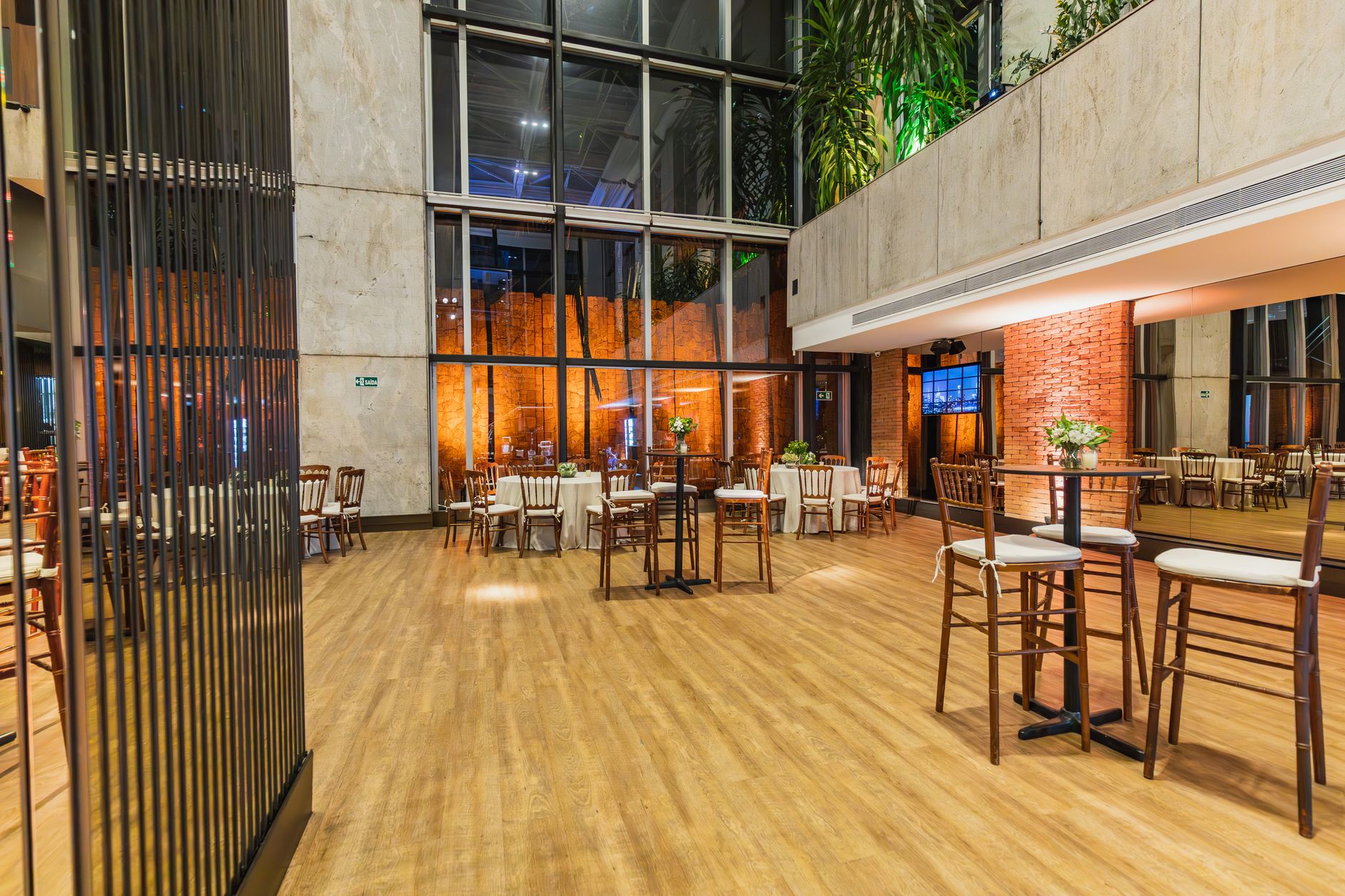
A hotel conference center's greatest asset is its ability to host back-to-back events. A corporate summit ends one evening, and a wedding reception begins the next morning. This rapid turnaround leaves a narrow window for resetting the space, with thousands of square feet of high-traffic carpet needing to be immaculate. The challenge is immense: how to restore vast carpeted areas to pristine condition, overnight, every time.
The answer lies in a coordinated, autonomous strategy. A fleet of commercial robotic vacuums, deployed after the day's event concludes, can systematically clean entire ballrooms and convention halls without direct human supervision. These machines are engineered for large commercial spaces, using advanced navigation like LiDAR to ensure complete coverage, even around complex layouts of tables and chairs.
This approach allows hotel operations to shift from a labor-intensive, time-constrained manual process to an automated, reliable system. While the robots handle the broad expanses of carpeting, the human cleaning crew can focus on deep cleaning, spot treatment, and other detailed tasks that automation cannot address. The result is a higher standard of clean, achieved with greater efficiency and predictability, ensuring the venue is always ready for the next client.
What Are the Operational Mechanics of an Overnight Robotic Fleet?
Deploying a robotic cleaning fleet is not simply a matter of unboxing the units and pressing 'start'. A successful overnight operation requires a clear plan. It begins with mapping the conference spaces. Modern autonomous vacuums use sophisticated sensor technology to create detailed digital maps of each ballroom, hallway, and breakout room, ensuring they navigate efficiently and cover every square foot.
Scheduling is the next critical component. Using cloud-based management platforms, a hotel's facility manager can program the fleet to begin cleaning at a specific time, for instance, after the banquet staff has cleared the floor. The robots can be assigned to specific zones, cleaning in a coordinated fashion before returning to their charging docks to be ready for the next shift.
This system allows for what the industry calls 'lights-out cleaning'. The work happens during the quietest hours with minimal disruption to guests or other hotel activities. Staff are only needed to empty the high-capacity dustbins and perform routine maintenance, freeing them from the physically demanding work of pushing heavy commercial vacuums for hours.
Why is Consistency the Main Advantage of Automated Cleaning?
Manual vacuuming, especially over large areas, is prone to inconsistency. Human operators get tired, can miss spots, and may rush to finish a large space against a tight deadline. The quality of the clean can vary from person to person and from night to night. This variability is a significant problem for luxury venues where client expectations are exceptionally high.
Robotic vacuums eliminate this inconsistency. Programmed to follow precise, optimized routes, they deliver the same meticulous level of cleaning every single time. Their sensors allow them to clean edges and navigate around obstacles with a precision that manual methods often lack.
Furthermore, their performance is data-driven. Fleet management software provides detailed reports on each cleaning cycle, showing which areas were cleaned, the duration of the job, and the total square footage covered. This verifiable data gives hotel management confidence that brand standards are being met consistently, night after night, providing a perfect canvas for every event.
How Does This Strategy Impact Hotel Staffing and Workflow?
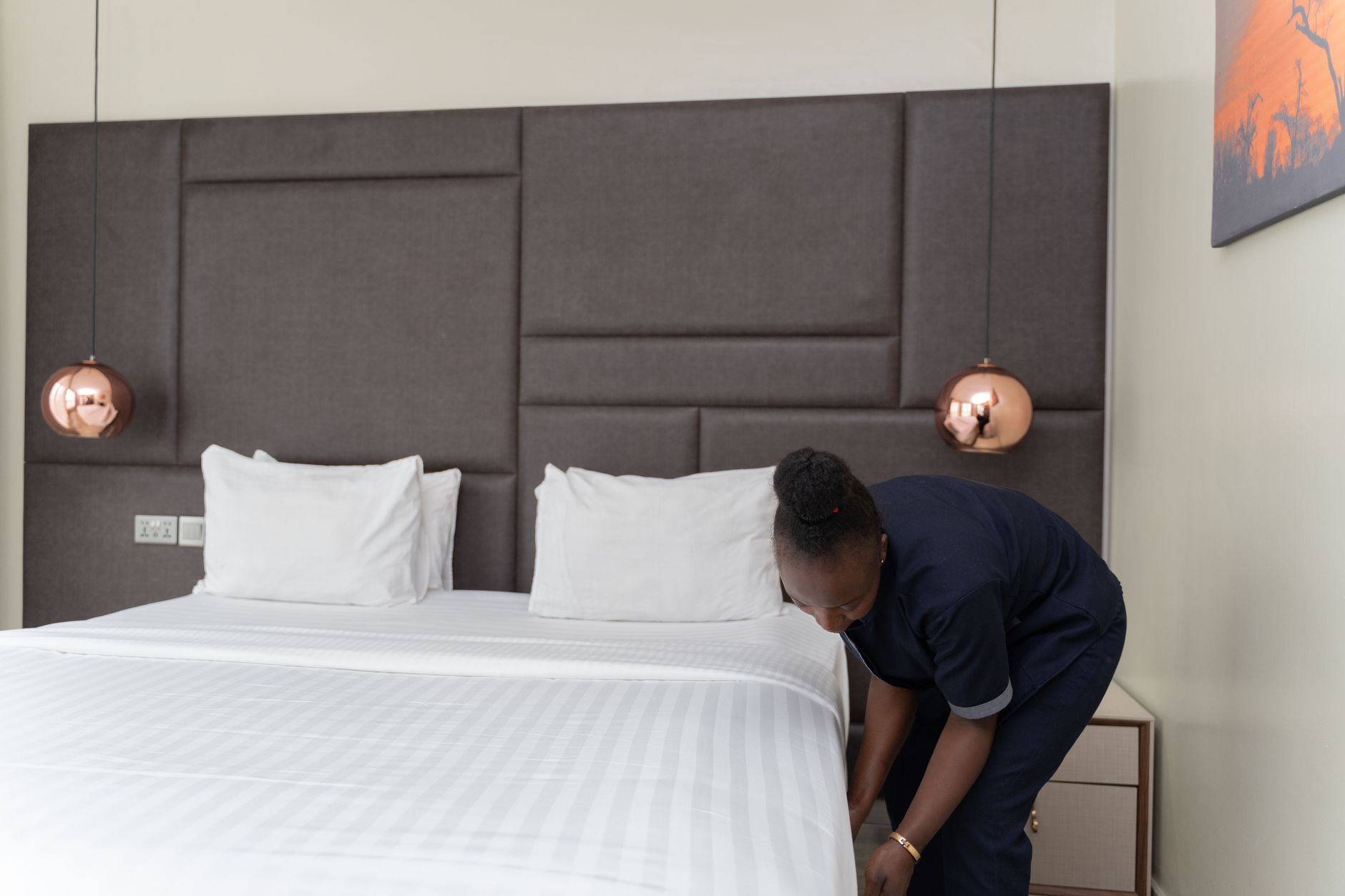
Introducing a robotic fleet does not replace human staff. Instead, it elevates their role. By automating the repetitive, physically strenuous task of vacuuming large open areas, hotels can reallocate their valuable human resources to more critical and detailed work.
Staff who previously spent hours pushing a vacuum can now focus on tasks requiring human dexterity and judgment. This includes spot-treating stains, deep cleaning upholstery, and sanitizing high-touch surfaces, all of which contribute to a higher overall standard of cleanliness. According to the Marriott Denver Tech Center, their robotic vacuums have helped optimize the workforce, allowing staff to focus on setting up banquet rooms rather than vacuuming.
This shift can also lead to improved job satisfaction and reduced physical strain on employees, a significant benefit in an industry that often struggles with staff turnover. The robots handle the monotonous work, allowing people to concentrate on the finishing touches that truly impress clients and guests.
What is the Role of an Integration Partner?
Managing a fleet of commercial robots from different manufacturers, each with its own software and service requirements, can be complex. This is where a vendor-neutral integrator like Service Robot Co. becomes essential. Rather than locking a hotel into a single brand, we select the best robots for the specific job, considering floor types, area complexity, and operational goals.
An integrator handles the entire lifecycle of the automation process. Service Robot Co. starts with a site assessment to map your venue and recommend the right fleet composition. We then manage the financing, whether it is a lease, rental, or purchase, making advanced technology accessible without massive upfront capital.
Once deployed, we provide comprehensive training for your staff and manage all maintenance and repairs through our nationwide network of engineers. Instead of juggling multiple vendors, your team has one point of contact for every unit. This one-partner, one-number approach ensures that your fleet operates with maximum uptime, delivering a reliable clean every night. You can learn more at servicerobotco.com.
How Does Autonomous Cleaning Scale for Very Large Venues?
For a convention center spanning tens or even hundreds of thousands of square feet, the challenge of a fast turnaround is magnified. A manual cleaning crew would be enormous and costly. An autonomous fleet, however, is built to scale.
Managing a large number of robots is done through a centralized fleet management system. From a single dashboard, an operations manager can monitor the status of every robot, track cleaning progress in real-time, and adjust schedules as needed. This bird's-eye view is crucial for coordinating the cleaning of multiple halls and floors simultaneously.
The robots themselves are designed for commercial endurance. With long battery lives and high-capacity dustbins, they can clean vast areas in a single shift. This scalability makes automation a practical and cost-effective strategy for even the largest hotel and convention properties, ensuring that no matter the size of the previous day's event, the floor is ready for the next one.