Key takeaways
- Power loss is a fleet event, not a single robot fault.
- Safe-stop behavior should be documented before the first brownout.
- UPS budget goes to docks, servers, and doors before nice-to-have screens.
- Manual recovery needs trained names, not a generic facilities pager.
- Reconciliation tests belong on the hurricane and outage calendar.
What should a robot outage playbook cover first?
When utility power drops, robots, chargers, automatic doors, elevators, access control, and fleet servers all change state at once. A playbook names the sequence: safe stop, secure the unit, protect batteries, restore networking, then reconcile jobs before autonomy resumes.
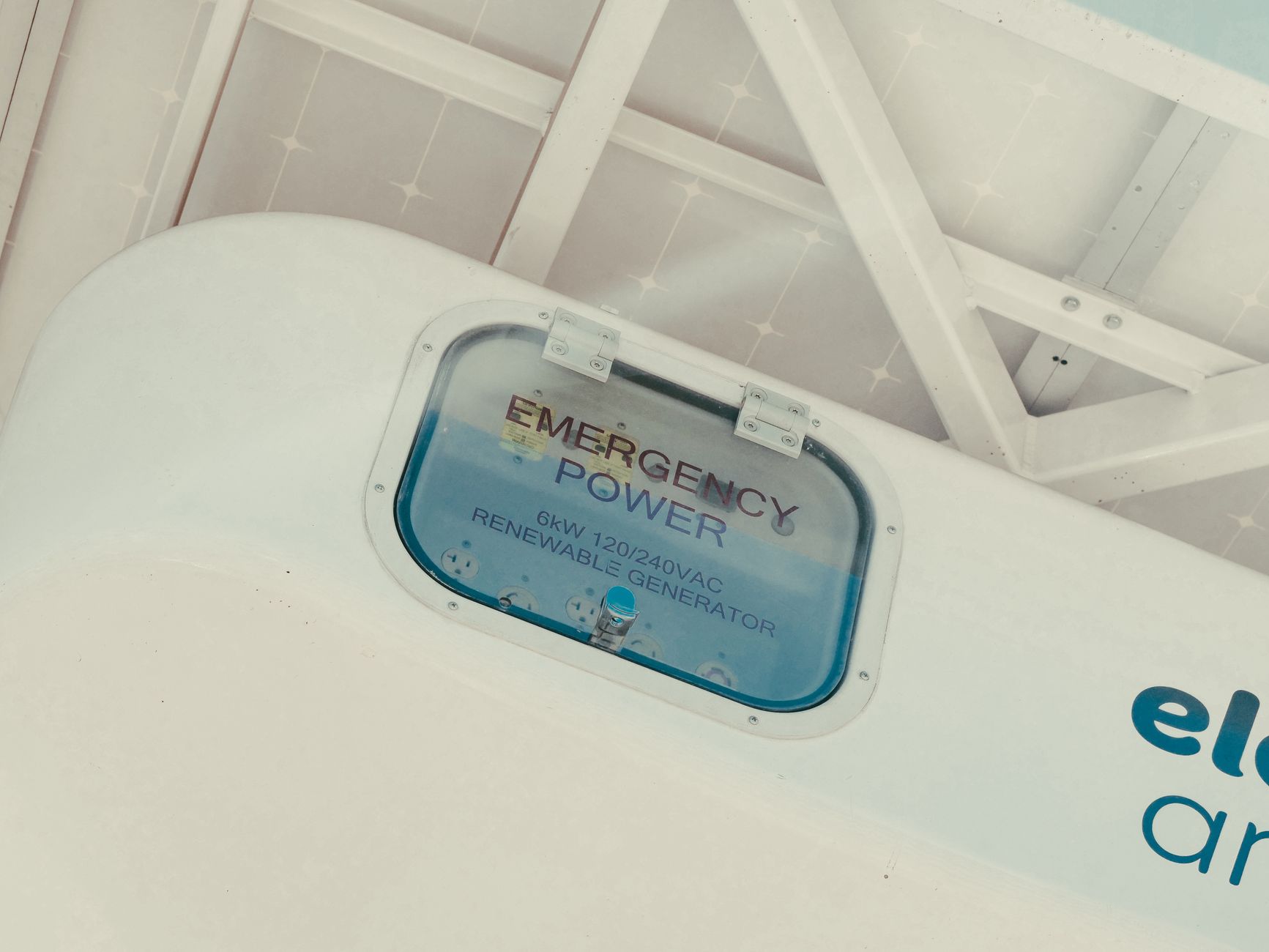
NFPA 111 covers stored electrical energy emergency and standby power systems, including uninterruptible power supplies, with installation, maintenance, operation, and testing requirements when normal utility power fails. Your robot plan should reference which circuits are on emergency power versus optional standby, because docks on a plain branch circuit will go dark instantly.
Treat the playbook like a fire drill script. Facilities, security, IT, and whoever runs the fleet each get a line with a phone number that works when cell sites overload.
How should robots behave when power flickers or fails?
Most fleets support a controlled stop: finish the current segment if safe, pull out of doorways, and park off main egress. Define whether units should attempt to reach a charger or hold in place when the aisle is blocked.
Brownouts can be worse than a clean blackout because motors draw surge current when voltage returns. Set rules to delay auto-resume until voltage stabilizes and IT confirms network health.
Log every outage event with robot ID, last known pose, and battery state. That log becomes the audit trail when an elevator company asks what your delivery unit was doing when power returned.
Which systems need UPS priority?
Rank loads: fleet management server or cloud gateway, core Wi-Fi access points on robot routes, automatic door controllers on critical paths, and at least one charger bank if cold storage routes must restart quickly.
NFPA 111 applies to stored energy systems that provide alternate power when normal service fails, but it does not by itself tell you which loads must be protected. Your local code and life-safety design still decide whether a door or elevator is on emergency power.
Consumer-grade UPS bricks on a single AP are fine for a pilot. Multi-building campuses need runtime math: minutes of bridge power until generators spin up, not just enough to survive a graceful server shutdown.

What happens to elevators and automatic doors?
Many delivery routes depend on elevator integrations that pause when fire recall or power loss triggers. The playbook should state whether robots remain inside a car, exit at the nearest landing, or never enter during storm watch.
Automatic doors without backup power can trap a unit halfway. Map manual release locations and train staff to flag doors as offline in the fleet dashboard so dispatch does not route into a dead opening.
After power returns, run a door cycle test before releasing robots. A door that opens six inches slow looks like a sensor fault to lidar.
How do you recover manually without damaging hardware?
Authorize only trained staff to free-wheel or tow a robot. Pinch points and brake releases vary by model. Post the steps beside the charger, not buried in a PDF.
If a unit stopped on a ramp, chock before anyone pushes. If it stopped in a freezer threshold, move it before temperatures rise and condensation forms on electronics.
Document who performed manual moves. Insurance and OEM warranty questions will ask.
When can routes reopen after an outage?
Clear aisles of pallets moved during emergency lighting, verify leak trays under chargers, and confirm no extension cords created new trip hazards during the outage.
Reconcile fleet state: cancel stale missions, reset door partnerships, and replay the last known map version if construction shifted barriers in the dark.
Require a named approver before switching from manual to autonomous mode. A green utility icon on the electric company website is not enough if your building is still on generator.
What network failures ride along with power loss?
Access points on battery may survive while upstream switches reboot. Robots can show connected locally yet fail cloud check-ins.
Keep a printed map of SSID, VLAN, and DHCP scopes for the robot subnet. IT will thank you when they are working from a phone hotspot in the parking lot.
If you use private LTE or mesh radios, include those power dependencies in the same table as Wi-Fi.
Which tests should run before hurricane or outage season?
Simulate a controlled outage on a weekend: drop power to robot circuits only, observe safe-stop behavior, and time how long UPS bridges last under real load.
Test manual door releases and elevator recall with facilities present. Note any robot stuck scenarios and fix maps before peak season.
Run a tabletop with security and housekeeping so everyone knows robots will not move until the all-clear.
How does state reconciliation prevent duplicate jobs?
Fleet software may think a delivery completed when the guest never received it because power died mid-handoff. Mark those tasks failed and reopen only after human verification.
Battery percentages jump when chargers glitch. Require a resting voltage check before assigning long routes after an outage.
Export reconciliation notes to your work order system so night crews see why Monday maps differ from Friday.
Where does the integrator fit?
Service Robot Co. deployments often include a power-fail section in the runbook with vendor-neutral escalation paths. We help map which circuits feed docks and which doors share controllers, then train onsite leads on manual recovery.
The integrator does not replace your electrician or life-safety contractor. We align robot behavior with the power design you already have.
- List every robot circuit and UPS runtime
- Define safe-stop and no-enter zones during outage
- Assign manual recovery roles by shift
- Test doors and elevators on backup power annually
- Reconcile fleet tasks before autonomy resumes