Key takeaways
- Crews stay longer when expectations are written down and repeated, not assumed.
- A fixed mowing window and a written rain-day rule remove most of the daily guesswork.
- Supervision should mean a named lead who checks the robot and the turf at planned times.
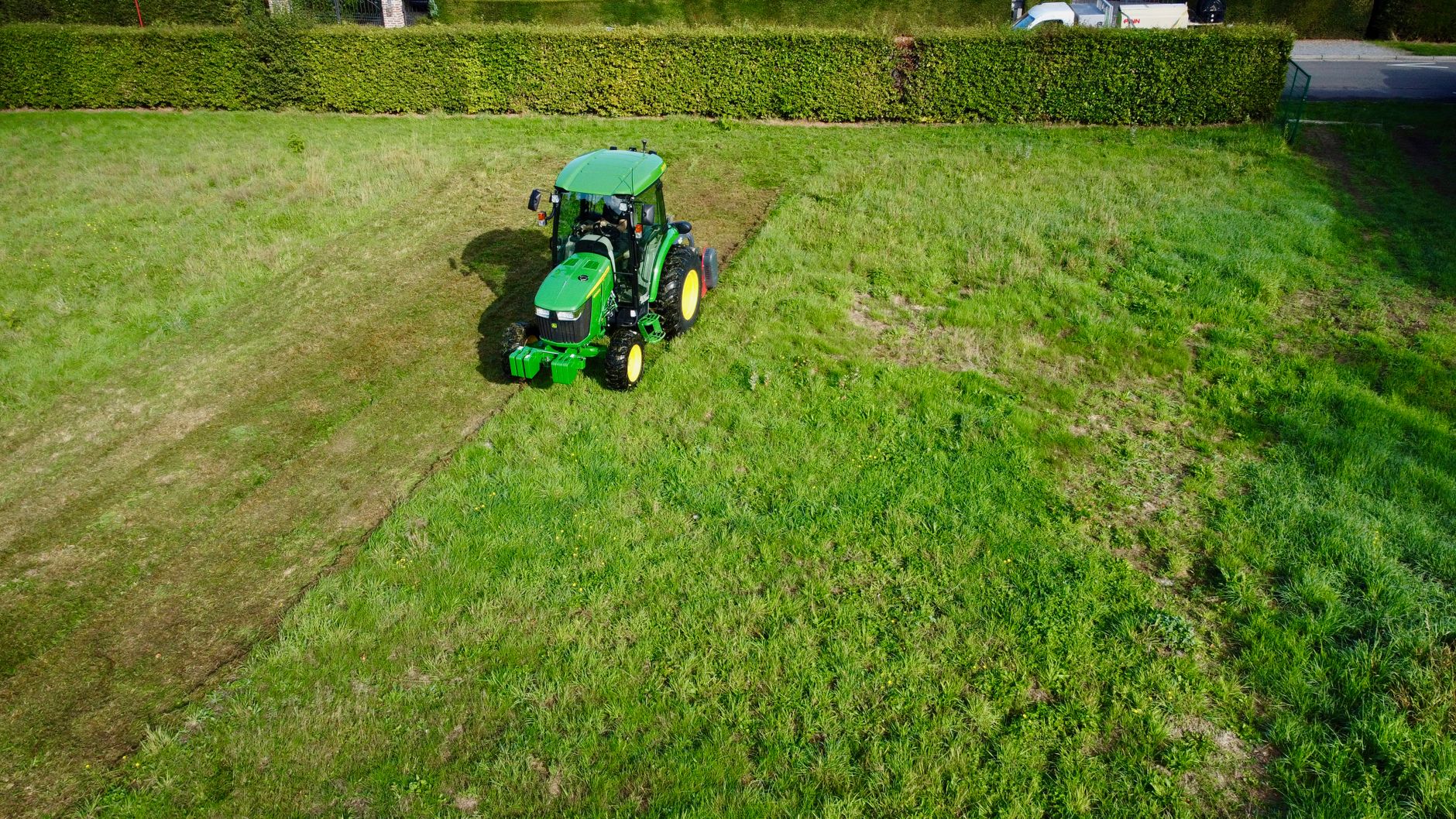
- A robot mower can take long open passes off the seat and move hours toward edging, trimming and cleanup.
- Aspire's 2026 report, which Aspire itself describes, lists retention among the top business risks for 54% of contractors.
Why retention now decides how much turf you can mow
Crew retention on a mowing operation comes down to three things: expectations that people can repeat back, schedules they can plan a life around, and supervision that is present without hovering. Each one costs little to set on paper and a great deal to repair after a resignation. The pressure behind this is measurable. Aspire's 2026 Commercial Landscape Industry Report, which Aspire says draws on a survey of more than 1,000 commercial landscaping professionals, lists recruiting and retaining staff as a top business risk for 54% of contractors.
That figure comes from a vendor, so treat it as Aspire-reported rather than independently audited. Still, it matches what many crew leads already see on a route sheet: a lawn you cannot accept because the seat is empty, a lead covering two crews, or a Saturday pass that slides into the following week. Retention is the lever that keeps those gaps from piling up.
What should a new mowing crew member know before the first pass?

Most retention trouble starts with a job nobody described clearly. A new operator arrives expecting one thing, finds another, and quietly starts looking elsewhere. Put the basics on paper before the first pass, and review them at the start of each season so they do not drift. Five items cover most of what a new operator needs to know.
Cover these points at the morning huddle for the first two weeks. A crew member who can state the rules without checking a binder is far less likely to end up in an argument with a client or a lead over a judgment call nobody explained.
- Start and finish times for each route, with the gate or access point named.
- Who may pause a machine, and which conditions count as a reason to pause.
- The cut standard for height, stripe and edge, described the way the client sees it.
- What goes into the end-of-shift log, and who reads it the next morning.
- Who to call after hours and how quickly a reply is expected.
How do schedules keep people from walking away?
A schedule that shifts every week is one of the quieter reasons people leave. Fix a daily mowing window for each route, and publish it well ahead so people can line up childcare, a second job or a commute. Two weeks is a reasonable lead time for many field crews, though the right figure depends on how often your client base changes.
Weather will still force moves, so write the rain-day rule once rather than deciding it on the phone at dawn. State which sites move, which crew takes over the hand work, and how those hours are handled. Crew members who know the rule in advance trust the next call more, even when they do not like it.
Share the robot's run window with the crew, too. If a machine works a route overnight or before the client opens, the team should know which hours it covers and which hours still need a person on site. Surprise is what wears people down.
What does supervision look like once the robot is running?
Supervision is the thing crew members most often say is missing. With a robot mower, the lead's job moves from pushing the machine to checking it: a pre-pass walk of gates, edges, debris and obstacles, scheduled checks while it runs, and a read of the log afterward. The work is still skilled. It is simply different.
Name one lead for each route so no one has to guess who answers the phone. Build check-in times into the schedule itself, such as mid-morning and mid-afternoon, so checks happen because they were planned rather than because someone remembered. A lead who walks the site on a fixed rhythm earns the trust of the crew and the client at the same time.

How much physical load can a robot mower take off the crew?
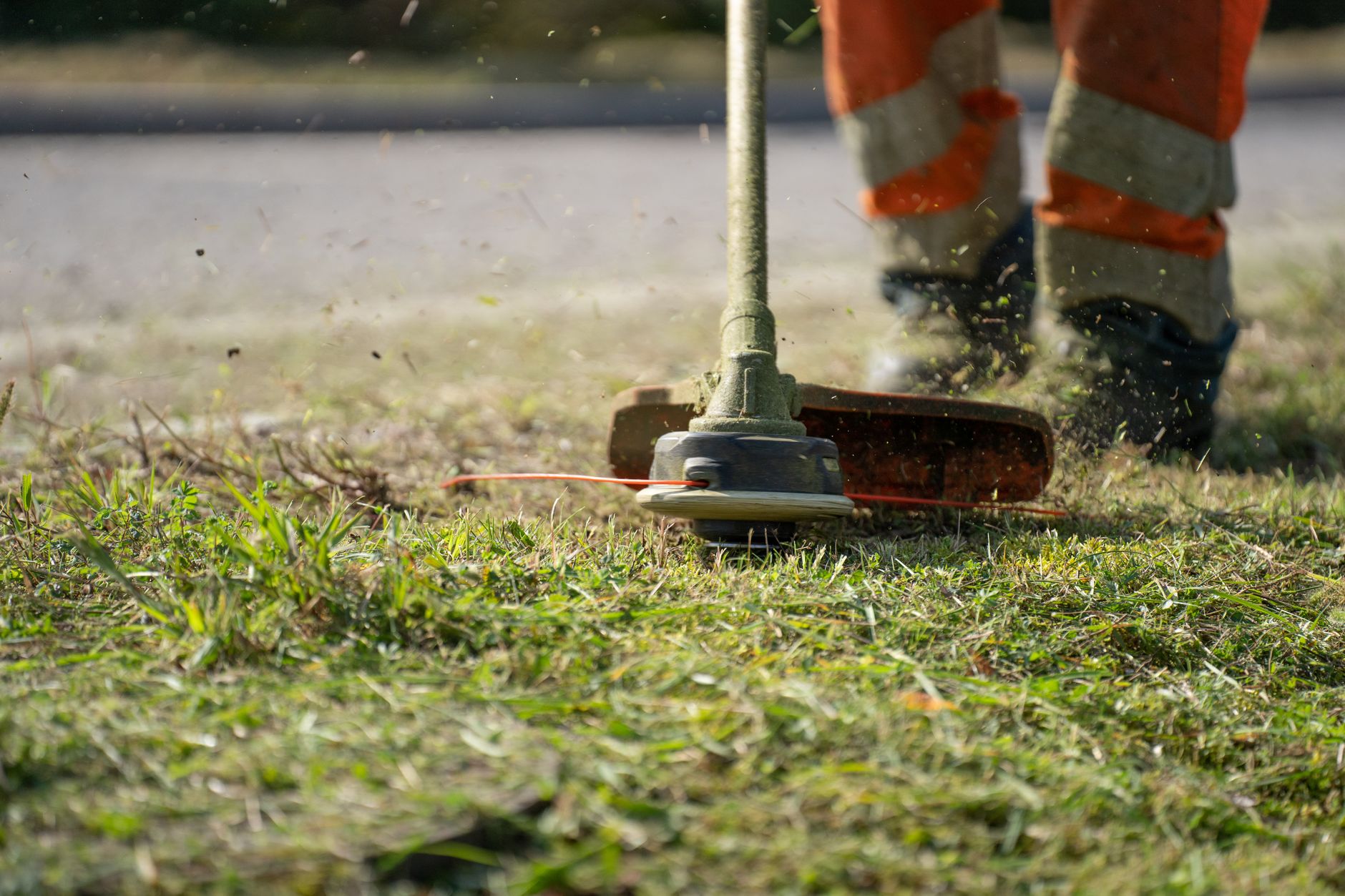
The physical toll of mowing concentrates in long open passes on a riding unit: the seat, the vibration, the heat of a long afternoon. A robot mower can run many of those passes, which cuts time on the seat and the repetitive strain that comes with it. That is a real gain for crew members whose bodies are the limiting factor, and it can lengthen working lives in the role.
It is not a complete replacement for the crew. Robots do not trim around a sprinkler head, hand-edge a walk, or notice a sunken lid that a wheel could catch. Those tasks, along with clippings cleanup from walks and drives and inspection of problem spots, stay with people. The tradeoff to plan for is that hours saved on the seat only help retention when they become skilled work instead of idle time.
A crew trained to move between machine supervision and hand work has a clearer path than one that only drives a mower all day. That variety is part of what keeps experienced people in the field.
Where Service Robot Co. fits in the crew plan
Service Robot Co. is a full-service commercial robot integrator for US businesses. We are OEM-neutral, so we select the right robot across manufacturers, lease it through financing, deploy and integrate it, train the people who run it, and service every unit under RoboCare, our service plan, backed by regional service engineers in every state we service. One vendor covers the whole lifecycle instead of several.
For a mowing business, that means the crew lead who supervises the machine is trained on it from the start, and service questions go to one partner rather than being passed between a seller and a repair shop. Our offer is a lease on a 3-year term with one fixed payment quoted after a site assessment, so the managers involved can see the number before any route changes.
How will you know the changes are holding?
Track a short list of measures each quarter: open seats and resignations, overtime hours per route, client complaints about cut quality, and how often a lead logs a pause or a fault that needed a call-out. Compare them with the same quarter a year earlier, because mowing seasons vary a great deal from one region to the next.
If resignations fall while cut quality holds, the changes are working. If overtime rises after a robot joins a route, run a route time audit before blaming the machine. Often the lost hours went to setup, gate access or hand work that never made it onto the schedule.
Frequently asked questions
Want a robot working for you?
Tell us the job and the site. We will recommend the robot, quote the lease, and keep it serviced.