Key takeaways
- A US discount retailer piloted KEMARO K900 units after large scrubbers could not reach rack and mezzanine debris zones.
- The case cites about 300,000 square feet of mezzanine and tight clearance under roller racking.
- On-premise data processing was a procurement requirement for the retailer's IT security team.
- Eastern Lift Truck supported deployment with twenty-four hour technical assistance.
- Service Robot Co. can finance and service OEM-neutral scrubbing fleets under one RoboCare plan.
Why could main aisle scrubbers not finish the job?
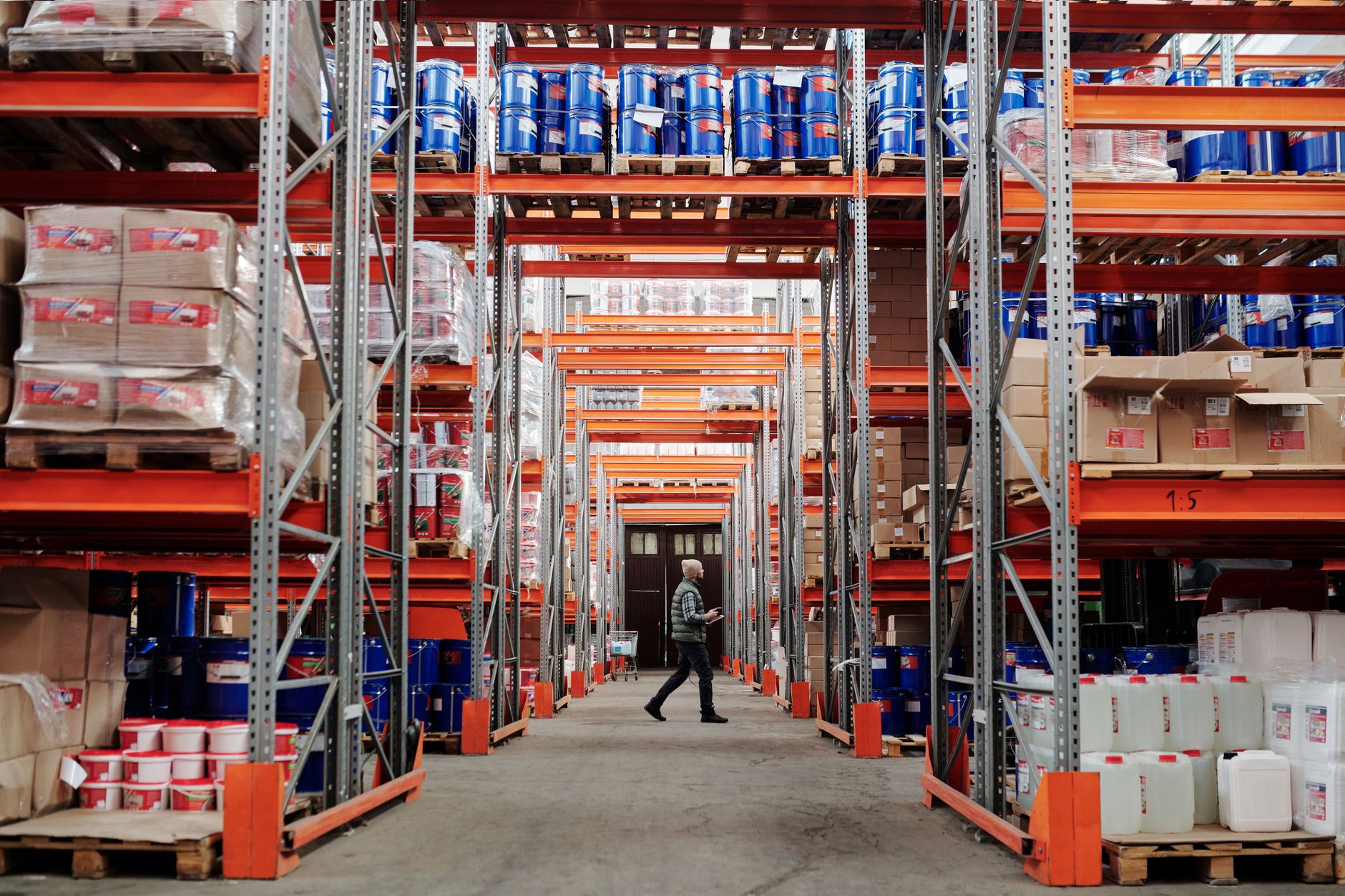
Large distribution centers already run industrial sweeper-scrubbers on main traffic aisles, yet debris still piles under dense roller racking and across mezzanine levels. KEMARO describes a leading US discount retailer where those blind spots stayed dirty because standard machines could not fit and manual sweeping under racks posed head injury risk.
Cardboard scraps, pallet shards, and metal fragments in back aisles also wear power industrial truck wheels faster. Associates noticed the neglect, which hurts morale in a high-turnover logistics workforce.
The operations lesson is not to replace your main aisle scrubber. It is to add a compact autonomous unit for the zones your current fleet physically cannot enter.
Three hundred thousand square feet of mezzanine sat in the case study footprint alone, which is why a compact sweeper mattered as much as another ride-on machine.
What made the K900 proof of concept credible?
After a 2024 proof of concept, the retailer selected the KEMARO K900 and partnered with Eastern Lift Truck Co. Automation Division for deployment and support. The first site became the template for a planned multi-facility rollout.
KEMARO highlights a low profile form factor for navigation under racking, along walls, and around conveyors on mezzanine floors. That matters when clearance height is measured in inches, not feet.
Speed counted as much as hardware. Eastern Lift Truck offered twenty-four hour technical support so operations could run automation without building a full internal robotics desk on day one.
Why did on-premise data processing matter?
Retail IT teams often block cloud-first robots that stream facility maps offsite. KEMARO processed robot data on-premise in this deployment, which the case study calls a non-negotiable requirement that streamlined procurement.
If your security review asks where lidar maps live, answer before you sign a lease. A pilot that fails the architecture review wastes more time than a slower vendor shortlist.
Service Robot Co. stays OEM-neutral, so security requirements should drive vendor selection, not the other way around.
How did contract cleaning costs change?
The retailer paid extra per sweep when the contracted cleaner entered hard-to-reach zones outside the monthly base contract. KEMARO cites five hundred dollar per instance charges that disappeared once the K900 covered those areas routinely.
Even if your numbers differ, model the spike fees in your business case. Autonomous scrubbing often competes with exception invoices, not just janitorial headcount.
Cleaner mezzanine floors also reduce foreign object damage risk for conveyors and rollers, a benefit finance may miss if you only count labor hours.
Negotiating the base cleaning contract gets easier when exception sweeps stop appearing every month.
What does Sphere fleet software add?
Operators managed the K900 through KEMARO Sphere, updating maps and schedules, watching a live digital twin, and pulling cleaning insights from one interface. That is the minimum bar for multi-site retail networks.
Centralized fleet views matter when you scale from one DC to several. Without them, each building reinvents routes and naming conventions.
Demand similar visibility from whichever scrubber you select. Maps should be editable by your supervisors, not locked behind a ticket queue.
How should US DCs scope a similar pilot?
Start with the dirtiest unreached zone, usually under-rack bays plus one mezzanine loop. Measure debris weight and PIT wheel damage there before automation.
Run the pilot during live operations with forklift traffic so navigation proves itself, not only on a quiet Sunday.
Document safety rules for manual co-workers when robots enter low-clearance aisles. Signs and tape are cheaper than a struck head.
Set a ninety day scorecard: square feet covered, exception cleaning invoices, associate survey comments, and wheel maintenance tickets.
Photograph wheel damage on forklifts that serve the pilot aisles so maintenance has a before and after story.
Where does an integrator fit if you are not Eastern Lift Truck?
This retailer used Eastern Lift Truck for deployment velocity. Other networks may use Service Robot Co. to compare KEMARO against other industrial scrubbers, finance buy or lease programs, train floor staff, and service units nationwide through RoboCare.
Vendor neutrality helps when IT, safety, and finance each veto a different brand. One integrator can run structured shootouts on the same dirty aisle.
Keep your incumbent cleaning contractor in the conversation for chemicals and periodic deep cleans. Robots should shrink exception work, not eliminate every human process on day one.
What should you measure before scaling?
Track cleaned square feet under rack versus baseline photos, not just runtime hours. Debris types should trend toward dust rather than pallet chunks.
Compare power industrial truck wheel replacements quarter over quarter in pilot aisles.
Survey third shift associates on perceived cleanliness in previously ignored zones.
Only expand to the next DC when IT, safety, and operations sign the same map version and service plan.
Plan spare batteries or swap units if your mezzanine runs two shifts; downtime on a mezzanine still backs up pick paths.