Key takeaways
- Tuesday-through-Thursday hybrid peaks leave lobby grit faster than once-a-week deep cleans clear it.
- Data USA 2024 shows 2,931 professional services jobs among 17,056 employed Lafayette residents.
- BLS October 2024 put Lafayette unemployment at 3.9 percent, so overnight porter roles stay hard to fill.
- Mapped after-hours scrub routes protect sealed concrete before the next morning rush.
- Monthly rental or lease terms let property teams match cleaning spend to lease-up cycles.
Why do Lafayette lobbies look worn by Thursday even when Friday is quiet?
Property teams along the Boulder corridor see a familiar pattern. Monday starts slow as remote workers stay home. By Tuesday, flex desks fill, coffee lines grow, and boots carry slush from US 287 and the Northwest Parkway into multi-tenant entries. Wednesday and Thursday repeat at higher volume. Friday traffic thins again while the lobby still shows the week's grit.
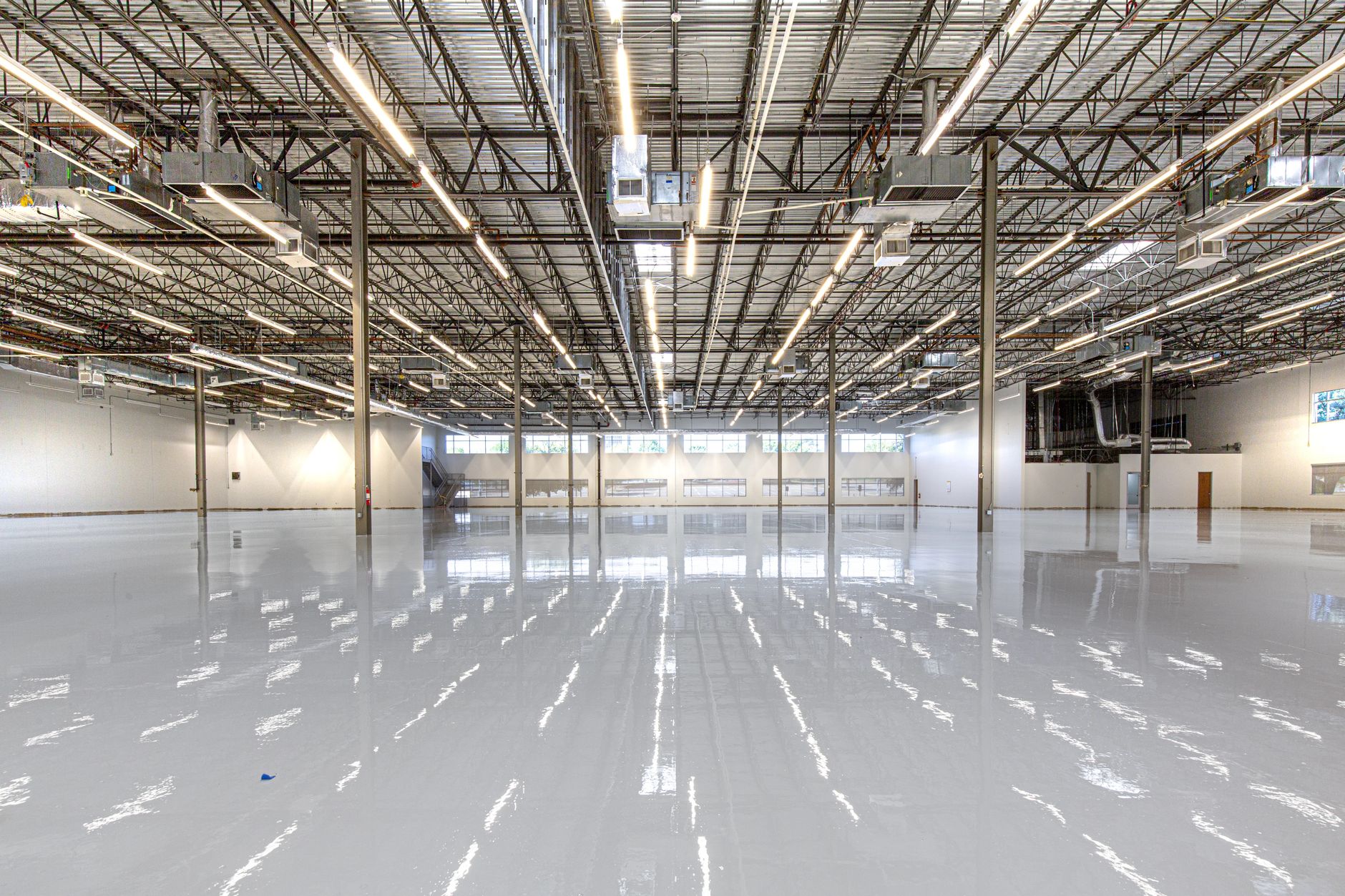
Mop-and-bucket cycles scheduled for Saturday morning often cannot catch up. Film builds on sealed concrete and tile at the main entry, elevator landings, and amenity corridors. Tenants notice before your next deep clean arrives.
Autonomous scrubbers address that mismatch by running mapped routes after tenant hours. They hold a consistent clean baseline through hybrid spikes without asking building engineers to add overnight porter shifts they cannot hire.
What do Lafayette employment numbers mean for floor-care staffing?
Data USA reporting for 2024 lists 17,056 employed residents in Lafayette, Colorado. Professional and scientific services account for 2,931 of those jobs, with manufacturing at 2,087 and education at 1,983. That mix points to office and flex buildings sharing the same regional hiring pool as shops and schools.
Bureau of Labor Statistics local area data for October 2024 show Lafayette city unemployment at 3.9 percent on a labor force of 18,392. Neilsberg lists civilian unemployment near 3.8 percent in its Lafayette snapshot. Tight labor markets push property managers toward automation for repetitive overnight work rather than competing for porters on the same wage curve as tech and production roles.
When every open hire goes to a desk or a line job, lobby resets are often the first task dropped. A scrubber fleet does not replace your day porter, but it can own the heavy water recovery loop while staff focus on glass, restrooms, and tenant requests.
Where should the first scrubber route run in a flex building?
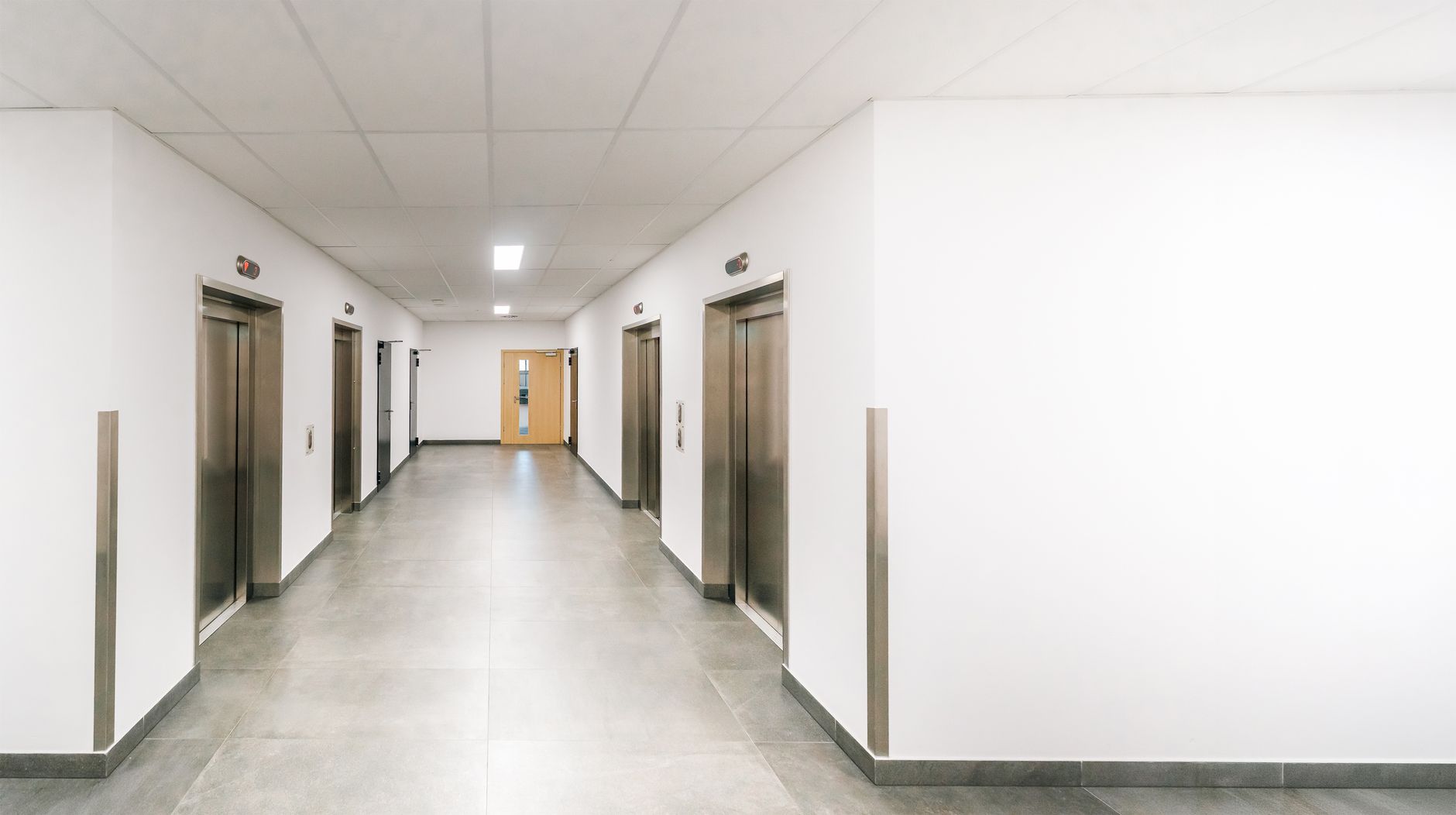
Start at the highest-traffic hard floor, usually the main lobby and the path to elevators. Map a closed loop that avoids loose mats during snow season and marks cordons around still-wet zones. Keep charging and fill stations inside heated space so winter cold does not shorten run time.
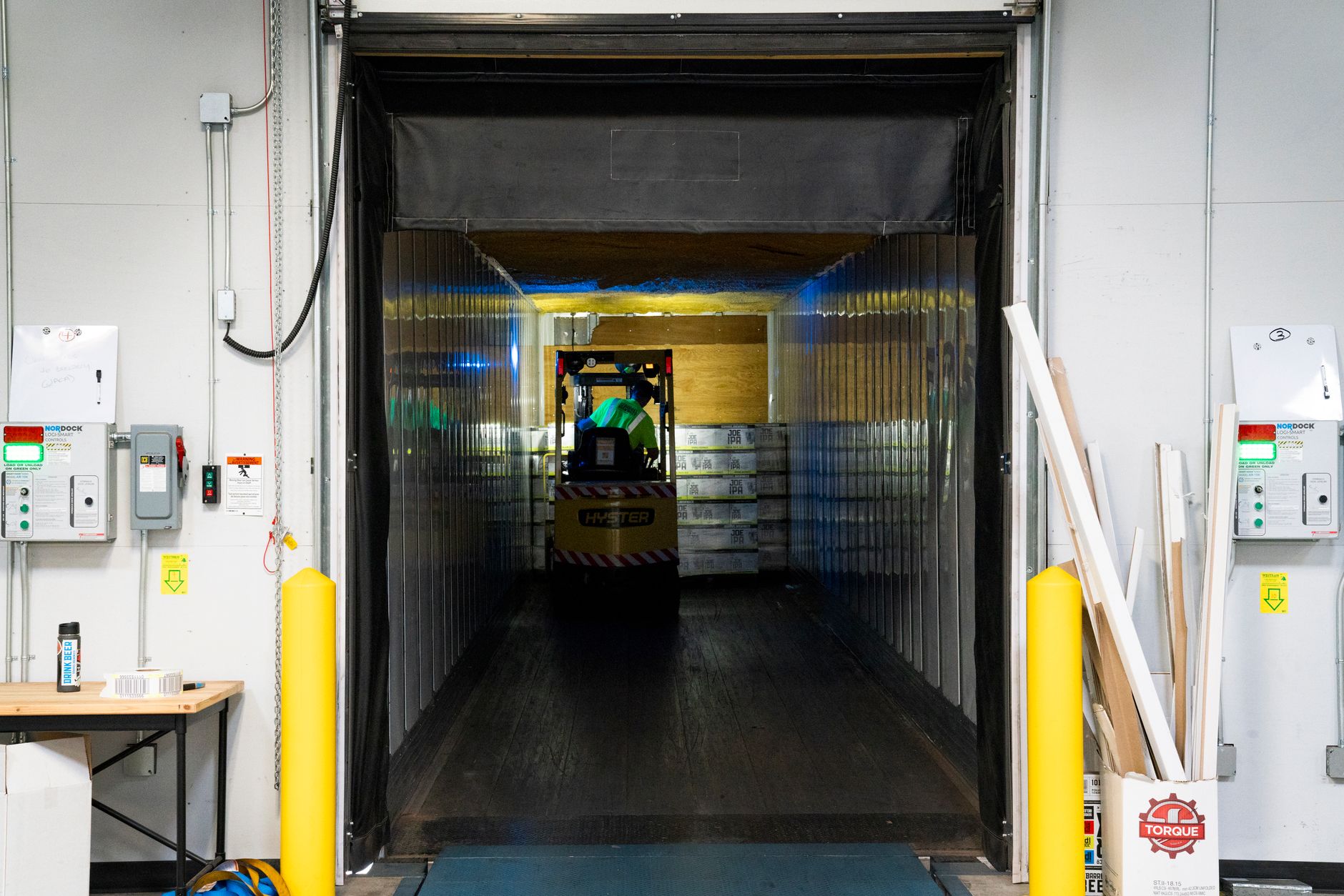
Pilot on one floor or one wing before you expand to warehouse bays or fitness amenities. Lafayette buildings often mix office suites with light industrial or storage wings. Those surfaces see different soils and need separate pad and chemistry settings.
Document door thresholds and ramp angles during mapping. Hybrid traffic concentrates at the same doors every midweek morning, so small misalignments show up as missed strips along entries.
How do hybrid calendars change when scrubbers should run?
Schedule heavy scrub passes for nights when tenant counts drop, often Monday and Friday in hybrid-heavy portfolios. Use lighter maintenance passes before expected spikes so Tuesday entries start from a clean baseline.
Coordinate with your access control vendor so scrubbers run after the last scheduled meeting block, not during late tenant events. Flex buildings host evening classes and user-group meetups that can shift the true quiet hour.
Track occupancy signals you already have, badge swipes or Wi-Fi presence if available, and align scrub nights to real foot traffic rather than a fixed calendar from pre-hybrid years.
What should property managers expect from wet-floor safety?
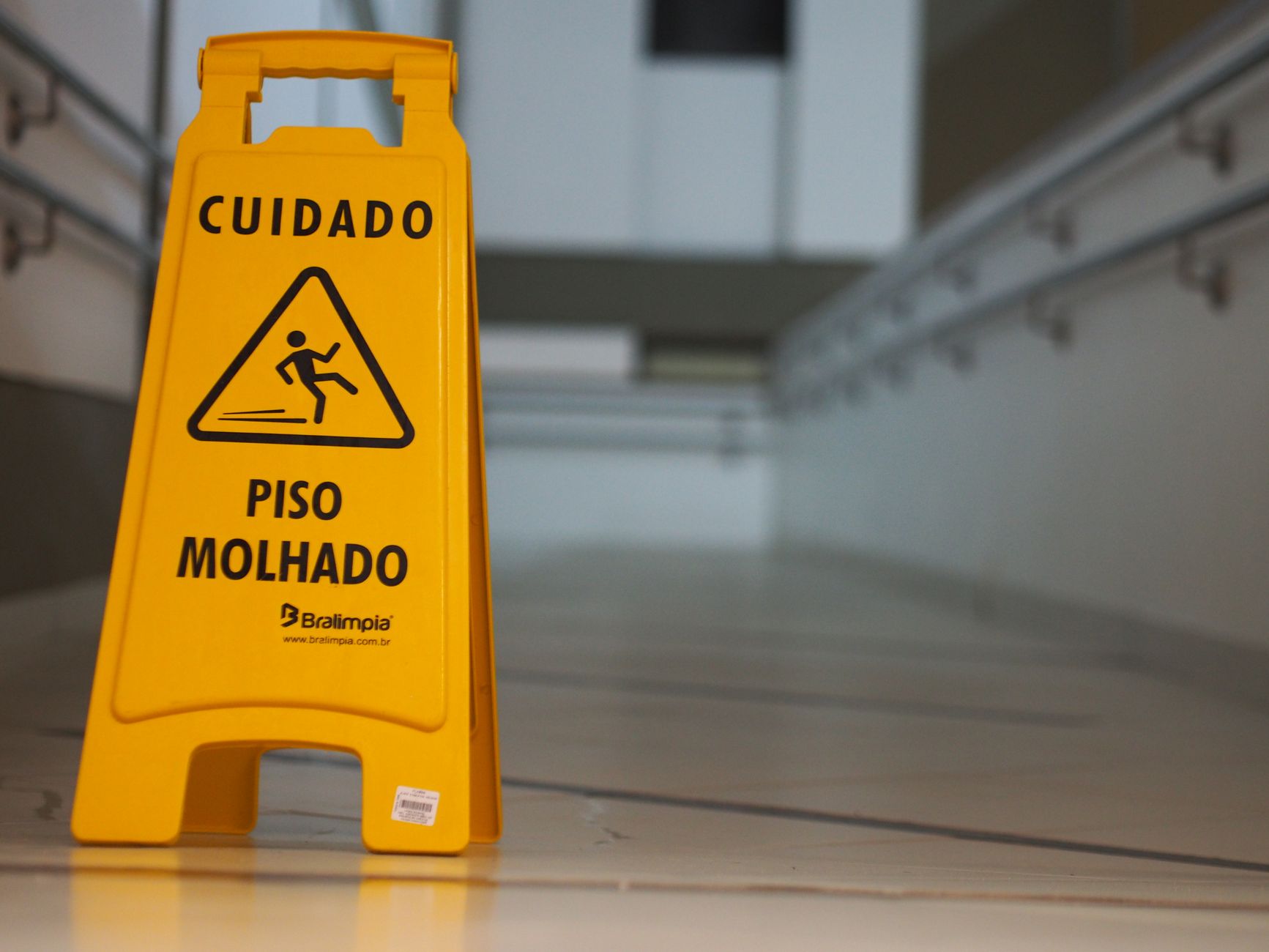
Autonomous scrubbers lay water and recover most of it in one pass, but tenants still need clear cordons and signage during overlap hours. Train front-desk staff on which routes run on which nights so they can answer questions without calling engineering.
Keep a short escalation path to your integrator when a machine stops mid-route. Winter grit can clog squeegees faster than in dry months along the Front Range.
Match chemistry to sealed concrete versus porcelain tile in elevator lobbies. The wrong pad or detergent can dull finishes that tenants photograph on social channels when they tour new suites.
When does monthly rental beat buying scrubbers for a Lafayette portfolio?
Data USA shows Lafayette resident employment declined about 2.37 percent from 2023 to 2024, a reminder that occupancy and cleaning demand can move with lease cycles. Capital purchases lock you into a fleet size before you know which tower stabilizes.
Monthly rental or lease programs let you ramp scrub nights when a new anchor tenant moves in and scale back when a floor goes dark. Finance terms can bundle service and consumables so your operating budget stays predictable.
Service Robot Co. evaluates OEM options neutrally, then handles deployment, training, and nationwide service so you are not juggling separate vendors for robots, parts, and break-fix calls.
What does a four-week pilot need to prove?
Measure soil removal on your worst entry strips, not just overall shine. Photograph the same tiles before and after midweek spikes.
Log labor hours your day team spends on lobby touch-ups versus the pilot month. Hybrid buildings often hide mop labor inside general tenant-service time.
Confirm noise and dock access with tenants on floors above the lobby. Most scrubbers are quieter than legacy propane buffers, but schedule still matters in acoustically sensitive suites.
Review pad wear and water usage to forecast operating cost at full deployment. Winter slush months along US 287 will be your stress test.
What other robots pair with lobby scrubbing on the same site?
Delivery robots can move mail, catering, or small parts on fixed indoor routes once scrubbers free porters from water recovery. Security patrol units can cover surface lots after gates close when lobby staff head home.
One integrator for scrubbers, AMRs, financing, and service reduces finger-pointing when a snow event hits on a Tuesday night and both access control and cleaning need attention.
Start with the floor problem that tenants mention first. In Lafayette flex portfolios, that is almost always the main entry after midweek rain or snow, not a distant warehouse aisle.
- Lobby and elevator landing scrub loops for hybrid midweek grit
- Indoor delivery routes for mail and catering after quiet hours
- Parking patrol coverage when on-site staff are thin overnight