Key takeaways
- Ride-season nights leave sugary spills and grit on hard floors faster than daytime mops recover.
- Jefferson County had 4.0 percent unemployment in 2024 with 323,416 employed residents.
- Retail trade employs 32,124 county workers who compete for the same porter hours you need.
- Mapped after-hours scrub routes protect tile before the next commuter and guest rush.
- Monthly rental terms align cleaning spend with amusement-season peaks.
Why do entries look tired before the next park day starts?
Retail and concession operators along the Lakeside corridor see a sharp nightly pattern. Guests leave the rides, grab snacks, and track debris across parking lots and door mats before you finish closing registers. Film builds on tile at entries, beverage lines, and stock corridors while staff reset coolers and counts.
Autonomous scrubbers run a mapped hard-floor loop after the last guest clears the space. They lay water and recover it in one pass so your team focuses on cash control, food safety, and restocking instead of dragging buckets across polished tile.
Service Robot Co. selects OEM-neutral scrubbers, then handles financing, deployment, training, and nationwide service as one lifecycle partner.
What does Jefferson County hiring mean for overnight floor staff?
Bureau of Labor Statistics annual estimates show Jefferson County unemployment at 4.0 percent in 2024 with 323,416 employed residents. Data USA lists retail trade at 32,124 workers and professional, scientific, and technical services at 46,845 in the same year.
Lakeside city limits include only a handful of residents, so every property along West 44th Avenue hires from the wider county pool. When ride season peaks, competing employers pull from the same applicants you need for overnight porter work.
A scrubber fleet does not replace daytime touch-ups, but it can own repetitive water recovery while managers handle exceptions and guest issues.
Health care and social assistance employ 38,461 Jefferson County residents in the same Data USA snapshot, so clinics near the corridor share vendors and wage pressure with retail operators when summer hiring heats up.
Where should the first scrubber route run near the park?
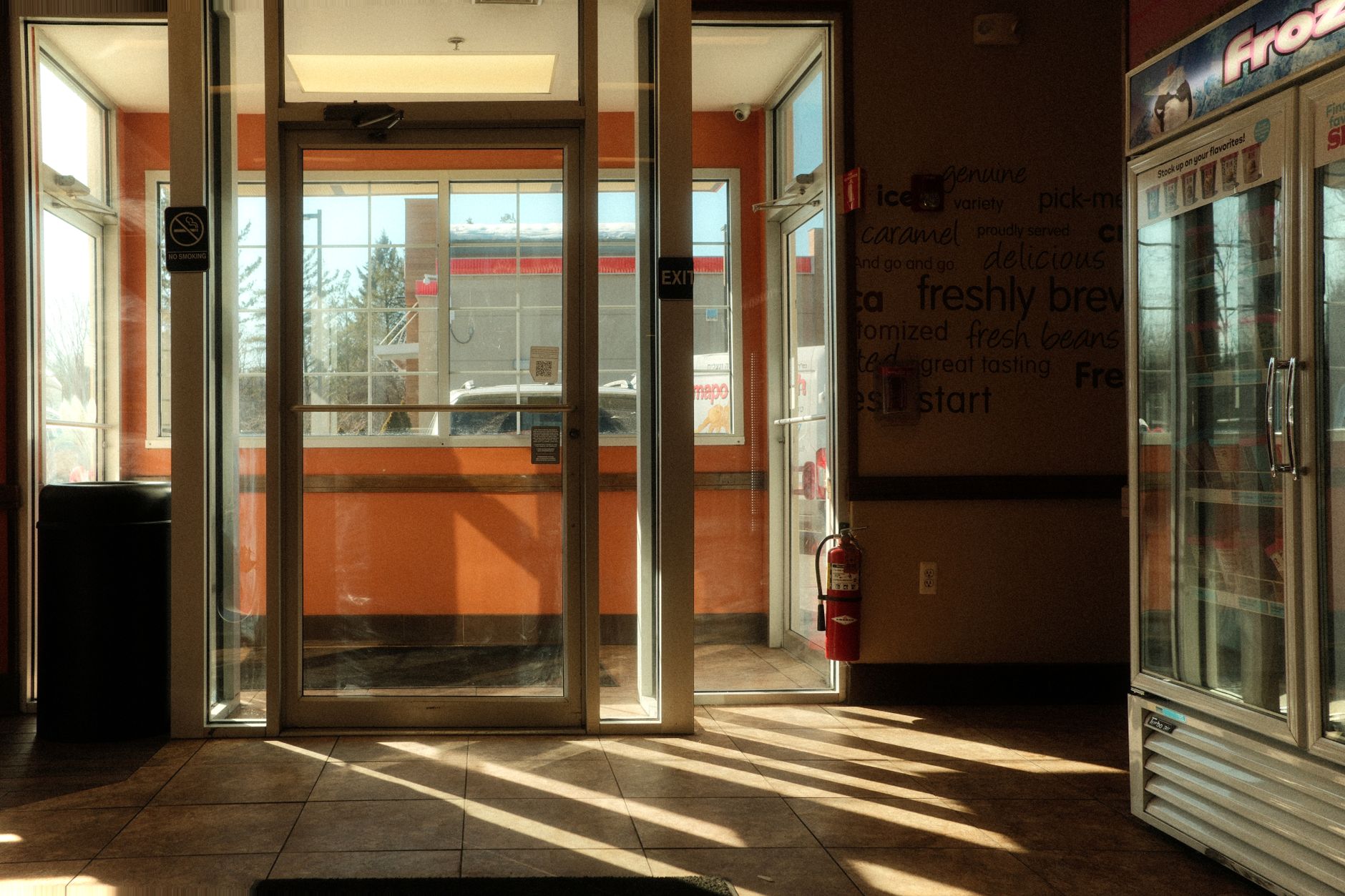
Start at the customer entry, beverage station approach, and any hard corridor that connects the sales floor to back-of-house storage. Those paths see the highest spill and grit transfer when crowds exit together.
Map cordons around floor displays and low fixtures that shift during resets. Document ramp angles at receiving doors used after deliveries.
Coordinate timing with security so routes do not conflict with cash pickup or vendor unloading.

How do weekend ride calendars change scrub scheduling?
Schedule heavier scrub passes on Sunday and Monday nights after the busiest ride weekends. Use lighter maintenance passes midweek before the next surge of commuters and families.
Holiday and school-break weeks may extend park hours. Shift scrub starts later but keep a fixed quiet window so staff know when floors will be wet.
Track pad wear against event calendars so rental nights match real soil load instead of a generic weekly schedule.
What should staff know about wet-floor safety?
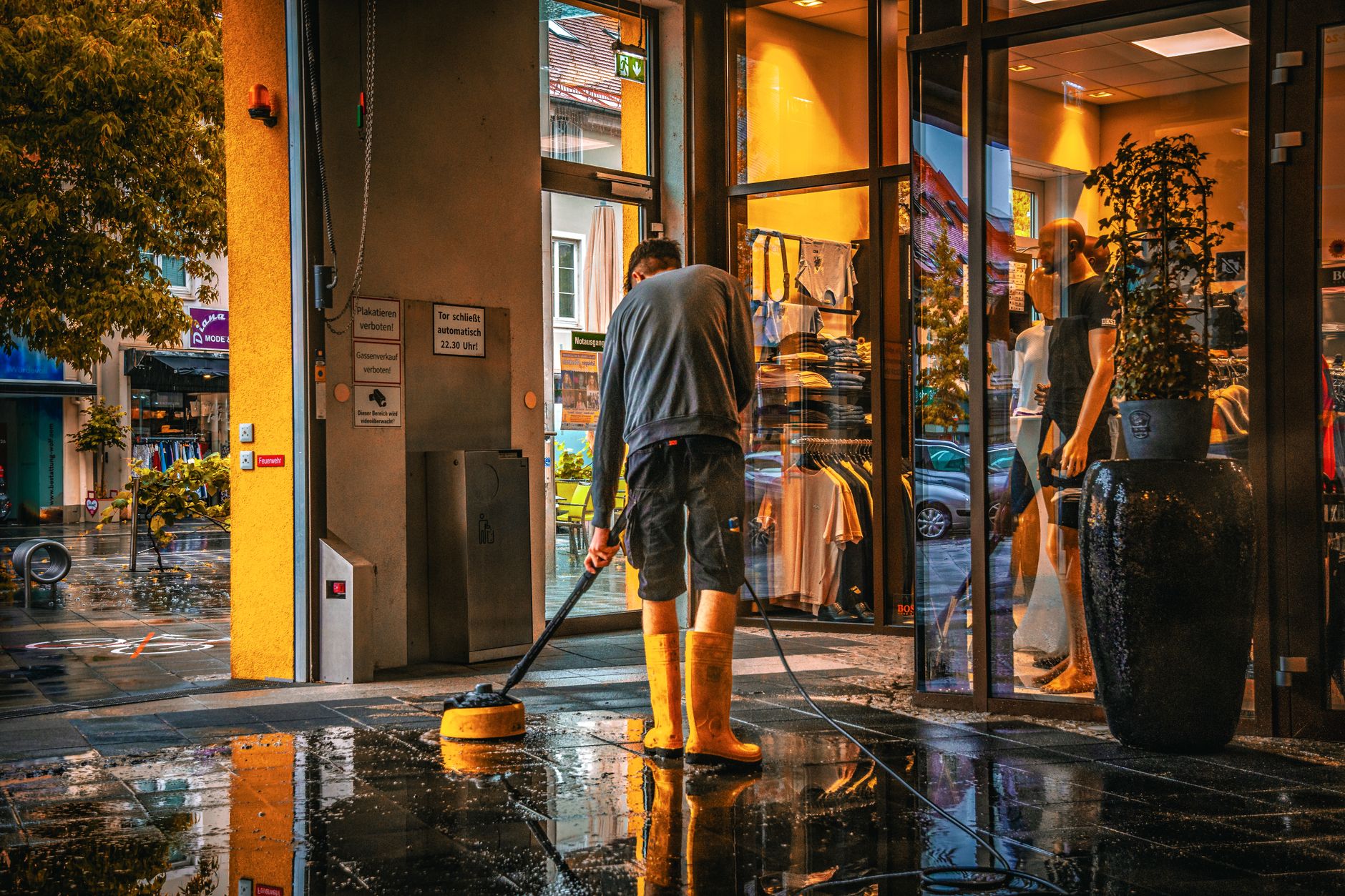
Post signage and brief opening crew on which lanes were scrubbed overnight. Early commuters may arrive before floors are fully dry.
Train managers to pause routes when late events keep guests in the entry. Most machines resume from a saved checkpoint once the space clears.
Match chemistry to quarry tile versus sealed concrete in stock areas. Wrong pads can dull finishes that customers notice under bright concession lighting.
Winter slush from Sheridan Boulevard and Federal Boulevard arterials adds salt that abrades tile if it is not recovered promptly; plan extra passes after freeze-thaw weeks.
When does rental beat buying for a seasonal corridor shop?
Ride season concentrates revenue into a few months while shoulder periods stay thin. Capital purchases lock you into a fleet size before you know which lease renews.
Monthly rental or lease programs let you ramp scrub nights when the park calendar fills and scale back when traffic softens. Finance can bundle consumables and service visits into operating budgets you already manage.
A four-week pilot on your worst entry strip proves noise, timing, and chemistry before you expand to stockrooms or shared hallways.
What should a pilot month prove?
Photograph the same tile before and after the busiest Friday night. Visual evidence convinces ownership faster than anecdotal cleanliness scores.
Log hours staff spend on entry touch-ups during the pilot versus the prior month. Spill season often hides mop labor inside general closing tasks.
Record slip-near-miss notes and guest comments about stickiness or odor. Cleaner hard floors reduce complaints that show up in local reviews.
What other robots pair with entry scrubbing on the same site?
Delivery robots can move stock from back rooms to front coolers on fixed routes once scrubbers free staff from water work. Patrol units can cover parking and loading zones after gates close.
One integrator for scrubbers, AMRs, financing, and service reduces blame games when a storm night keeps guests late and both safety and cleaning need attention.
Start with the floor issue staff mention every Sunday morning. Near the park, that is almost always the main entry after a packed Saturday.
- Entry and beverage-line scrub loops after close
- Indoor stock delivery on mapped back-of-house routes
- Parking patrol when overnight staff are minimal
How do you fold scrubbers into a small retail closing crew?
Assign the lead closer to start the route after registers balance and spills are swept. Cross-train a backup opener to pause or resume if the primary is off.
Keep a one-page checklist for cordons, chemistry, and sign placement so summer turnover does not erase procedure.
Service Robot Co. can align training and service SLAs with your park calendar before the first heat wave hits.