Key takeaways
- Winter slush and weekday appointments pack grit into clinic entries faster than mop cycles clear it.
- Data USA 2024 lists 9,727 health care workers among 88,569 employed Lakewood residents.
- BLS reporting for October 2024 put Lakewood unemployment at 4.5 percent.
- Mapped after-hours scrub routes protect tile before the next morning patient rush.
- Monthly rental terms align cleaning spend with flu season and occupancy swings.
Why do waiting rooms look worn by midweek in Lakewood?
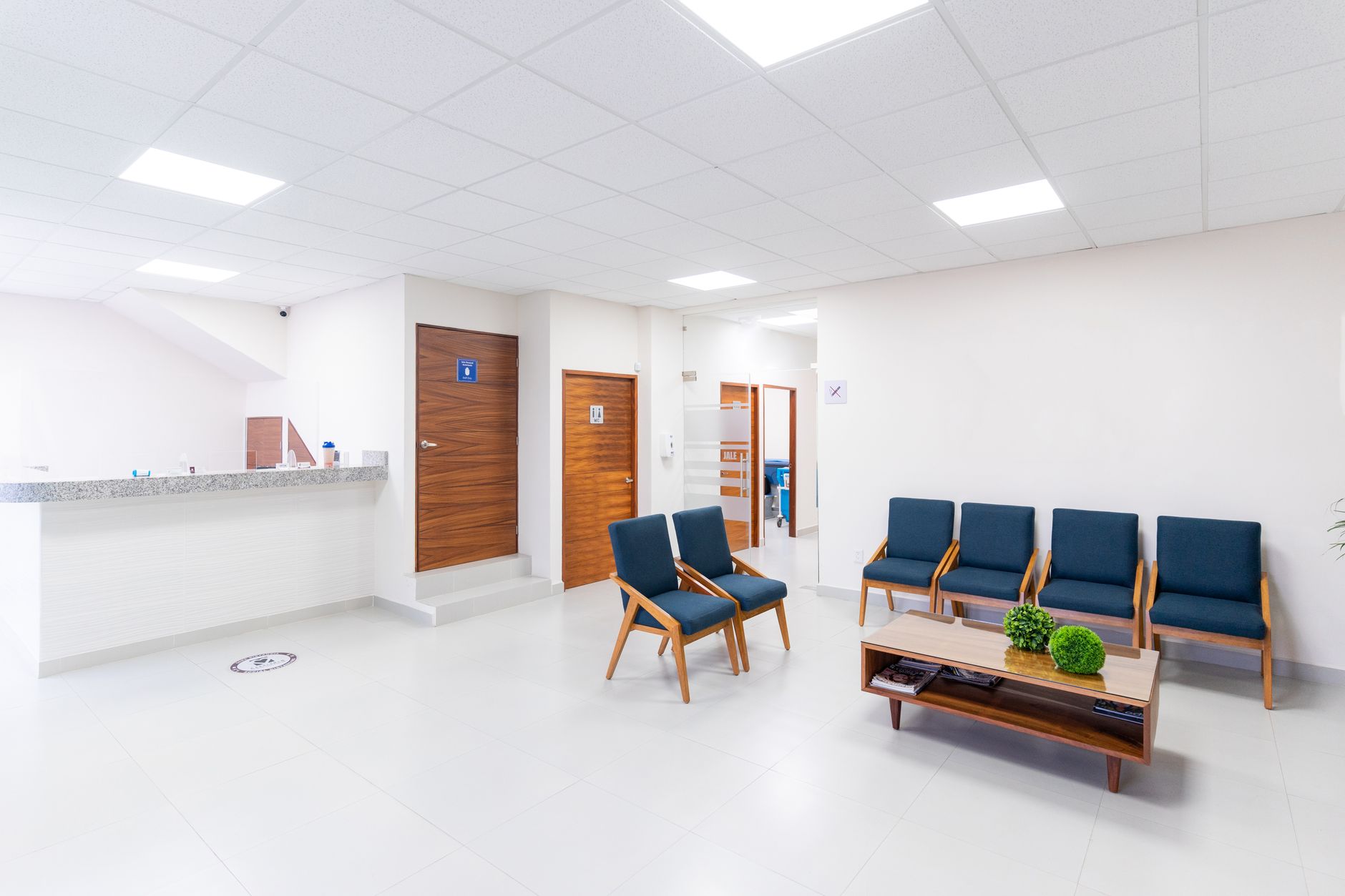
Outpatient plazas along Wadsworth, Union, and Colfax see a steady mix of commuter boots and patient traffic. Morning appointments start while entries still carry slush from parking lots, and afternoon blocks repeat before porters finish administrative work.
Autonomous scrubbers run mapped hard-floor loops after the last scheduled visit block. They recover water in one pass so environmental services can focus on exam rooms, restrooms, and waste without dragging buckets across waiting tile.
Service Robot Co. selects OEM-neutral scrubbers, then handles financing, deployment, training, and nationwide service as one lifecycle partner.
Belmar and west-metro retail traffic nearby can increase drop-off congestion at shared plazas, so schedule routes after ride-share queues clear.
What do Lakewood employment numbers mean for overnight porter hiring?
Data USA reporting for 2024 lists 88,569 employed Lakewood residents. Health care and social assistance account for 9,727 of those jobs, while professional and scientific services employ 11,383.
Bureau of Labor Statistics data cited for October 2024 placed Lakewood city unemployment at 4.5 percent. Tight hiring pushes clinic managers toward automation for repetitive overnight work instead of competing on the same wage curve as tech and admin roles.
A scrubber fleet does not replace infection-control protocols, but it can own repetitive water recovery while staff handle touch points and clinical priorities.
Office and administrative support occupations employ 8,566 Lakewood residents in Data USA job data, showing how many support roles already compete for the same applicants you need at night.
Where should the first scrubber route run in a medical plaza?
Start at the main patient entry, waiting room hard floor, and corridor to elevators. Those surfaces see the highest grit transfer from parking and drop-off lanes.
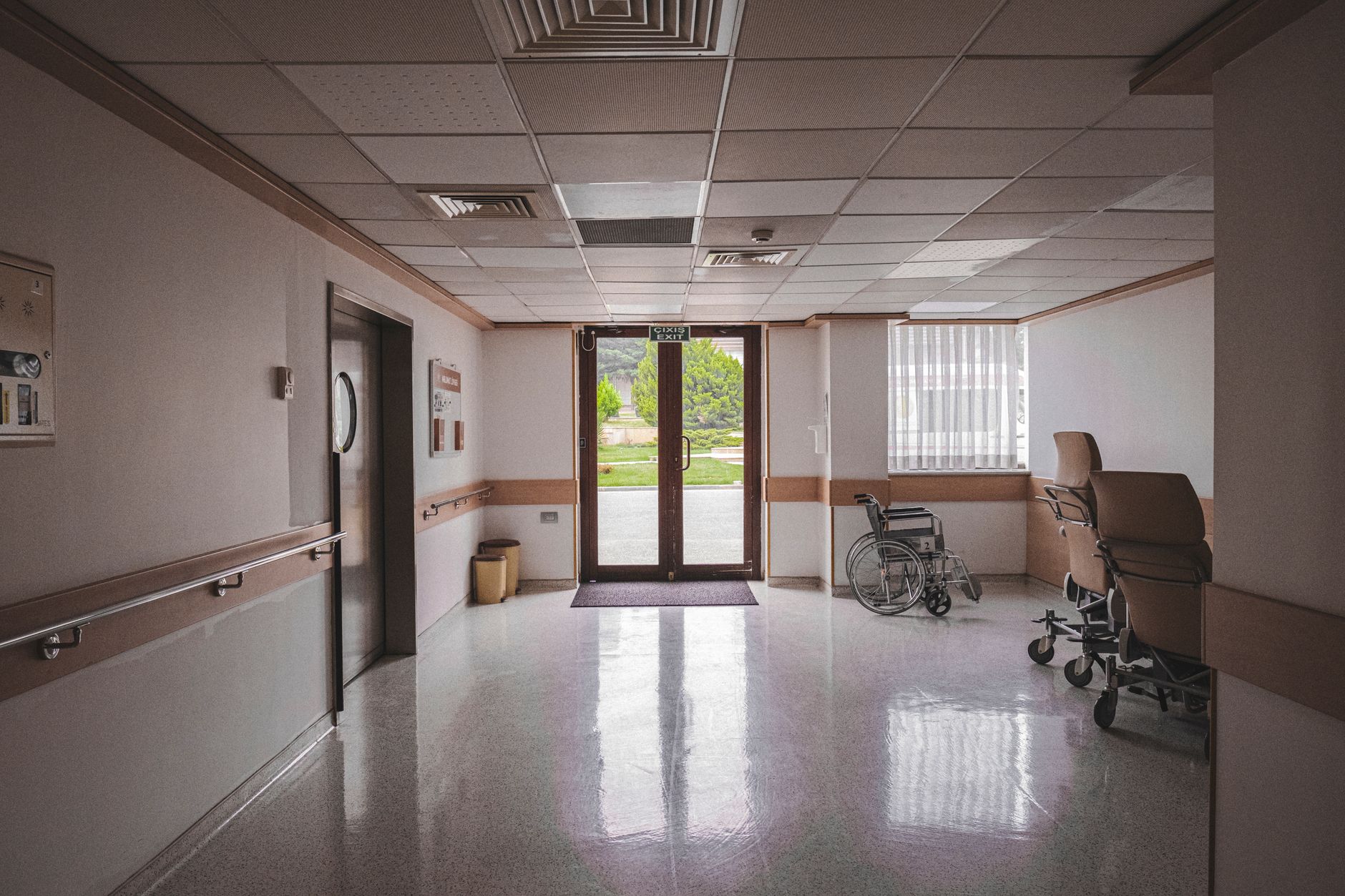
Map cordons around chairs and reception desks that stay fixed while routes run. Document ramp angles at accessible entrances used by mobility devices.
Keep charging and fill stations in a locked utility room so only trained staff start routes.
Label charging docks so after-hours security knows which equipment is authorized to move.
How do flu season and snow weeks change scheduling?
Schedule heavier scrub passes on nights after peak patient volume, often midweek during respiratory season. Use lighter maintenance passes before expected surges so Monday entries start clean.
Coordinate with practice managers so routes do not conflict with late infusion or urgent-care blocks that run past standard hours.
Track pad wear against snow events along the Denver west corridor; salt loads increase squeegee maintenance in January and February.
Red Rocks concert nights can ripple into local hospitality staffing; avoid scheduling heavy scrubs on the same nights your EVS team covers event overflow if possible.
What wet-floor steps keep patients safe?
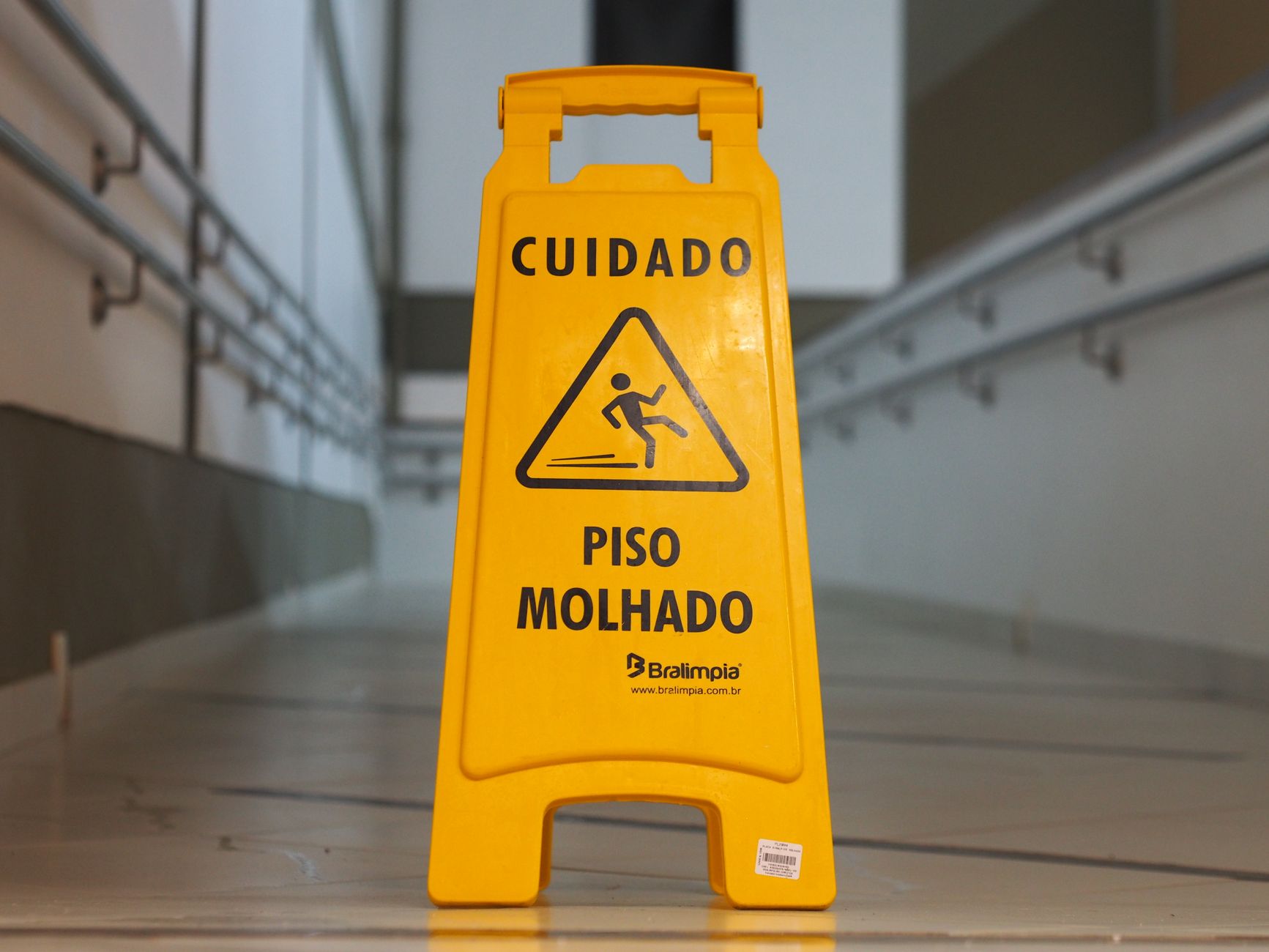
Post signage and brief opening staff on which lanes were scrubbed overnight. Early-arriving patients may enter before floors are fully dry.
Train reception to pause routes when emergency intake keeps the waiting room occupied past quiet hour.
Match chemistry to medical-grade tile and avoid fragrances that trigger complaints in enclosed waiting areas.
Document dry times at accessible entrances so mobility patients have clear paths at opening.
When does rental beat buying for a multi-tenant plaza?
Occupancy shifts as leases turn over and seasonal demand changes. Capital purchases lock you into fleet size before you know which suite stabilizes.
Monthly rental or lease programs let you ramp scrub nights when a new practice moves in and scale back when space goes dark.
A four-week pilot on the busiest waiting room proves noise, timing, and pad wear before you expand to shared corridors.
Share pilot metrics with tenant practices that pay CAM charges so cost allocation conversations start from data.
Compare water use against your current mop program to forecast operating cost at full deployment.
Compare water use against your current mop program to forecast operating cost at full deployment.
Compare water use against your current mop program to forecast operating cost at full deployment.
Compare water use against your current mop program to forecast operating cost at full deployment.
Compare water use against your current mop program to forecast operating cost at full deployment.
Compare water use against your current mop program to forecast operating cost at full deployment.
Compare water use against your current mop program to forecast operating cost at full deployment.
Compare water use against your current mop program to forecast operating cost at full deployment.
Compare water use against your current mop program to forecast operating cost at full deployment.
Compare water use against your current mop program to forecast operating cost at full deployment.
Compare water use against your current mop program to forecast operating cost at full deployment.
Compare water use against your current mop program to forecast operating cost at full deployment.
Compare water use against your current mop program to forecast operating cost at full deployment.
Compare water use against your current mop program to forecast operating cost at full deployment.
Compare water use against your current mop program to forecast operating cost at full deployment.
Compare water use against your current mop program to forecast operating cost at full deployment.
Compare water use against your current mop program to forecast operating cost at full deployment.
Compare water use against your current mop program to forecast operating cost at full deployment.
Compare water use against your current mop program to forecast operating cost at full deployment.
Compare water use against your current mop program to forecast operating cost at full deployment.
Compare water use against your current mop program to forecast operating cost at full deployment.
Compare water use against your current mop program to forecast operating cost at full deployment.
Compare water use against your current mop program to forecast operating cost at full deployment.
Compare water use against your current mop program to forecast operating cost at full deployment.
What should a pilot month measure?
Photograph the same entry tile before and after the busiest clinic day. Visual proof helps practice partners agree on expansion.
Log hours EVS spends on waiting-room touch-ups during the pilot versus the prior month.
Record patient comments about cleanliness at check-in; entries drive first impressions for multi-specialty buildings.
Invite your integrator to observe one closing shift so cordons match how chairs are actually stacked.
What other robots pair with clinic floor scrubbing?
Delivery robots can move supplies and lab specimens on fixed back-of-house routes once scrubbers free porters from water work.
Patrol units can cover parking structures after gates close when on-site security is thin.
One integrator for scrubbers, AMRs, financing, and service reduces blame games when weather delays both access and cleaning.
Indoor delivery robots should never cross wet lanes; map separate timing windows.
- Waiting room and entry scrub loops after quiet hours
- Indoor supply delivery on mapped clinical corridors
- Parking patrol when overnight staff are minimal
How do you train a small EVS team on scrubber routines?
Assign the lead tech to own the weekly calendar, cordons, and chemistry checks. Cross-train a backup for nights the primary is off.
Keep a one-page checklist aligned with your infection-control policy so seasonal hires do not skip steps.
Service Robot Co. can align training and service SLAs with flu season before the first freeze.
Review service response times before flu season so a stuck squeegee does not carry into Monday opening.