Key takeaways
- Robot cameras need steady, even light; OSHA warehouse minimums are often too dim for reliable vision.
- Measure lux at the floor and at camera height on the exact routes your fleet will run.
- Glare, flicker, and polished reflections cause more navigation faults than a slightly low average lux reading.
- Route changes, dock repositioning, or supplemental fixtures often beat swapping hardware.
- A vendor-neutral integrator should document lighting scores before you sign a monthly robot rental program.
Why does lighting decide whether a vision robot works on your floor?
Vision-based robots do not see the way people do. Cameras sample contrast at a fixed frame rate. When a corridor drops below useful illuminance, exposure stretches, motion blur grows, and feature points disappear. Navigation stacks that fuse camera data with lidar or wheel odometry may keep moving, but confidence scores fall and recovery stops multiply.
Professional service robots sold for floor care, patrol, and goods transport all depend on some form of machine vision for obstacle cues, marker detection, or quality checks. The International Federation of Robotics groups autonomous floor scrubbers under professional cleaning class AP21 and notes that basic autonomous navigation is part of what defines a machine as a robot rather than a remote-controlled device.
Human comfort lighting and robot-ready lighting are related but not identical. A site can meet legal minimums for people while still producing red zones on a robot inclusivity map where glare or deep shadow dominates.
How do shadows and uneven beams hurt navigation cameras?
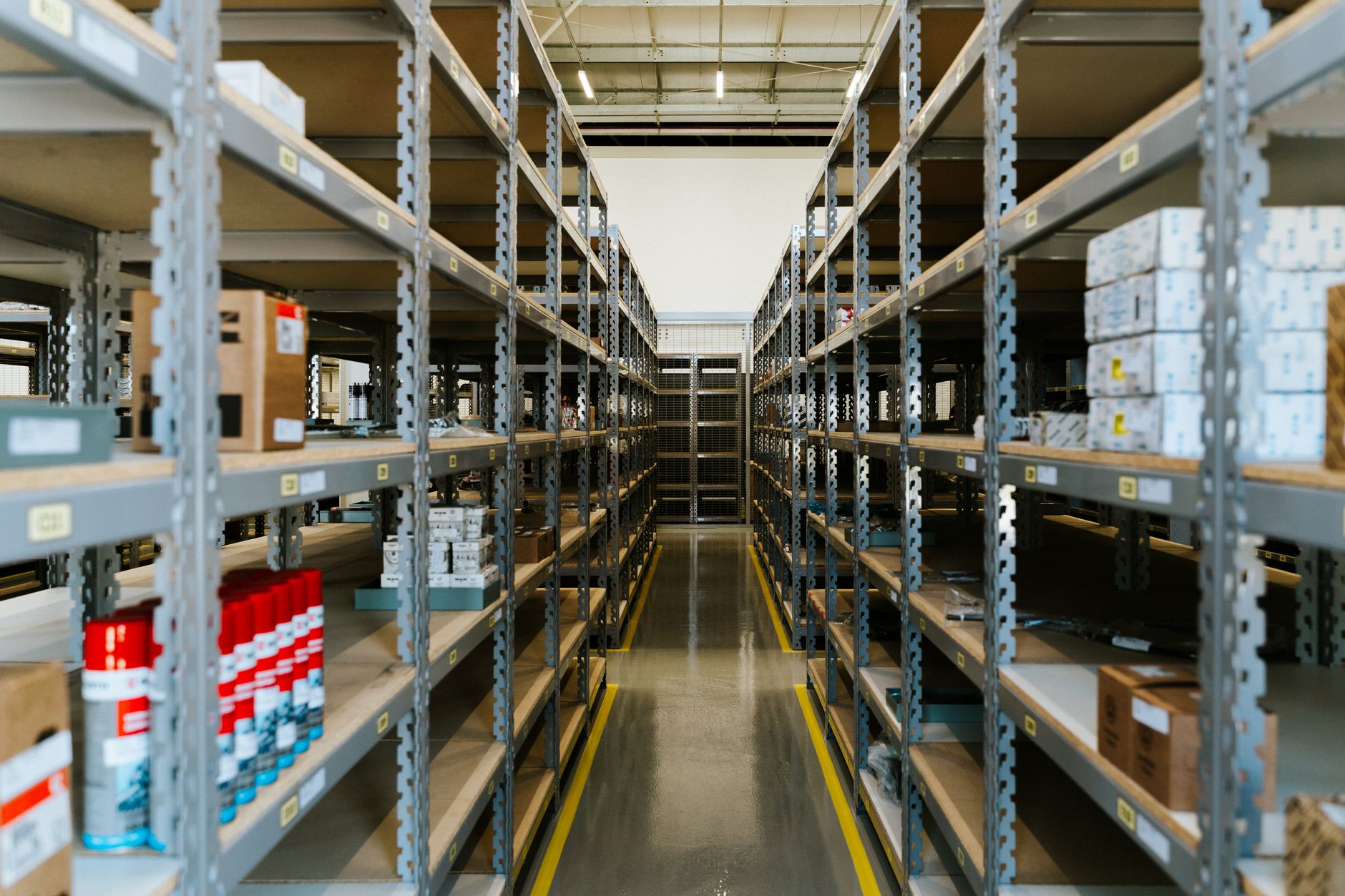
Warehouse and retail aisles often mix high bays over stock with darker picking faces. As a scrubber or autonomous mobile robot enters a shadow wedge, the camera gain jumps. The next frame may blow out when the unit crosses into direct fixture light. That ping-pong exposure confuses visual odometry and marker tracking.
Narrow aisles amplify the effect. Light that works for a forklift mast height may leave the floor plane dim where a low-profile cleaning robot actually drives. Research on robot inclusivity indexing treats locations at or below about 5 lux as effectively unusable for vision-heavy tasks, with gradual improvement through roughly 100 lux when glare is absent.
Operators planning commercial robot rental or a month to month robot lease should photograph problem zones at the same time of night the unit will run. Overnight cleaning no operator programs only succeed when the lighting snapshot matches the cleaning window.
What glare, flicker, and reflections do to inspection and patrol cameras?
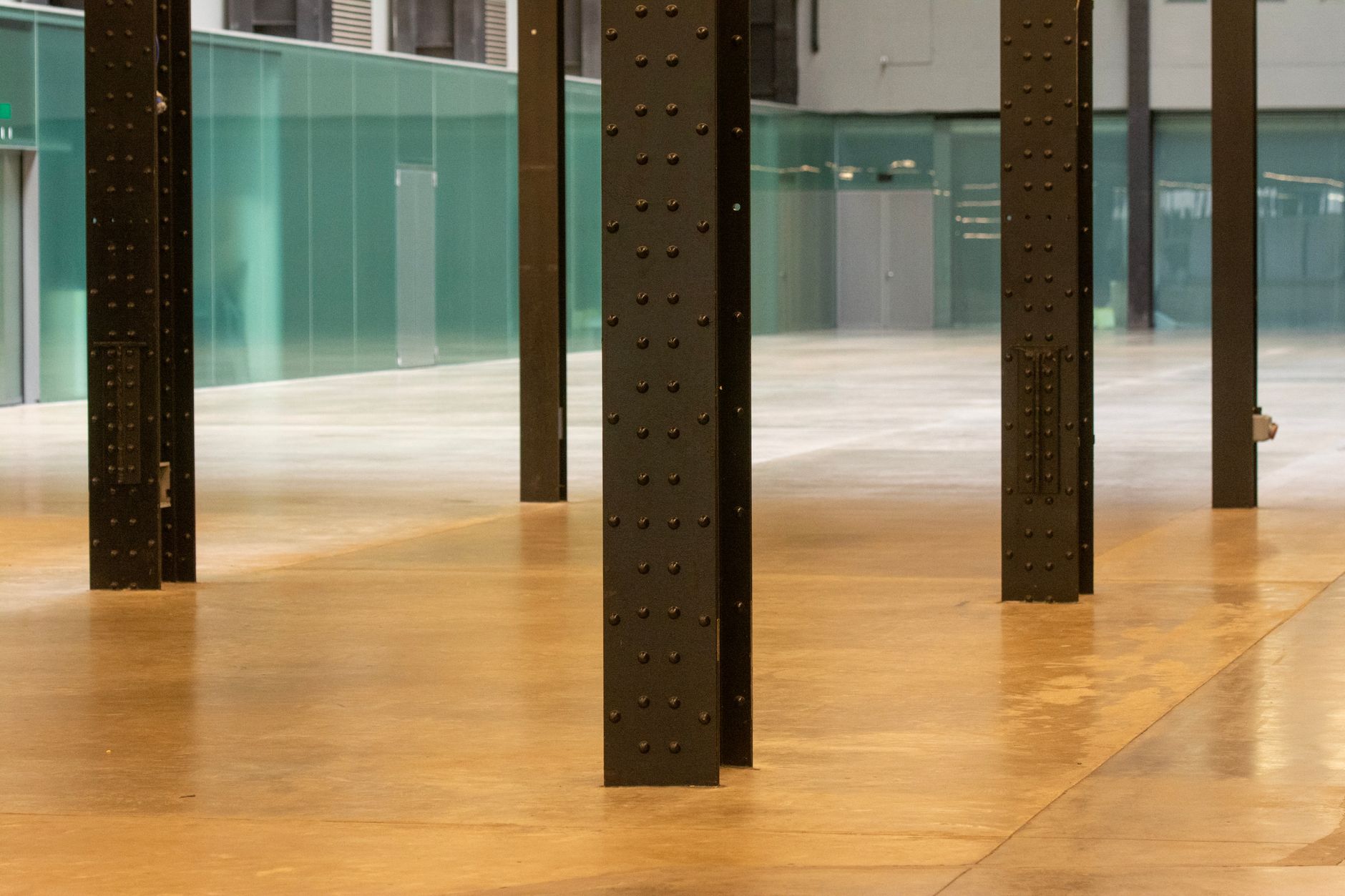
Polished concrete, epoxy, and fresh wax create specular reflections that look like obstacles or open paths depending on angle. Security patrol robots that rely on visual odometry may report false positives when dome cameras catch parking lot fixtures in glass doors.
Flicker from legacy magnetic ballasts or cheap LED drivers beats human perception thresholds but can beat camera shutter timing too. Bands or rolling dark lines show up in rolling-shutter sensors and degrade object detection.
Glare from unshielded high-bay lamps can trigger the same inclusivity penalties as darkness. Frameworks that score robot-friendly lighting subtract heavily when direct glare is present even if average lux looks acceptable on a handheld meter.
- Wet floors after scrubbing or rain entry: reflections move as water films change.
- Stainless kitchen lines and elevator doors: narrow hotspots near patrol routes.
- Freezer antechambers: condensation and bright task lights in small volumes.
- Glass storefronts at dusk: exterior brightness swings faster than auto exposure adapts.
How dark is too dark for typical facility cameras?
Occupational rules set floors, not robot sensors. OSHA general construction and storage rules reference minimum illumination on the order of 5 foot-candles for many indoor work areas, with lower values in some storage zones. Five foot-candles converts to roughly 54 lux. That is already below what several peer-reviewed vision experiments treat as a practical lower bound for reliable code reading and pick recognition.
In one published study of a collaborative workcell using an embedded camera and occasional flash, failures clustered below about 70 lux, with a broad stable band between about 100 and 600 lux before overexposure failures rose again near 700 lux. Your fleet may differ, but the shape of the curve is common: a cliff on the dark end and a smaller cliff on the bright end.
Industry lighting guides for automated storage and picking zones often cite roughly 180 to 300 lux with high uniformity and color rendering for machine vision. Treat that band as a design target when you size autonomous floor scrubber rental for barcode-heavy backrooms or inspection robot rental for label verification tasks.
What site-test method should operators run before go-live?
Start with a calibrated lux meter, not a phone app, if you need documentation for safety or insurance partners. OSHA-oriented guides stress meters that read foot-candles and lux with traceable calibration. Walk every planned robot route at the height of the primary camera. For floor scrubbers that is often 20 to 40 centimeters above the deck. For patrol masts, repeat at eye level and at the dome.
Sample at least every 3 meters on straights and every turn into alcoves, docks, and freezer thresholds. Record time of day, fixture type, and whether doors were open. Run the walk twice if sunlight through skylights is part of the scene.
Mark three classes on a simple floor plan: green where readings stay in your validated band without glare, yellow where readings swing more than 30 percent between samples, red where lux is under your minimum or glare is visible to the human tester. Pair numbers with phone photos facing along the robot travel direction.
Repeat after seasonal changes. Retail resets, new promotional stacks, and fresh wax programs change reflectance even when lux readings barely move.
- Night shift autonomous scrubber routes: test with only security lighting on.
- Hospital delivery robot rental corridors: include dimmed patient wings separately.
- Warehouse robot rental loops: test with partial aisle lighting policies used on weekends.
When should you fix lighting instead of changing the robot package?
Choose lighting upgrades when red and yellow zones cover a large fraction of distance, when flicker is obvious on a slow-motion phone video aimed at the ceiling, or when multiple robot types would share the same bad geometry. Relamping to uniform LED with proper optics often costs less than specifying a custom sensor mast on every unit.
Target improved uniformity before peak brightness. Doubling lux in one bay while leaving an adjacent tunnel at 40 lux does not help fusion algorithms. Diffusers, aisle-specific lower mounts, and shielding that directs light to the work plane beat raw lumen increases.
Document before and after walks the same way you document autonomous cleaning coverage tests. Facilities teams can then tie energy projects to measurable robot uptime gains.
When are infrared capability, route changes, or new sensors the better move?
Infrared or structured-light assist helps when you cannot raise sustained lux without violating dark-sky rules, guest sleep comfort, or artifact conservation in museums. Night patrol routes on hotel delivery robot rental programs sometimes fit this pattern if public corridors must stay subdued.
Route changes win when a short red segment is unavoidable, such as a glass atrium or a loading bridge with moving shadows. Dynamic no-go scheduling that skips that segment during low sun angles is cheaper than relighting a historic lobby.
Additional sensor packages make sense when the business task truly needs them, not as a default upsell. If lidar already carries navigation but the camera fails only on stain detection, tune exposure profiles or add localized task lighting before adding a second vision module.
How does lighting tie into rental, pilot, and service planning?
Monthly payment programs and robot as a service offers lower capital risk, but they still assume the site passed acceptance tests. A free site assessment that skips lighting will surface as missed coverage acres and exception tickets in the first month.
Service Robot Co. deploys vendor-neutral fleets with nationwide on-site dispatch. Integrators on that model should hand you a lighting map alongside the occupancy grid so night crews know whether a fault is environmental or mechanical.
If you compare lease rental or sale quotes, ask each bidder which lux band they validated on your floor plan. Two autonomous floor scrubber rental proposals with the same tank capacity can diverge sharply in realized square feet per shift when only one bidder walked the dim lane behind the compressors.
What should maintenance and security teams watch after deployment?
Treat burned-out aisle lamps as robot downtime risks, not only safety citations. A single dark bay can stall an entire hospital meal tray transport loop if visual landmark loss triggers hard stops.
After floor refinishing, schedule a quick lux re-walk before returning robots to guest areas. Hospitality and grocery accounts see seasonal wax cycles that change glare without touching electrical panels.
For security patrol robot rental at outdoor equipment dealers or self-storage sites, include dusk and pre-dawn samples. Camera auto exposure hunting at sunrise often correlates with false intrusion analytics.