Key takeaways
- Horns work when every team hears the same pattern before a bay goes live.
- Pair audio warnings with fleet holds instead of relying on sound alone.
- Train night shift receiving on the protocol, not only day shift.
- False alarms usually mean sensors fire before the horn, not lazy drivers.
- Service Robot Co. can align maps and holds with your dock signaling plan.
Why do horns still matter with AMRs on the floor?
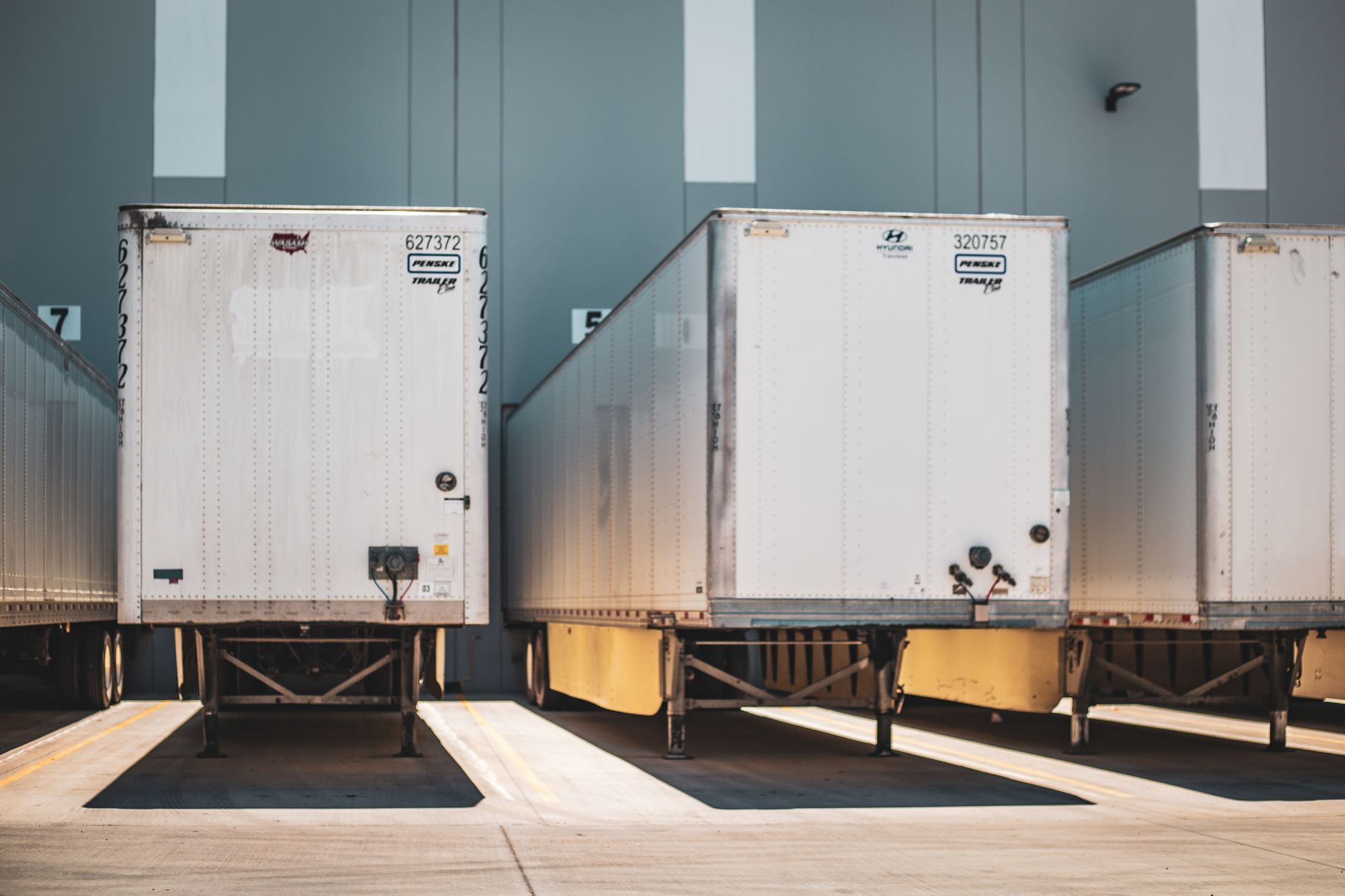
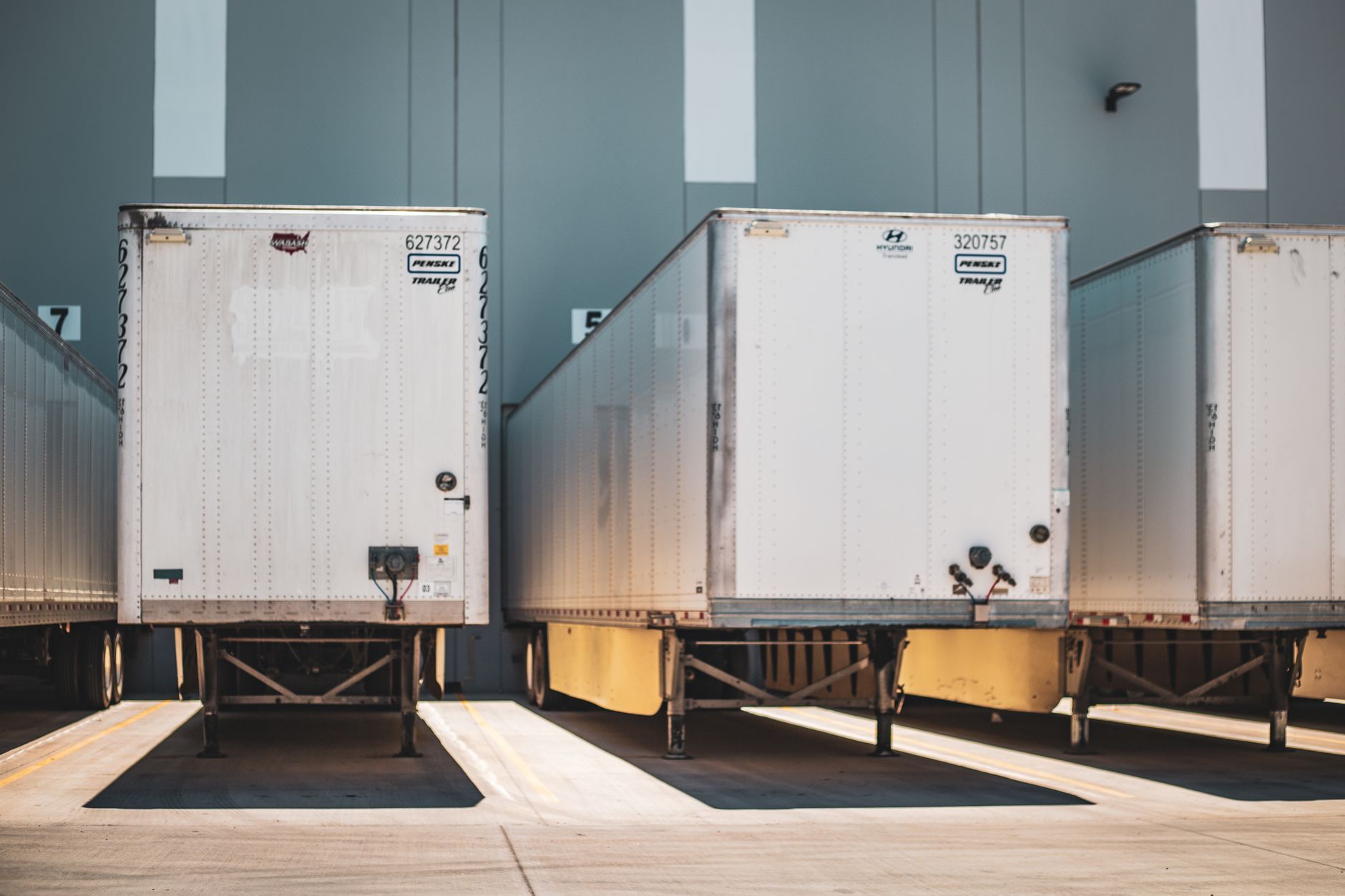
Cameras and lidar on autonomous mobile robots catch a lot, but they cannot read intent when a lift driver is backing blind beside a trailer. A horn or beacon pattern gives humans and software the same cue that a bay is about to go hot.
OSHA severe injury summaries continue to show forklifts among the most common sources of serious warehouse incidents, with about nine severe forklift-related injuries reported per week nationwide across 2015 through 2024 according to the agency's reporting. Audio discipline at docks is a low-cost layer on top of geofences.
The point is not nostalgia for horns. It is a shared clock that starts holds before metal crosses the painted line.
What pattern should docks use?
Pick one short pattern per bay, such as two quick blasts before backing, and document it on a laminated card at the dock plate. Variation by driver invites AMR software to ignore audio as noise.
If you use stack lights, map green-yellow-red to the same states your WMS publishes. Red should mean holds active for robots and pedestrians, not only lifts.
Add a verbal call on busy shifts only if radio discipline is already strong. Extra chatter without a fixed pattern makes things worse.

How do horns tie into AMR holds?
Ideal setups wire the horn contact or stack light output to the middleware topic that triggers DOCK_ACTIVE holds. Audio leads the hold by a second or two so carts stop before the trailer edge moves.
When wiring is not available, use a manual tablet step: the receiver taps START BAY before the first blast. Audit those taps weekly so shortcuts do not become habit.
Log hold reasons on the fleet dashboard with the bay number. Operators forgive a stop when they see BAY_2_HORN_HOLD instead of a generic fault.
Who owns the protocol?
Receiving leads own the horn sequence. Safety signs off on pedestrian rules. IT maps signals if they feed middleware. Maintenance tests contacts during PM rounds because corroded horns fail quietly.
Publish changes on the same board lift drivers and AMR champions already check. Email-only updates miss night crews.
Service Robot Co. often facilitates the working session that aligns vendor-neutral fleet rules with dock hardware so no single OEM portal becomes the bottleneck.
OSHA data for 2022 and 2023 recorded 1,190 forklift-related severe injuries reported to the agency, with transportation and warehousing accounting for 285 cases in that total according to the same report. Horn discipline alone will not fix those numbers, but it gives robots and people a synchronized pause.
What should training cover?
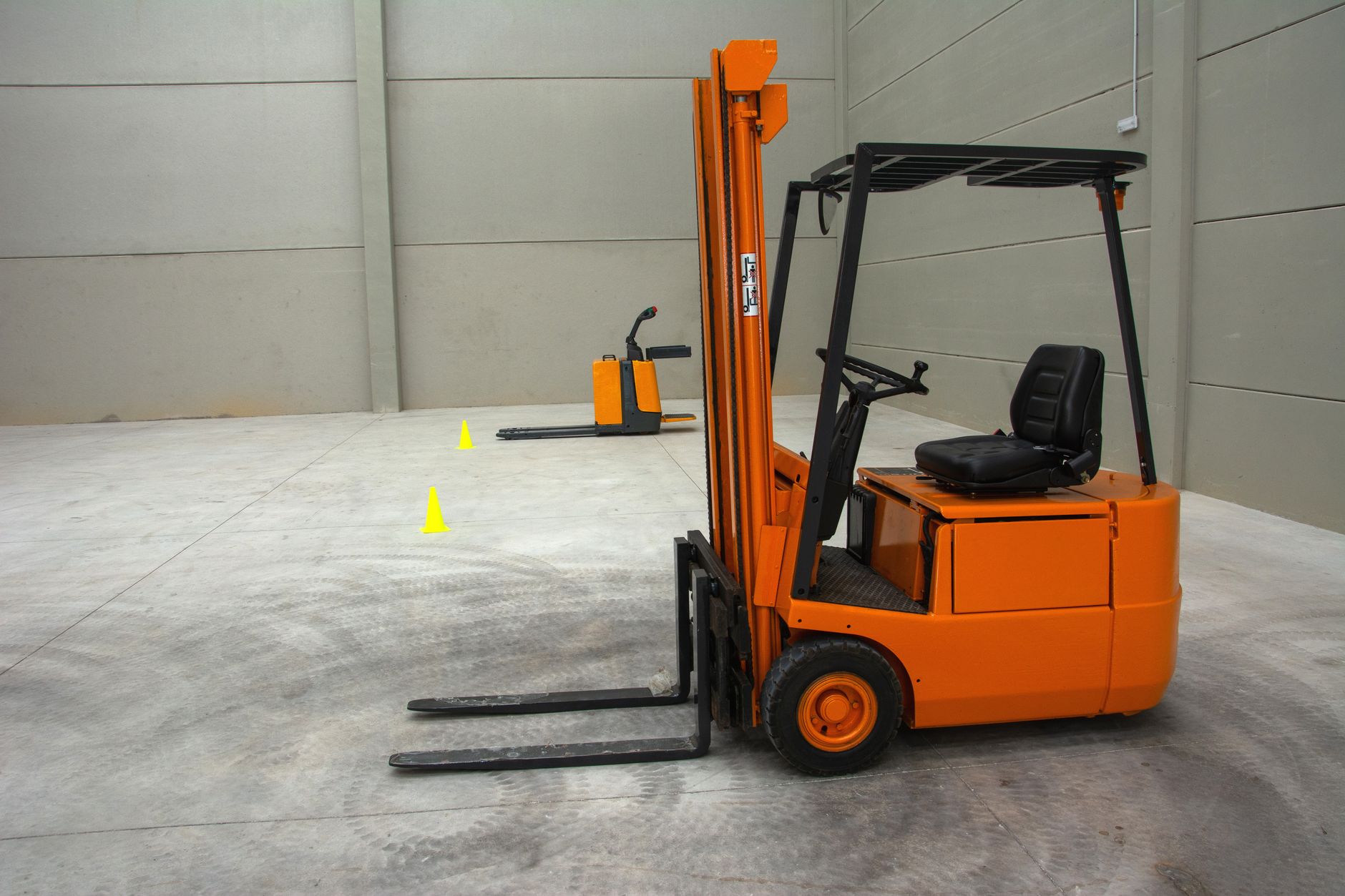
New drivers practice the blast-then-back rhythm with spotters until muscle memory sticks. AMR operators learn that a hold can precede the horn when sensors are wired correctly.
Pedestrians get a simple rule: no crossing the apron during red stack light or active horn pattern, even if no lift is visible yet.
Include temporary workers and label temps in orientation. Seasonal peaks are when protocols slip.
How do you test without a live trailer?
Run a tabletop drill with horn contacts clipped to a test light. Verify middleware flips holds within one second.
Walk the bay with a decibel meter if neighbors complain. Adjust horn type or aim before go-live, not after a citation.
Script a false alarm scenario: stuck contact keeps horns looping. Supervisors should know how to disable the bay and notify the fleet dashboard.
Invite night receiving to the first live test. Day-shift sign-off means little if midnight crews never heard the pattern.
What if horns create false holds?
Debounce sensor inputs so vibration from nearby lifts does not trip holds. Mechanical horns can chatter on windy docks if mounts are loose.
Separate maintenance test mode that flashes amber without firing fleet holds. Technicians need a safe way to troubleshoot.
Review logs weekly. Holds that fire without receiving activity mean wiring or sensor placement needs another pass.
Compare horn-triggered holds to door-sensor holds monthly. Divergence between the two usually explains mystery stops.
When should protocols change?
New dock doors, relocated staging, or seasonal peak schedules all warrant a refresh. Version the horn card with the floor plan date.
After any near-miss, ask whether audio, holds, or both failed. Blameless reviews should end in a card edit, not only a reminder email.
Nationwide service coverage helps when a horn contact fails Friday night. Remote triage plus regional engineers keeps bays from running unsigned over the weekend.