Key takeaways
- Mömax deployed more than 20 Gausium Scrubber 50 units across Austrian stores starting June 2024.
- Gausium describes one robot per store cleaning whole retail areas during operating hours.
- Scrubber 50 adapts when showroom furniture moves, skipping blocked zones and cleaning newly open aisles.
- Mömax cited rising cleaning costs, labor shortages, and staff time constraints before automation.
- Service Robot Co. can finance and compare OEM-neutral scrubbers for US retail chains under RoboCare.
Why did a furniture chain bet on one scrubber per store?
Mömax operates affordable furniture retail under the XXXLutz Group in Austria. Gausium case materials cite rising cleaning costs, labor shortages, and time pressure on store staff as drivers for automation.
Furniture showrooms change layout frequently as displays rotate, which makes fixed nightly mop schedules hard to trust. Leadership wanted consistent floors without pulling sales associates off customer service.
Partner Gausium Österreich deployed Scrubber 50 autonomous scrubbers across more than 20 stores from June 2024, roughly one unit per location.
US furniture and home goods chains facing similar margin pressure should model cost per store before scaling beyond a pilot gallery.
XXXLutz scale means a successful Austria playbook can influence procurement across sister banners.
Corporate brand teams should treat floor gloss as part of the same story as product photography online.
What makes open-hours scrubbing different in retail?
Gausium notes Mömax robots clean during operating hours, not only after close. That demands navigation around shoppers, carts, and staged living-room sets.
Daytime runs keep entrances presentable during peak traffic instead of waiting for a single overnight pass.
Store managers must brief teams on robot lanes and pause buttons before Saturday crowds arrive.
Pilot one high-traffic Saturday before promising executives that daytime autonomy needs zero oversight.
Shoppers notice sticky tile near checkout faster than dusty ceiling vents.
Daytime autonomy needs audible cues or signage so customers do not step into wet floors.
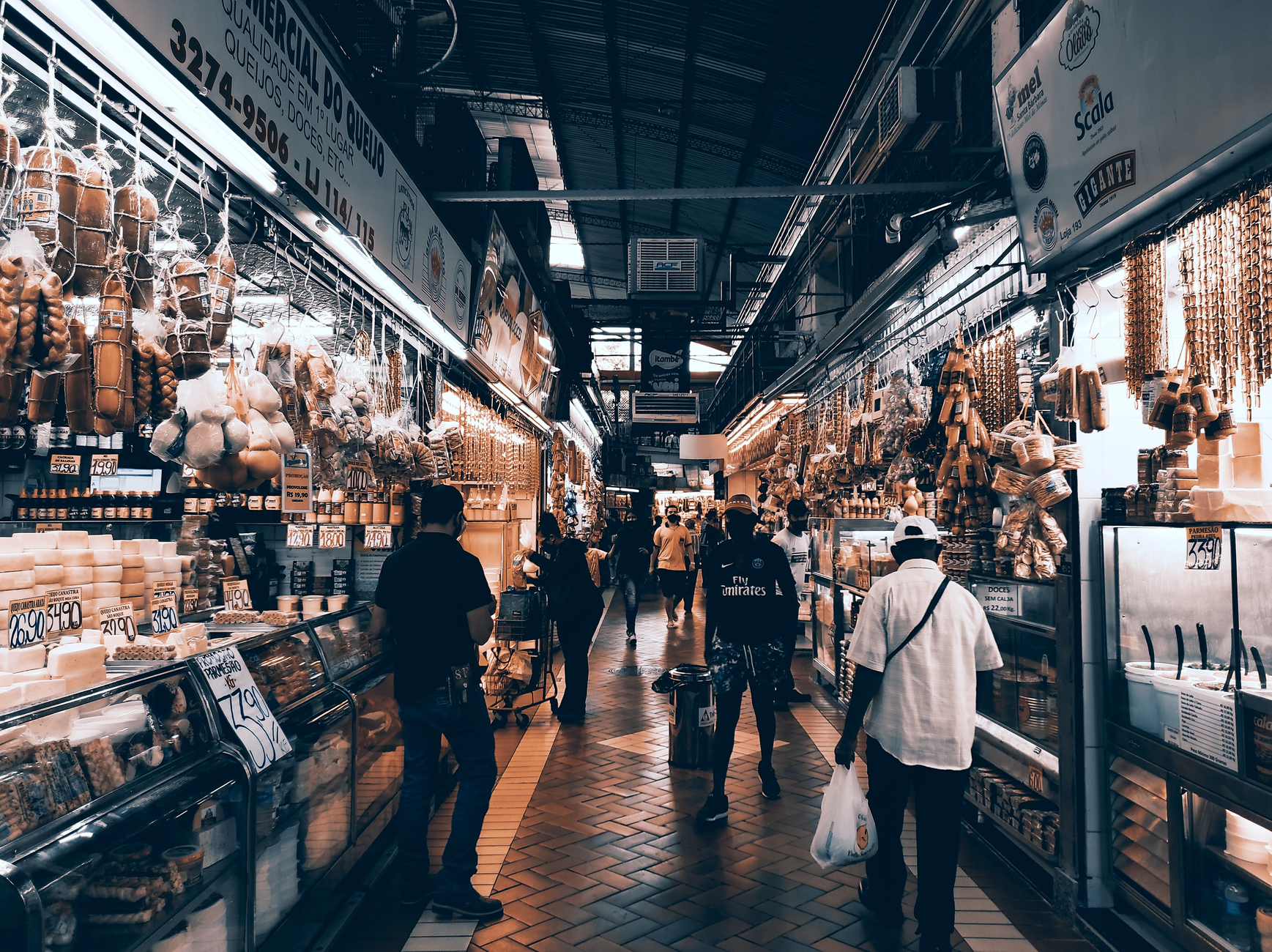
How does Scrubber 50 handle moving showroom furniture?
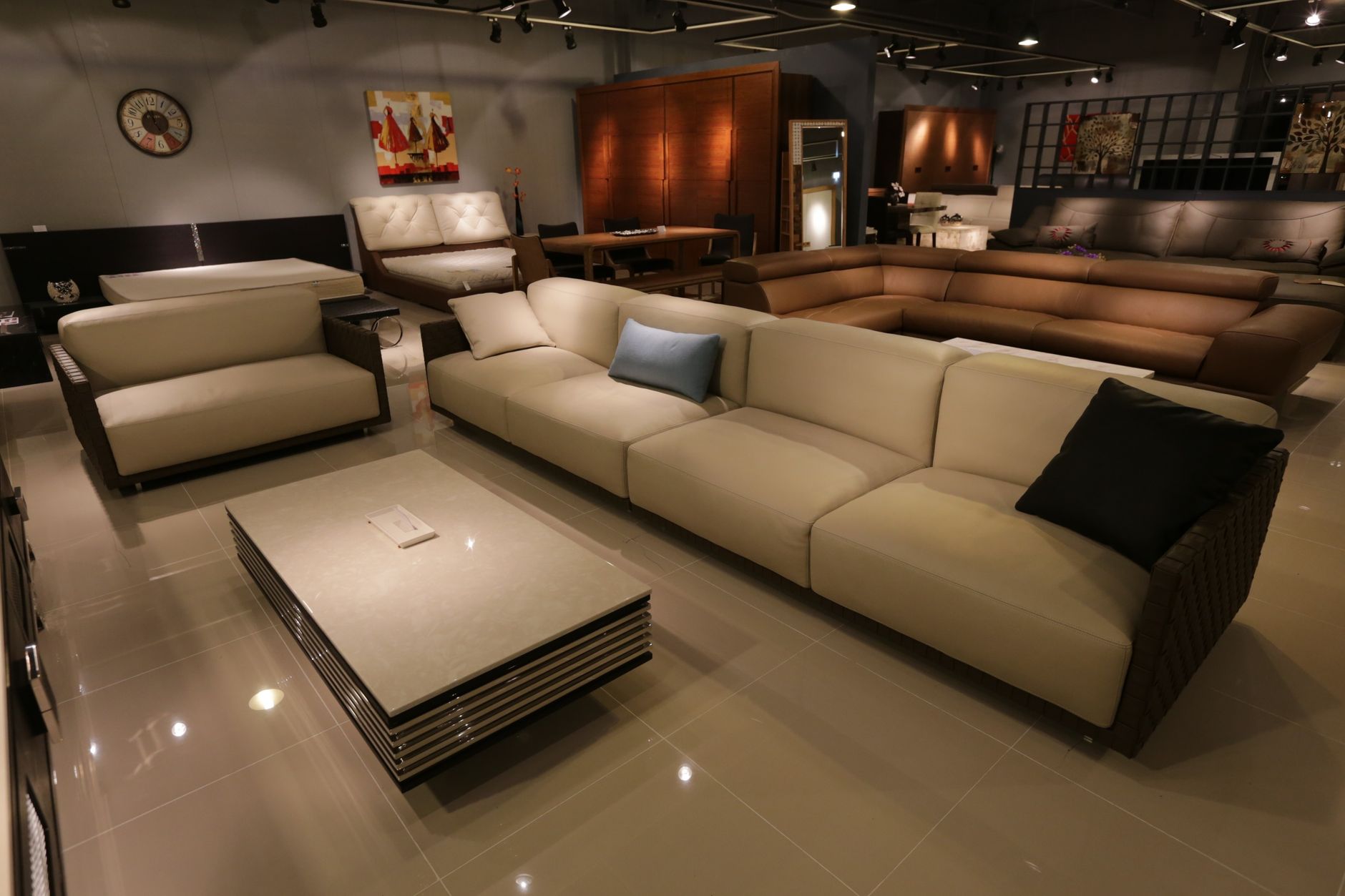
Gausium describes the robot automatically responding when exhibition furniture is added or removed. Added pieces trigger skipped zones until maps update.
When furniture is removed, the scrubber can include newly open sales area in its route without a full manual remap for every chair move.
Workstation integration lets the unit return for water and dump cycles with less human chasing.
Document who approves map edits when visual merchandising resets aisles weekly during promotions.
Layout-aware routing reduces arguments between cleaning vendors and merchandising over blocked aisles.
Workstation docks should sit behind customer sightlines when possible.
What results does Gausium report for Mömax?
The case study cites cleaner retail spaces, reduced operational costs, and improved customer satisfaction after deployment.
Consistent autonomous passes replace ad hoc spot mopping when staff are pulled to checkout lines.
Track guest complaint tags about floor stickiness or dust before and after the first month of autonomy.
Compare water and chemical use reports when sustainability teams ask for measurable retail improvements.
Customer satisfaction links to cleanliness are hard to prove without before-and-after surveys.
Reduced operational cost claims need local labor rates, not Austrian averages alone.
Where do labor shortages show up in furniture retail?
Gausium frames labor scarcity as a structural issue, not a temporary hiring blip. Stores still need spotless floors for high-consideration purchases like sofas and bedroom sets.
Autonomous scrubbing frees associates to assemble displays, assist buyers, and process deliveries.
Financing spreads robot cost across months while seasonal hiring stays flat.
Share redeployed hour estimates with district managers when requesting a second pilot store.
Delivery backlogs spike the same weekends foot traffic peaks, pulling staff away from mops.
Holiday catalogs often coincide with the heaviest display churn of the year.
How should US operators evaluate Scrubber 50 versus alternatives?
Mömax standardized on Gausium through a national distributor. US chains may want competitive bids across scrubber brands with similar layout-aware features.
Service Robot Co. compares autonomous scrubbers, arranges lease or buy programs, deploys maps, trains staff, and services fleets through RoboCare.
Test brush type on your actual flooring, from polished concrete to vinyl plank staged in vignettes.
Run side-by-side demos when abrasive entry mats differ between mall and strip-mall formats.
OEM-neutral integrators can benchmark Gausium against other layout-responsive scrubbers.
Lease programs help when capex queues behind POS upgrades.
What should multi-store rollouts verify before copying Mömax?
Confirm water fill and dump locations fit back-of-house layouts without crossing sales floors.
Map slow zones near glass displays and fragile staging props.
Align with loss prevention on camera blind spots when robots run daytime routes.
Budget training time per store so weekend staff can restart plans without calling corporate IT.
Photograph floor gloss after week one for brand standards audits.
Set ninety day KPIs: coverage percent, customer mentions, and associate survey scores.
Mall stores need different hold points than standalone big boxes with loading docks.
Promotional pallets sometimes sit on scrub paths for only forty-eight hours.
When does an integrator help a 20-store furniture network?
Mömax scaled quickly with distributor support. US rollouts need consistent plan naming, reporting fields, and escalation paths across states.
One RoboCare contract can cover mixed scrubber brands if acquisition adds new store formats.
Finance may prefer one master lease schedule when store one proves cost reduction before store twenty copies Austria.
Corporate visual merchandising should receive monthly coverage maps to align resets with scrub paths.
District managers need a single hotline for brush failures during Black Friday week.
Reporting should roll up to corporate ESG when water savings are material.