Key takeaways
- Humans are the primary source of particle and microbial contamination in sterile pharmaceutical environments.
- Automated robots for cleaning and material transport operate consistently without generating human-borne contaminants.
- A vendor-neutral integrator can deploy and service a mixed fleet of specialized robots for total cleanroom automation.
- Robots provide detailed operational data logs that are crucial for regulatory audits and demonstrating cGMP compliance.
- Adopting robotics through a rental or RaaS model lowers the financial barrier to entry for pharmaceutical manufacturers.
The High-Stakes Challenge of Pharmaceutical Sterility
In pharmaceutical manufacturing, sterility is not a goal; it is a fundamental requirement. Governed by strict regulations like Current Good Manufacturing Practice (cGMP), the entire production process is designed to prevent contamination. A single contamination event can lead to catastrophic consequences: entire product batches worth millions must be destroyed, production facilities can be forced to shut down, and the cost of remediation can be substantial.
The central challenge is that the primary vector for contamination is people. Even with extensive gowning procedures, human operators are a constant source of particles and microorganisms. This unavoidable risk places a significant burden on manufacturers to maintain control over their sterile environments.
Specialized robots designed for cleanrooms directly address this core problem. By automating critical tasks like cleaning and material handling, these machines remove the main source of contamination from the equation. They perform their duties with perfect consistency, offering a reliable method to uphold the stringent standards of pharmaceutical production.
Why Are Humans a Contamination Risk in Cleanrooms?
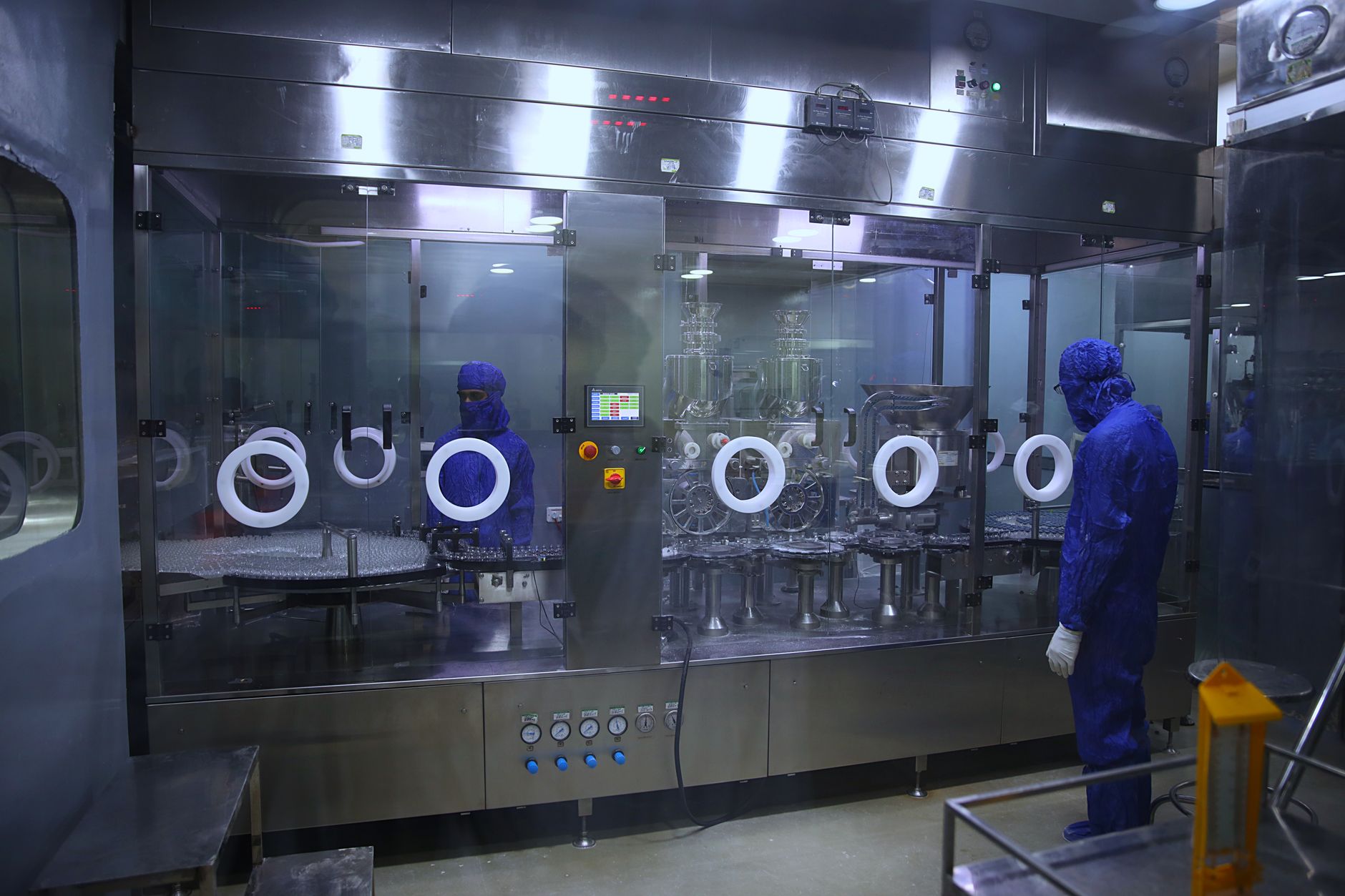
Despite rigorous training and protective gear, human presence in a cleanroom introduces significant contamination risks. People naturally shed thousands of skin cells and hair particles every minute. These particles can carry microorganisms that compromise a sterile product.
Operator fatigue and the potential for human error also introduce variability. A complex standard operating procedure performed flawlessly a hundred times can fail once, with severe consequences. Repetitive tasks that demand high precision are particularly susceptible to this risk over the course of a long shift.
Robots, in contrast, are immune to fatigue and inconsistency. They perform programmed tasks with the same precision every time, 24 hours a day. This repeatability is essential for validated processes in a cGMP environment, where every action must be controlled and documented.
What is a Robotic Cleaning System for a Sterile Facility?
Robotic cleaning in a pharmaceutical setting goes far beyond standard janitorial automation. These are highly specialized machines designed to meet the demands of a controlled environment. An autonomous floor scrubber for these areas is often constructed from stainless steel and other non-particulating materials to prevent adding contaminants to the space.
These robots are built to be compatible with industry-standard sterilization agents. Many can withstand repeated exposure to chemicals like vaporized hydrogen peroxide (VHP), a common method for decontaminating cleanrooms. This allows the cleaning robot itself to be part of the facility’s broader sterilization protocol.
Beyond scrubbing, autonomous mobile robots can be equipped with ultraviolet (UV-C) emitters. These hospital disinfection robots can be programmed to traverse a room after manual cleaning, using high-intensity light to neutralize microorganisms on surfaces and further reduce microbial load without human intervention.
How Does Automating Material Transport Reduce Contamination?
Every time a person enters a cleanroom, the risk of contamination increases. Automating the movement of materials with autonomous mobile robots (AMRs) dramatically reduces the need for human entry. This is a core principle of modern contamination control strategy.
AMRs can transport a wide range of items critical to the production process. They handle everything from raw materials delivered to airlocks, to work-in-process goods between production stages, to finished products heading for packaging. This automation of repetitive transport creates a more controlled and predictable workflow.
This use of material handling robot rental units is scalable and flexible. Unlike fixed conveyor systems, an AMR fleet can be reprogrammed and expanded as production needs change. This adaptability is critical in the dynamic pharmaceutical industry.
Can Robots Perform Delicate Aseptic Processing Tasks?
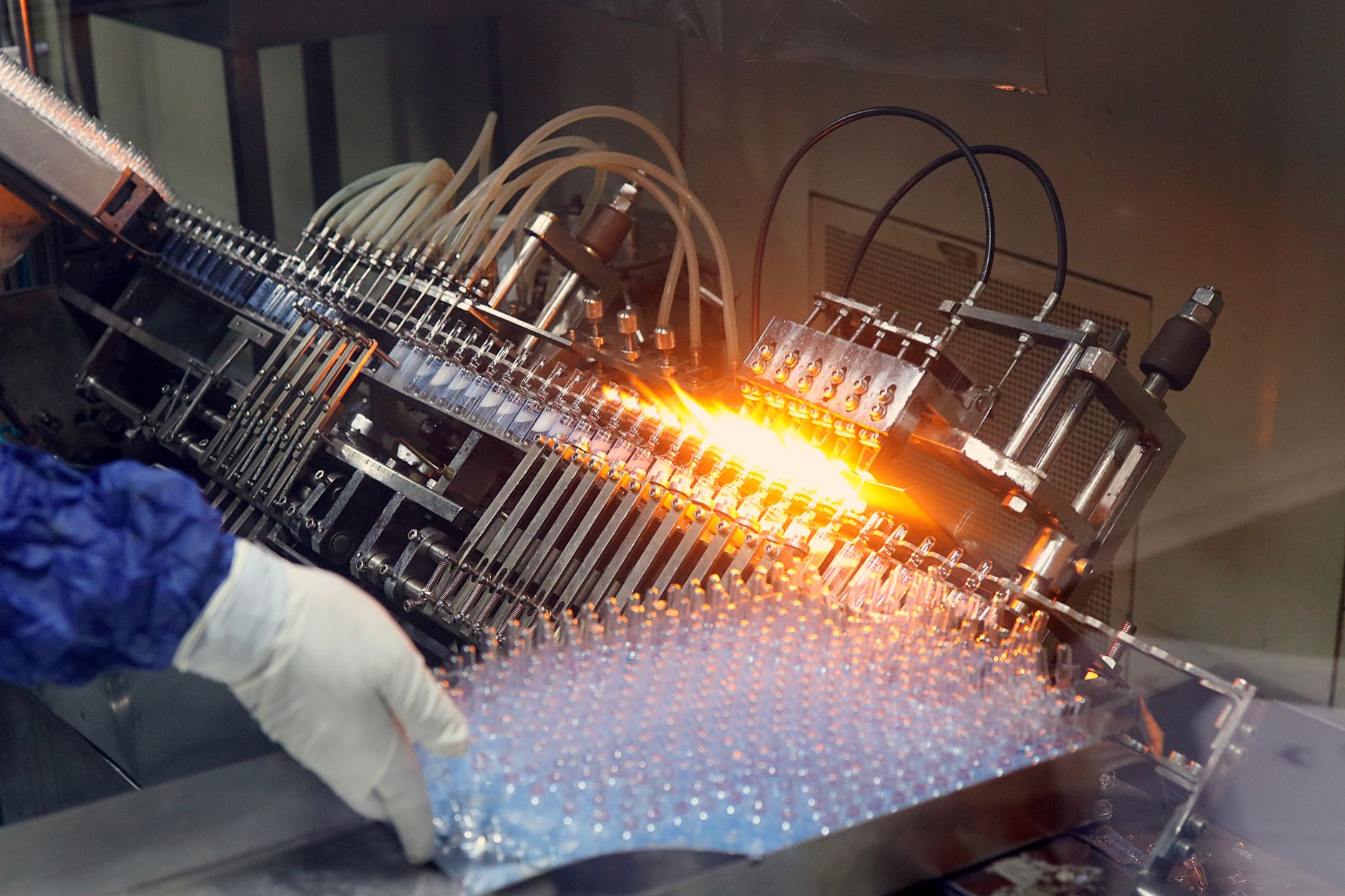
The application of robotics in pharma extends to highly precise and delicate tasks. Collaborative robot arms, or cobots, are frequently used in aseptic filling lines where maintaining sterility is absolutely critical.
These robotic arms can handle tasks like filling vials, inserting stoppers, and crimping caps inside a sterile isolator. This removes the need for a human operator to perform these manipulations through glove ports, which is a significant potential source of contamination. The precision of a cobot also reduces product loss from spills or mishandling.
For end-of-line automation, cobots are used for inspection, labeling, and packaging. Their machine vision capabilities can identify defects with greater accuracy than the human eye, ensuring every product meets quality standards before it leaves the facility.
Using Automation to Simplify Regulatory Compliance
Maintaining compliance with regulatory bodies like the FDA requires exhaustive documentation. One of the most powerful benefits of robotic automation is the automatic generation of data for every action performed.
A robotic floor scrubber logs every cleaning cycle, including start time, duration, and areas covered. An AMR logs every material transfer, with timestamps and routes taken. A cobot logs every vial filled and every item packaged. This detailed, immutable data provides a verifiable audit trail for regulators.
This automated record-keeping is far more reliable than manual logs, which are subject to error and incomplete entries. During an audit, a manufacturer can present comprehensive electronic records to demonstrate consistent adherence to validated processes, strengthening their compliance position.
Why a Vendor-Neutral Integrator is Key for Pharmaceutical Robotics
The ideal autonomous cleaning robot, the most efficient material transport AMR, and the most precise collaborative robot arm rarely come from the same manufacturer. Pharmaceutical facilities have highly specific needs, and achieving best-in-class automation requires selecting the right robot for each individual task.
This is where a vendor-neutral robot integrator becomes essential. At Service Robot Co., we are not tied to any single OEM. Our process begins with a thorough site assessment to understand your unique workflow and compliance requirements. We then select the most suitable robots from across the industry to build a cohesive and effective fleet.
As a full-service partner, Service Robot Co. manages the entire lifecycle. We are one partner with one number to call for everything: initial deployment, system integration with your existing facility controls, staff training, and ongoing service from our nationwide network of engineers. This turnkey robot deployment model simplifies the complex process of automation.
Making Advanced Automation Financially Accessible
The capital investment for a fleet of specialized pharmaceutical robots can be significant. However, modern procurement models make this technology accessible without a large upfront expenditure. A Robot as a Service (RaaS) monthly subscription is an operating expense, preserving capital for core activities like research and development.
Options like robot leasing for business or commercial robot rental provide predictable monthly payments that often include a complete robot maintenance service plan. This approach eliminates unexpected repair costs and ensures maximum uptime for your critical operations.
Service Robot Co. offers a range of financing, lease, and RaaS programs tailored to business needs. By removing the capital barrier, we enable pharmaceutical manufacturers of all sizes to adopt the automation necessary to enhance compliance, improve efficiency, and maintain the highest standards of product safety.