Key takeaways
- Planned outage windows are the right time to image liners, impact zones, and skirt seals before they become an unplanned spill.
- Retained bulk material and poor lighting ruin chute surveys unless you plan isolation, washdown, and scale references first.
- A tethered crawler with 4K video beats sending a person up a manlift when the goal is repeatable wear mapping.
- Inspection robot rental fits seasonal shutdowns better than owning a specialty payload for one chute family.
- Deliverables should pair annotated stills with compass or station tags so maintenance can open a work order without a second climb.
What can inspection robots actually see inside a transfer chute?
Transfer chutes take the beating when bulk material changes direction, speed, or drop height. Liners wear thin at impact points, skirt rubber hardens, and fines pack into corners that never get a human eye during production. Inspection robots for conveyor transfer chutes are built for those short planned stops: a compact crawler or camera sled enters while the belt is locked out, records high resolution video, and comes back out before the crew moves to the next outage task.
The useful output is not a highlight reel. Maintenance engineers want searchable stills that show crack orientation, liner step height, buildup depth beside a fixed ruler, and whether an expansion joint has opened. According to the International Federation of Robotics figures summarized in Service Robot Co. coverage of World Robotics 2025, inspection and maintenance robot sales reached nearly 2,800 units in the 2024 supplier sample, up sharply from a small base. That growth tracks with owners trying to standardize hard to reach checks instead of reserving them for catastrophic failures.
Where do liners, buildup, and blockages show up first?
Wear rarely spreads evenly. The impact shelf at the feed point gouges first, then material scours the lower third on the receiving side. Buildup forms where moisture or fines stall, often opposite a dribble chute or near a dust curtain that was never adjusted after a product change. Blockages start as a ridge that redirects flow, then become a full plug that trips belt drift sensors.
Robotic passes should follow the same station labels your reliability team already uses on work orders. Start at the feed lip, traverse the straight wall, pause at each liner bolt pattern, then document the discharge lip and any rock box ledge. Repeat the route on the next outage and you get a time series without guessing whether a photo from 2023 matches the same corner.
How do you handle access, retained material, and isolation?

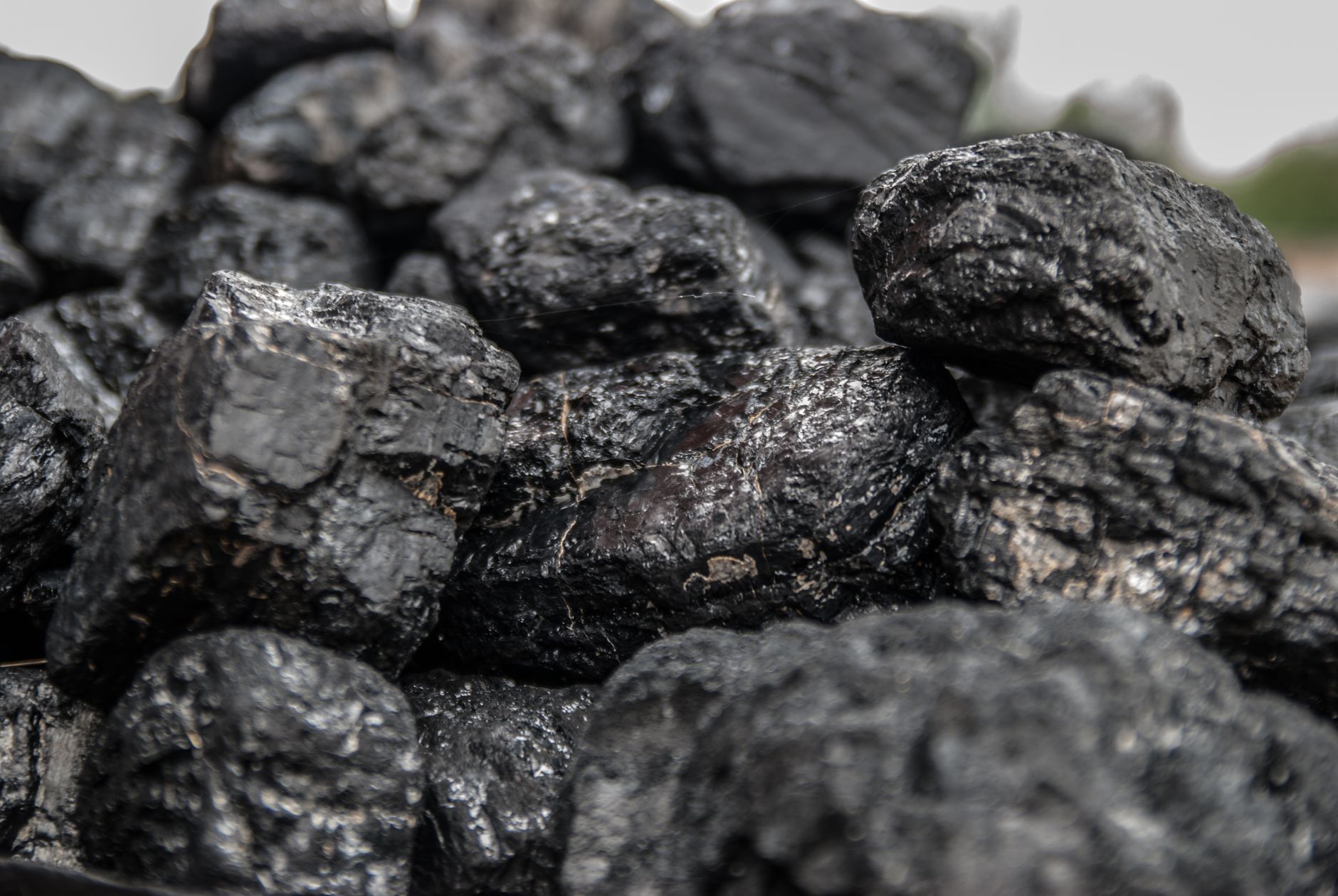
Chute work begins with lockout, not with the robot. Confirm zero energy on the feed and take belts, close gates upstream, and verify that residual material will not slide once a hatch opens. Many sites hang a temporary catch screen or run a controlled washdown so the crawler is not grinding through a pile of wet fines.
Manlifts and scaffold hops are slow and they tempt crews to skip the upper transition. A tethered platform that rides on the chute floor or a tracked sled on the maintenance catwalk keeps the inspector on the deck while the camera works the height. Document who owns hatch keys, how long isolation lasts, and what happens if production asks to release early. The robot program should fail closed: if isolation is incomplete, the pass waits.
What lighting and scale references make images usable?
Chutes are dark cavities with shiny wear plate that confuses auto exposure. Plan onboard LED panels with diffusers, not a single headlamp that blows out the center and hides edge cracks. Bring a color chart or painted scale bar that stays in frame for every close up so reviewers can judge whether a gouge is millimeters or inches deep.
Wide context shots matter as much as macro cracks. Capture the full wall segment, then move in on the defect with the scale bar still visible in at least one corner. Tag files with chute ID, outage date, product type, and whether the system was washed down. Comparison visits fail when metadata is thin, even if the video looks sharp on a laptop in the break room.
How do you retrieve the robot safely when something binds?
Retrieval planning is part of the inspection scope, not an afterthought. Use a rated tether with a smooth sheave at the hatch so cable jacket does not snag on liner edges. Keep a manual winch or second line staged before the robot drops below the lip. If the unit carries gas sensors for oxygen or explosive atmospheres, log readings at entry and at the lowest point.
Train operators on a stop work rule when buildup exceeds the crawler ground clearance or when skirt rubber hangs into the path. A lightweight recovery hook beats sending a person to free a stuck sled. After retrieval, inspect wheels, seals, and lenses before the next chute on the outage list.
When does inspection robot rental beat owning chute gear?
Plants with dozens of chutes across multiple sites rarely run enough interior passes per year to justify a dedicated payload for each geometry. Inspection robot rental or a monthly program lets you match crawler size to the hatch on this outage, then switch to a smaller camera sled for a tight dribble chute next week. Maintenance included and nationwide dispatch matter because the outage window will not wait for a single OEM parts queue.
Buying makes sense when the same chute family is surveyed every turnaround with identical access and you have in house technicians trained on battery swaps and lens cleaning. For everyone else, pilot one route during a planned stop, compare stills to the last manual walkdown, and expand only where data quality clearly shortens the next liner order.
Where does Service Robot Co. fit on chute wear programs?
Service Robot Co. selects inspection hardware across manufacturers, maps access with your reliability lead, and trains staff on tether hygiene and retrieval drills. We finance units for buy or rent paths, integrate file naming with your CMMS, and back fleets with remote triage plus on site dispatch through a nationwide network of regional service engineers.
A free site assessment should confirm hatch geometry, isolation steps, lighting needs, and deliverable format before the first locked out pass. Phased deployment can start on the chute that drove the last unplanned spill while the rest of the line stays on schedule.