Key takeaways
- Mixed-use entertainment venues require a diverse fleet of specialized robots.
- A single robot type cannot effectively clean bowling lanes, carpets, and dining areas.
- Variable guest traffic requires a flexible and centrally managed automation strategy.
- A vendor-neutral integrator simplifies management, service, and financing for a mixed fleet.
The Unique Automation Challenge of an Entertainment Center
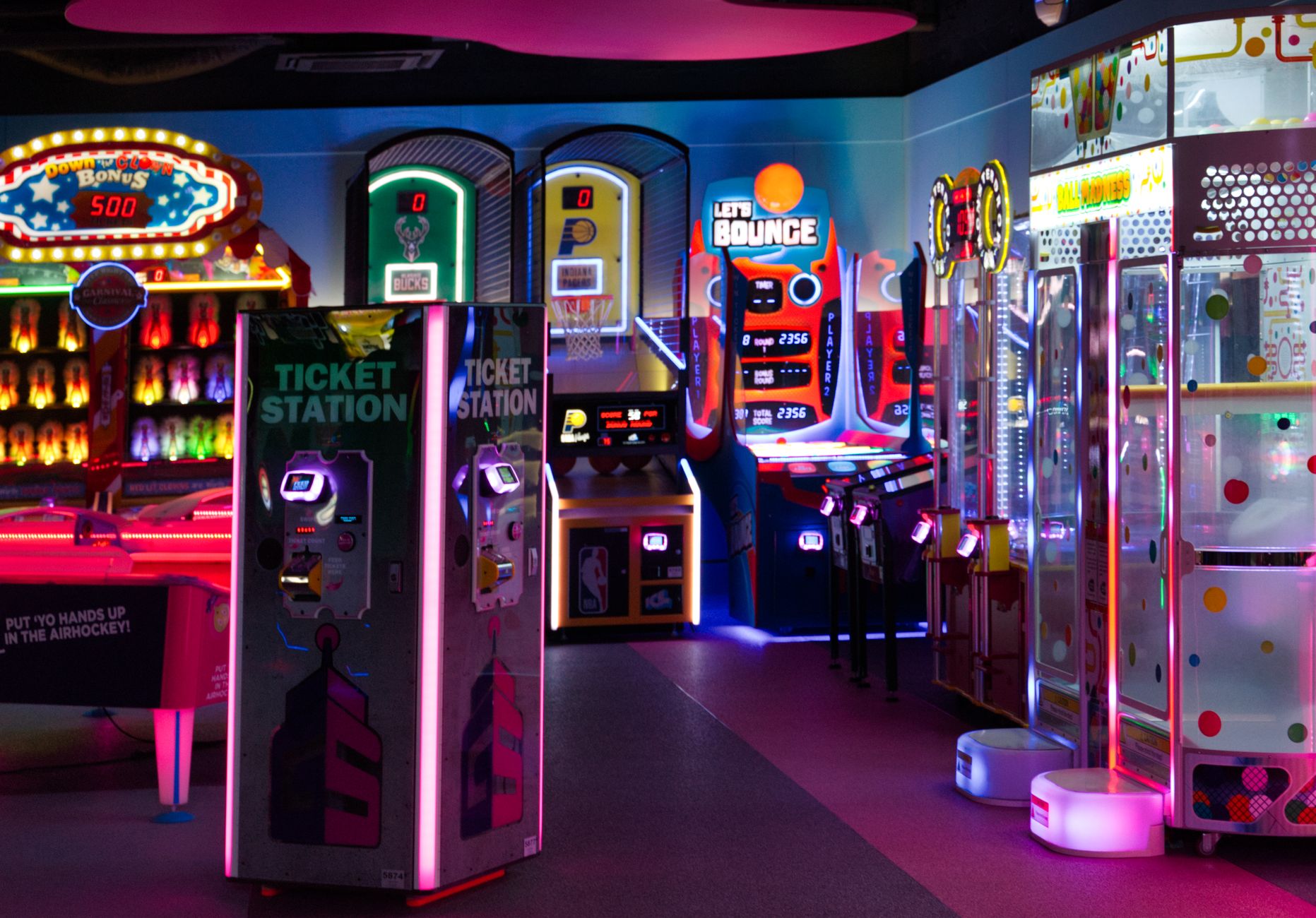
Modern family entertainment centers are not just one business, but several distinct operations under a single roof. A bowling alley, an arcade, a full-service restaurant, and a private event space each present unique operational challenges. When it comes to automation, this complexity is multiplied. The flooring, traffic patterns, and tasks are so varied that a single type of commercial robot is simply not enough.
The core of the problem is specialization. The autonomous floor scrubber that keeps a restaurant's luxury vinyl tile pristine would be destructive on a waxed bowling lane. The commercial carpet cleaning robot needed for a high-traffic arcade is ineffective against kitchen grease. Add food service robots to assist servers and autonomous patrol robots for overnight security, and an operator can quickly find themselves managing a disjointed collection of machines from different manufacturers.
This article addresses the specific challenge of deploying and managing a mixed fleet of robots in a complex entertainment venue. It outlines how to match the right robot to each zone and, most importantly, how to manage the entire fleet through a single partner to maintain operational sanity.
Why Can't One Type of Robot Handle Everything?
The idea of a single, all-purpose robot is appealing but unrealistic for a diverse facility. Each machine is engineered for a specific set of tasks and environments. An autonomous floor scrubber uses water, cleaning solutions, and abrasive brushes. These are perfect for deep cleaning hard surfaces but would cause irreversible damage to carpeted areas or specialized wood lanes.
An autonomous vacuum robot, conversely, is built to lift dust and debris from carpet fibers. It has no ability to mop up a spilled soda in the dining room or degrease the floor near the kitchen pass. Its mechanics are entirely different.
Beyond cleaning functions, different robots are needed for different jobs. A food runner robot is designed with trays and sensors to navigate a busy dining room, a task for which a floor cleaner is not equipped. A large facility coverage scrubber built for an open event space may be too large to navigate the tight confines of an arcade. True automation success comes from deploying specialized units where they can perform their intended function best.
How Should You Zone a Venue for a Robot Fleet?
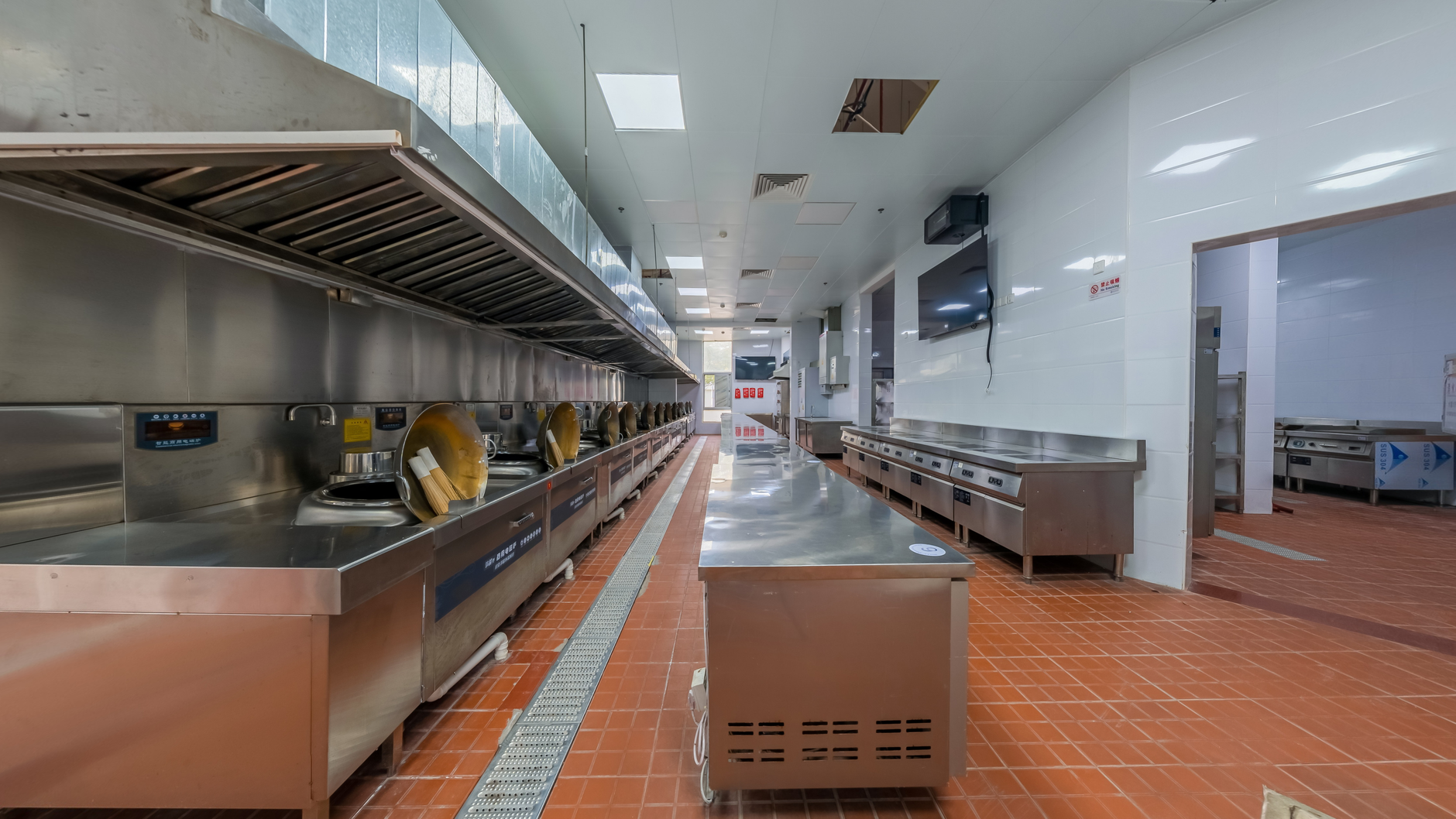
A successful deployment begins with dividing the venue into operational zones based on flooring, function, and traffic. Each zone gets a tailored robotic assignment.
A typical zoning plan might look like this:
- Restaurant and Bar: This zone requires an automated floor scrubber for daily, deep cleaning of tile or LVT floors. To support waitstaff during peak hours, this is also the ideal area for a food service robot rental, deploying a busser robot or food runner robot.
- Arcade and Common Areas: High-traffic carpeted zones like arcades are perfect candidates for an autonomous vacuum robot rental. These machines can work overnight to remove tracked-in dirt and food debris without disrupting guests.
- Bowling Concourse: The non-lane areas, including seating and walkways, often use a mix of carpet and hard flooring. This may require both a commercial carpet cleaning robot and a smaller autonomous scrubber. Lane maintenance itself remains a highly specialized task.
- Event and Banquet Space: The key here is rapid turnaround. A large-area industrial floor scrubbing robot allows staff to reset a large room for the next booking in a fraction of the time. This is a prime application for a floor scrubber monthly lease to manage costs.
- Entire Facility (After-Hours): An autonomous patrol robot can provide overnight security, monitoring the entire property for unexpected activity and providing digital reports for management.
What Happens When You Manage Multiple Robot Vendors?
Sourcing each robot directly from its manufacturer creates significant operational drag. The facility manager is left juggling multiple contracts, software interfaces, training protocols, and service numbers. When a vacuum from one company goes offline, it requires a different response than when a scrubber from another company has a sensor fault.
This multi-vendor approach places a heavy burden on staff. They must learn to operate and perform basic troubleshooting on several different systems. The management software for each brand is typically proprietary, meaning there is no single dashboard to view the status of the entire fleet. This fragmented system makes it difficult to get a clear picture of your automation's performance and ROI.
When problems arise, vendors may point fingers, leaving you to diagnose which piece of the puzzle is failing. This complexity undermines the very goal of automation, which is to make operations simpler and more efficient.
How Does a Robot Integrator Unify the Fleet?
This is where Service Robot Co. provides critical value. As a vendor-neutral robot integrator, we serve as the single point of contact for your entire automation program. We don't make the robots. we make the robots work for your specific business.
Our process begins with a free site assessment to map your facility's unique zones and challenges. We then select the best-performing machines from across the industry, choosing the right autonomous scrubber, server assistant robot, or security unit for each job. Because we are OEM-neutral, our recommendations are based only on what fits your needs and budget, not on a sales quota for a particular brand.
Service Robot Co. manages the whole lifecycle. We handle the financing, including flexible robot rental monthly programs, and oversee the entire turnkey robot deployment. Our nationwide network of US engineers provides all the mapping, training, and go-live support. When a unit needs maintenance, you have one partner and one number to call. We triage the issue and dispatch a technician to service any robot in your fleet, regardless of the manufacturer.
Which Financial Models Make Sense for a Robot Fleet?
Acquiring a diverse fleet doesn't have to mean a massive capital expense. Several modern financial models make automation accessible, even for businesses that prefer to keep capital free for other investments.
Robot leasing for business is a popular option, spreading the cost over time with predictable monthly payments. This often includes service and maintenance plans, turning an unpredictable repair budget into a fixed operational line item.
Even more flexible is the Robot as a Service, or RaaS, model. A RaaS monthly subscription is an all-inclusive program where you pay for the robotic service, not the machine itself. Service Robot Co. often recommends this approach because it includes deployment, training, maintenance, and even replacement units with no upfront capital. This allows a venue to scale its fleet up or down as business needs change.
What Does a Successfully Automated Venue Look Like?
With a unified and managed fleet, the entertainment center operates with greater efficiency and consistency. The overnight cleaning is handled by a team of autonomous floor scrubbers and vacuums, ensuring every surface is pristine when the doors open. Staff arrive to focus on guest readiness, not remedial cleaning.
During peak dining hours, food runner robots navigate the busy floor, delivering orders promptly and allowing human servers to spend more time with guests, improving service quality and table turn times. The persistent labor shortages that challenge the hospitality industry become more manageable.
Behind the scenes, the facility manager can see the status, productivity, and maintenance schedule for every robot on one fleet management dashboard. Instead of operational chaos, there is centralized control. The result is a cleaner, safer, and more efficient venue where technology supports human staff, leading to a better experience for every guest.