Key takeaways
- AMR navigation relies on either LiDAR (lasers) or vision (cameras) to map and navigate a facility.
- LiDAR offers high precision and reliability in varied light, while vision is lower cost and captures rich visual data.
- Payload capacity defines what an AMR can carry, and must be matched to the specific materials being transported.
- Choosing the right mapping and payload requires a detailed analysis of your specific operational environment and workflow.
- A vendor-neutral integrator can select the best-fit robot from any manufacturer, ensuring optimal performance for your unique needs.
Understanding the Building Blocks of AMR Performance
Autonomous Mobile Robots (AMRs) are transforming how materials move through warehouses, factories, and distribution centers. But not all AMRs are created equal. When evaluating automation for your facility, two technical specifications are paramount: the mapping technology the robot uses to see its environment, and the payload capacity that defines what it can carry.
These two features dictate where a robot can operate, what tasks it can perform, and ultimately, how effective it will be in your operation. Choosing incorrectly can lead to inefficient routes, an inability to handle your inventory, and a frustratingly low return on investment. This guide breaks down these core capabilities in a practical way.
We will explore the differences between the two primary mapping technologies, LiDAR and vision-based systems, and explain what payload capacity means for real-world material handling. Understanding these fundamentals is the first step toward successful automation.
What is LiDAR-Based Mapping?
LiDAR, which stands for Light Detection and Ranging, is a method that uses laser beams to measure distances. A sensor on the AMR emits pulses of laser light and measures how long it takes for the light to reflect off objects and return. This creates a detailed, three-dimensional point cloud of the environment.
This approach is known for its high degree of accuracy and reliability. Because LiDAR provides its own light source, it performs exceptionally well in environments with inconsistent lighting, from brightly lit areas to complete darkness. This makes it a robust choice for 24/7 operations where lighting conditions change.
However, LiDAR does have limitations. The technology can be more expensive than camera-based systems. Furthermore, certain environmental factors can pose a challenge. Highly reflective surfaces like mirrors or polished metal can sometimes distort the laser's readings, and transparent surfaces like glass can be difficult to detect.
What is Vision-Based Mapping?
Vision-based navigation, often called Visual SLAM or vSLAM, uses cameras as its primary sensor. Much like human eyes, these cameras capture visual data from the environment. Advanced algorithms then identify distinct features-such as the corner of a rack, a doorway, or markings on the wall-and use them as points of reference to calculate the robot's position and build a map.
The main advantage of vision-based systems is their lower cost and their ability to capture rich, detailed information that a laser cannot, such as colors and textures. This can aid in object recognition and provide a deeper level of environmental understanding.
The primary challenge for vision-based AMRs is a dependency on consistent and adequate lighting. Sudden, dramatic changes in light, such as a bay door opening on a sunny day or a section of lights being turned off, can make it difficult for the system to recognize its surroundings. It may also struggle in environments that lack distinct visual features, like a long, uniform hallway.
Which Mapping Technology is Right for Your Operations?
The choice between LiDAR and vision-based mapping depends entirely on your specific environment and operational needs. There is no single "best" option; only the best fit for your facility.
Consider the following factors:
A warehouse with many windows and variable natural light, or a factory that runs shifts in full light and others in dim security lighting, would likely benefit from the reliability of LiDAR. Conversely, a climate-controlled, consistently lit facility without many reflective surfaces might be an ideal candidate for a more cost-effective vision-based AMR fleet.
This decision is a critical part of any automation project. It requires a detailed site assessment to identify potential environmental challenges and ensure the selected robot's technology is a match for the conditions it will face every day.
- LiDAR is often preferred for: Facilities with highly variable lighting, 24/7 operations, and environments where maximum precision is critical.
- Vision-based mapping is a strong choice for: Cost-sensitive applications, environments with consistent, predictable lighting, and situations where visual context can aid navigation.
What is AMR Payload Capacity?
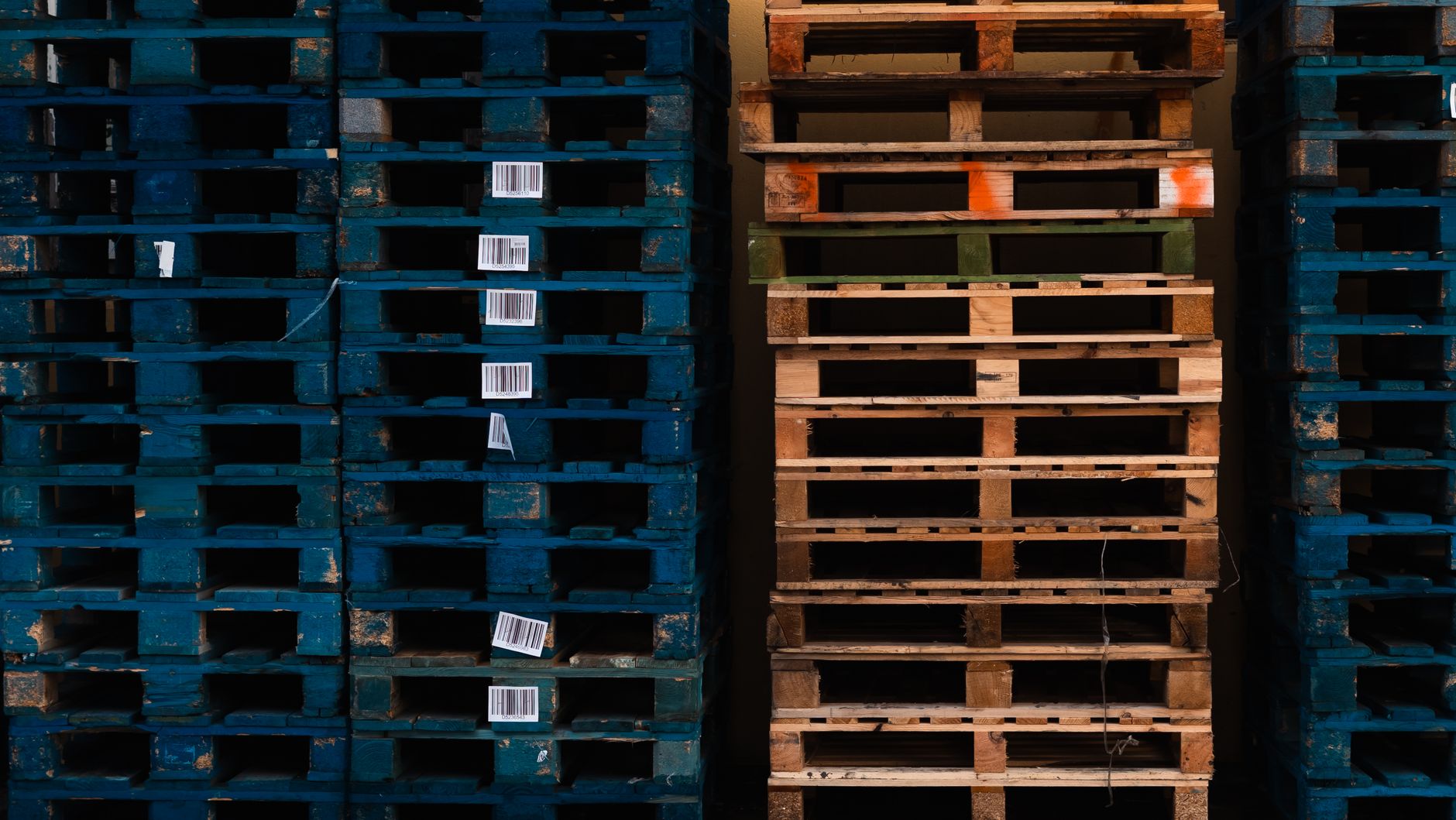
Beyond navigation, an AMR's most fundamental specification is its payload. This refers to the maximum weight of the goods it can carry or transport. Payloads can range from just a few kilograms for small parts delivery to several thousand kilograms for moving full pallets.
Payload is not just about weight. It also defines the method of transport. Different AMRs are engineered for specific tasks:
Matching the payload capacity and type to your materials is essential. An AMR designed to carry a 1,500 kg pallet cannot be repurposed to efficiently move small totes, and a light-duty robot will be unable to handle heavy industrial components.
- Carrying/Shelving AMRs: These robots slide under a mobile rack or cart and lift it for transport. They are common in goods-to-person picking operations and typically have capacities from 300 kg to over 1,000 kg.
- Tugger AMRs: These robots act like an autonomous train, pulling a series of carts behind them. This is efficient for moving multiple loads at once along a set route.
- Conveyor-Top AMRs: These robots have a powered conveyor belt on top, allowing for the automated transfer of boxes or totes to and from fixed conveyor systems.
- Pallet Truck & Forklift AMRs: These robots are designed to autonomously lift, transport, and place standard pallets, with capacities often exceeding 1,000 to 2,500 kg.
How to Match AMR Capabilities to Your Facility's Needs
Selecting the right AMR is a complex process that goes far beyond a data sheet. A robot with impressive specifications might fail completely if it is not suited to the nuances of your building and your workflow. This is where a vendor-neutral robot integrator becomes a vital partner.
At Service Robot Co., we are OEM-neutral. We do not represent a single manufacturer. Our process begins with a thorough site assessment and an analysis of your operational goals. We evaluate your lighting, floor conditions, aisle widths, and the specific size, weight, and type of materials you need to move.
Based on this deep understanding, we select the right robot from across the market, whether it needs the precision of LiDAR or the economy of vision, the strength of a pallet mover or the agility of a shelf-carrier. We focus on finding the robot that fits your job, not forcing a single brand into a role it was not designed for. This ensures you get a solution engineered for success in your unique environment.
One Partner for a Complete Automation Lifecycle
The right robot is only the beginning. A successful AMR fleet deployment requires expert integration, training, and ongoing support. The complexity multiplies when dealing with multiple vendors for different robots, software, and service contracts.
Service Robot Co. simplifies this by providing one point of contact for the entire lifecycle. After selecting the ideal hardware, our nationwide network of engineers handles deployment, site mapping, and integration with your existing systems. We provide comprehensive training for your staff to ensure they are comfortable working alongside their new robotic coworkers.
Crucially, we service every unit we deploy. With a single number to call, you have access to remote triage and on-site dispatch for any maintenance or repair needs. This one-partner approach for financing, deployment, and service eliminates the common headaches of automation and guarantees you have the support you need to maintain peak operational efficiency.