Key takeaways
- NFPA 101 expects monthly functional tests of at least 30 seconds and annual battery tests of at least 90 minutes on many emergency lighting systems.
- Vision on a mobile robot can flag dark indicators, damaged heads, and blocked fixtures before a human starts the test button sequence.
- Written records must stay available for the authority having jurisdiction, including location, date, pass or fail, and corrective action.
- Self-test luminaires still need monthly visual checks unless a computer-based system logs failures automatically.
- Service Robot Co. can map inspection routes and tie photo evidence to your compliance workflow without replacing the functional test itself.
What can mobile robots add to emergency-light rounds?
Facility teams still own the functional test. A mobile inspection robot adds a repeatable walk that photographs each fixture, reads indicator lamps where visible, and notes obstructions in the corridor before your technician presses test buttons or schedules the annual discharge.
The robot carries cameras and lighting suited to drop ceilings, stairwells, and back corridors where fixtures hide above pipes. It returns geotagged images and timestamps you can attach to the same location list you already use for monthly checks.
It does not replace the 30 second monthly function test or the 90 minute annual battery test on unit equipment. It narrows where humans spend time and documents conditions between those tests.
What does NFPA 101 require for testing and records?
NFPA 101 Section 7.9.3 calls for functional testing at 30-day intervals for not less than 30 seconds, and annual testing for not less than 90 minutes on battery-powered emergency lighting, with equipment fully operational for the full duration. Written records of visual inspections and tests shall be kept for inspection by the authority having jurisdiction.
Exit signs under Section 7.10.9 need visual inspection of illumination sources at intervals not to exceed 30 days, or periodic monitoring per the emergency lighting section when computer-based systems are used.
Self-testing equipment still demands monthly visual inspection to confirm no fault indicators are lit, plus the annual 90 minute functional test. Computer-based systems must provide test and failure history on demand.

What can computer vision pre-screen on a route?
A well-taught model can flag obvious dark indicator LEDs, missing lens covers, heavy dust on exit lettering, and carts parked directly under heads. It can compare today image to last month image at the same tag and highlight new glare or discoloration.
Vision struggles with hidden battery units inside ceilings and cannot prove a 90 minute runtime without the formal test. Treat CV output as a triage list, not a pass stamp on the compliance log.
Train on your actual paint colors and sign styles. Facilities that mix old incandescent heads with newer LED units need separate templates per family.
What still needs a human or built-in self test?
Monthly functional tests still need a person or an approved self-test cycle that disconnects normal power for at least 30 seconds. Annual 90 minute tests still need scheduled power removal or manufacturer self-test modes that meet the code duration.
Generator-backed egress lighting follows NFPA 110 style procedures on the upstream power system. Your robot walk does not satisfy generator load tests.
When a head fails during the robot pre-screen, a human still performs the corrective repair and re-runs the functional test before you close the record.
How should obstructions and fixture condition be logged?
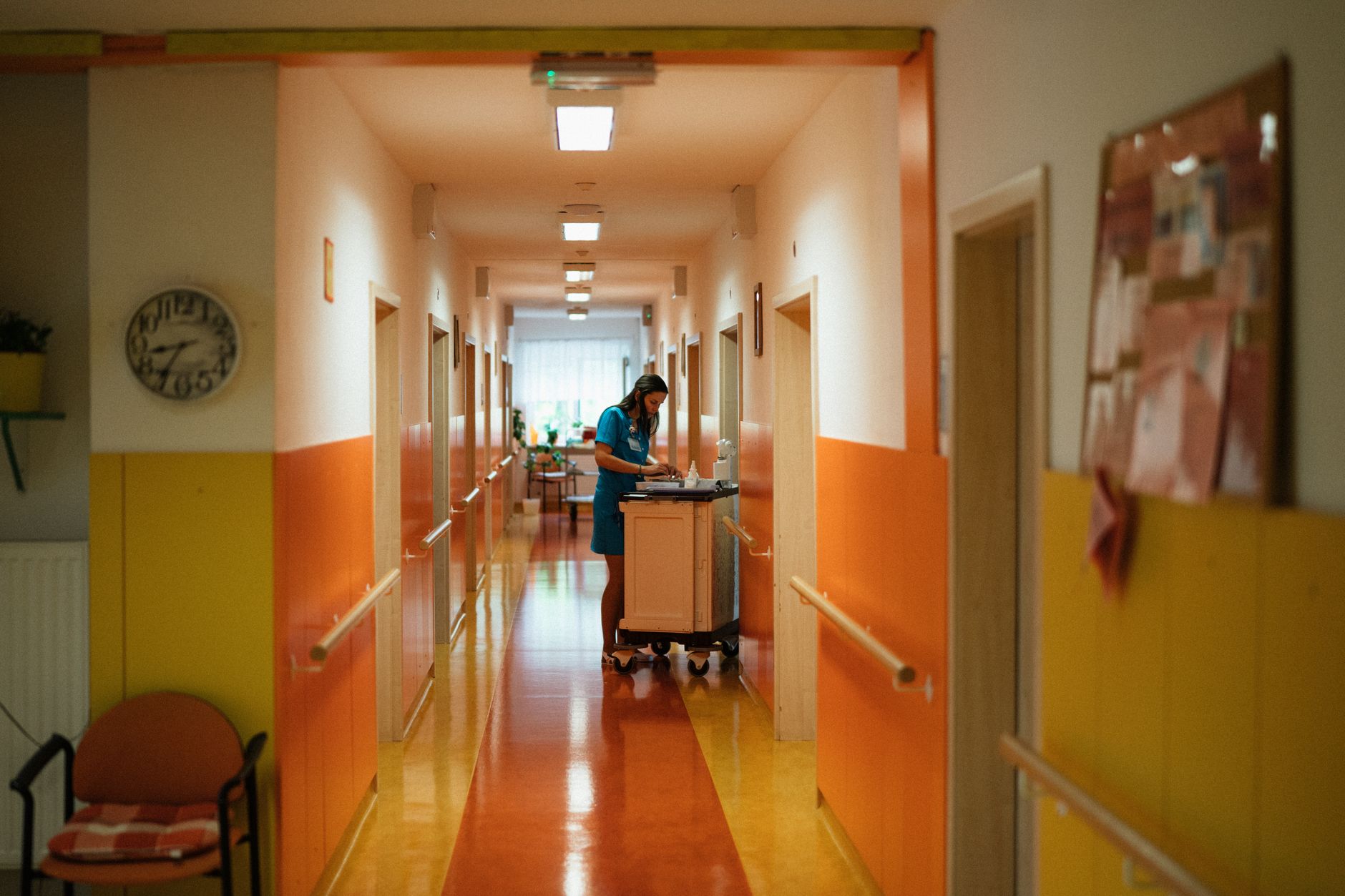
Capture wide corridor photos that show the exit sign, the path below, and any temporary storage. Link each capture to a fixture ID that matches your inventory spreadsheet or CMMS asset tag.
Note ceiling damage, open tiles, and sprinkler heads that spray residue onto lenses. Those photos help maintenance prioritize cleaning before the next official test window.
If a robot cannot reach a mezzanine or exterior stair, mark the gap in the route log so surveyors see a deliberate exclusion, not a missing fixture.
How do evidence files enter the compliance record?
Export a PDF or CSV bundle per round: fixture ID, GPS or floor plan coordinate, image URLs, CV flags, and technician sign-off after functional test. Store it beside the handwritten or CMMS entry the AHJ already expects.
Computer-based lighting systems may auto-log self tests. Your robot feed should reference the same fixture ID so auditors reconcile visual and functional results quickly.
Retention policies vary by state and surveyor. Keep at least the same horizon you use for fire alarm and extinguisher records unless local code sets a longer period.
What routes and charging fit multi-building campuses?
Split routes by occupancy wing or floor so a stalled robot does not miss an entire hospital tower. Dock in an electrical closet with Wi-Fi backhaul for upload before the next shift.
Stairwells need anti-slip wheels and good lighting mounts. Outdoor loading docks need weather-rated enclosures for the robot and the dock.
Night routes reduce pedestrian conflicts in retail and office towers. Hospitals may prefer low-traffic corridors between shift changes.
When is a mobile robot a poor fit?
Sites with a handful of heads scattered across miles of fence line may be faster with a tablet checklist and a truck route than a robot program.
Facilities that already run fully computer-monitored self-test networks may gain little from added visual capture unless surveyors demand photo proof of clearance.
If your inventory list is outdated, fix the fixture register before you automate walks. Robots amplify a bad map.
How should teams pilot robot-assisted rounds?
Pick one floor with mixed exit signs and emergency heads, run two manual baselines, then two robot-assisted rounds. Compare time to close findings and photo completeness.
Service Robot Co. offers vendor-neutral mobile inspection platforms with route mapping, integrator training, and nationwide service dispatch so you can prove evidence quality before you scale across buildings.
Scale when functional test logs and robot image packets reconcile without duplicate data entry.
What belongs on a pre-survey checklist?
Fixture inventory matches floor plans and barcodes on each head.
Robot route covers every required sign with no blind stairs omitted.
Sample packet shows side-by-side functional test record and image set for one failed and one passed fixture.