Key takeaways
- Colorado Potato Administrative Committee data cite more than two billion pounds of potatoes shipped from the San Luis Valley each year.
- Monte Vista Potato Growers reports on the order of 80 million pounds moved through its warehouse co-op annually.
- BLS annual county estimates put Rio Grande County unemployment at 5.1 percent in 2024.
- Mapped after-hours scrub routes protect sealed entries before the next grading shift starts.
- Month to month commercial robot rental terms let you match scrub nights to harvest traffic.
Who needs overnight scrubbing when Monte Vista harvest traffic peaks?
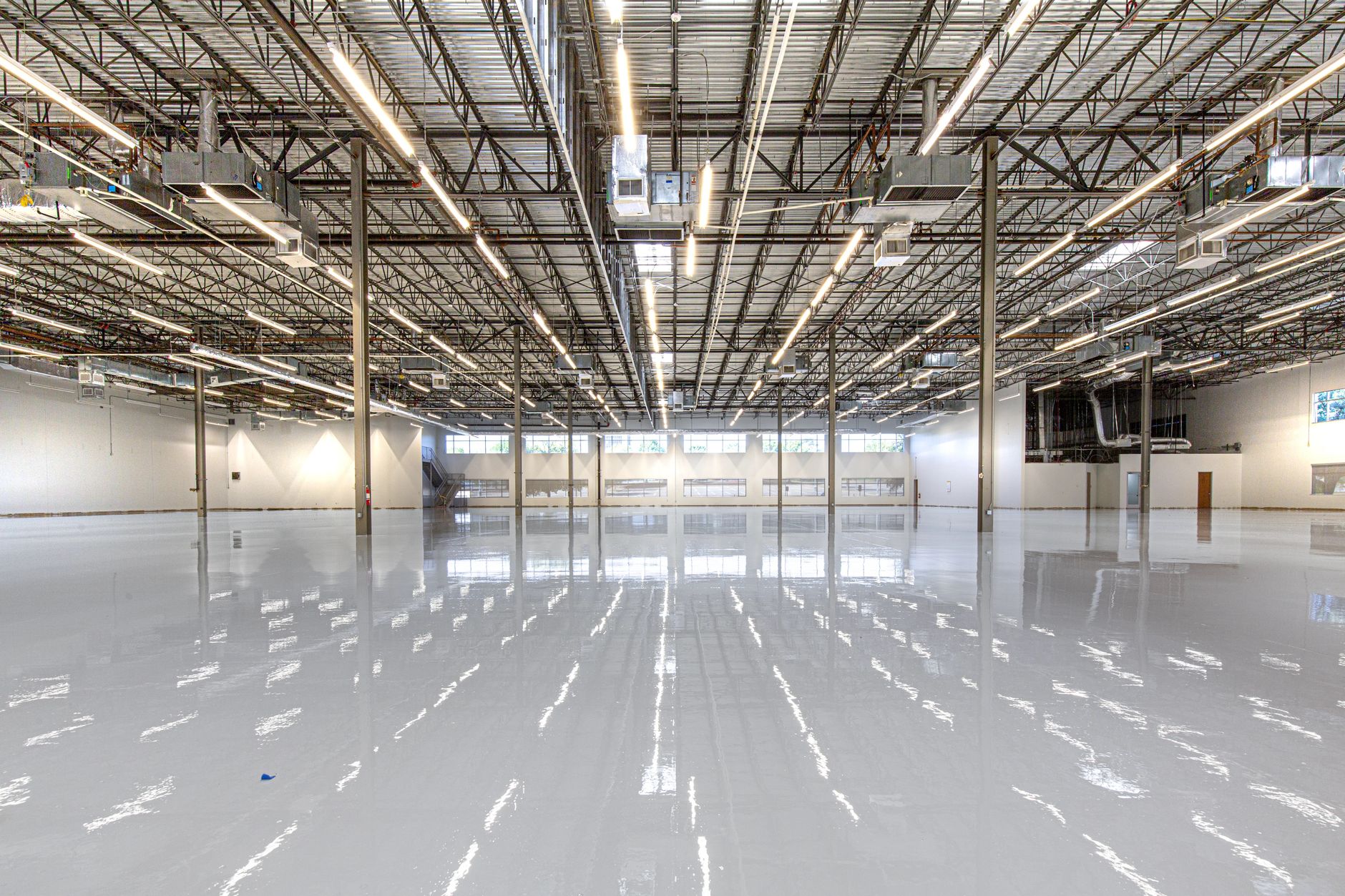
Monte Vista sits in the heart of the San Luis Valley potato belt. When grading lines run hard, sealed concrete in packing sheds, cold-storage thresholds, and dock approaches collect starch film, soil, and moisture faster than a daytime mop crew can reset them.
The Colorado Potato Administrative Committee, based in Monte Vista, reports that Colorado growers ship more than two billion pounds of potatoes per year from the valley. That volume concentrates fork traffic into a short calendar window.
Autonomous floor scrubbers are built for exactly that pattern: repeatable hard-floor loops after the last pallet moves, with no operator riding the machine all night. Service Robot Co. selects OEM-neutral units, finances them on monthly rental or lease terms, maps the space, trains your leads, and services through a nationwide network of regional service engineers.
Why do grading bays get dirty faster than the posted cleaning schedule?
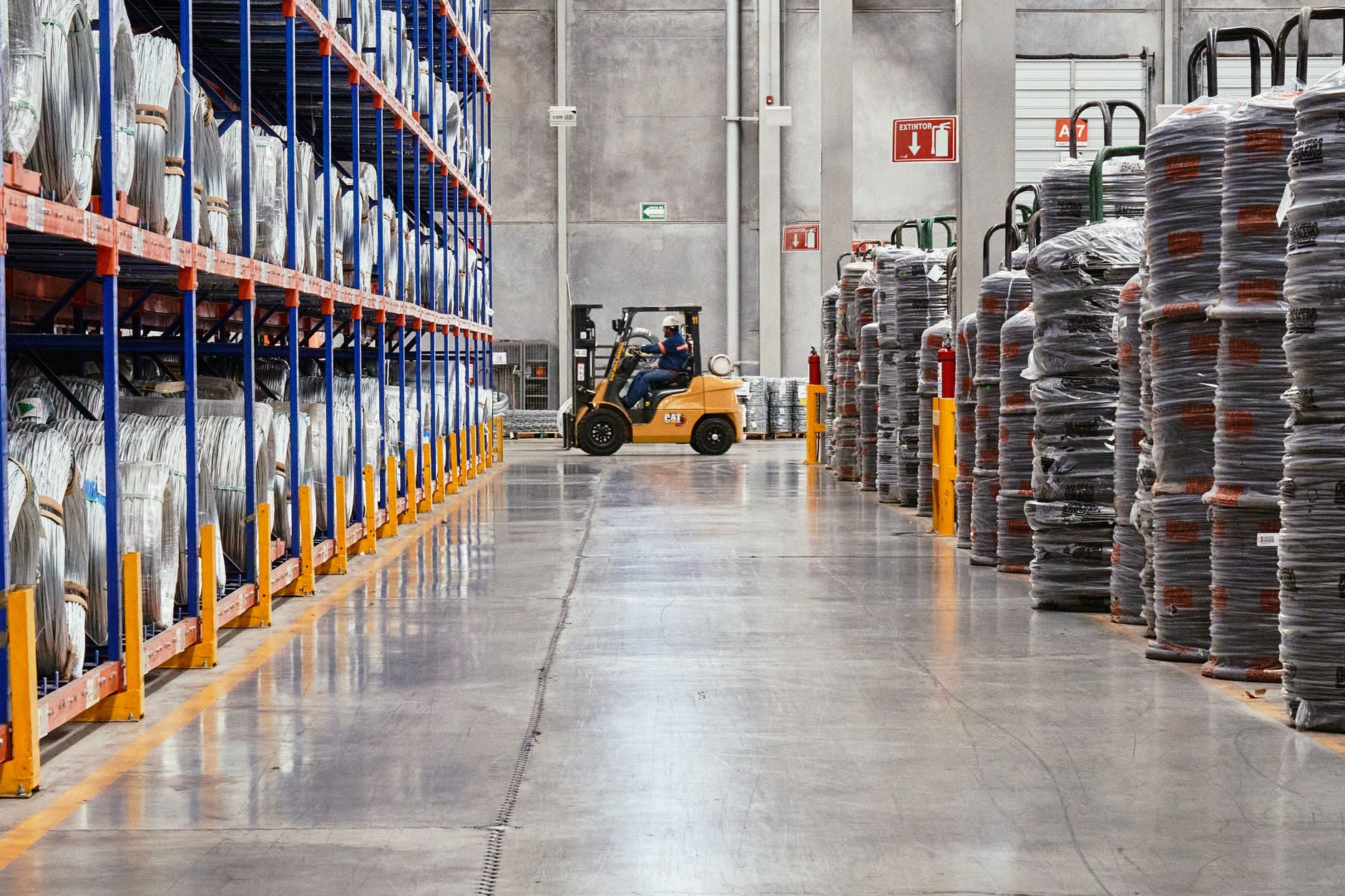
Potato handling is dusty work. Even with good housekeeping, fine particles ride in on tires, boots, and pallet jacks. On epoxy or sealed concrete, that mix polishes into a slippery film if it is not scrubbed on a schedule tied to production, not the calendar.
Monte Vista Potato Growers notes that its co-op warehouse runs on the order of 80 million pounds yearly, with daily sack volumes in the thousands during the run. Each load adds grit at entries where forklifts pivot and where graders stage product.
Manual crews often lose the race during peak weeks because the same people are pulled to breakdown, sanitation checks, and shipping paperwork. A mapped scrubber owns the aisle loop while humans focus on corners, drains, and food-safety touch points the robot cannot reach.

What does the local labor market mean for overnight floor crews?
Rio Grande County is not a metro with a deep bench of spare janitorial staff. The U.S. Bureau of Labor Statistics reports a 5.1 percent unemployment rate for the county in 2024, via FRED series LAUCN081050000000003A. Tight hiring makes it hard to add a second overnight porter team for six weeks of harvest.
Data USA lists about 320 Monte Vista residents working in educational services in 2024, with public administration and professional services also ranking high. Schools, county offices, and farm services compete for the same part-time workers restaurants and warehouses want after close.
Commercial robot rental with maintenance included lets you buy capacity for the harvest window without a permanent headcount line item. When traffic slows, you scale routes down or pause the lease instead of carrying empty shifts.
Where should mapped scrub routes start in a packing or cold-storage layout?
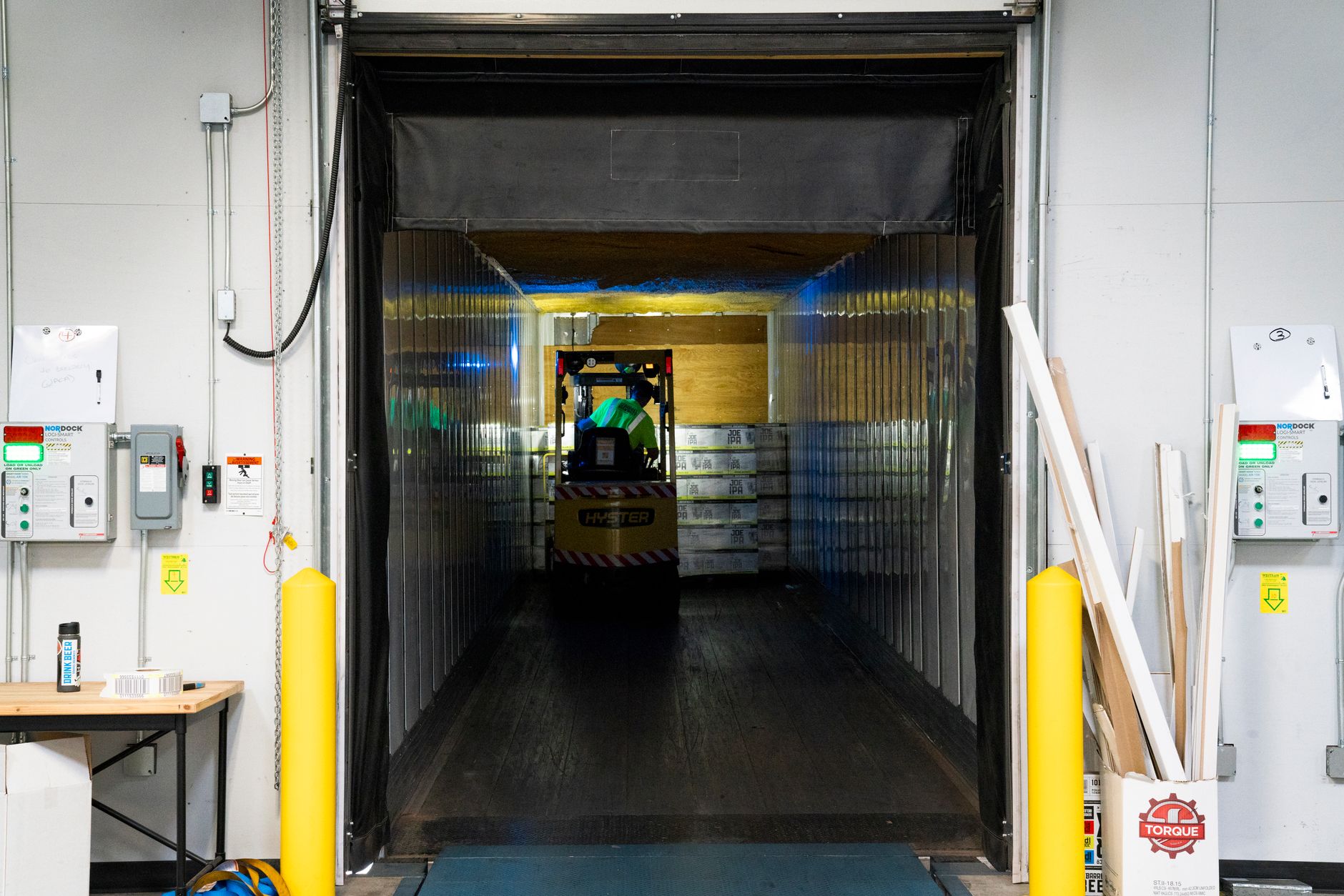
Start where damage shows up first: the dock plate, the first fifty feet inside the door, and the lane forklifts use when they spin between storage and grading. Those zones see the highest combination of moisture and abrasion.
Cold-storage entries need routes that respect door cycles and floor joints. Map transitions slowly, mark keep-out zones around floor scales and drain grates, and keep chargers in a dry corner away from washdown overspray.
Monte Vista Chamber materials note valley precipitation near five to seven inches per year and irrigation-driven crops. Dry wind can help floors dry, but it also spreads dust into lobbies and break rooms if entries are not scrubbed on a tight loop.
- Map the highest fork-traffic lane before you add secondary aisles
- Keep robots on sealed hard surfaces, not loose gravel aprons
- Stage water fill and dump points where hoses already run
- Train one lead to start, pause, and refill without calling a supervisor off the line
How do monthly rental terms align with potato run weeks?
Harvest cash flow is lumpy. Monthly payment programs and month to month robot lease options let you match scrubber capacity to the weeks sacks are moving, not to January when lines may be quiet.
A vendor neutral robot integrator can pair a scrubber with delivery or patrol units later if you expand indoors, but the first win is usually a single autonomous scrubber on a night shift autonomous scrubber schedule.
Pilot programs and try before you buy demos make sense here: run one bay for two heavy weeks, review water usage and pad wear, then decide whether to add a second route across the dock.
What does a one-bay pilot look like in practice?
Pick the aisle that costs you the most slip complaints or the most rework from QA walk-throughs. Lidar map it after a normal production day so the route reflects real pallet positions, not an empty floor.
Run three consecutive nights and photograph the same floor markers each morning. If grit returns by noon, the issue may be source control at the door, not scrubber coverage.
Service Robot Co. can provide go live support, remote triage, and on-site dispatch through its service plan when a brush or squeegee needs attention during peak. That matters when any downtime lands on the same calendar as truck appointments.
How do scrubbers sit alongside porters and contracted cleaners?
Robots do not replace your sanitation program. They take the repetitive scrub pass on wide hard floor so porters can detail drains, walls, and equipment bases.
Write the robot route into the master cleaning sheet as its own task code. When auditors ask who owns overnight floor care, the answer is a named machine with logs, not whoever was available that night.
If you already contract periodic deep cleans, shift those visits to tasks robots cannot do: high dusting, rack bases, and conveyor pits. Avoid double-paying for the same aisle scrub.
What should you verify before you sign a rental or lease?
Confirm pad type matches your sealed concrete or epoxy spec. Confirm water recovery meets your spill policy near stored product. Confirm the integrator will service the unit in Rio Grande County, not only ship a box.
Ask for a free site assessment that includes charger placement, doorway thresholds, and how the unit behaves when a forklift crosses the route mid-run.
Read the maintenance and emergency response terms. Harvest waits for no one. You want loaner coverage or fast parts if a squeegee fails on a Friday night load.