
Key takeaways
- Mud season concentrates grit at lodge entries before guest volume peaks.
- Colorado Ski Country USA reported 79 percent of ski areas had unfilled jobs in 2024-25.
- Mat zones and robot routes should be mapped together, not as separate projects.
- Quiet-hour scrubbing protects polished corridors when seasonal staff turns over.
- A short rental pilot validates chargers, slopes, and elevator thresholds before you scale.
What should a robotic mud season entry plan cover first?
Start with the doors guests actually use, not the floor plan on file. Lodge entries, skybridge connectors, pool decks, and parking-structure elevators collect meltwater, sand, and boot grit from March through May.
Your plan should name three layers: exterior mat capture, a short manual or ride-on touch for heavy mud days, and a mapped autonomous scrubber loop that runs after quiet hour.
If housekeeping rosters are thin, the robot carries the repeatable scrubbing while people focus on rooms, public restrooms, and surprise spills.
Document who owns snow-melt response versus robot scheduling. When those roles blur, mats get skipped and machines run over grit that dulls pads in a single night.
Why does mud season punish ski lodge entries?
Breckenridge Ski Resort lists a base elevation of 9,600 feet with long snowy winters. Snow melts during warm afternoons and refreezes overnight, so grit tracks inward on boots and wheels.
Condos and hotels often share the same pedestrian bridges and retail corridors. One sloppy entry stains the guest impression for the whole property.
Autonomous scrubbers excel on hard surfaces when routes are short, repeatable, and free of surprise obstacles. Entries fail when teams treat them like a generic hallway instead of a seasonal hazard zone.
How tight is seasonal hiring in Colorado ski country?
Colorado Ski Country USA told the Longmont Leader in October 2025 that 79 percent of ski areas had jobs that went unfilled in the 2024-25 season, despite wage increases and domestic recruiting.
The same interview noted that J-1 visa processing slowdowns could delay arrivals for the 2025-26 winter, which matters for housekeeping and guest services roles that many resorts backfill with international students.
Summit Daily reported that the National Ski Areas Association heard from Colorado resorts worried about longer vetting timelines ahead of the 2025-26 season. Fewer on-time arrivals mean existing staff absorb more turns on peak weekends.
The National Ski Areas Association told Summit Daily that Colorado employs, on average, 8,500 J-1 workers each year across ski areas, lodging, and other rural businesses. Any delay in that pipeline shows up first in public-area cleaning, not on the mountain.
How do you map meltwater-heavy zones?

Walk each entry during a warm afternoon and again after evening freeze. Photograph water trails, mat creep, and elevator threshold gaps.
Mark charger locations where cords will not cross guest paths. Note door sensors, air curtains, and narrow vestibules that force tight turns.
Split the map into zones: vestibule, main corridor, and back-of-house connector. Assign each zone a cleaning owner and a maximum acceptable dry time before opening.
- Vestibule: mats plus daily grit removal
- Corridor: autonomous scrubber loop
- Parking elevator lobbies: patrol or second scrubber pass
- Pool and spa entries: separate route to avoid chemical residue mix-ups
What belongs in a mat program before robots run?
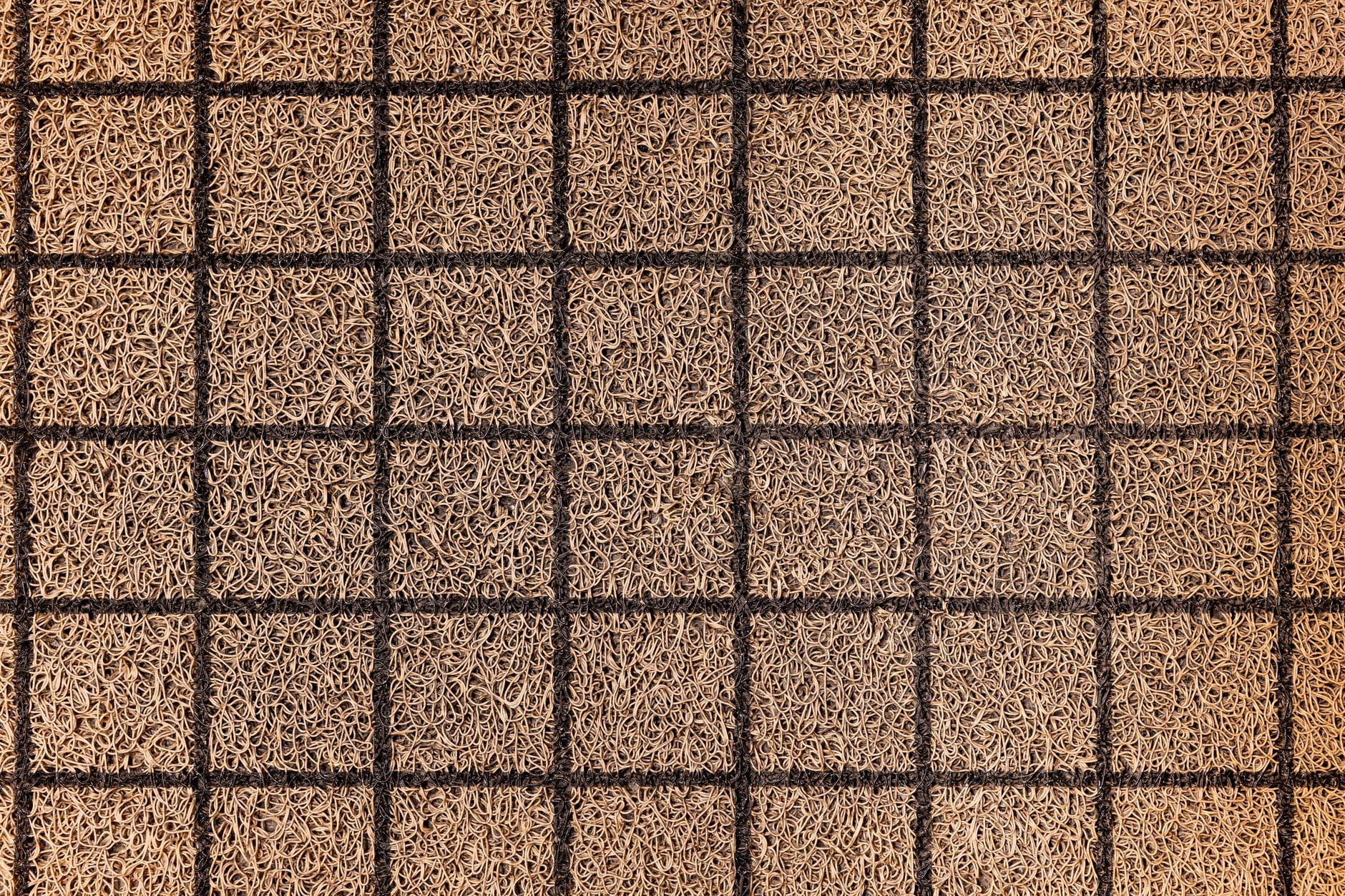
Mats are the first filter. Without them, scrubbers spend runtime grinding sand that should never reach the pad.
Use length, not width, as your metric. Industry guidance for snowy climates often recommends enough linear feet for two or three boot strikes before hard flooring.
Log mat vacuum frequency beside robot routes. When mats saturate, even a perfect scrubber route will look dull by breakfast.
Schedule a weekly joint walk with engineering and housekeeping leads during April. Threshold heaters, drain clogs, and broken mat anchors show up in that window long before summer events fill the calendar.
How big should a quiet-hour scrubber pilot be?
One machine on one loop is enough to learn mud season. Pick a single lodge wing or a retail block on Main Street with a closed kitchen corridor.
Run five nights, then review water pickup, edge lines, and guest complaints. Expand only after chargers, elevators, and thresholds are stable.
Service Robot Co. often stages vendor-neutral rentals so you can match pad type and squeegee setup to your stone or LVT before you commit to a lease.
Where should chargers sit at elevation?
Cold garages and unheated utility rooms slow battery recovery. Place chargers in heated back-of-house space with dedicated circuit capacity called out on your map.
Keep a drip path from meltwater away from electrical panels. Simple berms or raised platforms prevent puddles from reaching contacts after spring storms.
If your property spans multiple buildings, plan two micro-hubs instead of one central dock. Long pushes across icy courtyards waste runtime you need on entries.
If your property uses shared laundry or central plant humidity, note it on the robot map. Warm, moist air from back-of-house corridors can leave haze on stone that looks like poor scrubbing when it is really condensation.
When should parking structures get patrol support?
Parking decks collect sand, oil, and late-night noise complaints. A scrubber can handle flat lanes, but cameras on a patrol unit help when staffing is spread across condo clusters.
Pair a scrubber loop on P1 with a scheduled patrol pass on stair towers. The goal is consistent presence, not replacing human response to alarms.
Document which tasks stay human-only, such as assisting guests and handling incidents, so your team sees robots as coverage rather than replacement.
How do you keep staff aligned through turnover?
Beaver Run Resort and Conference Center reports about 150 year-round and 150 seasonal employees across more than 20 departments. Mid-winter turnover is normal, not exceptional.
Give every new housekeeping lead the same one-page route map and mat checklist. Tie robot start times to the property management system quiet-hour flag when possible.
When J-1 arrivals slip, shorten routes instead of skipping entries. A smaller perfect loop beats a sprawling partial clean that guests notice at sunrise.
What metrics prove the pilot worked?
Track slip-near-miss reports, guest comment tags mentioning wet floors, and the time your team spends on entry touch-ups before breakfast service.
Log robot runtime versus planned minutes. Shortfalls usually mean mat neglect, charger placement, or a threshold that needs a manual wedge until summer paving.
University of Colorado Boulder economist Richard Lewandowski told Breckenridge Town Council that Summit County employment peaks in winter and slows in summer, according to Summit Daily. Use that rhythm to tighten routes before mud season, not after complaints spike.
How does vendor-neutral integration shorten mud season risk?
Different stone, LVT, and coated concrete need different pad pressure and detergent policies. A partner that sources across manufacturers can match chemistry without locking you into one fleet.
Remote triage from a nationwide service network matters when a machine faults at 2 a.m. before a tour group arrives. You want one number that dispatches parts and software checks, not a hunt through OEM portals.
Service Robot Co. bundles site assessment, mapping, training, and rental conversion so property managers test entry loops while visa and housing headlines still point to a thin roster.