Key takeaways
- Gallery floors mix finishes, cords, and tight paths, so route fit matters more than maximum scrub width on a spec sheet.
- Quiet operation is a daytime decision: verify decibel levels beside live exhibits, not only in back corridors.
- A short pilot through a real changeover week beats guessing from a demo on an empty lobby.
- Buy or lease through financing only after drying time, cord covers, and staff handoffs are proven on your actual floor plan.
- One integrator can map, deploy, train, and service the unit so facilities staff stay focused on exhibits.
Why are gallery floors harder to clean than lobbies?
Museum gallery floors carry the same dust and scuff marks as any public building, but the stakes around them are different. Stanchions, bench legs, low platforms, and temporary walls shrink the path a machine can use without brushing an exhibit base. Many mid-size art and history museums also run mixed finishes in one loop: sealed concrete in a modern wing, stone tile in a rotunda, and carpet runners near sensitive displays.
Visitors notice sound and wet shine as much as they notice smudges. According to ADA guidance on accessible routes, many circulation paths are about 36 inches wide, with passing space needed where routes narrow. A scrubber that fits on paper can still feel intrusive if it stops mid-aisle during a school tour.
That is why facilities leaders ask about quiet cleaning robots for gallery floors specifically. They need repeatable overnight or low-traffic passes, not another mop bucket cycle that steals hours from exhibit prep.
How quiet does a cleaning robot need to be near open galleries?
There is no single decibel number that works for every hall, but you should treat sound like a exhibit neighbor, not a back-of-house detail. Vendor pages for museum-focused scrubbers often cite operation near or below 70 dBA for mopping modes, and many teams still schedule hard scrubbing after the last ticket is sold.
Run a daytime listening test where docents actually work. Stand at the distance a guest would pause to read a label, then start a slow pass on the real floor finish. If conversation feels strained, move that route to early morning or between timed entry blocks.
Drying time is part of the noise conversation too. OSHA expects walking surfaces to be kept clean and, where feasible, dry. A glossy wet stripe across a dark gallery floor reads as a hazard long after the machine has left the room.
Can robots clean galleries while visitors are inside?
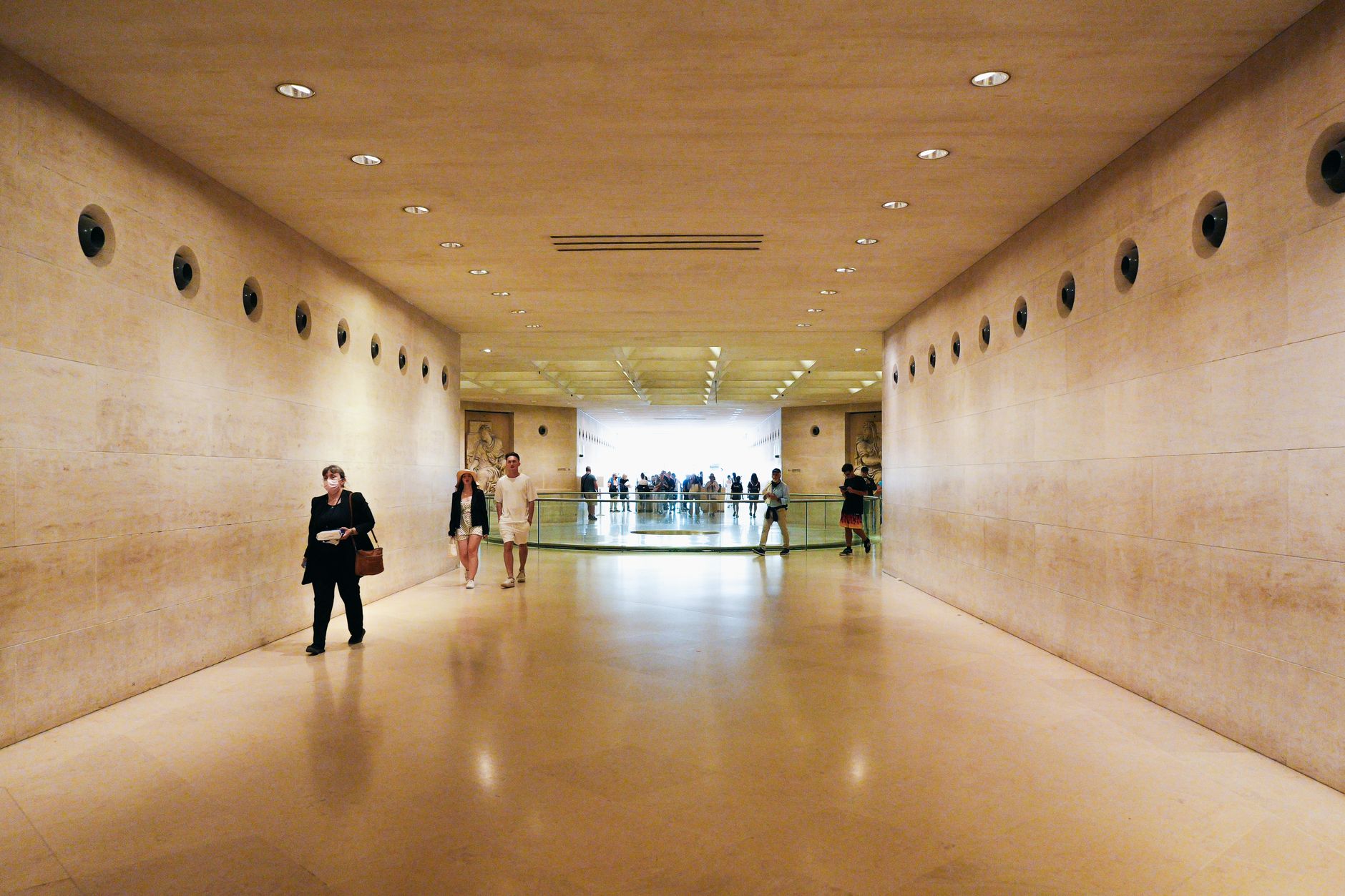
Sometimes, but only after the route is boringly predictable. In July 2025 the DFW Car and Toy Museum in Fort Worth, Texas, publicized its use of an autonomous Tennant scrubber on large high-traffic exhibit floors, with staff reporting quick training and daily runs that freed the small team for curation work. That property is not a quiet painting gallery, yet it shows the pattern many cultural sites want: daytime autonomy where crowds are steady and the machine has wide aisles.
Smaller painting and artifact galleries more often split the week. Use autonomous passes in loading corridors, ticket areas, and education wings during open hours, then schedule gallery rooms after close or during exhibit changeover when stanchions move.
If your museum hosts evening rentals or member events, build the robot schedule around those calendars the same way you would for manual crews. A machine that surprises a caterer at 9 p.m. creates the same complaint a mop would.
What should you map before the first autonomous pass?
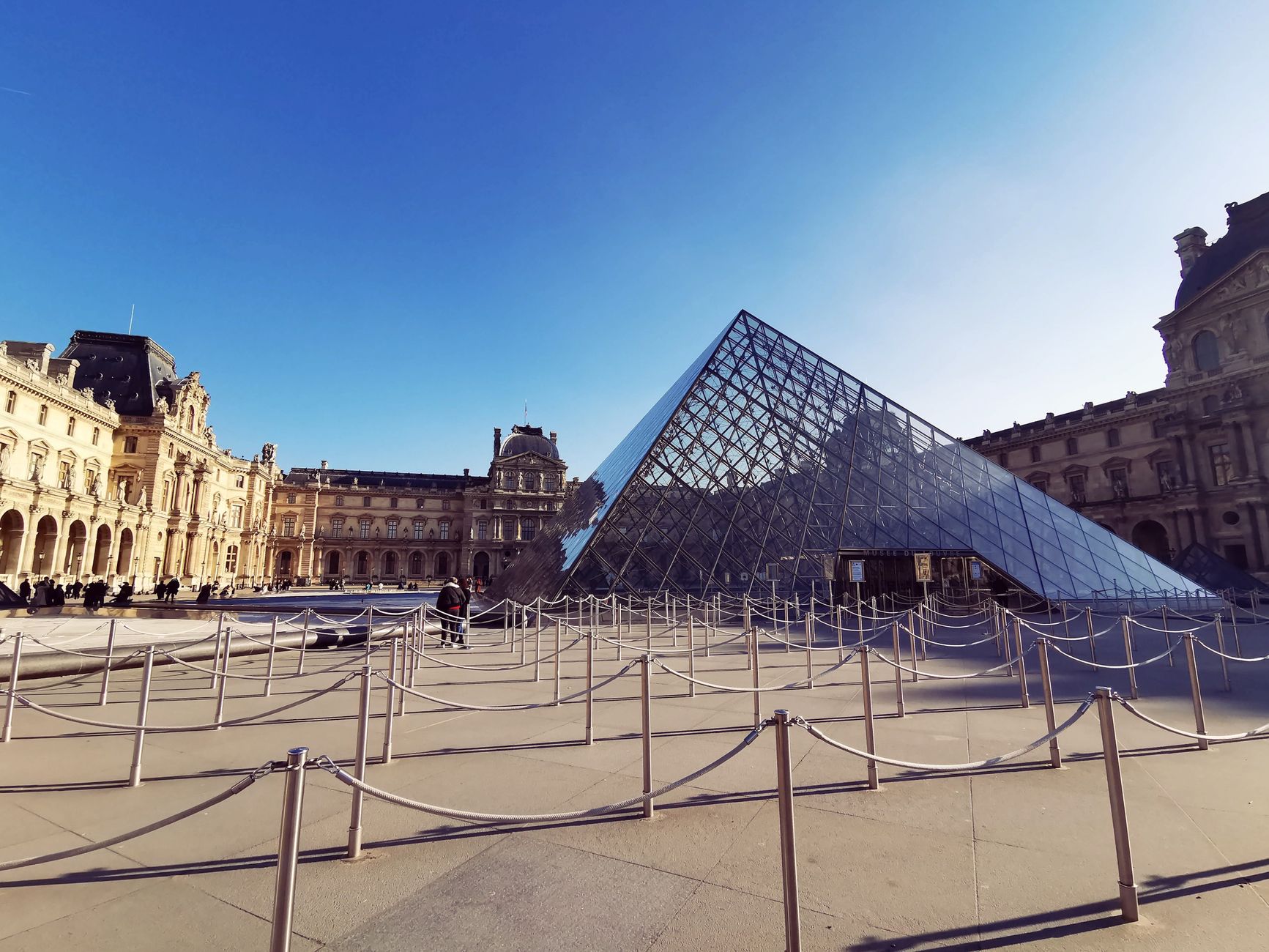
Start with a walk-through that treats every temporary object as permanent until proven otherwise. Mark stanchion bases, bench feet, media kiosks, and cable covers that cross aisles during a popular show. Note where floor color changes, because brush pressure and water flow settings often shift at those joints.
Elevators and single-door transitions matter for multi-floor museums even when this article focuses on gallery rooms. If you later expand routes, you want the first floor map to use naming your integrator can extend without rebuilding from scratch.
Photograph cord covers and threshold plates. Those small rises are where brushes stall or where a machine leaves a skipped stripe that staff end up hand detailing anyway.
- Measure narrowest public path width during a fully installed exhibit, not an empty room.
- List floor types per room and note where rugs or runners are removed during changeover.
- Record hours when docents need silence for tours or audio pieces.
- Flag rooms with floor-mounted cases that never move between shows.
What belongs in a two-week gallery pilot?
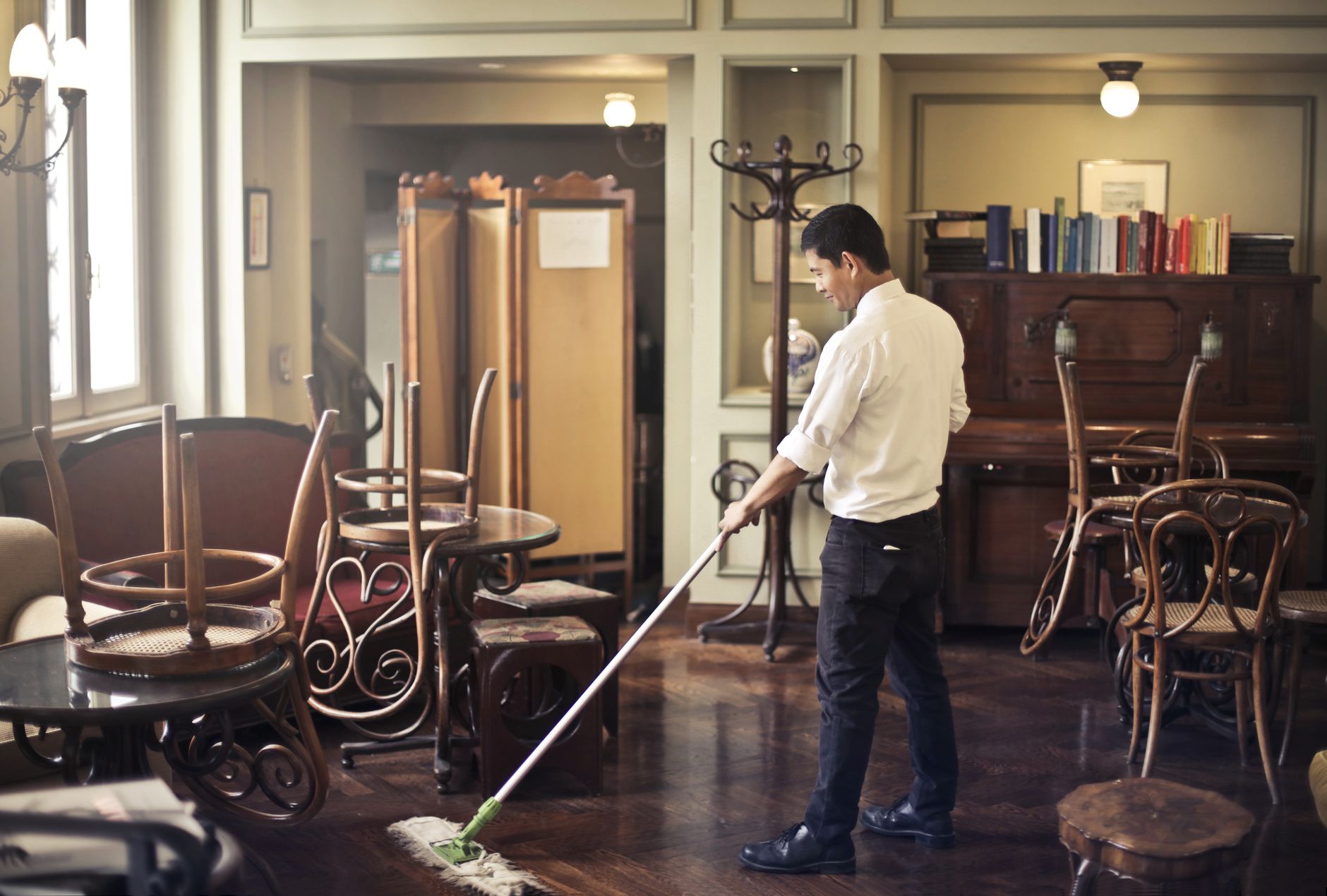
A pilot should be long enough to include a weekend day, one school group morning, and at least one weather event that tracks in extra grit. Service Robot Co. and other integrators often recommend that rhythm because it surfaces drying problems and cord conflicts you will not see on a Tuesday night test.
During the pilot, track three operational numbers your team already understands: how many staff hours floor care took before, how many touch-up details were needed after the robot pass, and how many guest comments mentioned noise or wet floors. You do not need a fancy dashboard. A shared log in facilities is enough.
End the pilot with a go/no-go meeting that includes security and front-of-house, not only maintenance. Gallery staff often hear complaints first, and their buy-in keeps routes stable after the integrator leaves.
What should you ask before you buy or lease?
Ask for recovery behavior when a visitor steps in front of the machine, how water volume adjusts on low-porosity stone, and how quickly a technician can reach your city if a drive wheel fails on a Friday opening night. Those answers matter more than a brochure photo of a spotless atrium.
Financing and outright purchase both stay on the table for cultural sites. Phrase budgets as buy or lease paths with a written service plan, not vague promises that maintenance is bundled forever. RoboCare-style coverage should spell out response steps without inventing headcounts.
Service Robot Co. acts as an OEM-neutral integrator: we match scrubber type to your floor mix, finance the unit, map routes with your staff, train operators, and stay on call through regional engineers. That single-vendor model keeps exhibit teams from juggling a robot OEM, a local dealer, and a separate service ticket line during a busy install week.
Where do quiet scrubbers fit in the wider museum cleaning plan?
Autonomous scrubbers rarely replace every task. Detail work around pedestals, fabric surfaces, and glass still belongs to trained custodians. The win is reclaiming long, repetitive loops so those specialists spend time where human judgment is required.
Pair robot schedules with mat programs at entries during rainy weeks, and keep a small stock of cord covers rated for scrubber wheels if traveling shows add temporary power runs. Those low-tech items prevent high-tech routes from failing on opening night.
When the pilot succeeds, expand one wing at a time. Museums that try to automate every gallery in week one usually fight stanchion churn; museums that grow route libraries after each exhibit install keep both cleanliness and curator sanity intact.