Key takeaways
- Brewery taprooms usually need a compact autonomous scrubber, not a large warehouse-style machine.
- Sticky sugar film needs repeatable agitation and the right pad, while sanitizer chemistry must follow food-service rules and product labels.
- Movable chairs, stools, and late bar resets matter as much as robot specs when you plan overnight floor care.
- For small operators, a service robot rental or robot as a service plan with maintenance included usually lowers risk more than a self-supported purchase.
What actually works after the taps close?
For most microbrewery taprooms, the right night cleaning robot is a compact autonomous floor scrubber with enough down pressure to break loose dried beer sugars, a pad or brush that will not haze decorative finishes, and a route simple enough to run after chairs are staged and the last mop-up at the bar is done. Small operators usually get better results from a machine built for tight hospitality footprints than from a larger unit sized for warehouse cleaning robot rental or large facility coverage.
That recommendation is not academic. According to the Brewers Association, the United States had 3,936 taproom breweries and 9,796 operating craft breweries in 2024, so the taproom format is now a major slice of the market. Those businesses live or die on guest experience. A floor that still feels tacky at opening, or one left too wet before first pour, is not a back-of-house nuisance. It is a front-of-house problem.
The short version is this. Pick a smaller robot that can turn around communal tables and bar stools, favor moderate to higher scrub aggression over raw tank size, keep chemistry simple and label-correct, and buy a service model that includes remote triage and fast field support. In a taproom, uptime and recovery before opening matter more than theoretical square footage per hour.
- Best fit: compact commercial cleaning robot rental or floor scrubber monthly lease sized for hospitality aisles and movable seating
- Best cleaning approach: one deliberate overnight pass after furniture staging, with a second spot pass near the bar, taps, and condiment zones when needed
- Best ownership model for small operators: robot leasing for business or robot as a service with maintenance included and on-site dispatch
Why do brewery taprooms foul floors differently from standard restaurants?
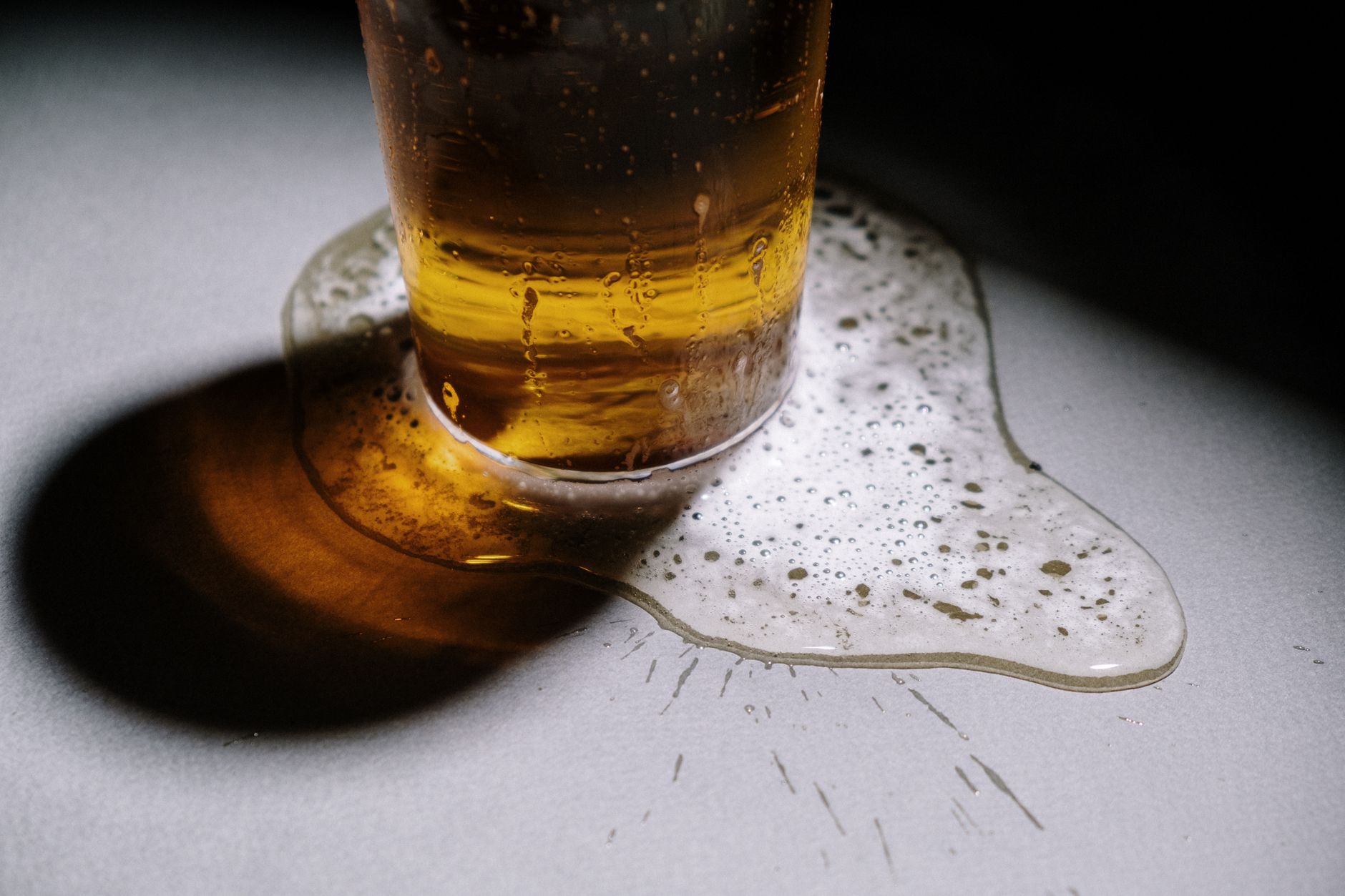
A taproom floor picks up a peculiar mix. There is sugar residue from beer drips and sloshed tasters, yeast and protein carryover near taps, tracked-in grit from patios and loading-side entrances, and often a decorative sealed concrete or epoxy floor that shows every streak. The result is not just dirt. It is a thin, grabby film that traps dust and makes the next spill harder to clean.
Worker safety guidance points the same way. OSHA requires floors to be kept clean and, to the extent feasible, dry, and it says that when wet processes are used, drainage and dry standing places should be provided. In accommodation and food services, the injury rate was 2.6 cases per 100 full-time workers in 2024, according to the U.S. Bureau of Labor Statistics, and falls, slips, and trips remain one of the most persistent categories across private industry.
That matters when owners assume any robotic floor cleaning machine that works in a retail aisle will work in a beer hall. It may not. Taprooms usually have heavier point-source residue near the bar, more chair legs and stool bases than a quick-service restaurant, and a tighter overnight turnover window before morning deliveries, brewing work, or brunch service starts.
- Sticky residue is concentrated, not evenly distributed
- Outdoor grit from patios can turn sugary film into an abrasive paste
- Floor appearance matters because guests stand, queue, and look directly at the surface
- Open-close turnover windows are short, especially on weekends and event nights
How small should the robot be?
In most taprooms, smaller is safer and more productive. A robot that looks undersized on paper often finishes more real work because it can reach between two-top clusters, swing around stool rings, and recover edges near the bar face instead of leaving islands for staff to hand-finish. If the machine needs a wide, uninterrupted path to make sense, it is probably too large for the room you actually clean at 1 a.m.
Look first at clear path width, turning behavior, and recovery around furniture feet. The common taproom failure is not battery life. It is stranded dirty zones around movable seating and merch islands. A night shift autonomous scrubber that can clean 80 percent of the room autonomously and leave only a few corners for manual follow-up is usually better than a larger machine that misses the same high-visibility zones every night.
This is where an OEM-neutral, vendor neutral robot integrator matters. Service Robot Co. can compare several platforms against your actual floor plan, not just a brochure path width, and set up a commercial robot demo or pilot around your close-to-open routine. For a small hospitality site, the robot that fits your floor is the one that wins.
- Favor compact body size over maximum tank volume
- Check dock placement so charging does not block bar back routes or exit paths
- Map the route after the nightly chair stack pattern is standardized
- Treat patio thresholds and mats as part of the plan, even if the robot stays indoors
What scrub pressure and pad setup hold up on dried beer sugars?
Taprooms rarely need the most aggressive setting a machine can produce. They do need enough consistent pressure to break the sugar film before it turns into a polished, sticky sheen. In practice, that usually means a more assertive pad or brush choice and a slower travel speed in bar-adjacent zones, not a brute-force approach across the whole room.
If your floor is sealed concrete, polished concrete, LVT, or coated decorative slab, the wrong pad will solve one problem and create another. Too soft, and the film stays. Too aggressive, and you haze the finish or prematurely wear the topcoat. The better approach is to spec pressure around the hardest recurring soil, then tune pad material by floor finish and keep a separate spot protocol for mats, entry grit, and under-bar splash areas.
Beer residue is organic soil, which is why chemistry and mechanical agitation have to work together. The Brewers Association notes that caustic cleaners are effective at breaking down organic material, but that strength is exactly why floor-care chemistry in a public taproom needs tighter discipline than a generic degreasing routine. The recovery tank should smell like controlled cleaning, not like an experiment.
- Use moderate-to-firm agitation for dried sugars near the taps and pour line
- Slow the route slightly in bar aprons, self-serve water stations, and door approaches
- Match pad aggressiveness to floor finish, then keep that setup consistent for training and results
- Do not chase one-night shine with an abrasive setup that degrades the floor over a season
Which chemicals belong in the tank, and which do not?
Keep the chemistry boring. That is a compliment. In a hospitality space with drink service and guest glassware, the winning setup is usually a neutral or low-foam floor cleaner approved for the surface, with sanitizing or disinfecting steps reserved for the right areas and labels. CDC guidance is explicit that surfaces should be cleaned before they are sanitized or disinfected, and that the surface has to stay wet for the listed contact time. It also warns against mixing products.
The FDA Food Code is equally useful as a reality check. For food-contact sanitizing, chlorine and quaternary ammonium compounds have specific concentration and use rules, and quats must be used according to label directions and water-hardness limits. That does not mean you should flood a taproom floor robot with food-contact sanitizer as a catch-all. It means your chemical plan should separate floor cleaning from any food-contact sanitation steps at the bar, drip trays, and equipment-touch points.
For most taprooms, that leads to a simple stack: a floor-safe detergent in the robot, test strips and label-controlled sanitizer practices for food-contact work handled separately by staff, and a written rule that bleach, quats, and specialty line-cleaning chemistry never get improvised into the scrubber tank. If you want overnight cleaning no operator babysitting, simplicity is your friend.
- Use only floor chemicals approved for the machine and the floor finish
- Keep food-contact sanitation as a separate SOP from autonomous scrubbing
- Verify dilution with the product label and local food-service requirements
- Ventilate the space during chemical use and never mix cleaners
How should the nightly route be staged around chairs, stools, and bar resets?
A good route starts with labor choreography, not mapping software. If the closing crew leaves stools scattered and patio grit piled inside the vestibule, the robot inherits chaos. Standardize a furniture reset first. Chairs up or inverted. Bar stools nested consistently. Portable signs off the floor. Once that close routine is stable, mapping gets easier and outcomes get repeatable.
The best taproom routes are usually zoned. Run an early pass in public areas after guests clear, then a final pass after bartenders finish syrupy spill cleanup, glass collection, and under-counter wipe-downs. Entry areas may need a separate pattern because tracked-in debris is coarser than the residue around taps. That is why a one-pass marketing claim means very little in a real hospitality room.
If you are exploring autonomous floor scrubber rental, commercial floor cleaning robot rental, or a month to month robot lease, insist on route design that reflects your Friday night and event-night reality, not your quiet Tuesday. Taprooms are seasonal, weather-sensitive, and furniture-heavy. Your robot program has to be tuned to the messiest close, not the easiest one.
- Write a closing checklist that prepares the floor for the robot in under 10 minutes
- Separate entry grit zones from sticky beverage zones in the map
- Leave hand-cleaning tools ready for the small percentage of space no robot should chase
- Review route analytics weekly during the first month and after any layout change

What service model makes sense for a five-figure cleaning program?
Most small taproom operators are not trying to build an in-house robotics department. They want the floor handled before opening and they want one number to call when the unit stops, the map breaks after a furniture reset, or a squeegee wears out during festival week. That is why service robot rental, robot rental monthly, and floor scrubber monthly lease models tend to fit hospitality better than a bare equipment purchase.
The practical comparison is not lease rental or sale in the abstract. It is how much operational risk stays with you. A purchase can make sense if you already have maintenance staff, chemical discipline, and a second cleaning method ready when the unit is down. Many independent brewers do not. They need remote triage, emergency response nationwide, loaner units or a backup robot program, and someone else coordinating parts, training, and software updates.
Service Robot Co. is built for that operating reality. The company is a full-service commercial robot integrator for U.S. businesses, OEM-neutral across manufacturers, with financing, deployment, integration, training, and service through a nationwide engineer network. For an owner comparing robot financing for small business, no upfront capital options, or a robot as a service structure, that one-partner model usually matters more than shaving a little off the monthly line item and then managing the rest alone.
- Best fit for many independents: raas monthly subscription or commercial robot rental with maintenance included
- Ask about remote triage, on-site dispatch, spare unit coverage, and training refreshers
- Prefer no long term contract only if the route is still being proven or the taproom layout changes often
- Make sure the agreement covers consumables, software updates, and re-mapping after floorplan changes
What should a small operator decide before asking for quotes?
The cleanest buying process starts with four decisions. First, define the real cleaning window from last call to ready-for-open. Second, identify the stickiest zones and the floor finish in each. Third, decide how much pre-staging the closing crew can do every night without fail. Fourth, choose whether you want ownership, a floor scrubber monthly lease, or a service contract that functions like robot leasing for business.
Once those answers are clear, robot selection gets narrower fast. You can discard oversized platforms, reject chemistry that complicates food-service compliance, and focus on service terms that protect opening time. The right spec for a taproom is rarely the one with the largest coverage claim. It is the one that leaves the least ugly residue and the fewest recovery chores for humans at 7 a.m.
That is the discipline small brewers need now. The Brewers Association reported 430 brewery openings and 529 closures in 2024, the first year since 2005 that closures outpaced openings. In a tighter market, floor care has to support guest experience without adding managerial drag. The point of automation is not novelty. It is a dependable opening shift.
- Record the exact nightly cleaning window
- Photograph recurring residue zones for the site survey
- Confirm floor finish and any coating warranty limits before pad selection
- Choose the service model before comparing machines so quotes stay comparable
Frequently asked questions
Sources
- Brewers Association 2024 U.S. Craft Brewing Industry Figures
- U.S. Bureau of Labor Statistics Injuries and Illnesses
- BLS Nonfatal Work Injuries by Industry 2024
- OSHA Walking-Working Surfaces 1910.22
- OSHA Food Services Slips, Trips, Falls
- CDC When and How to Clean and Disinfect a Facility
- FDA Food Code 2022
- Brewers Association Chemical Companion: Sodium Hydroxide