Key takeaways
- Night mowing on an office park is possible, but local noise rules usually decide the window before the robot does.
- Riverdale, New Jersey prohibits commercial landscaping equipment within 250 feet of a residential line from 6 p.m. to 7 a.m. on weekdays.
- Lighting and animal detection claims come from manufacturers, so verify them on your own site before relying on them.
- Daytime crews stay the simpler default where rules are unclear, access is hard, or tenants need quiet at night.
- A site assessment turns these checks into a single fixed lease quote, so the window is priced against real conditions.
Can open turf on an office park be mowed after hours?
Often yes, but the window is set by three things before the mower moves: the local noise rules that cover commercial grounds work, the lighting and access that let a robot and a security team operate after dark, and the wildlife risk a night pass creates. Office parks are attractive because their open turf is large and mostly empty after business hours, so a robot can cover it without crossing paths with staff and visitors.
Daytime crew shifts remain the simpler default in many places. The research behind this piece did not show that night mowing beats a day crew on cost, speed or cut quality, so the choice is treated as open. The useful question is which window a specific site can support, and what it takes to prove that window works before anyone relies on it.
What local rules set the mowing window?
Municipal rules often decide the window before any equipment does. Riverdale, New Jersey, is a clear example: its ordinance says commercial landscaping and yard equipment may not operate within 250 feet of a residential property line from 6 p.m. to 7 a.m. on weekdays, and from 6 p.m. to 9 a.m. on weekends and federal holidays. Emergency work is excluded. The research did not show whether that text addresses robotic equipment or only conventional machines, so a site manager should ask the town directly.
Rules vary widely from place to place. Watertown, Massachusetts, discussed a limit on commercial landscaping after 5 p.m., but officials said commercial crews generally start early and finish before then, so the change would have had little business impact. South Miami, Florida, has a proposal that would bar noise-producing landscaping equipment within 75 feet of occupied homes on weekends and between 6 p.m. and 8 a.m. on weekdays. The research did not confirm that proposal was adopted. A 2022 Miami Dade County fiscal analysis describes fines for excessive noise between 8 p.m. and 7 a.m., and Newton, Massachusetts has an amendment setting days and hours for commercial landscapers, though the specific hours did not appear in the search result.
Distance matters as much as the clock. An office park that backs onto housing can fall inside a residential buffer even when its own lawns sit far from homes. Measure from the nearest residential line, not from the nearest house you can see, and compare that distance with the wording of each local rule.
How lighting and wildlife change a night pass
A robot that runs after dark has to be visible and predictable. Worx sells a FiatLux headlight for its Vision Cloud 4WD robot mower, and its listing says the light switches on automatically when natural light dims. The manufacturer says the light is designed to reduce visual impact on people and pets. That is a product detail from the listing, checked as of November 2026, not an independent test, and it describes one model only.
Scheduling logic is the other half. Segway Navimow says its mowers restrict mowing at night automatically, using GPS-based sunrise and sunset calculations. The same company says its system detects animals within a 5 meter range and replans the route within 10 milliseconds. Those are company claims reported in a May 2026 article, and the research cited no independent testing of them.
Wildlife is the risk managers should weigh most carefully. A hedgehog guide from Eufy, a vendor, notes that small animals are hard for standard collision sensors to spot and recommends daytime scheduling. A night pass keeps people off the lawn, but the same guide warns that small wildlife may be harder to detect after dark, which makes this a tradeoff the site owner must weigh on purpose rather than by default.
What must be in place before a night window opens?
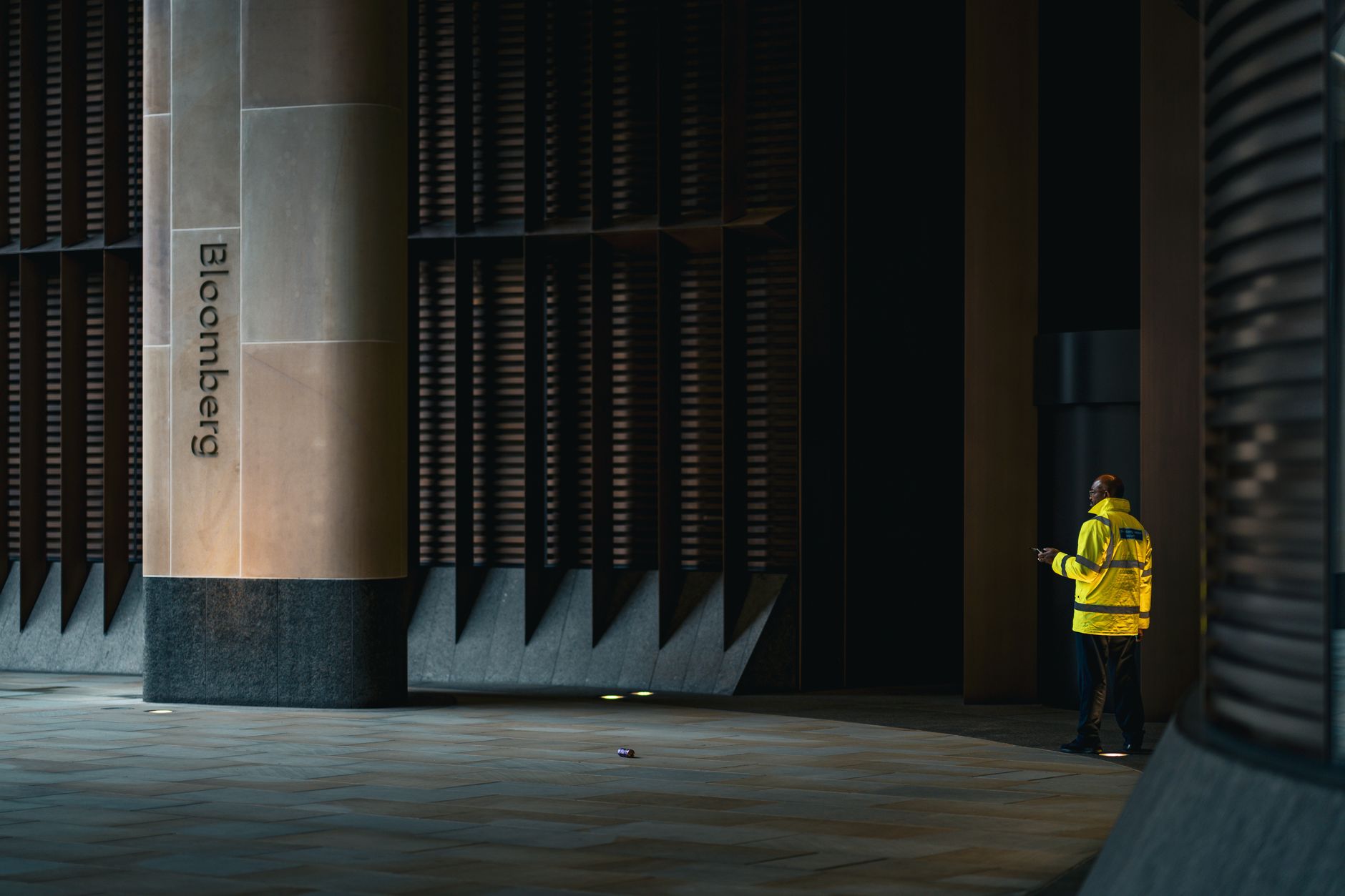
Access and monitoring decide whether a night window is safe to run at all. A robot working after close needs a planned entry, a charging spot that stays out of the way, and a person on the security side with the authority to stop it. Those points belong in writing before the first pass, not in a phone call during the first incident.
- Confirm the gate and badge plan so the robot and any crew can enter and leave without an escort.
- Place the charging dock clear of walkways, loading aprons and fire lanes.
- Name one security contact and one site manager who can pause the robot at any hour.
- Log every pause, stop and tenant complaint against the time it happened.
How do night passes compare with daytime crew shifts?
Each option carries a different risk profile, and neither wins on every site. A night window keeps people off the turf and can avoid tenant traffic, but it adds access work, lighting review, wildlife exposure and possible conflicts with local rules. A daytime crew works inside the hours tenants expect, with a person watching each pass, yet it has to clear pedestrians, vehicles and parked cars, and it may run into business hour noise limits in some towns.
Labor is the other axis. A day crew needs people on the schedule for every pass, while a night robot needs a monitored checkpoint and a named contact instead. Which costs less depends on the site's own hours, its rules and its local labor market. Nothing in this research sets that answer for a given office park, so record both options against the same lawn and the same cut standard before choosing.
How should a site test a night window before committing?
A short pilot shows more than a brochure. Start with one zone that is far from housing and has a clear dock, run the night window for several weeks, and track complaints, stops, animal sightings and cut quality against the same zone mowed by day. Set the pass or fail rules before the first run, not after the results arrive.
This is where Service Robot Co. fits. We are OEM-neutral, so we select the robot across manufacturers that suits the lawn, then offer it on a 3-year lease through financing. We deploy and integrate each unit, train staff, and service it under RoboCare, our service plan, backed by regional service engineers in every state we service. We begin with a site assessment, and the lease is quoted as one fixed figure once that assessment is complete. Request the zone map, the local rule check and the stop procedure in writing from any integrator you speak with.

Frequently asked questions
Want a robot working for you?
Tell us the job and the site. We will recommend the robot, quote the lease, and keep it serviced.
Sources
- Worx FiatLux light for Vision Cloud 4WD
- Robotics and Automation News: Navimow responds to hedgehog safety concerns
- Riverdale NJ noise control ordinance (2023)
- Watertown MA news item on commercial landscaping limit
- Landscape Architect: South Miami landscape equipment restrictions proposal
- Miami Dade County fiscal analysis on noise fines (2022)
- Newton MA amendment on commercial landscaper equipment hours
- Eufy hedgehog mower guide (vendor blog)