Key takeaways
- Judge a floor robot pilot on five measures: coverage, pauses, missed areas, staff callouts and cleaning checks.
- Write the pass line before the first run, so the results cannot move the goal.
- Log every pause and every gap with a time, a map location and a cause.
- Let several clean weeks, not one good night, justify a second zone.
- Start with one leased unit in one zone, then expand only when the record supports it.
What should a floor robot pilot measure?
A floor robot pilot has earned its place when one overnight zone is cleaned on schedule, with few stops, few gaps and no extra work for the night crew. Five measures capture that picture: coverage, pauses, missed areas, staff callouts and cleaning checks. Track all five from the first run, in one shared record that every stakeholder can read.
None of the five is exotic. Each answers a question that an operations director or a finance lead will eventually ask, and each can be checked by someone who was not in the building that night. That second part matters most. A scorecard persuades only when a skeptical reader can trace every line back to a logged event.
How is coverage measured in one zone?
Coverage is the share of the mapped floor that the robot actually traveled and cleaned, compared with the route it was assigned. Measure it on every run rather than as a weekly average, so one bad night cannot hide inside a good total.
Write the zone boundaries down before the first run. Walls, doorways, aisle ends and the line where a traffic lane begins all belong on the map and on the zone sheet posted at the charging station. A coverage figure is only as trustworthy as the map beneath it, which is why site assessment mapping should come before the robot is scheduled, not after the first complaint.
What counts as a pause, and what does it reveal?
A pause is any stop that holds the robot longer than the team has agreed to tolerate, or any stop that needs a person. Agree on that threshold before the pilot starts, then log each pause with the same fields every time.
Clusters reveal layout problems. Repeated stops at one doorway usually point to a threshold, a rack line or a cart staging habit, and the fix is often a change on the floor rather than a change in the robot's software.
- Start and end time from the robot's own run record
- Map location or the nearest fixed landmark
- Cause as observed, such as a cart, a cord, a door, a spill, a person or a sensor fault
- Whether a person cleared it, and how long that took
Where do missed areas hide?
A missed area is floor inside the zone that the route did not clean, or cleaned only in part. The usual suspects are corners, the strip beneath low racking, thresholds, edges beside fixed machinery and the seams where one zone meets another. Those spots sit off the robot's normal path, so a route that looks complete on a screen can still leave a dirty line at the wall.
Find them with a short spot check walked at the same time each morning. Photograph each gap, note its map location and tag it as either a route gap or a physical obstacle. Keep the two counts separate. Route gaps can often be corrected in the route plan, while obstacle gaps may call for a change to storage, to floor markings or to the floor itself.
How do staff callouts show whether the robot helps?
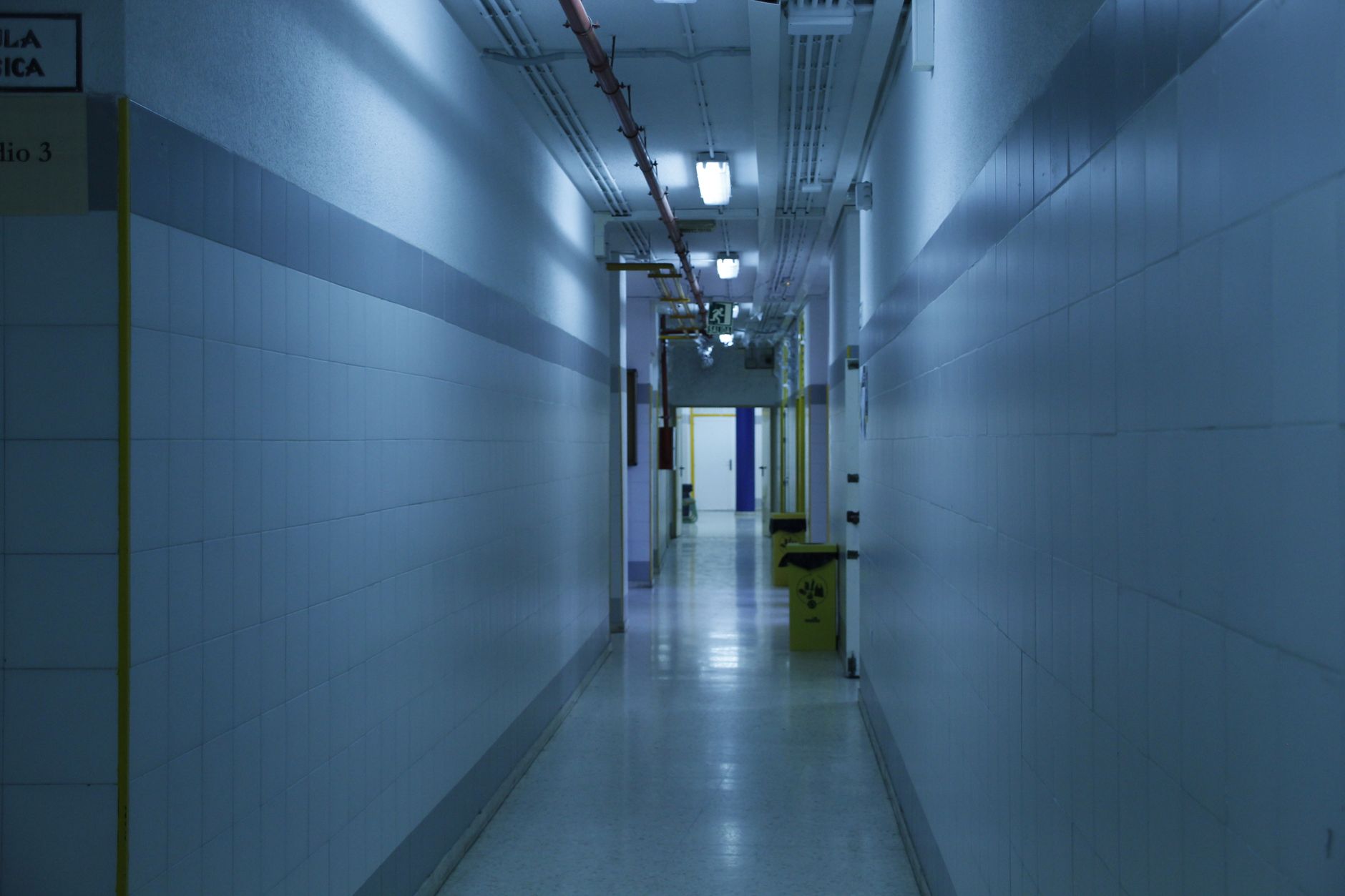
A staff callout is any time a person is pulled from another task to clear, reset, restart, escort or rescue the robot. Count callouts per shift and record the minutes each one takes. This is the measure that answers the question an operator actually asks: did the night crew get time back, or did they simply start answering a new call?
A pilot that cuts floor work but adds callouts has moved labor around rather than saved it. Compare the callout log with a baseline week taken before the robot starts, and mark which callouts came from a fault and which came from a layout issue. Those two causes call for different fixes, and mixing them makes the scorecard harder to trust.
What do cleaning checks prove, and who runs them?
A cleaning check is a direct inspection of sampled floor, carried out by someone who did not supervise the run. A simple checklist with dated photos and a pass or fail mark for each spot is enough to start. Checks supply the only direct evidence that the coverage figure reflects clean floor, not just a route that was driven.
Rotate the checker. If the same supervisor reviews the robot's work every night, the scorecard drifts toward what that person expects to see. Write down the sampling method, the spot locations and the pass rule, so a new checker produces the same result from the same floor.
How should the team record evidence it can trust?
Keep one log, one clock and one named owner. Export the robot's own run record each day and file it unedited. Staff observations go in a separate column that cites the time and the event they describe. Nobody should retype a robot figure into a spreadsheet from memory.
Review the log weekly with the people who run the floor, and keep the raw exports for the whole pilot. A record that survives a finance review is one that anyone can rebuild from source files. It is also the record that on site dispatch and remote triage will need when a unit stops.
Service Robot Co. is a full service, OEM neutral integrator. We choose the robot that fits the floor, finance it on a three year lease, deploy and integrate it, train the crew and service every unit through a nationwide US engineer network, with one partner and one number to call. Our lease is quoted as one fixed robot lease payment after a site assessment, so a pilot can start with one leased unit in one zone. We suggest agreeing the log format before go live support begins, so the evidence exists from the first night.
When does the pilot earn an expansion?
Expand only when the scorecard holds for several consecutive weeks, not for one good stretch. The signals to look for are steady coverage on every run, pauses that trend downward after layout fixes, missed areas that close and staff callouts that stay flat or fall. If any measure moves the wrong way, correct the map or the route before adding a unit.
Plan for an outage before you expand. A zone with one robot stops entirely while that robot is down, so decide in advance what the night crew does, and whether spare unit coverage or a backup robot program is in place before a second zone goes live. The scorecard does not make the decision for you. It makes the decision traceable, and that is its purpose.
Frequently asked questions
Want a robot working for you?
Tell us the job and the site. We will recommend the robot, quote the lease, and keep it serviced.